182 kr
Skickas inom 7-10 vardagar
182 kr
Skickas inom 7-10 vardagar
192 kr
Skickas
3 864 kr
Skickas inom 7-10 vardagar
463 kr
Skickas inom 7-10 vardagar
935 kr
Läs direkt efter köp
386 kr
Skickas
731 kr
Skickas inom 10-15 vardagar
Taylor & Francis Ltd
16 908 kr
Skickas inom 10-15 vardagar
1 677 kr
Skickas inom 7-10 vardagar
856 kr
Skickas inom 10-15 vardagar
2 483 kr
Kommande
728 kr
Skickas inom 10-15 vardagar
422 kr
Skickas inom 7-10 vardagar
2 602 kr
Skickas inom 10-15 vardagar
792 kr
Skickas inom 10-15 vardagar
856 kr
Läs direkt efter köp
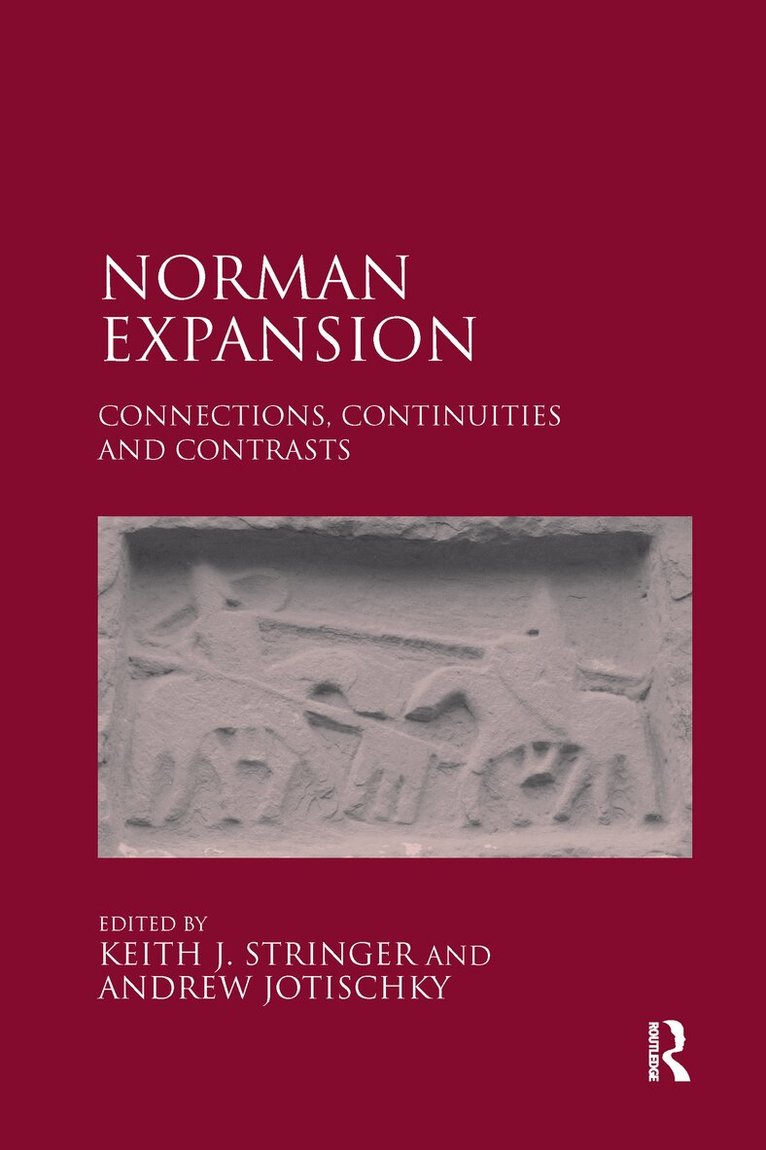
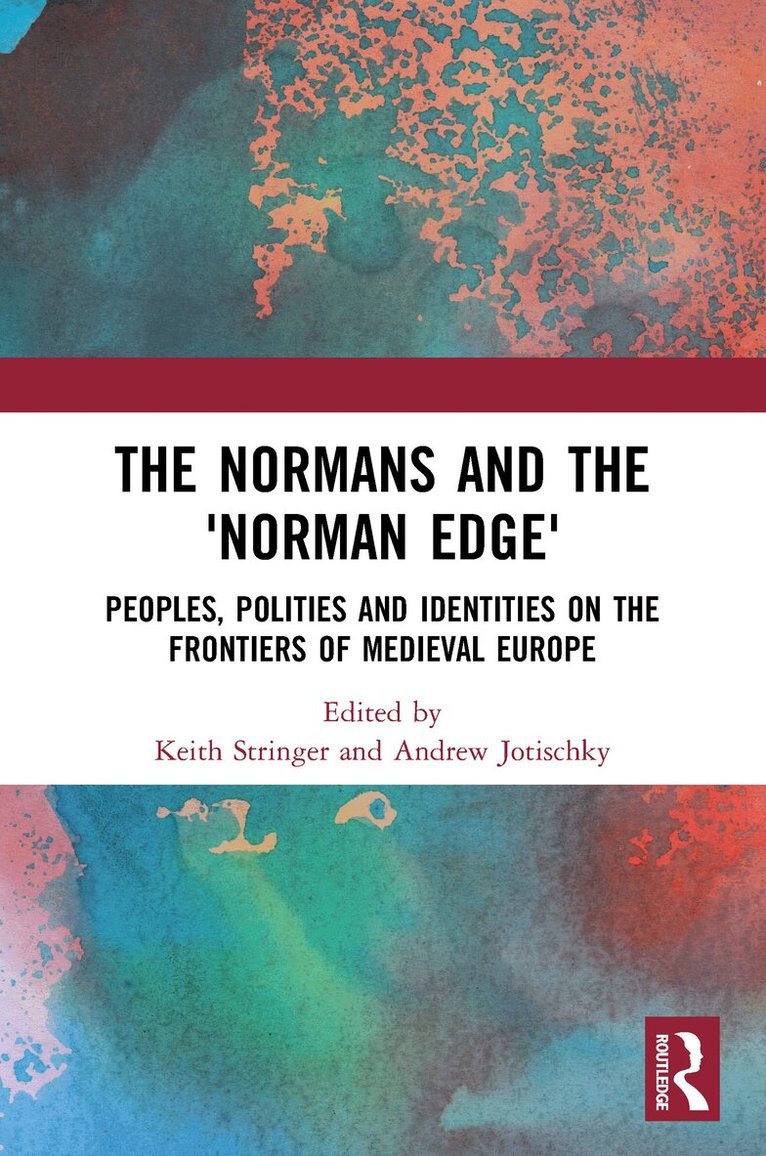
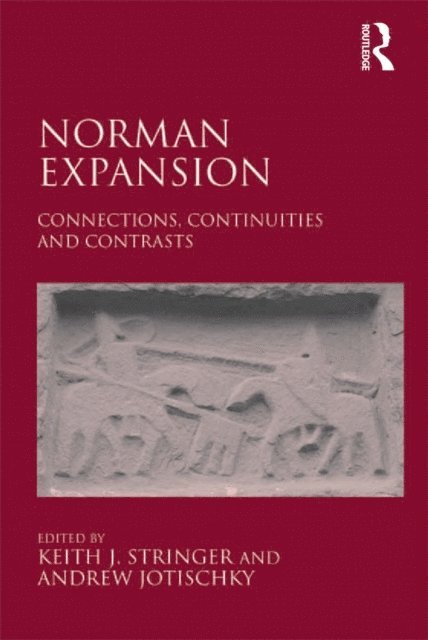
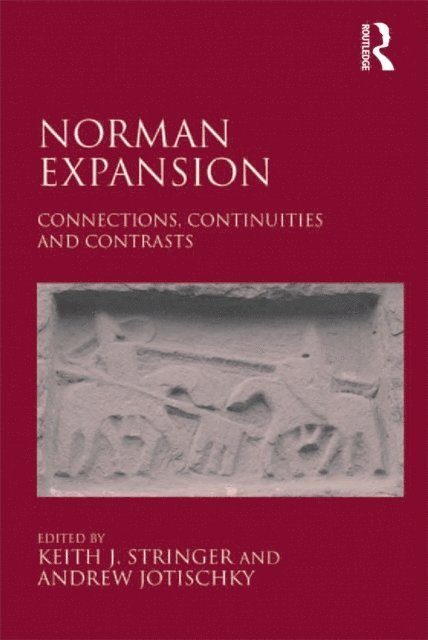
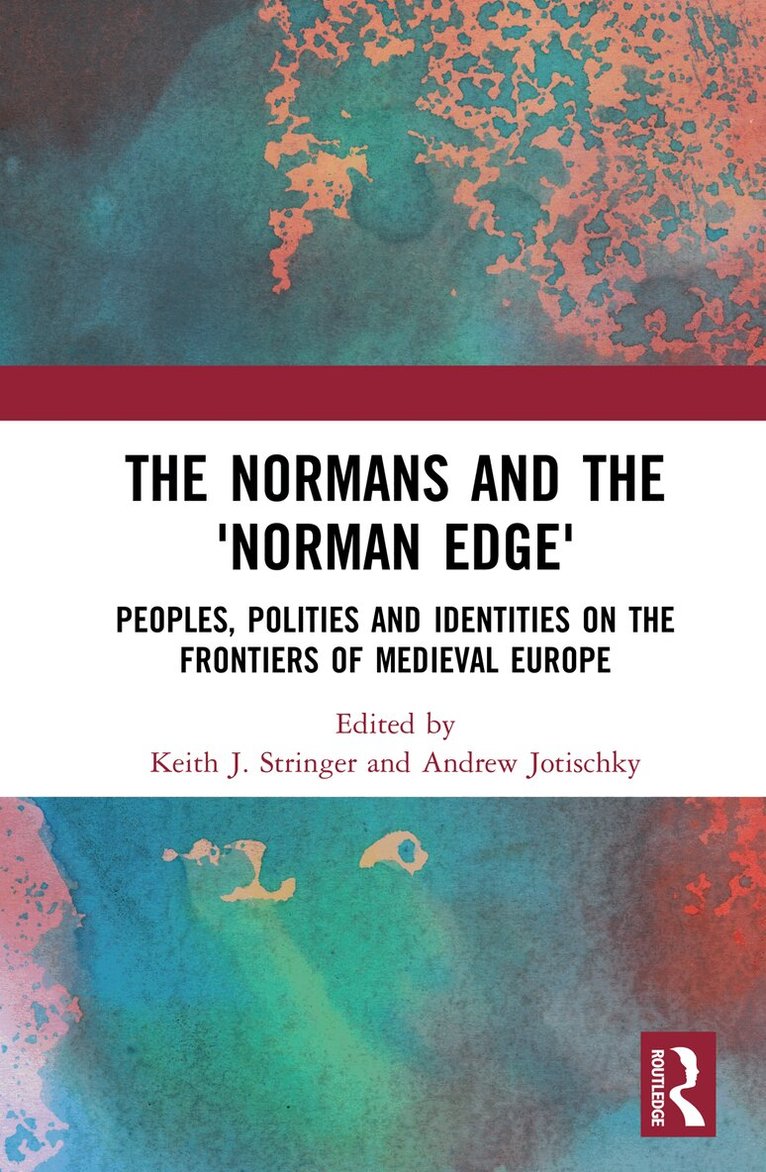
Modern historians of the Normans have tended to treat their enterprises and achievements as a series of separate and discrete histories. Such treatments are valid and valuable, but historical understanding of the Normans also depends as much on broader approaches akin to those adopted in this book. As the successor volume to Norman Expansion: Connections, Continuities and Contrasts, it complements and significantly extends its findings to provide a fuller appreciation of the roles played by the Normans as one of the most dynamic and transformative forces in the history of medieval ‘Outer Europe’. It includes panoramic essays that dissect the conceptual and methodological issues concerned, suggest strategies for avoiding associated pitfalls, and indicate how far and in what ways the Normans and their legacies served to reshape sociopolitical landscapes across a vast geography extending from the remoter corners of the British Isles to the Mediterranean basin. Leading experts in their fields also provide case-by-case analyses, set within and between different areas, of themes such as lordship and domination, identities and identification, naming patterns, marriage policies, saints’ cults, intercultural exchanges, and diaspora–homeland connections.
The Normans and the ‘Norman Edge’ therefore presents a potent combination of thought-provoking overviews and fresh insights derived from new research, and its wide-ranging comparative focus has the advantage of illuminating aspects of the Norman past that traditional regional or national histories often do not reveal so clearly. It likewise makes a major contribution to current Norman scholarship by reconsidering the links between Norman expansion and ‘state-formation’; the extent to which Norman practices and priorities were distinctive; the balance between continuity and innovation; relations between the Normans and the indigenous peoples and cultures they encountered; and, not least, forms of Norman identity and their resilience over time. An extensive bibliography is also one of this book’s strengths.
850 kr
Läs direkt efter köp
850 kr
Läs direkt efter köp
791 kr
Läs direkt efter köp
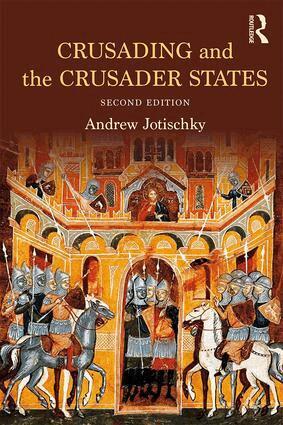
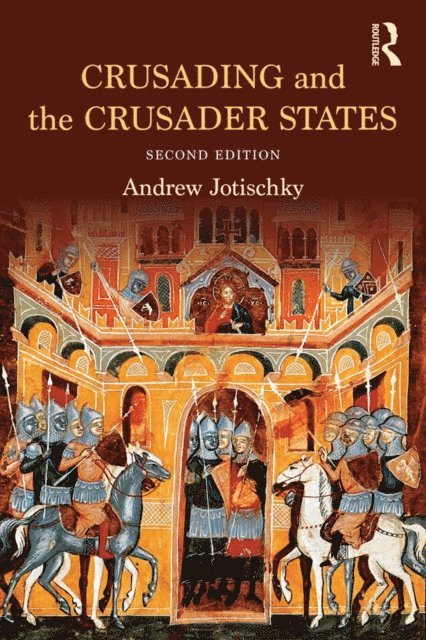
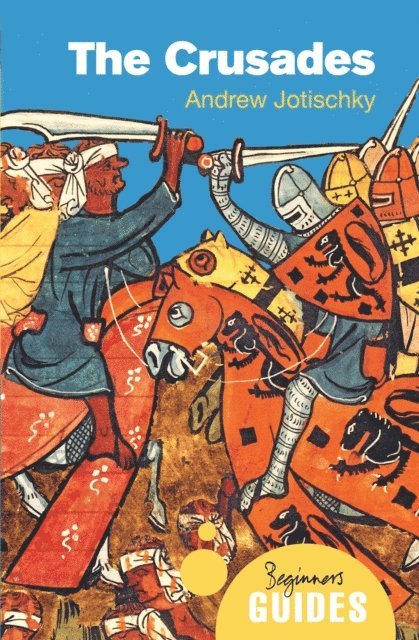
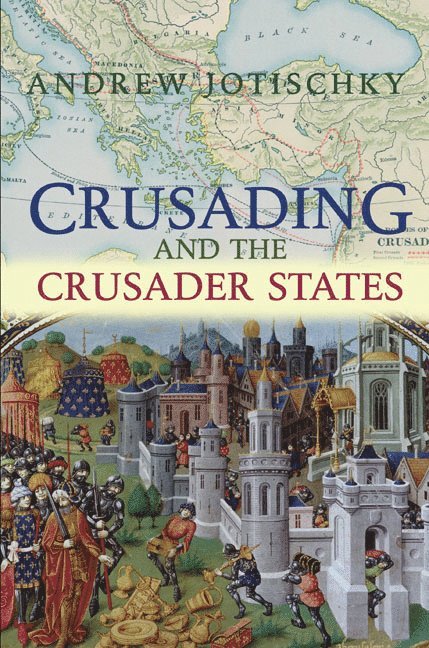
Crusading and the Crusader States explores how the idea of holy war emerged from the troubled society of the eleventh century, and why Jerusalem and the Holy Land were so important to Europeans. It follows the progress of the major crusading expeditions, offering insights into initial success and subsequent failure, charts the development of new attitudes towards Islam and its followers, and shows the effects of the Crusades on society and culture in the Near East.
Providing analysis and discussion of this vital period of medieval history, Andrew Jotischky discusses key questions such as how crusading evolved in theory and practice, how crusading expeditions were planned and carried out, why they were considered such an essential part of medieval society, and why their popularity endured despite military failures.
This new edition takes into account the wealth of rich and varied recent research to show why crusading should be seen as central to the European experience in the Middle Ages. It engages with key historiographical debates of the past decade, including how Crusades were formed, the political culture and social networks of crusading, and the effects of crusading on western religious and aristocratic culture. It now extends into the fifteenth century to discuss the lasting ramifications of the Crusades, and illustrate their legacy into the early modern period.
It is essential reading for all students of the Crusades and medieval history.
797 kr
Läs direkt efter köp
Crusading and the Crusader States explores how the idea of holy war emerged from the troubled society of the eleventh century, and why Jerusalem and the Holy Land were so important to Europeans. It follows the progress of the major crusading expeditions, offering insights into initial success and subsequent failure, charts the development of new attitudes towards Islam and its followers, and shows the effects of the Crusades on society and culture in the Near East.
Providing analysis and discussion of this vital period of medieval history, Andrew Jotischky discusses key questions such as how crusading evolved in theory and practice, how crusading expeditions were planned and carried out, why they were considered such an essential part of medieval society, and why their popularity endured despite military failures.
This new edition takes into account the wealth of rich and varied recent research to show why crusading should be seen as central to the European experience in the Middle Ages. It engages with key historiographical debates of the past decade, including how Crusades were formed, the political culture and social networks of crusading, and the effects of crusading on western religious and aristocratic culture. It now extends into the fifteenth century to discuss the lasting ramifications of the Crusades, and illustrate their legacy into the early modern period.
It is essential reading for all students of the Crusades and medieval history.
2 590 kr
Skickas inom 10-15 vardagar
929 kr
Läs direkt efter köp
2 577 kr
Skickas inom 10-15 vardagar
2 606 kr
Skickas inom 7-10 vardagar
80 kr
Läs direkt efter köp
241 kr
Skickas inom 7-10 vardagar
1 062 kr
Tillfälligt slut
2 007 kr
Tillfälligt slut
2 021 kr
Tillfälligt slut