469 kr
Läs direkt efter köp
469 kr
Läs direkt efter köp
472 kr
Läs direkt efter köp
865 kr
Skickas inom 7-10 vardagar
2 810 kr
Skickas inom 10-15 vardagar
767 kr
Skickas inom 10-15 vardagar
2 515 kr
Skickas inom 10-15 vardagar
605 kr
Skickas inom 10-15 vardagar
622 kr
Skickas inom 10-15 vardagar
2 136 kr
Skickas inom 10-15 vardagar
722 kr
Läs direkt efter köp
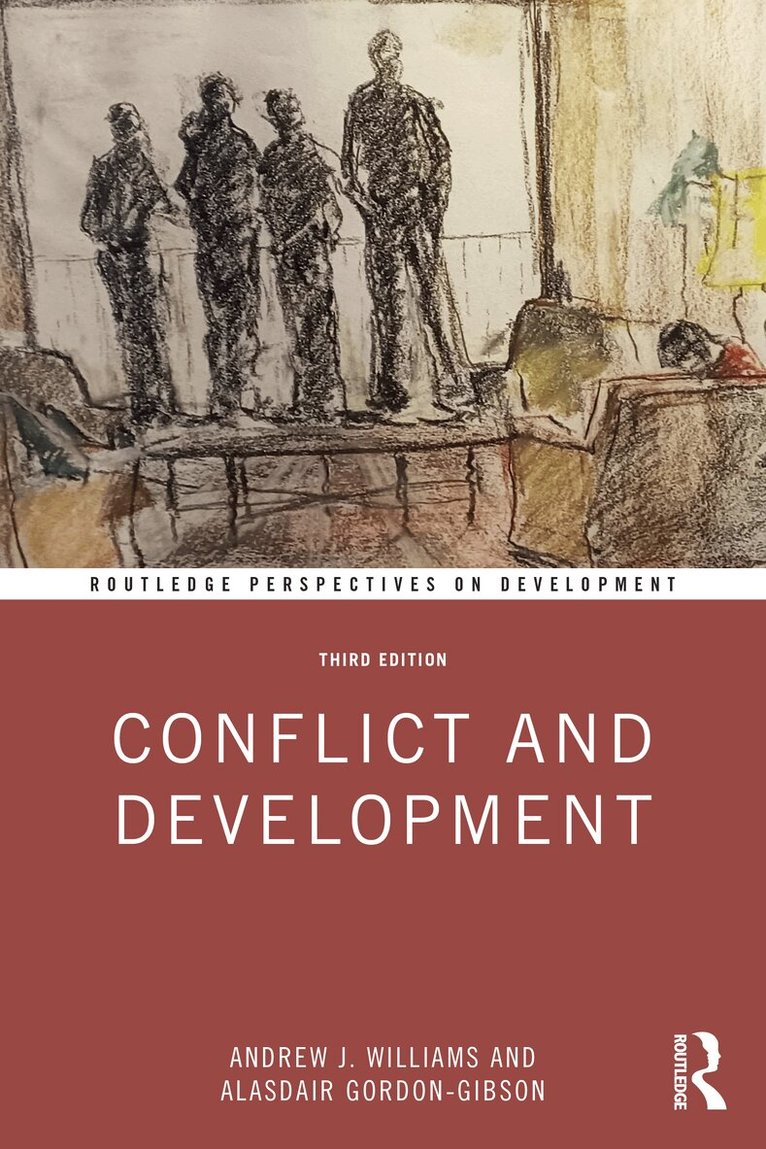
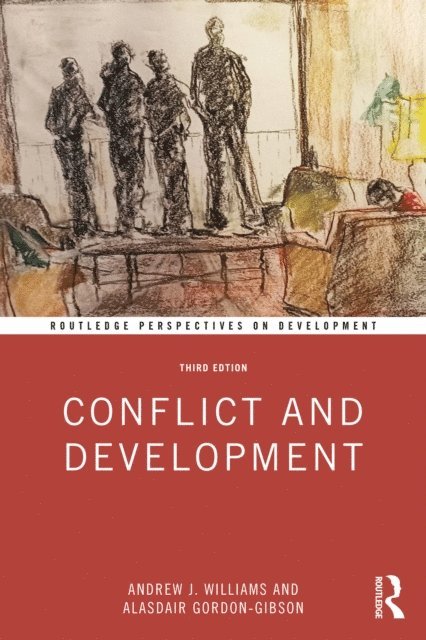
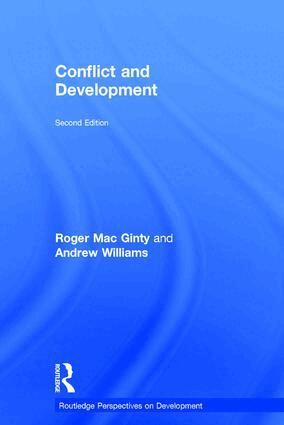
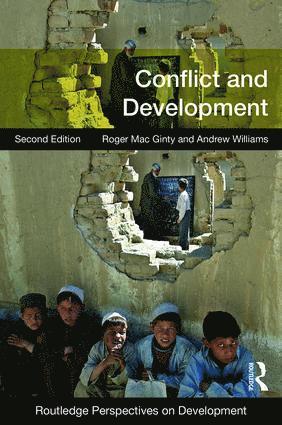
Fully revised and updated in its third edition, this timely book brings together the study of conflict and war and the problems surrounding the economic development of developing societies that are most prone to experiencing problems in moving on after war.
The book does so by reflecting on the issues surrounding war as it unfolds and after it has (in principle) ‘ended’, within the context of the history, present-day problems and future prospects. The book aims to highlight the possibilities, successes and failures of past and present policies that bring ‘development’ to countries and peoples that want to be more involved in deciding their own futures after conflict and war, and often find themselves subject to what can be seen as arbitrary and even alien ways of thinking and acting by institutions in which they theoretically have membership and agency but often do not in practice. The case studies have been fully updated to reflect changes and developments since the second edition of this text, and there are questions at the end of each chapter to promote reflection. This new edition presents a deeper dive into the history of conflict and the emergence of new theories and policy guidance about present and future options in the fields of conflict and development.
Accessible and engaging, this textbook is a pivotal resource for a nexus of subjects related to the often separated fields of conflict and development studies, as well as practitioners in this area.
712 kr
Läs direkt efter köp
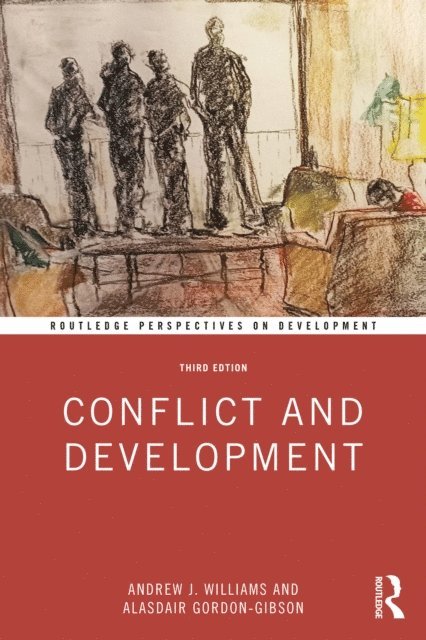
Fully revised and updated in its third edition, this timely book brings together the study of conflict and war and the problems surrounding the economic development of developing societies that are most prone to experiencing problems in moving on after war.
The book does so by reflecting on the issues surrounding war as it unfolds and after it has (in principle) ‘ended’, within the context of the history, present-day problems and future prospects. The book aims to highlight the possibilities, successes and failures of past and present policies that bring ‘development’ to countries and peoples that want to be more involved in deciding their own futures after conflict and war, and often find themselves subject to what can be seen as arbitrary and even alien ways of thinking and acting by institutions in which they theoretically have membership and agency but often do not in practice. The case studies have been fully updated to reflect changes and developments since the second edition of this text, and there are questions at the end of each chapter to promote reflection. This new edition presents a deeper dive into the history of conflict and the emergence of new theories and policy guidance about present and future options in the fields of conflict and development.
Accessible and engaging, this textbook is a pivotal resource for a nexus of subjects related to the often separated fields of conflict and development studies, as well as practitioners in this area.
716 kr
Läs direkt efter köp
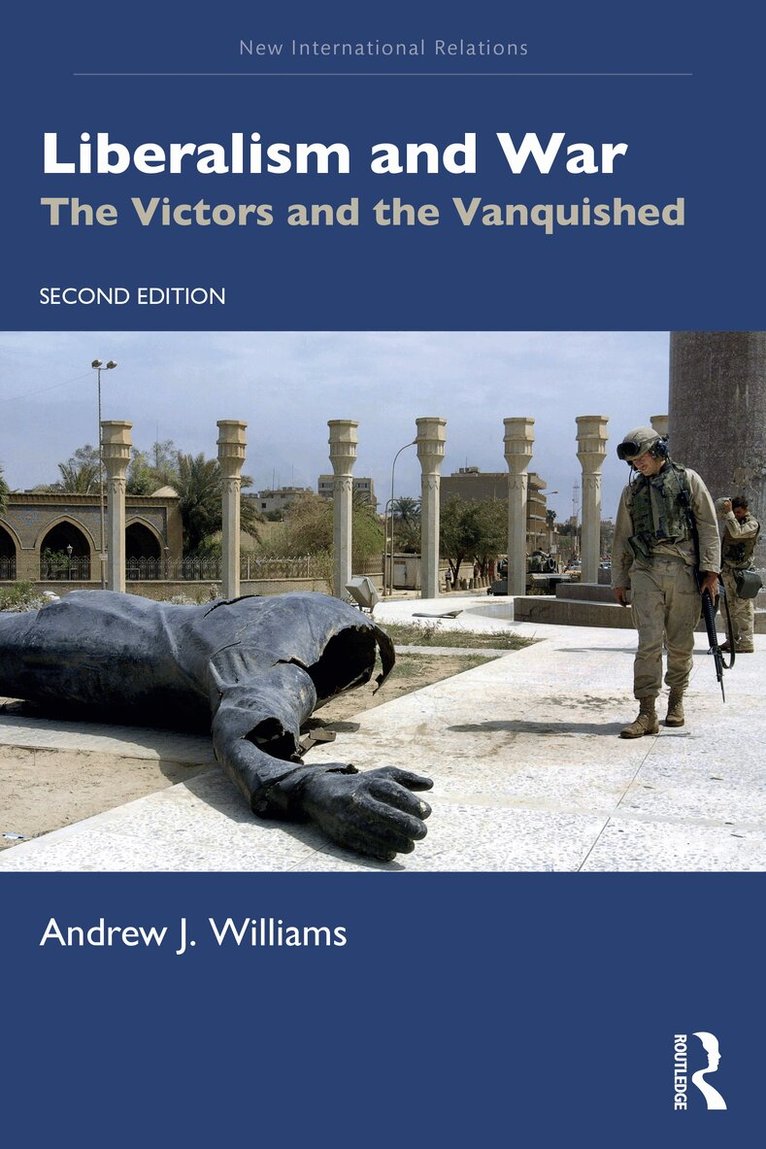
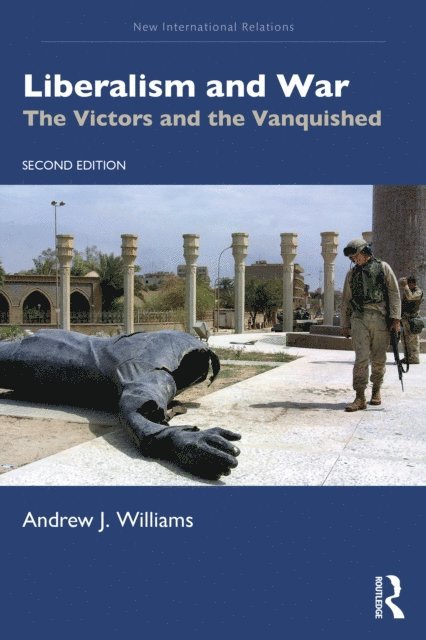
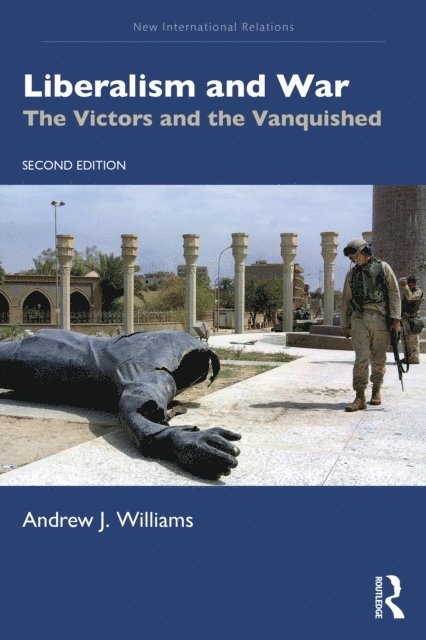
In this book, leading scholar Andrew J. Williams examines contemporary liberal thinking on the ending of wars and puts it into its historical context. Using a vast range of archival material, he examines the main strategies used by liberal states to consolidate their gains in the aftermath of war and prevent conflict re-occurring.
Considering historical wars from the nineteenth century to the withdrawal from Afghanistan in 2021 and the war in Ukraine since 2022, Williams explores the continuities and changes within western liberalism in response to war and the encouragement of peace. These include, in recent times, the emergence of ‘neoliberalism’, a growing revulsion against ‘humanitarian intervention’ and the evolution of legal attempts to control illiberal regimes. He shows how liberalism and the articulation of international norms and institutions sprang out of historical traditions linked to colonialism but also out of a desire to promote liberty and justice. He examines the attitudes and practices that have distorted liberalism’s essentially emancipatory nature into one that has encouraged hubris in foreign policy and an increasingly divisive set of economic, political and social policies. He suggests that a new liberal impulse to encourage the spread of democracy and international justice is possible, one that returns to a more realistic approach to intervention in international conflicts.
The book will appeal to scholars and students of war, conflict and political theory interested in the historical perceptions at the heart of many of the mistakes made by liberalism in the ending of wars. It will also give hope to those who still believe that liberalism can be the organising feature of a just and equitable world order.
910 kr
Läs direkt efter köp
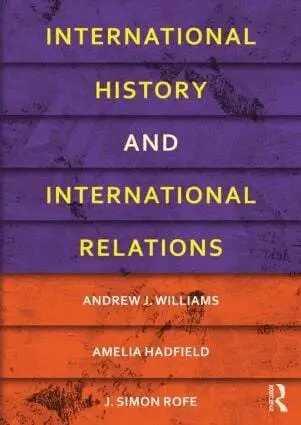
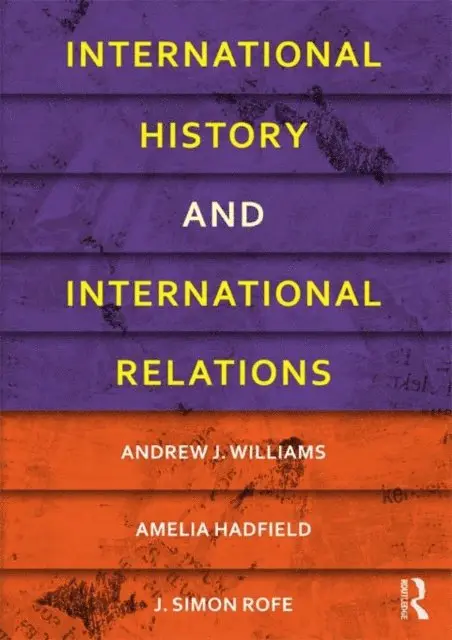
This innovative new textbook seeks to provide undergraduate students of international relations with valuable and relevant historical context, bridging the gap and offering a genuinely interdisciplinary approach. Each chapter integrates both historical analysis and literature and applies this to an international relations context in an accessible fashion, allowing students to understand the historical context in which these core issues have developed.
The book is organised thematically around the key issues in international relations such as war, peace, sovereignty, identity, empire and international organisations. Each chapter provides an overview of the main historical context, theories and literature in each area and applies this to the study of international relations.
Providing a fresh approach, this work will be essential reading for all students of international relations and international relations theory.
890 kr
Läs direkt efter köp
This innovative new textbook seeks to provide undergraduate students of international relations with valuable and relevant historical context, bridging the gap and offering a genuinely interdisciplinary approach. Each chapter integrates both historical analysis and literature and applies this to an international relations context in an accessible fashion, allowing students to understand the historical context in which these core issues have developed.
The book is organised thematically around the key issues in international relations such as war, peace, sovereignty, identity, empire and international organisations. Each chapter provides an overview of the main historical context, theories and literature in each area and applies this to the study of international relations.
Providing a fresh approach, this work will be essential reading for all students of international relations and international relations theory.
1 909 kr
Skickas inom 10-15 vardagar
2 589 kr
Läs direkt efter köp
2 439 kr
Skickas inom 10-15 vardagar
647 kr
Skickas inom 7-10 vardagar
1 478 kr
Skickas inom 7-10 vardagar
515 kr
Skickas inom 7-10 vardagar
442 kr
Tillfälligt slut
1 459 kr
Tillfälligt slut