

Häftad, Engelska, 1996
425 kr
Skickas inom 3-6 vardagar
425 kr
Skickas inom 3-6 vardagar

1 454 kr
Kommande

540 kr
Kommande
405 kr
Skickas inom 10-15 vardagar
434 kr
Läs direkt efter köp
434 kr
Läs direkt efter köp
1 854 kr
Skickas inom 10-15 vardagar
1 126 kr
Skickas inom 3-6 vardagar
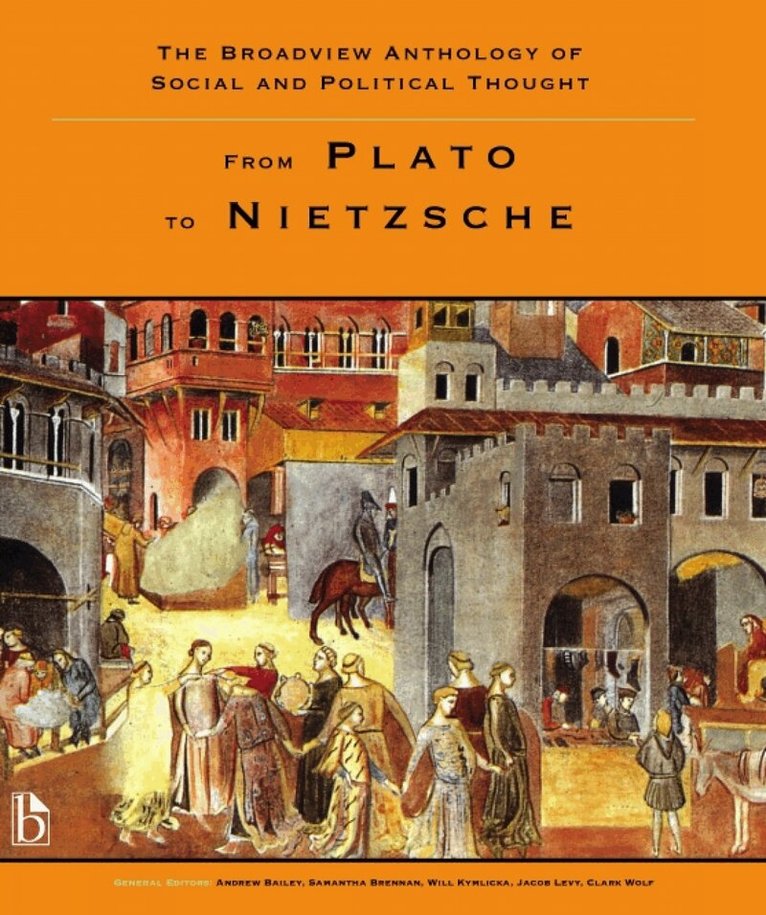
This comprehensive volume contains much of the important work in political and social philosophy from ancient times until the end of the nineteenth century. The anthology offers both depth and breadth in its selection of material by central figures, while also representing other currents of political thought. Thucydides, Seneca, and Cicero are included along with Plato and Aristotle; Al-Farabi, Marsilius of Padua, and de Pizan take their place alongside Augustine and Aquinas; Astell and Constant are presented in the company of Locke, Rousseau, and Wollstonecraft.
The editors have made every effort to include translations that are both readable and reliable. Every selection has been painstakingly annotated, and each figure is given a substantial introduction highlighting his or her major contribution within the tradition. In order to ensure the highest standards of accuracy and accessibility, the editors have consulted dozens of leading academics during the course of the anthology’s development (a number of whom have contributed introductory material as well as advice). The result is an anthology with unparalleled pedagogical benefits, and one that truly breaks new ground.
242 kr
Skickas inom 3-6 vardagar
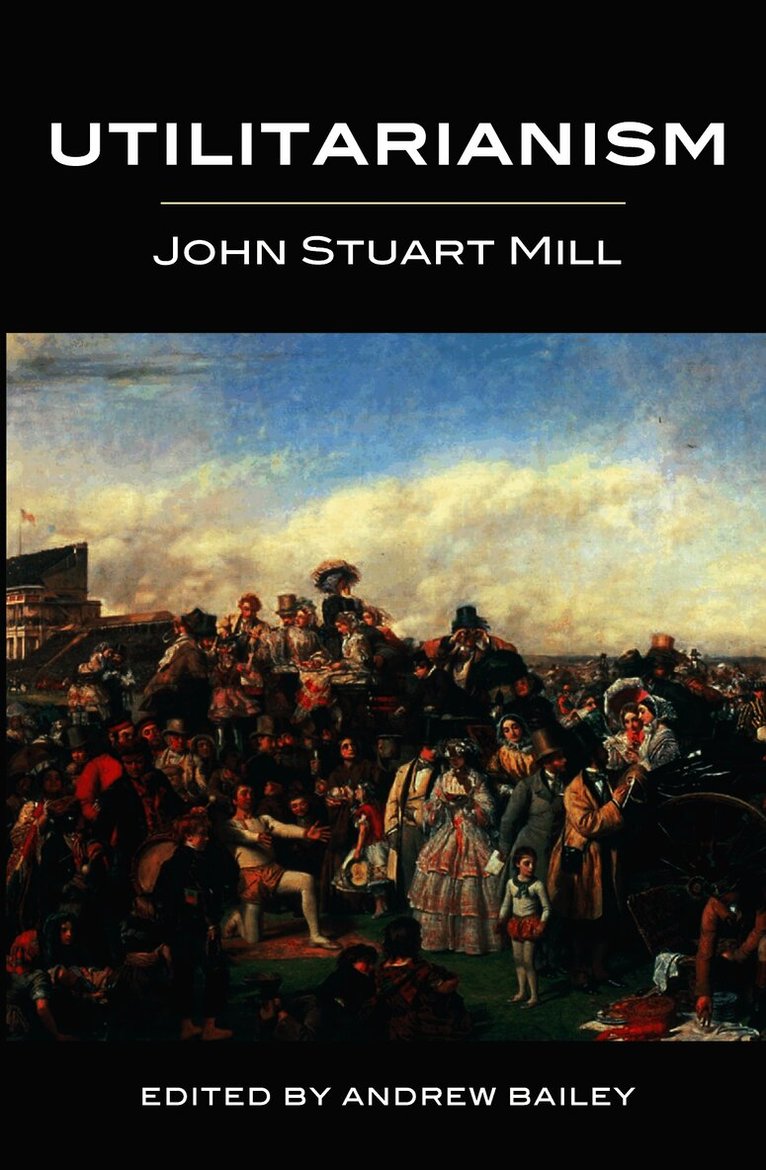
Utilitarianism is a classic work of ethical theory, arguably the most persuasive and comprehensible presentation of this widely influential position. While he didn’t invent utilitarianism, John Stuart Mill offered its clearest expression and strongest defense, and he expanded the theory to account for the variety in quality that we find among pleasures and pains. The complete text of the 1871 edition is included, along with selections from Jeremy Bentham’s An Introduction to the Principles of Morals and Legislation. Andrew Bailey’s detailed introduction examines the context of Mill’s writing and offers guidelines on how to read the text accurately and critically.
The complete text of the 1871 edition of Utilitarianism is presented here, with footnote annotations added to clarify unfamiliar references and terminology for the student reader. A detailed introduction by the editor is divided into brief digestible parts discussing the context of the text and offering guidelines on how to read it accurately and critically. This edition has its origin in the acclaimed Broadview Anthology of Social and Political Thought and adheres to the anthology’s format and high standard of accuracy and accessibility.
1 288 kr
Skickas inom 3-6 vardagar
906 kr
Skickas inom 3-6 vardagar
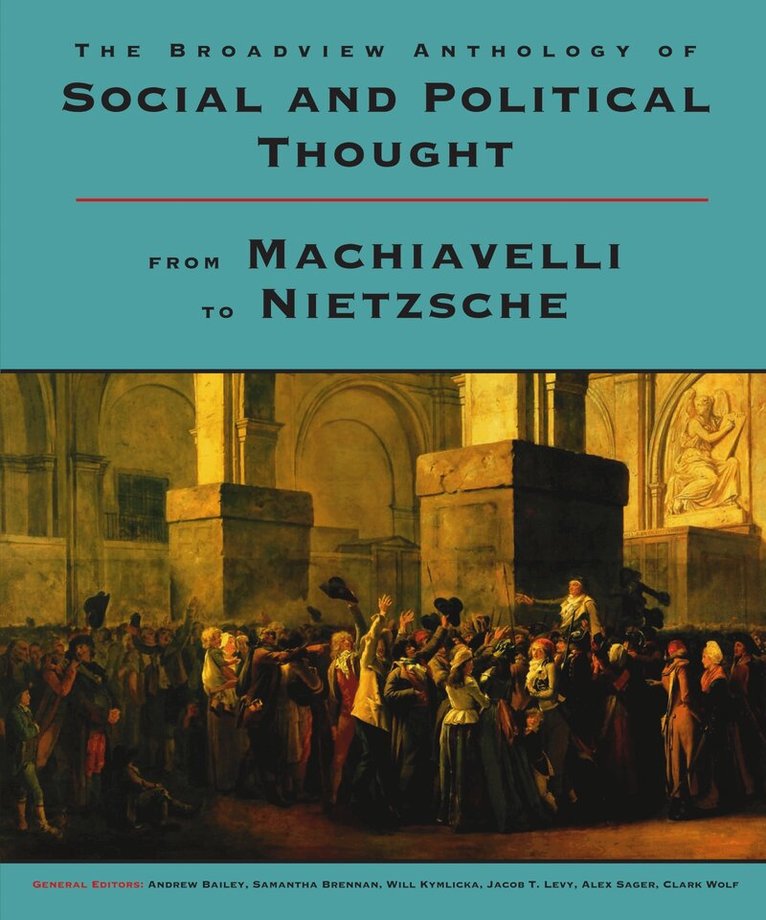
This volume contains many of the most important texts in western political and social thought from the sixteenth to the end of the nineteenth century. A number of key works, including Machiavelli’s The Prince, Locke’s Second Treatise, and Rousseau’s The Social Contract, are included in their entirety. Alongside these central readings are a diverse range of texts from authors such as Mary Wollstonecraft, Sojourner Truth, and Henry David Thoreau. The editors have made every effort to include translations that are both readable and reliable. Each selection has been painstakingly annotated, and each figure is given a substantial introduction highlighting his or her major contributions within the tradition. The result is a ground-breaking anthology with unparalleled pedagogical benefits.
247 kr
Skickas inom 3-6 vardagar
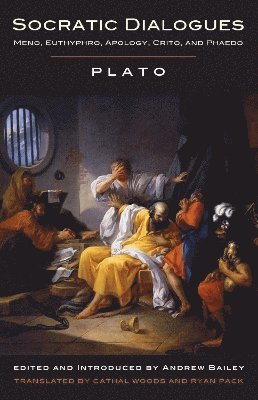
These five dialogues depict the life, death, and philosophical methods of Socrates, as portrayed by his student and philosophical successor, Plato. Meno offers some of the clearest and most compelling examples of the Socratic method in application. In Euthyphro, Socrates examines the concept of piety and displays his propensity for questioning Athenian authorities. Next, in the Apology, we find Socrates defending himself in court against charges of impiety and corruption of the youth. Crito shows Socrates choosing to accept the resulting death sentence rather than escape Athens and avoid execution. And in Phaedo, Socrates reflects on the immortality of the soul before carrying out his own sentence.