Stop the Hate for Goodness Sake shows teachers how to confront racism and disrupt discrimination in order to deepen students’ understanding of social justice, diversity, and equity. Background information, statistics, and reports on incidents of hate will help students consider ethical and moral behavior. Forty step-by-step lessons involve discussion, oral and written narratives, case studies, assumption charts, and more. This thoughtful examination of today’s world will help teachers encourage reflection, foster inclusion, and inspire students to take action. This in-depth guide will show teachers of 8- to 14-year-olds how to start and manage important conversations that will lead to change.
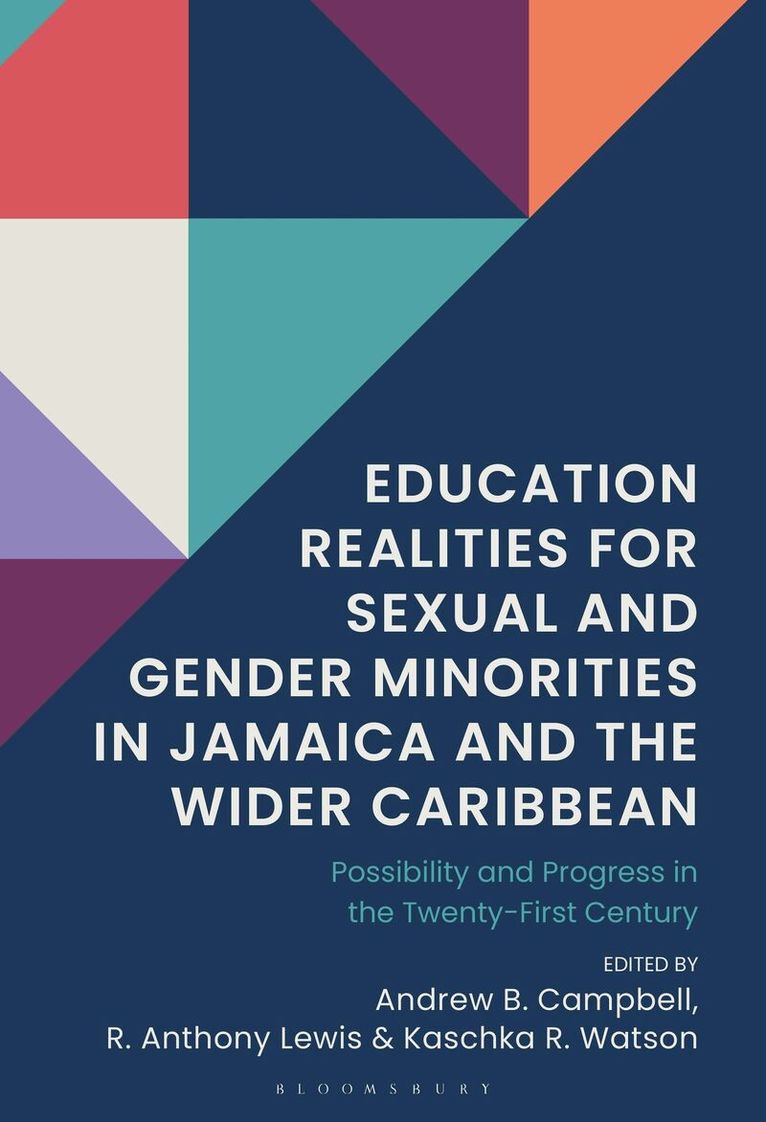
This book offers insights on education, gender and sexuality in the Caribbean, with a focus on Jamaica. Using an intersectional and interdisciplinary lens—featuring contributions from fields such as literary studies, psychology, healthcare and cultural studies—the collection sheds light on the experiences of sexual and gender minority (SGM) individuals in education in the Caribbean and its diaspora. It examines how they have been marginalized by social attitudes shaped by inherited colonialperspectives, as well as the challenges and tensions that hinder and drive their struggles and aspirations across diverse issues, including persistentstigma, policy gaps and discrimination. However, rather than presentinga narrative defined solely by hardship, the chapters in the collectionunderscore the resilience and agency of community-based actors andacademics working to change realities on the ground for SGM people. Whileacknowledging deeply entrenched social and institutional barriers, thisbook points to evolving conditions that signal potential for progress towardgreater inclusion, equity and recognition of Caribbean SGM communities.
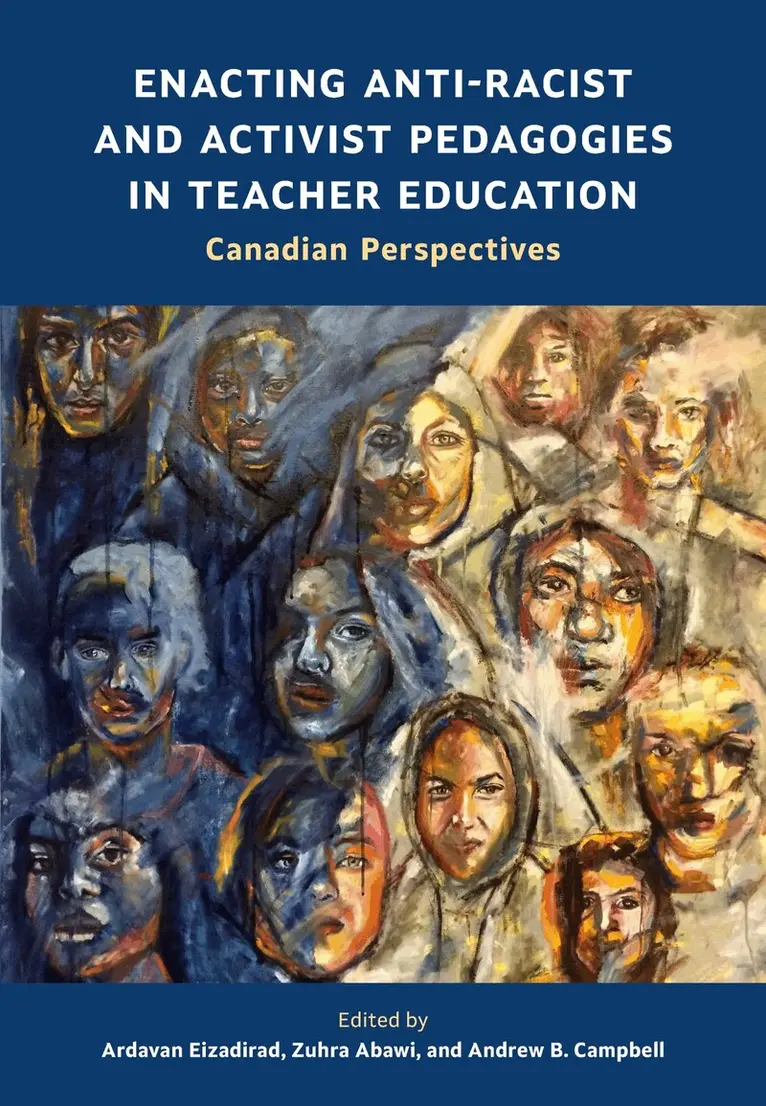
Enacting Anti-Racist and Activist Pedagogies in Teacher Education is a timely edited collection that examines the complexities, challenges, spaces of resistance, and possibilities when faculty-specifically Black, Indigenous, and racialized faculty-advocate and implement anti-racism approaches and pedagogies in Canadian teacher education programs. Taking an explicitly critical anti-racist approach, the text challenges the pedagogical, curricular, structural, and institutional underpinnings in teacher education framed by whiteness. As a collective, the chapters explore how to disrupt white normalcy by dismantling the hierarchies in place and unpacking intersectionalities, positionalities, and knowledge production through transformative anti-racist pedagogies.Gathering the voices of established and emerging academics, as well as field practitioners, this volume presents a holistic and nuanced understanding of anti-racism within the educational context from discussing collaboration and innovative methodologies for studies in racism to critiquing institutional policies and practices that uphold white supremacist ideals. The contributors reframe teacher education through resistance and activism, preparing teacher candidates as practitioners for anti-racist work with racialized students, families, and communities.Including key terms, discussion questions, and "toolbox" sections highlighting advice for pre-service K–12 teachers, this text is an essential resource for undergraduate and graduate students in teacher education.
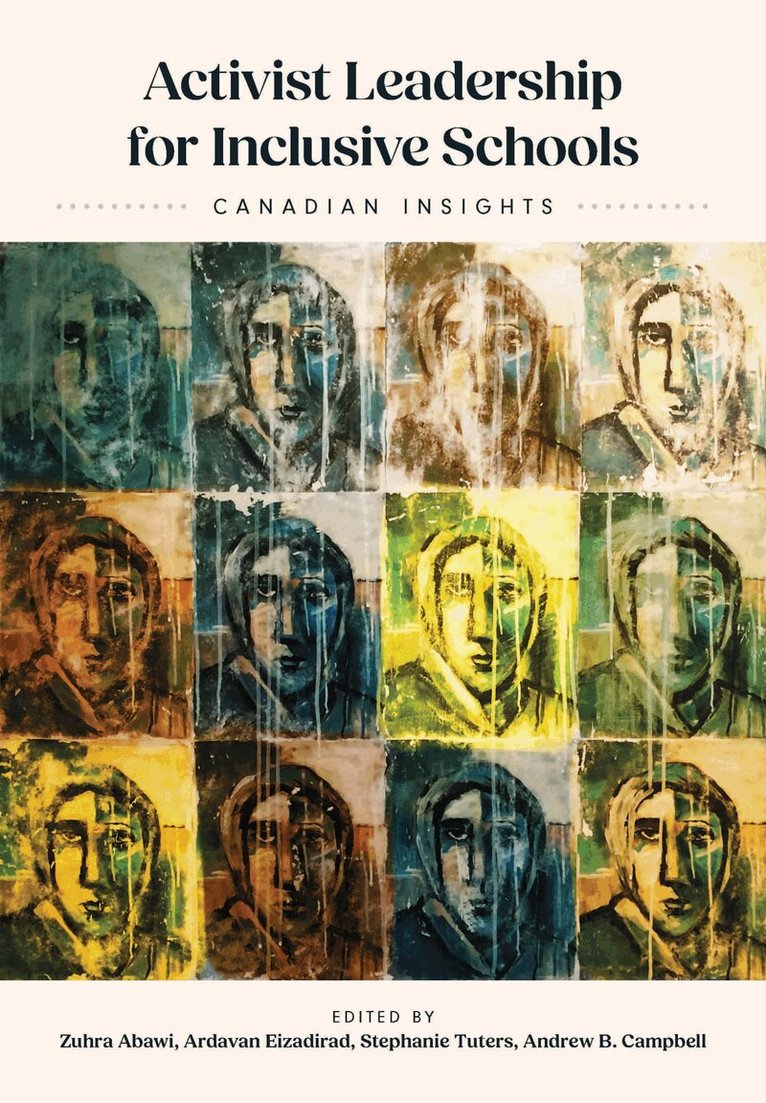
Activist Leadership for Inclusive Schools explores courageous methods for educational leadership and principalship in Canada to move beyond additive discourses of diversity to dismantling systems of oppression for thriving schools and communities. It is a timely collection rooted in diverse approaches to activism that names, disrupts, and challenges dominant leadership discourses and practices that perpetuate harm to underserved communities.Throughout Canada, educational policies and mandates are often implemented without meaningful collaboration with the students, families, and communities they are intended to serve, thereby exacerbating systemic, structural, and institutional barriers. The collection's social justice approach to activism and leadership bridges gaps between policies, institutions, and communities. It calls for a more just education system that carves out spaces of belonging by honouring the lived experiences, identities, and intersectionalities of all students.This book is an invaluable resource for Canadian university education programs with courses focusing on educational leadership, diversity, social justice, or inclusive education. It also serves educational administration, existing teachers, principals, higher education instructors and researchers, policy makers, and activists.