E-bok
PDF, Engelska, 2012506 kr
Läs direkt efter köp
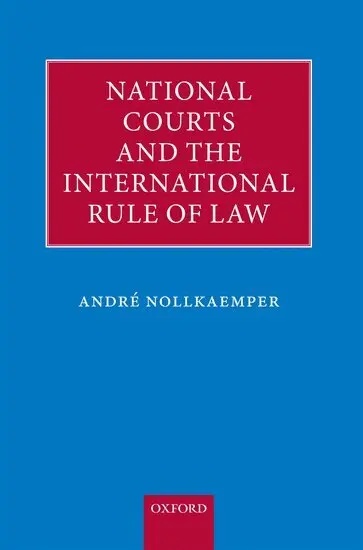
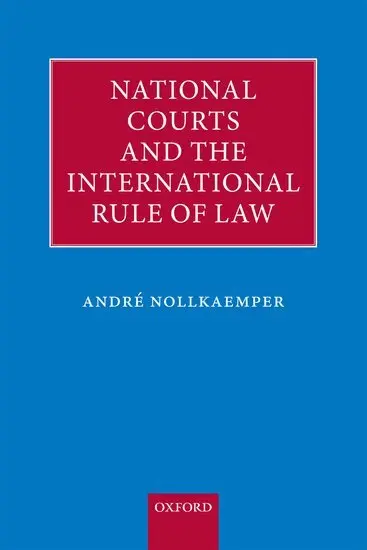
This book explores the way domestic courts contribute to the maintenance of theinternational of law by providing judicial control over the exercises of public powers that may conflict with international law. The main focus of the book will be on judicial control of exercise of public powers by states. Key cases that will be reviewed in this book, and that will provide empirical material for the main propositions, include Hamdan, in which the US Supreme Court reviewed detention by the United States of suspected terrorists against the 1949 Geneva Conventions; Adalah, in which the Supreme Court of Israel held that the use of local residents by Israeli soldiers in arresting a wanted terrorist is unlawful under international law, and the Narmada case, in which the Indian Supreme Court reviewed the legality of displacement of people in connection with the building of a dam in the river Narmada under the ILO Indigenous and Tribal Populations Convention 1957 (nr 107).This book explores what it is that international law requires, expects, or aspires that domestic courts do. Against this backdrop it maps patterns of domestic practice in the actual or possible application of international law and determines what such patterns mean for the protection of the international rule of law.