565 kr
Skickas inom 7-10 vardagar
565 kr
Skickas inom 7-10 vardagar
Russian Social Democracy after 1921
737 kr
Skickas inom 7-10 vardagar
Russian Social Democracy after 1921
322 kr
Skickas inom 7-10 vardagar
4 924 kr
Skickas inom 7-10 vardagar
812 kr
Läs direkt efter köp
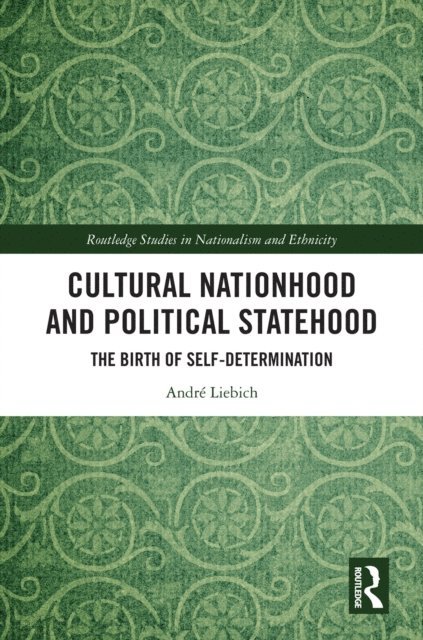
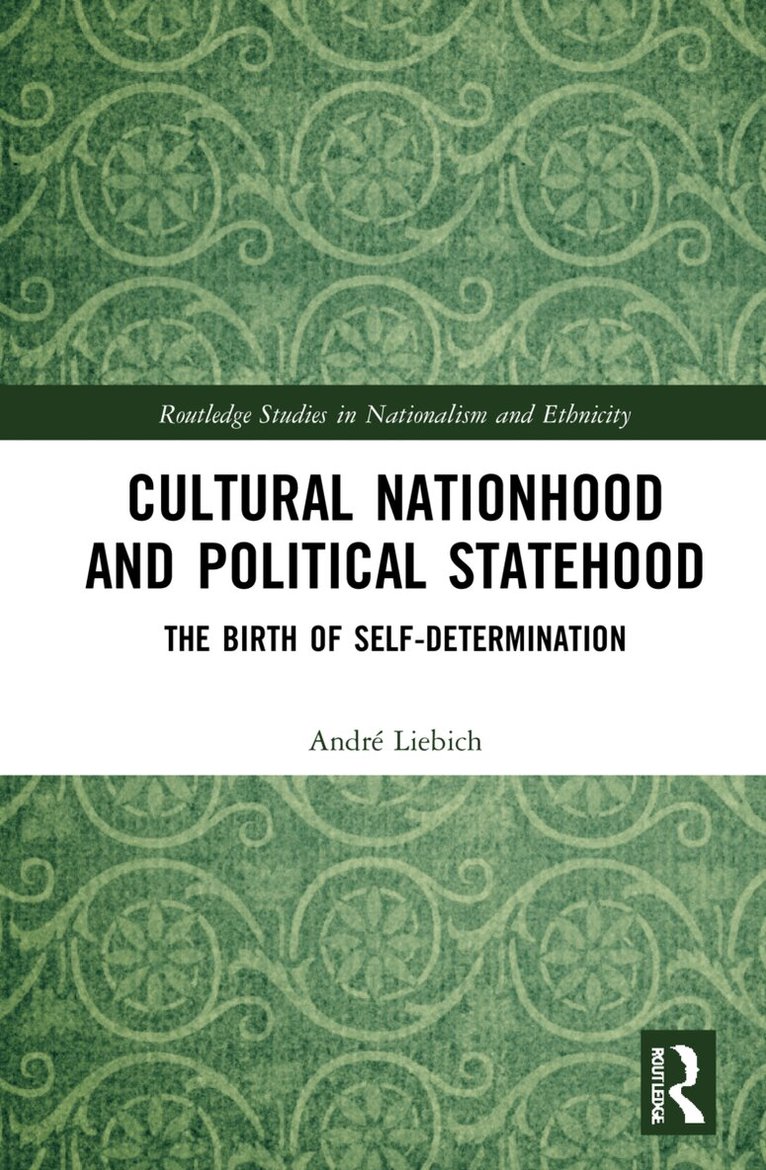
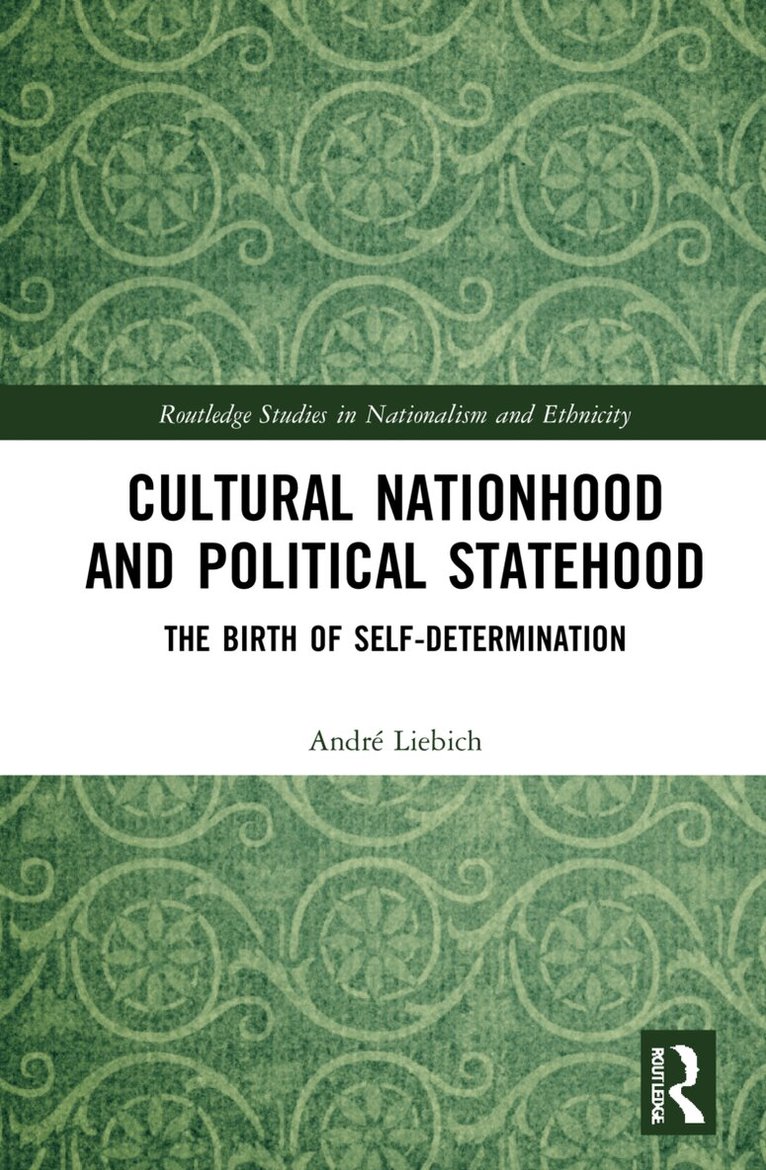
Cultural Nationhood and Political Statehood explores the development of the idea that every nation – most commonly understood as a linguistic community – is entitled to its own state.
Following several contemporary studies of nationalism, this book provides a critical examination of the peculiarly modern concurrence of cultural nations and political states as it developed in the nineteenth and twentieth centuries. The author argues that this is one of the most fateful coincidences of modernity: so firmly engraved in today''s consciousness that most scholars and policymakers assume the correlation of cultural nationhood and political statehood to be intellectually unproblematic, yet the consequences have been overwhelming. The conflation of cultural nation and political state has imposed an isomorphism of language, culture, and politics upon the world. It has pre-determined democratic practice by enforcing the doctrine that the will of the people can only be the will of a people. It has led to the assumption that every nation may become a state. The book’s originality lies in tracing the genesis and the elaboration over time of this curious contemporary assumption.
This thought-provoking book offers an unconventional perspective on the development of nationalism and world history. It will be relevant for upper-level students, scholars, and researchers of European history, nationalism, and self-determination.
838 kr
Läs direkt efter köp
Cultural Nationhood and Political Statehood explores the development of the idea that every nation – most commonly understood as a linguistic community – is entitled to its own state.
Following several contemporary studies of nationalism, this book provides a critical examination of the peculiarly modern concurrence of cultural nations and political states as it developed in the nineteenth and twentieth centuries. The author argues that this is one of the most fateful coincidences of modernity: so firmly engraved in today''s consciousness that most scholars and policymakers assume the correlation of cultural nationhood and political statehood to be intellectually unproblematic, yet the consequences have been overwhelming. The conflation of cultural nation and political state has imposed an isomorphism of language, culture, and politics upon the world. It has pre-determined democratic practice by enforcing the doctrine that the will of the people can only be the will of a people. It has led to the assumption that every nation may become a state. The book’s originality lies in tracing the genesis and the elaboration over time of this curious contemporary assumption.
This thought-provoking book offers an unconventional perspective on the development of nationalism and world history. It will be relevant for upper-level students, scholars, and researchers of European history, nationalism, and self-determination.
2 515 kr
Skickas inom 10-15 vardagar
713 kr
Skickas inom 10-15 vardagar
845 kr
Läs direkt efter köp
871 kr
Läs direkt efter köp
740 kr
Skickas inom 10-15 vardagar
1 351 kr
Skickas inom 10-15 vardagar
1 746 kr
Läs direkt efter köp
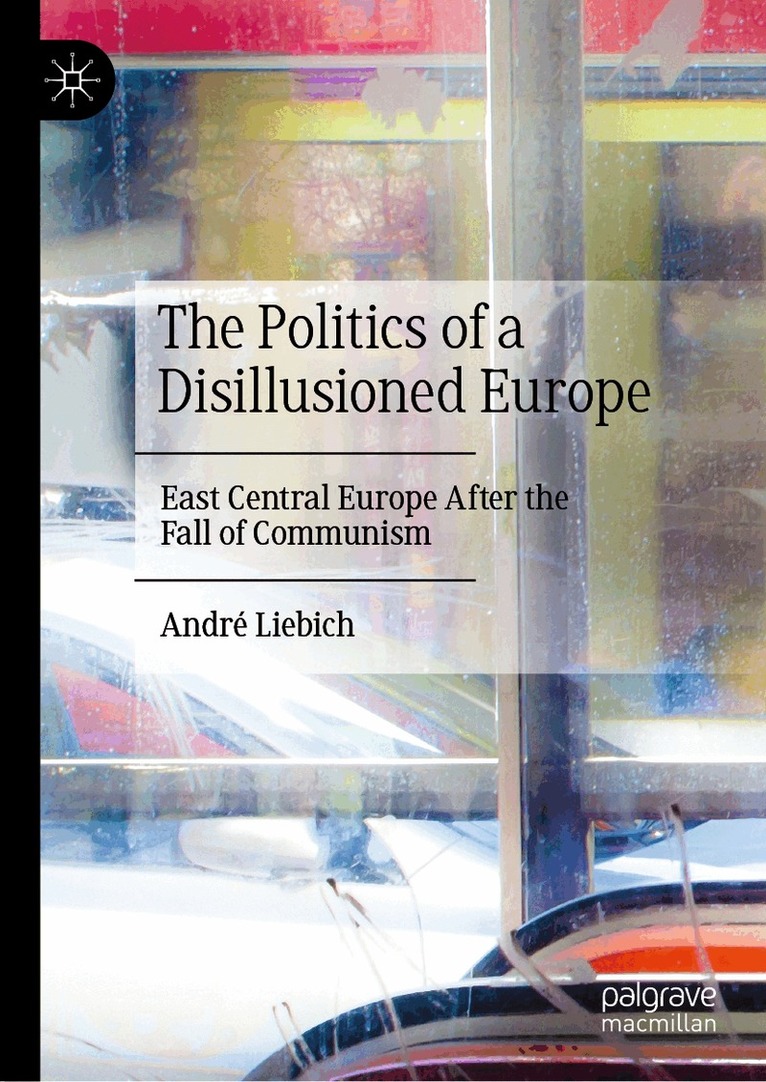
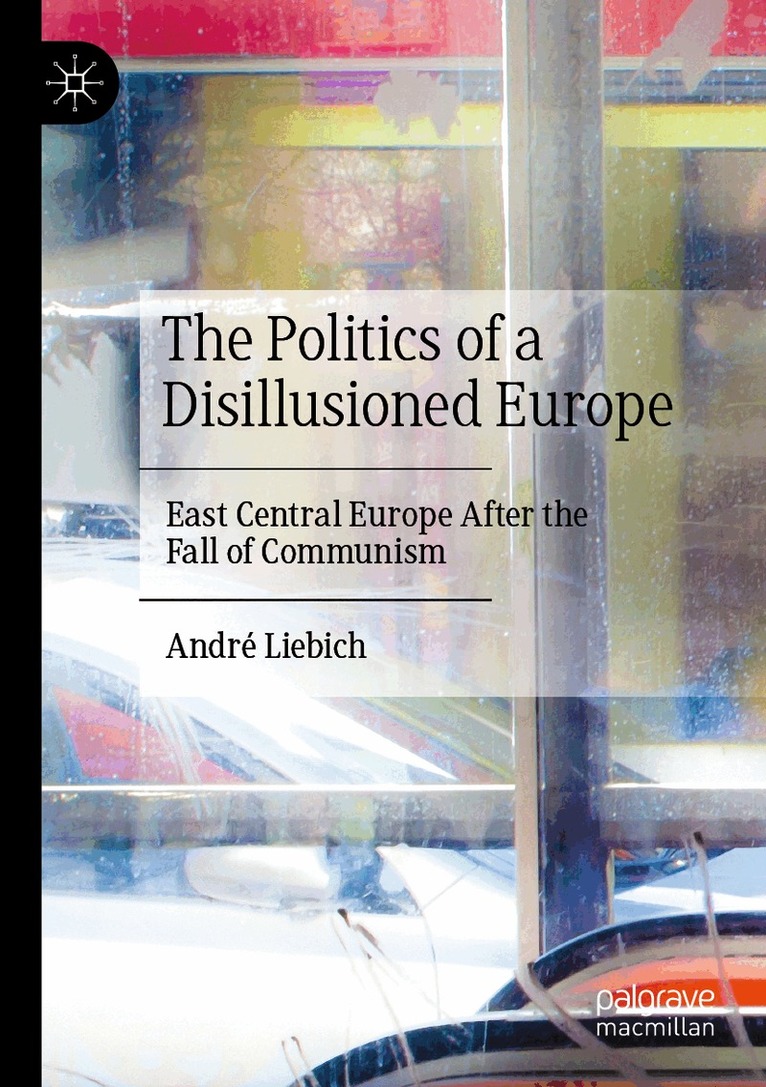
Moving from the fall of the Berlin Wall in 1989 to the present day, this book traces the trajectory of the six East Central European former satellites of the Soviet Union (Poland, Hungary, the Czech Republic, Slovakia, Romania, Bulgaria) that have joined the European Union. It seeks in particular to explain these countries’ disenchantment with the “return to Europe” in spite of their significant advances. The book proceeds country by country and then devotes chapters to some contemporary issues, such as minorities, migration, and the relations of these “new” members with the European Union as a whole. The book eschews theory and is intended for a general audience, including students at all levels in political science and history classes devoted to the EU and to contemporary Europe, and to an academic and practitioner audience interested in world affairs and the evolution of the European Union. The book strives to fill a persistent knowledge gap in the English-speaking world concerning East Central Europe, and to offer fresh insights about the region in the context of contemporary geopolitics.
1 351 kr
Skickas inom 10-15 vardagar
1 284 kr
Skickas inom 7-10 vardagar