2 610 kr
Skickas inom 10-15 vardagar
2 610 kr
Skickas inom 10-15 vardagar
733 kr
Skickas inom 10-15 vardagar
838 kr
Läs direkt efter köp
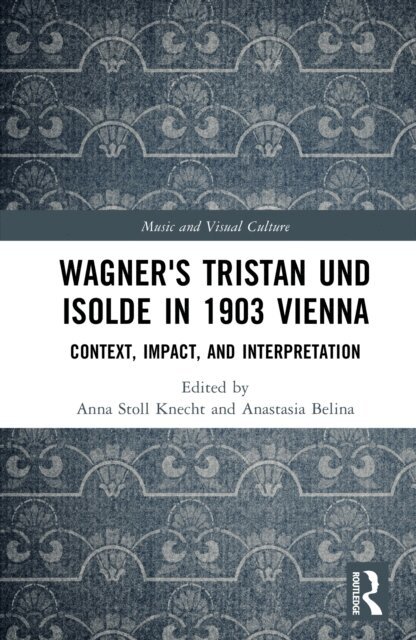
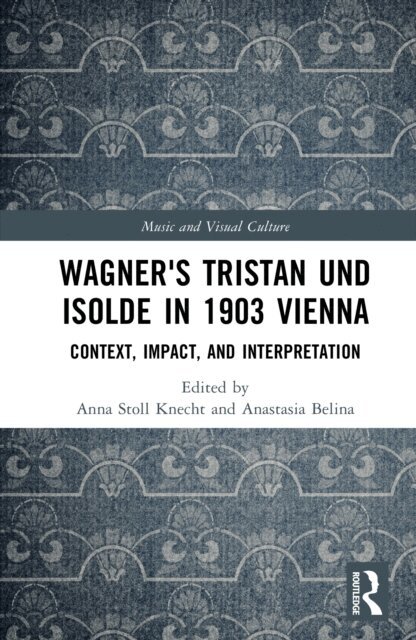
This volume uses the historic staging and legacy of the 1903 production of Richard Wagner''s Tristan und Isolde, directed and conducted by Gustav Mahler, to explore a wide range of interdisciplinary issues in the history of the opera, performance, and the reception and interpretation of Wagner''s work.
The production marked a turning point in twentieth-century opera, as Mahler and the designer Alfred Roller broke with nineteenth-century naturalistic traditions and used new technologies to transform the aural and visual experience of opera. With chapters contributed by scholars from musicology, art history, theatre studies, and other disciplines, this book provides a uniquely multifaceted perspective on Wagner''s opera in the historical setting of the early twentieth century. Chapters in the first part address specific aspects of the 1903 production, including staging, lighting, and performance practice, while the second part sets the production in wider political, artistic, and literary context. Together, they show how the visual and musical elements of the staging interacted to express new artistic philosophies. Enriching our understanding of Wagner, stage history, and the cultural ferment emerging from fin-de-siècle Vienna, this book will be of interest to researchers of music, theatre, and performance studies, and art and cultural history.
856 kr
Läs direkt efter köp
This volume uses the historic staging and legacy of the 1903 production of Richard Wagner''s Tristan und Isolde, directed and conducted by Gustav Mahler, to explore a wide range of interdisciplinary issues in the history of the opera, performance, and the reception and interpretation of Wagner''s work.
The production marked a turning point in twentieth-century opera, as Mahler and the designer Alfred Roller broke with nineteenth-century naturalistic traditions and used new technologies to transform the aural and visual experience of opera. With chapters contributed by scholars from musicology, art history, theatre studies, and other disciplines, this book provides a uniquely multifaceted perspective on Wagner''s opera in the historical setting of the early twentieth century. Chapters in the first part address specific aspects of the 1903 production, including staging, lighting, and performance practice, while the second part sets the production in wider political, artistic, and literary context. Together, they show how the visual and musical elements of the staging interacted to express new artistic philosophies. Enriching our understanding of Wagner, stage history, and the cultural ferment emerging from fin-de-siècle Vienna, this book will be of interest to researchers of music, theatre, and performance studies, and art and cultural history.
1 761 kr
Skickas inom 7-10 vardagar
2 610 kr
Skickas inom 10-15 vardagar
502 kr
Skickas inom 7-10 vardagar
487 kr
Läs direkt efter köp
831 kr
Läs direkt efter köp
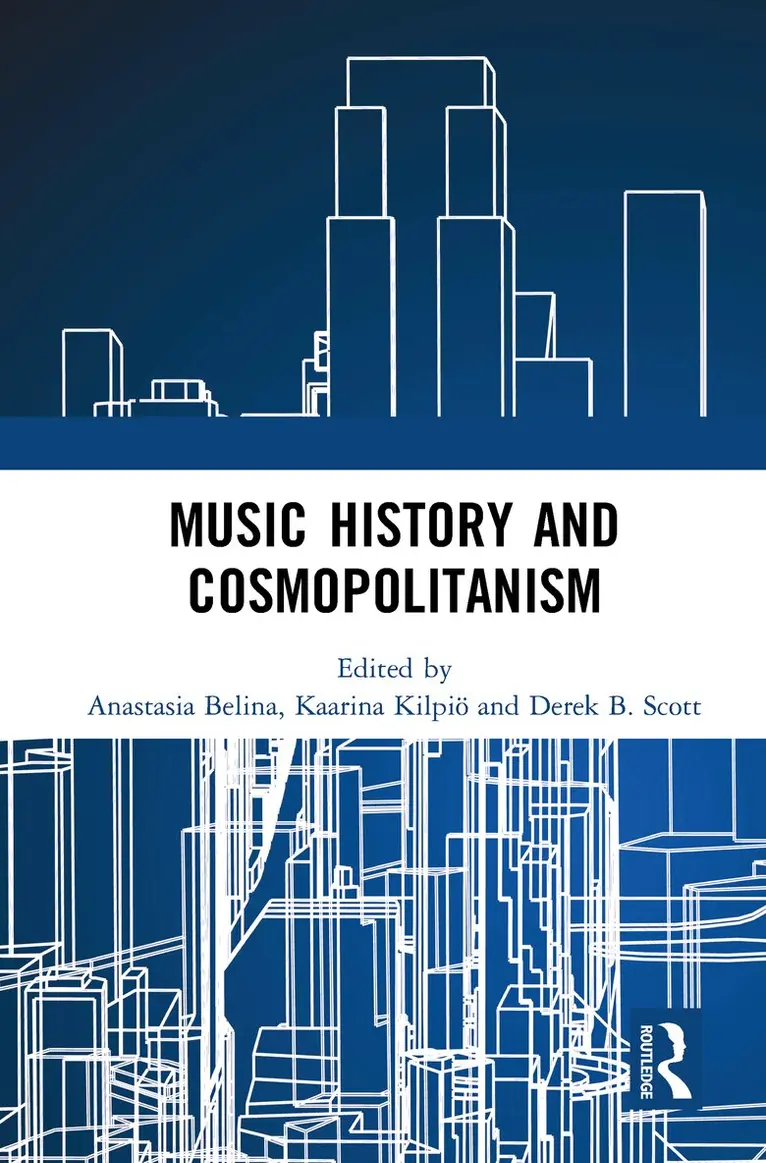
This collection of essays is the first book-length study of music history and cosmopolitanism, and is informed by arguments that culture and identity do not have to be viewed as primarily located in the context of nationalist narratives. Rather than trying to distinguish between a true cosmopolitanism and a false cosmopolitanism, the book presents studies that deepen understanding of the heritage of this concept – the various ways in which the term has been used to describe a wide range of activity and social outlooks. It ranges over a two hundred-year period, and more than a dozen countries, revealing how musicians and audiences have responded to a common humanity by embracing culture beyond regional or national boundaries. Among the various topics investigated are: musical cosmopolitanism among composers in Latin America, the Ottoman Empire, and Austro-Hungarian Empire; cosmopolitan popular music historiography; cosmopolitan musical entrepreneurs; and musical cosmopolitanism in the metropolises of New York and Shanghai.
850 kr
Läs direkt efter köp
This collection of essays is the first book-length study of music history and cosmopolitanism, and is informed by arguments that culture and identity do not have to be viewed as primarily located in the context of nationalist narratives. Rather than trying to distinguish between a true cosmopolitanism and a false cosmopolitanism, the book presents studies that deepen understanding of the heritage of this concept – the various ways in which the term has been used to describe a wide range of activity and social outlooks. It ranges over a two hundred-year period, and more than a dozen countries, revealing how musicians and audiences have responded to a common humanity by embracing culture beyond regional or national boundaries. Among the various topics investigated are: musical cosmopolitanism among composers in Latin America, the Ottoman Empire, and Austro-Hungarian Empire; cosmopolitan popular music historiography; cosmopolitan musical entrepreneurs; and musical cosmopolitanism in the metropolises of New York and Shanghai.