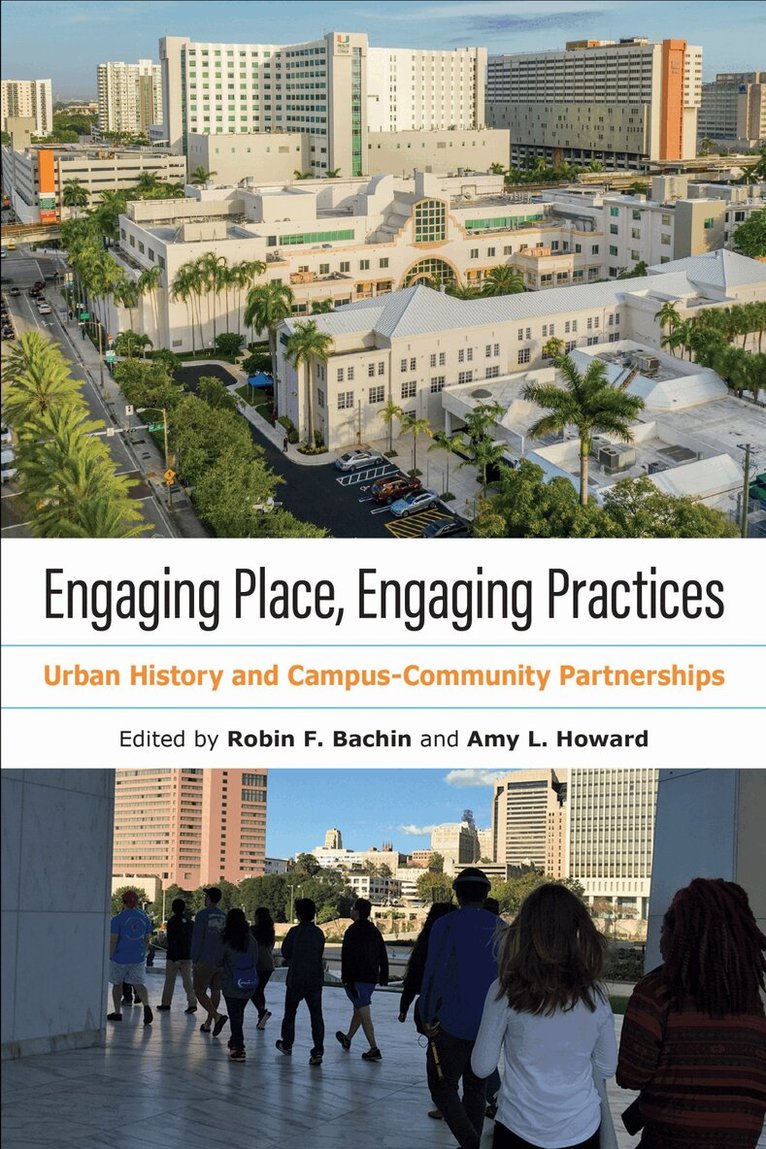
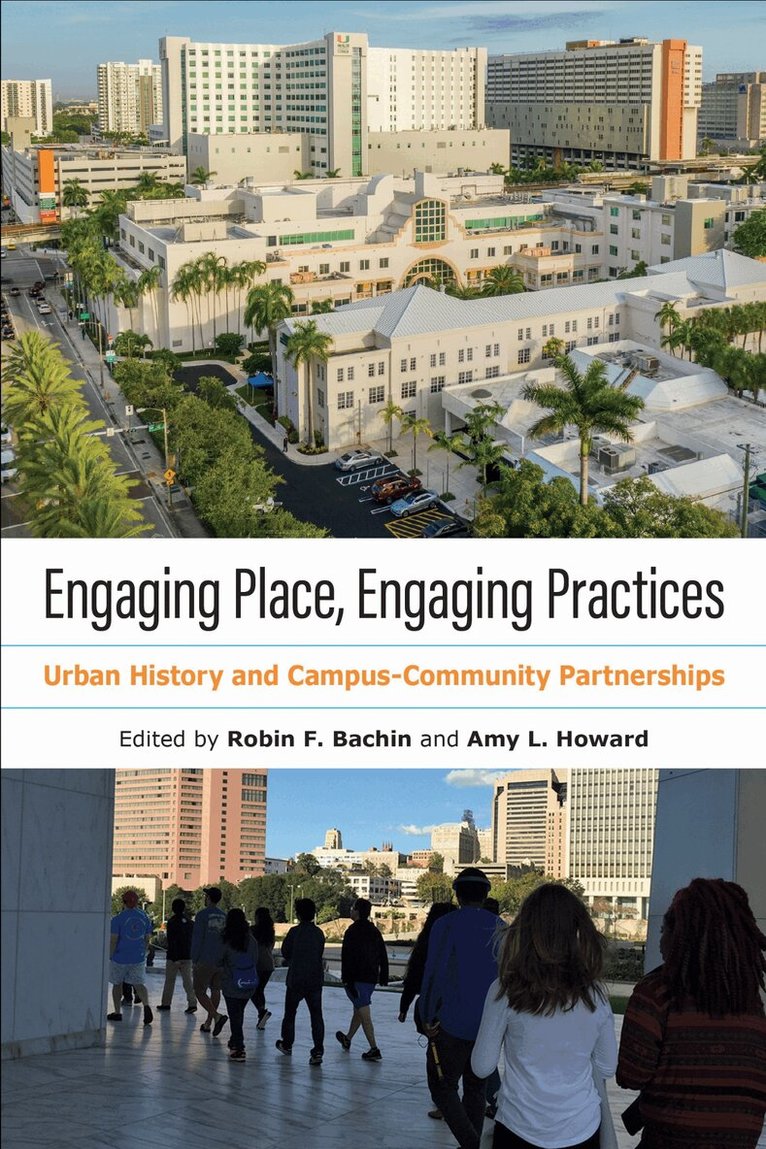
Colleges and universities in urban centers have often leveraged their locales to appeal to students while also taking a more active role in addressing local challenges. They embrace civic engagement, support service-learning, tailor courses to local needs, and even provide university-community collaborations such as lab schools and innovation hubs. Engaging Place, Engaging Practices highlights the significant role the academy, in general, and urban history, in particular, can play in fostering these critical connections.The editors and contributors to this volume address topics ranging from historical injustices and affordable housing and land use to climate change planning and the emergence of digital humanities. These case studies reveal the intricate components of a city’s history and how they provide context and promote a sense of cultural belonging.This timely book appreciates and emphasizes the critical role universities must play as intentional-and humble-partners in addressing the past, present, and future challenges facing cities through democratic community engagement.
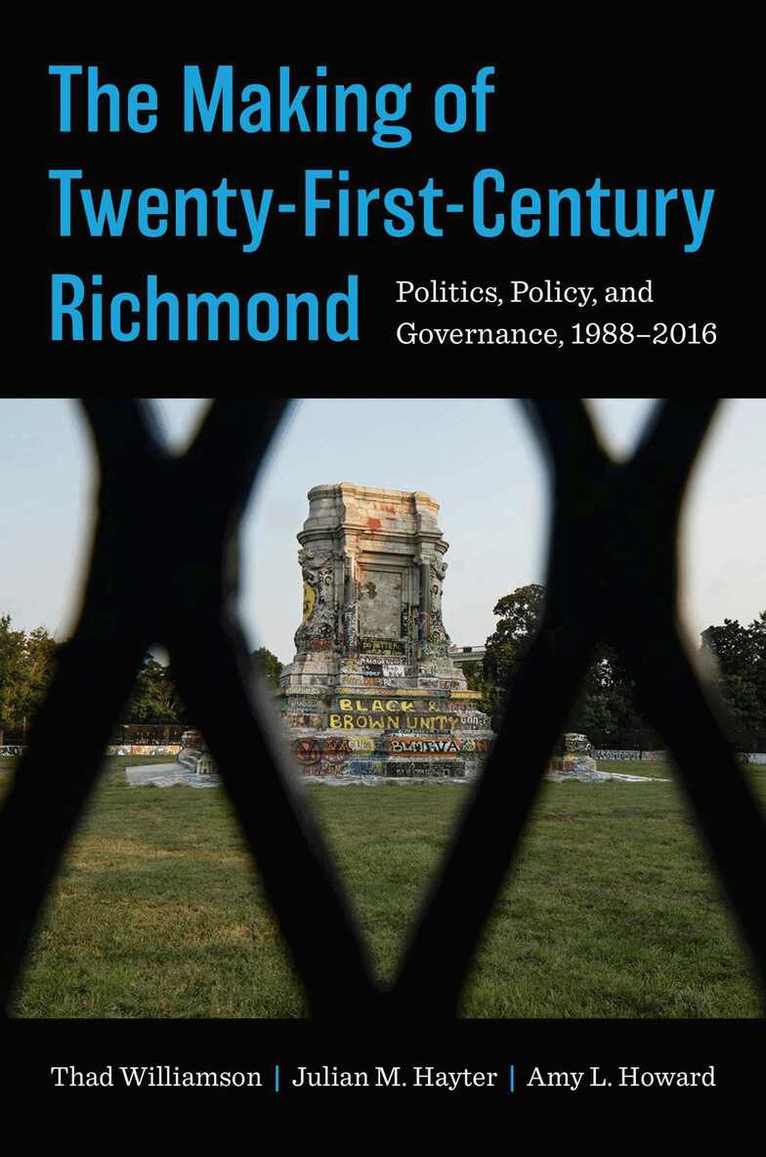
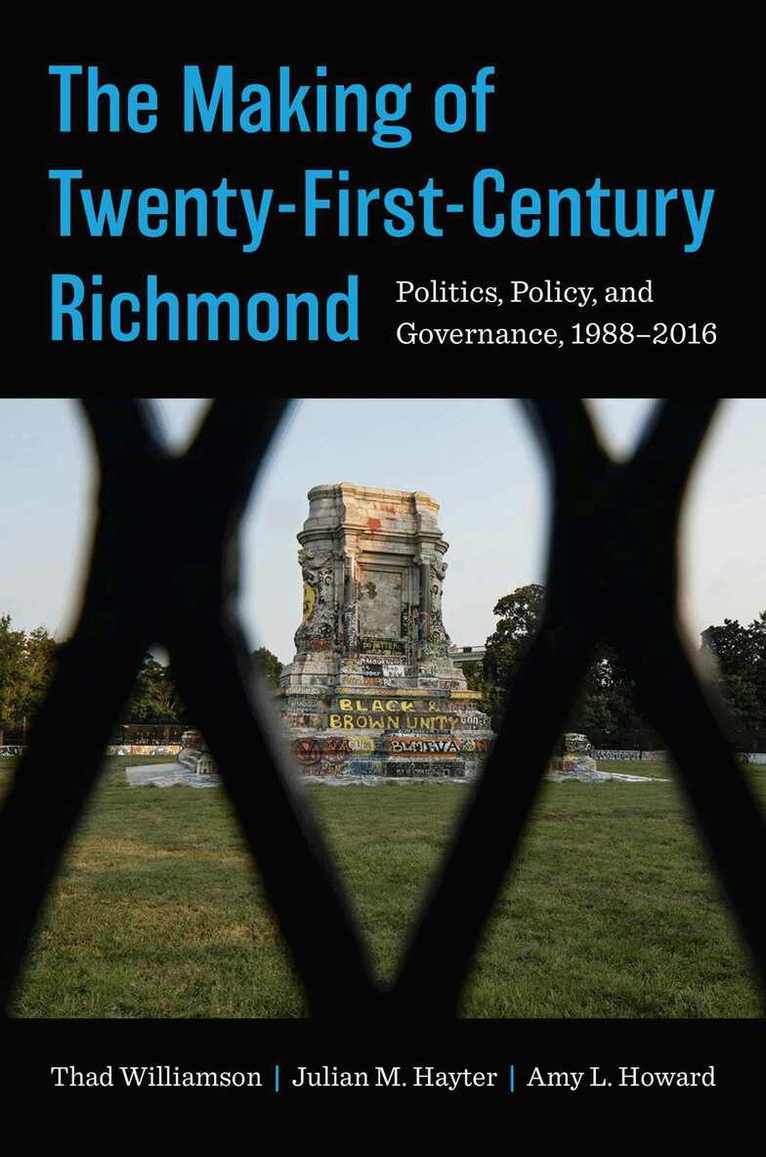
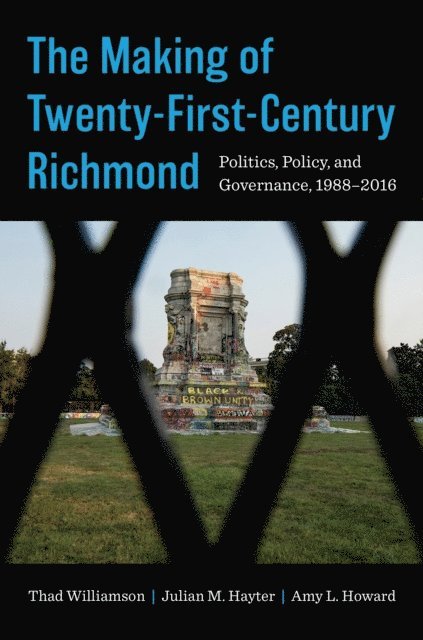
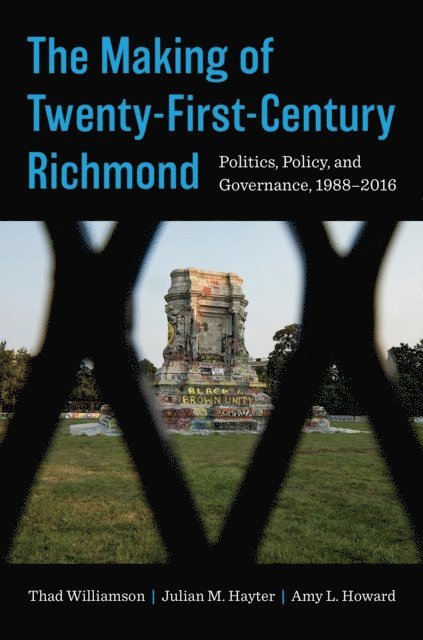
Richmond, Virginia, took center stage globally in the summer of 2020 as an epicenter of antiracist protests in the wake of the police murder of George Floyd. In a period of just a few weeks, overwhelming public support grew for removing Richmond's Confederate monuments. Activists then transformed the remaining statue of Robert E. Lee into a shrine to African American resolve, to the Black Lives Matter movement, and to Black victims of police brutality. Coming to terms with Richmond's tortured racial history, however, is much more difficult than toppling symbols of white supremacy. This book explores these dynamics via a multidisciplinary framework of historical research, public policy analysis, and political analysis, showing the inner dynamics of politics and governance in Richmond. The authors reveal why change and progress has often been so difficult to achieve and why that matters, with a focus on three fundamental policy areas: education, economic development, and housing. The result is a comprehensive assessment of urban governance in a major southern city in the early twenty-first century, as well as an accounting of the policy and human consequences of both its limited successes and its recurring failures.
Richmond, Virginia, took center stage globally in the summer of 2020 as an epicenter of antiracist protests in the wake of the police murder of George Floyd. In a period of just a few weeks, overwhelming public support grew for removing Richmond’s Confederate monuments. Activists then transformed the remaining statue of Robert E. Lee into a shrine to African American resolve, to the Black Lives Matter movement, and to Black victims of police brutality. Coming to terms with Richmond’s tortured racial history, however, is much more difficult than toppling symbols of white supremacy.This book explores these dynamics via a multidisciplinary framework of historical research, public policy analysis, and political analysis, showing the inner dynamics of politics and governance in Richmond. The authors reveal why change and progress has often been so difficult to achieve and why that matters, with a focus on three fundamental policy areas: education, economic development, and housing. The result is a comprehensive assessment of urban governance in a major southern city in the early twenty-first century, as well as an accounting of the policy and human consequences of both its limited successes and its recurring failures.
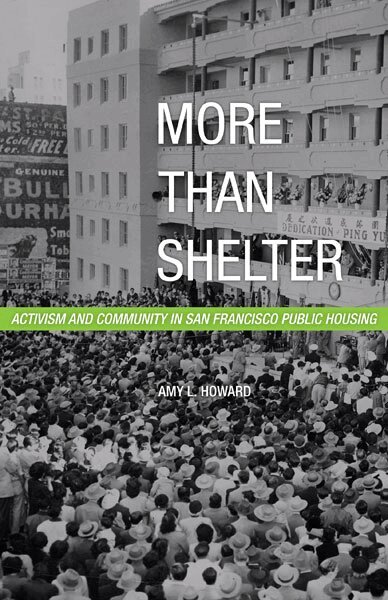
In the popular imagination, public housing tenants are considered, at best, victims of intractable poverty and, at worst, criminals. More Than Shelter makes clear that such limited perspectives do not capture the rich reality of tenants’ active engagement in shaping public housing into communities. By looking closely at three public housing projects in San Francisco, Amy L. Howard brings to light the dramatic measures tenants have taken to create-and sustain and strengthen-communities that mattered to them.More Than Shelter opens with the tumultuous institutional history of the San Francisco Housing Authority, from its inception during the New Deal era, through its repeated leadership failures, to its attempts to boost its credibility in the 1990s. Howard then turns to Valencia Gardens in the Mission District; built in 1943, the project became a perpetually contested and embattled space. Within that space, tenants came together in what Howard calls affective activism-activism focused on intentional relationships and community building that served to fortify residents in the face of shared challenges. Such activism also fueled cross-sector coalition building at Ping Yuen in Chinatown, bringing tenants and organizations together to advocate for and improve public housing. The account of their experience breaks new ground in highlighting the diversity of public housing in more ways than one. The experience of North Beach Place in turn raises questions about the politics of development and redevelopment, in this case, Howard examines activism across generations-first by African Americans seeking to desegregate public housing, then by cross-racial and cross-ethnic tenant groups mobilizing to maintain public housing in the shadow of gentrification.Taken together, the stories Howard tells challenge assumptions about public housing and its tenants-and make way for a broader, more productive and inclusive vision of the public housing program in the United States.