1 883 kr
Skickas inom 3-6 vardagar
1 883 kr
Skickas inom 3-6 vardagar
417 kr
Läs direkt efter köp
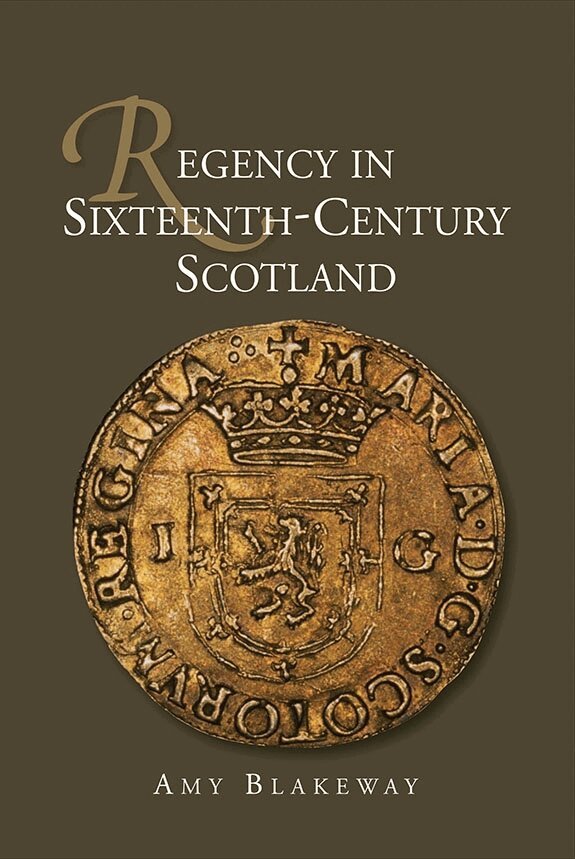
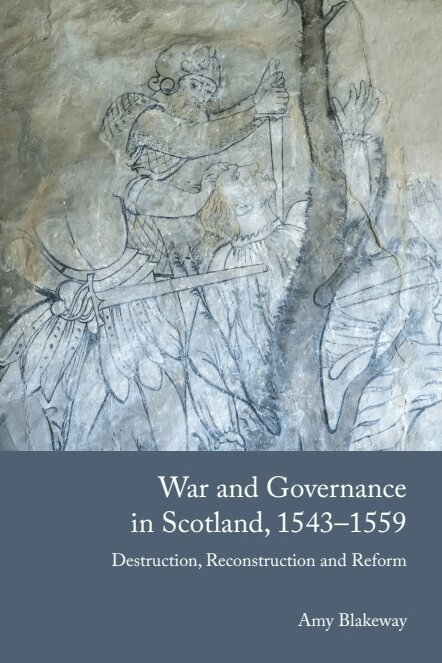
Drawing from local archives alongside national and international records, this book argues that warfare was the defining feature of government and politics in Scotland for the two decades following the death of James V. It demonstrates that beyond the direct effects of invasion, the need to raise unprecedented taxation, as well as warfare’s secondary consequences, such as plague and price inflation, disrupted communities throughout Scotland, engendering enhanced social control. These effects endured for many years after the peace of 1550: new laws were passed to manage those who had collaborated with the invaders and taxation remained high. The post-war decade was one of reconstruction, and it was this which drove religious reformation in 1559-60. The book shows that appreciating the scale of the crown’s ambition places the Scottish state’s development closer to that of its European counterparts.
1 595 kr
Läs direkt efter köp
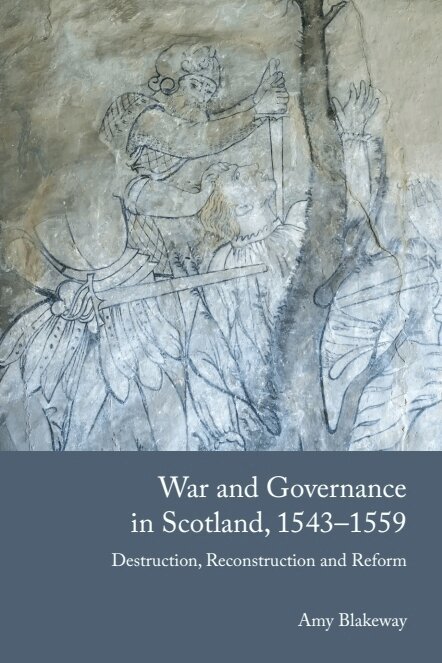
Drawing from local archives alongside national and international records, this book argues that warfare was the defining feature of government and politics in Scotland for the two decades following the death of James V. It demonstrates that beyond the direct effects of invasion, the need to raise unprecedented taxation, as well as warfare’s secondary consequences, such as plague and price inflation, disrupted communities throughout Scotland, engendering enhanced social control. These effects endured for many years after the peace of 1550: new laws were passed to manage those who had collaborated with the invaders and taxation remained high. The post-war decade was one of reconstruction, and it was this which drove religious reformation in 1559-60. The book shows that appreciating the scale of the crown’s ambition places the Scottish state’s development closer to that of its European counterparts.
1 355 kr
Skickas inom 7-10 vardagar
1 364 kr
Skickas inom 10-15 vardagar
1 838 kr
Läs direkt efter köp
This book, based on a fresh understanding of Scottish governmental records rooted in extensive archival research, offers the first study of these important institutions in a period of revived royal authority. The regime which emerges from these records is one which understood the power of consultation, adroitly using a range of groups from full parliaments to conventions of specialists and experts selected to deal with the matter in hand. Policies were crafted through not one single meeting but several types of gathering, ranging from small groups when secrecy was of the essence or complex details required to be hammered out, to elaborate large gatherings when the regime employed a performative strategy to disseminate information or legitimise its policies. Still more impressively, much of this was managed in the King’s absence – James remained at a distance from many of these gatherings, relying on key officials such as the Chancellor or Clerk Register to relay counsel and the royal will. This emphasis on specialised, frequent consultation reflects concurrent developments in the council, whilst relocating debate surrounding the development of state and administrative structures in Scotland traditionally located in the late sixteenth-century into the 1530s. In tackling the development of parliament in Scotland and placing it in its proper context amongst many different forms of consultative meeting this book also speaks to subjects of European-wide concern: how far early modern Parliaments were used to impose or resist religious change, the pace of state formation, monarchical power and relations between monarchs and their subjects.
1 364 kr
Skickas inom 10-15 vardagar