90 kr
Läs direkt efter köp
90 kr
Läs direkt efter köp
91 kr
Läs direkt efter köp
906 kr
Läs direkt efter köp
456 kr
Läs direkt efter köp
456 kr
Läs direkt efter köp
112 kr
Skickas inom 5-8 vardagar
657 kr
Skickas inom 7-10 vardagar
812 kr
Skickas inom 3-6 vardagar
2 923 kr
Skickas inom 7-10 vardagar
1 481 kr
Skickas inom 7-10 vardagar
2 324 kr
Skickas inom 10-15 vardagar
767 kr
Skickas inom 10-15 vardagar
769 kr
Skickas inom 10-15 vardagar
1 302 kr
Skickas inom 7-10 vardagar
569 kr
Skickas inom 7-10 vardagar
740 kr
Läs direkt efter köp
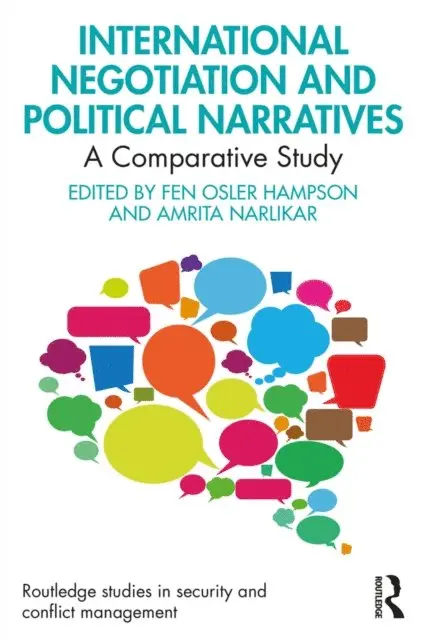
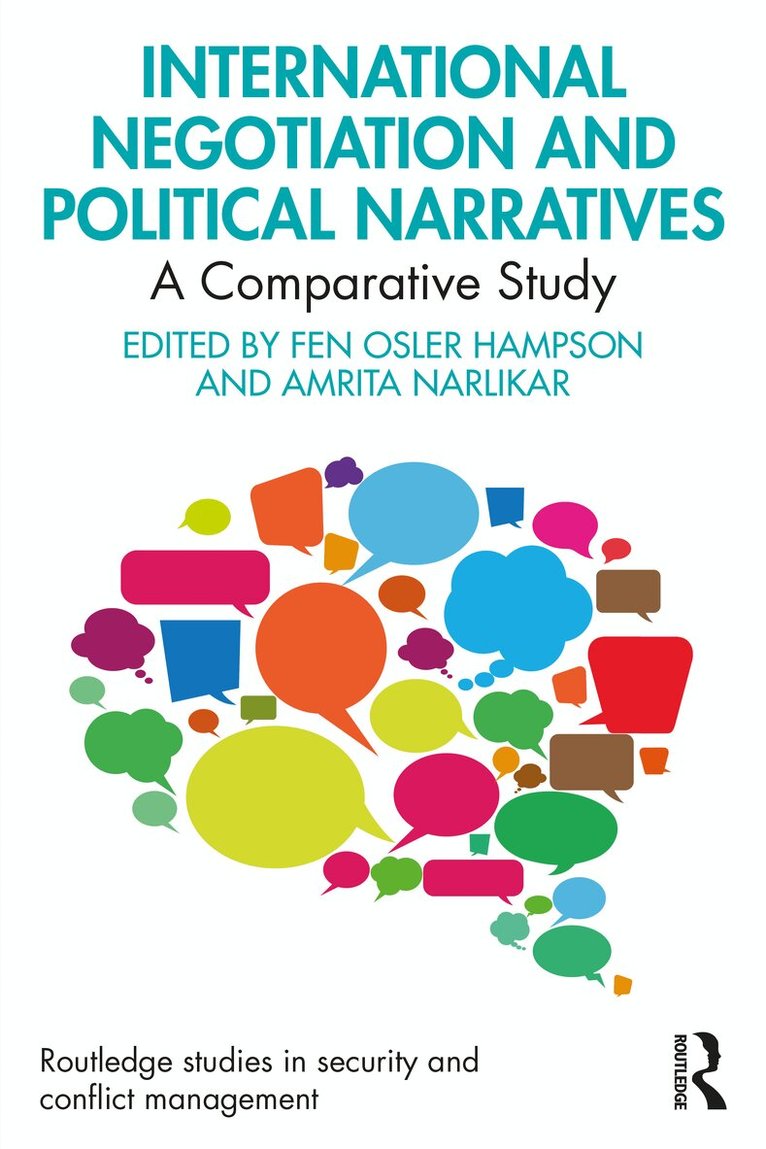
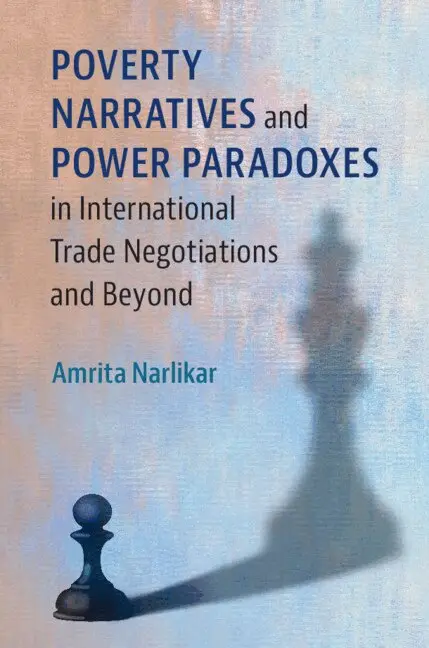
This book shows that political narratives can promote or thwart the prospects for international cooperation and are major factors in international negotiation processes in the 21st century.
In a world that is experiencing waves of right-wing and left-wing populism, international cooperation has become increasingly difficult. This volume focuses on how the intersubjective identities of political parties and narratives shape their respective values, interests and negotiating behaviors and strategies. Through a series of comparative case studies, the book explains how and why narratives contribute to negotiation failure or deadlock in some circumstances and why, in others, they do not because a new narrative that garners public and political support has emerged through the process of negotiation. The book also examines how narratives interact with negotiation principles, and alter the bargaining range of a negotiation, including the ability to make concessions.
This book will be of much interest to students of international negotiation, economics, security studies and international relations.
634 kr
Skickas inom 10-15 vardagar
2 515 kr
Skickas inom 10-15 vardagar
642 kr
Skickas inom 10-15 vardagar
463 kr
Läs direkt efter köp
470 kr
Läs direkt efter köp
484 kr
Skickas inom 7-10 vardagar
1 423 kr
Skickas inom 7-10 vardagar
864 kr
Läs direkt efter köp
A keen analysis of how and why countries bargain together in groups in world affairs, and why such coalitions are crucial to individual developing nations. It also reveals the effects these negotiating blocs are having on world affairs.
Successful coalition building has proven to be a difficult and expensive process. Allies are often not obvious and need to be carefully identified. Large numbers do not necessarily entail a proportionate increase in influence. And the weak have the choice of teaming up against or jumping on the bandwagon with the strong. Even after it has been organised, collective action entails costs of many kinds.
This book investigates the relevance and workability of coalitions as instruments of bargaining power for the weak. More specifically, this analyzes the coalition strategies of developing countries at the inter-state level, particularly in the context of international trade.
Given the nature of this enquiry, this new study uses theoretical and empirical methods to complement each other. The theoretical approach draws from a plethora of writings: formal theories of clubs and coalitions, theories of domestic political economy and theories of international relations. The empirical analysis of comparable coalitions becomes necessary to assist in this theorising, so the greater part of the book focuses mainly (though not exclusively) on coalitions involving developing countries on the issue-area of trade in services. Through the case-studies of the Uruguay Round and an analytical overview of more recent coalitions, this text fills an important gap in the literature of international political economy and international relations where most GATT/WTO-based coalitions have eluded record.
This book will be of great interest to all students of international relations, politics and globalization.
762 kr
Läs direkt efter köp
This book addresses the puzzle, Can David take on Goliath in multilateral economic negotiations, and if so, then under what conditions? The question of how the weak bargain with the strong in international politics is exciting theoretically and empirically. In a world of ever-increasing interdependence, and also a time of economic crisis, it acquires even greater significance. With the help of issue-specific case studies, the volume offers new insights into the vulnerabilities that small states face in multilateral economic negotiations, and also mechanisms whereby these weaknesses might be overcome and even used as an advantage. The attention that this volume pays to questions of smallness and negotiation allow it to address a long-standing problem of international politics. The case studies, which cover monetary, financial, trade, and climate change negotiations, ensure a unique and valuable topicality to the volume.
This book was published as a special issue of The Round Table.
740 kr
Läs direkt efter köp
This book addresses the puzzle, Can David take on Goliath in multilateral economic negotiations, and if so, then under what conditions? The question of how the weak bargain with the strong in international politics is exciting theoretically and empirically. In a world of ever-increasing interdependence, and also a time of economic crisis, it acquires even greater significance. With the help of issue-specific case studies, the volume offers new insights into the vulnerabilities that small states face in multilateral economic negotiations, and also mechanisms whereby these weaknesses might be overcome and even used as an advantage. The attention that this volume pays to questions of smallness and negotiation allow it to address a long-standing problem of international politics. The case studies, which cover monetary, financial, trade, and climate change negotiations, ensure a unique and valuable topicality to the volume.
This book was published as a special issue of The Round Table.
520 kr
Skickas inom 7-10 vardagar