Nigeria! Why? Chhobis world is turned upside down when her husband has to suddenly move to what she had heard as the crime, strife and disease-ridden dystopia of West Africa. What she finds when she gets there challenges her in more ways than she ever imagined. From coquettish, vivacious maids to kidnappers who werent bereft of all humaneness, she finds a land where the hardships of everyday life can scarcely hide an indomitably exuberant human spirit.In Dusky Dawn, Amrita paints a beautiful picture of modern urban Nigerian society through the eyes of an expat, describing her journey from one of ignorant despair to grateful and beholden to Nigerians. Her stories, albeit fictionalized, draw inspiration from the everyday realities of Nigerian lifethe ubiquitousness of the chaos and clutter in the fastest-growing large economy of the African continent and surviving and triumphing in the midst of it. It is a book about how joy, laughter, and happiness are so easily found in places where it would seem impossible to those uninformed of the Nigerian character. It speaks of a land where the beautiful dawn can, at any moment, turn dark by the terror of gunfire; but where also, in the darkest hour of night, hostages may find compassion in dreaded kidnappers.
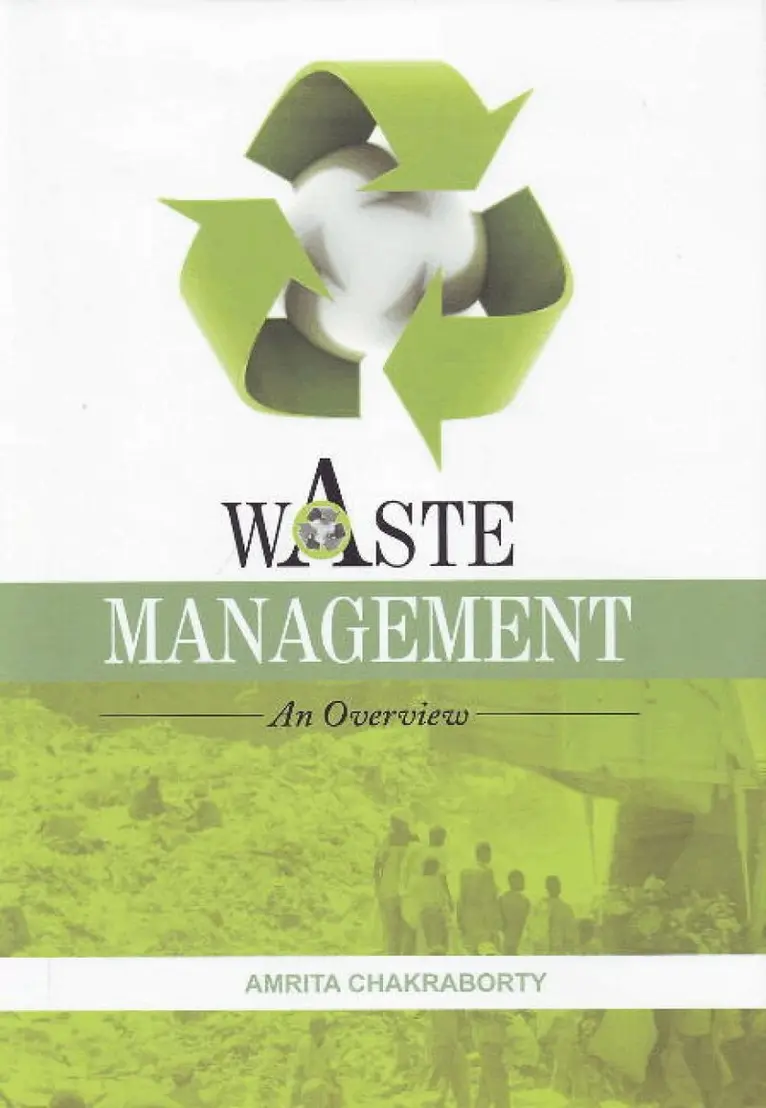
An efficient use of resources and an effective management of waste are essential features of an environmentally sustainable economy. However, in many developing countries, waste management facilities are both inefficient and insufficient. Some of the broad causes of sub-optimal waste management in developing countries, like those in South Asia are poor existing disposal systems as well as lack of awareness of the environmental externalities. The pertinent question, then, is -- what is so worrisome about inefficient and undeveloped waste management systems? The answer is that they cause major damages to the environment, which, in turn, causes health hazards. The fast pace of economic growth and the consequent changes in the standard of living, on the one hand, and population growth, on the other, have led to increasing volumes of waste at an alarming rate. Due to lack of awareness amongst the masses in most developing countries, management of waste is very difficult. Much of this waste has proved to be extremely toxic. The latest scientific assessment report of the Intergovernmental Panel on Climate Change (IPCC) issued in Paris on 2 February 2007 blames humans squarely for environmental damages, like global warming, sea level rise, changing weather patterns (including severity of storms/cyclones) and freak weather in many parts of the globe. Detrimental consequences of being lax with waste management impacts human health adversely and, in the final count, any negative impact on human capital impedes development of society. However, it is important to remember that though waste has a deleterious impact on the environment at global and local levels and immediate steps have to be taken to implement effective waste management methods, it is also important to remember that waste contains resources, which can be reused or recycled to deliver economic value, resulting in greater resource efficiency.
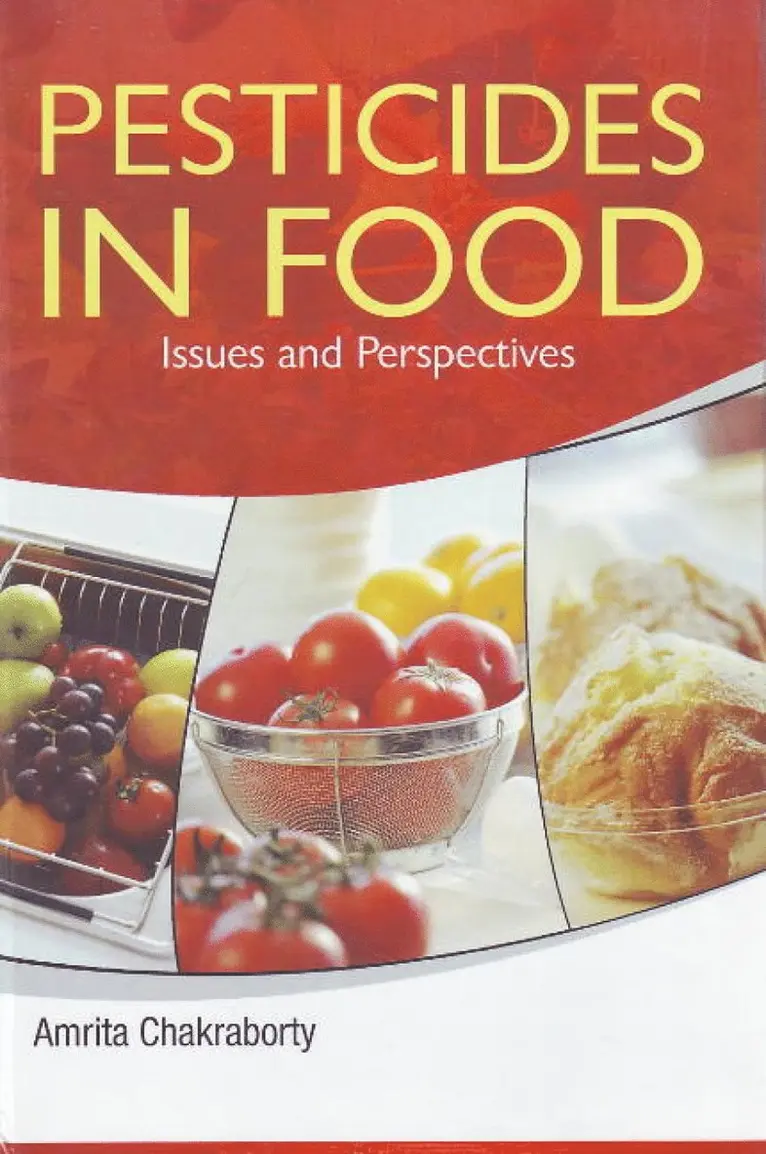
Agrochemicals are an essential requirement to boost farm productivity. They also ensure crop quality. As a consequence, we cannot wish away the use of agrochemicals in our food crops, fruits, vegetables etc. Therefore, the entire food basket is also a basket of pesticides, because none of the mass consumption vegetables and fruits grown today anywhere in the world is without extensive use of agrochemicals at some stage of production and/or shipment. Further, in heavily populated, developing countries, one has to coax the land to feed the growing number of mouths. Enhancing land productivity is a constant worry and the usage of agrochemicals is quite steep. Therefore, there is a trade-off between land productivity and risk from the amount of pesticide usage/residues in food crops/plants. And there is a need to be realistic, while being careful. Agrochemicals' residue in food and food safety is an all pervading issue in several countries today that affects everybody's lives. This book is an eye-opener, detailing contamination in our food basket with accounts of Acceptable Daily Intake (ADI) norms, toxicological thresholds and notable experiences. It promotes an awareness of the agrochemicals-food safety debate. The objective of the book is to provide information about the agrochemicals-food safety debate, giving accounts of ADI norms, toxicological thresholds and notable experiences to enable percolation of learning lessons. It is also an attempt to circulate amongst a larger group of readers a collection of contemporary research and cases of the impact of agrochemicals on the entire food basket.
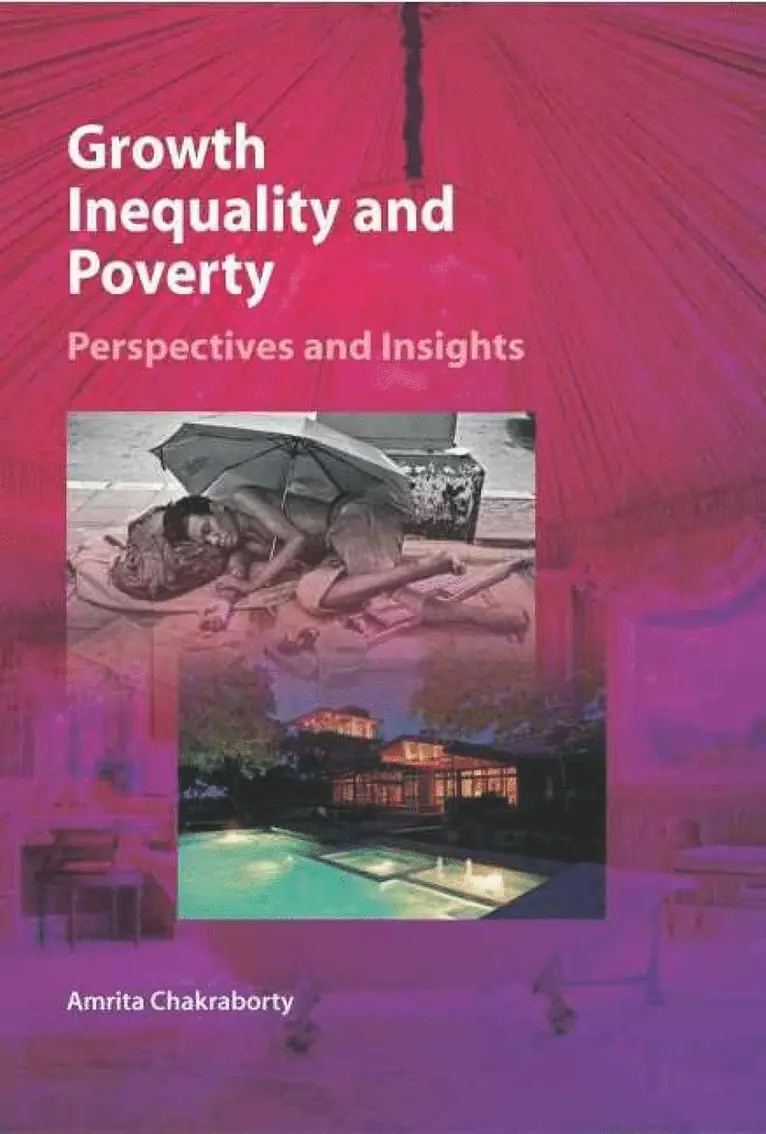
Towards the close of the millennium, several developing countries started seeing economic gains hitherto not experienced. Economic gains have taken place, in terms of a bigger basket of goods and services resulting from growth, reforms, liberalisation and globalisation. But what have been the social effects in terms of poverty and inequality? Have the goodies from the bigger basket of goods and services trickled to the poor or have the rich cornered most of them? Is rapid economic growth the perfect panacea for improving the lot of the people of poorer countries? Rapid economic growth and the associated processes of liberalisation and globalisation have had their share of negative fallout, too. Joseph Stiglitz, the Nobel prize winner for economics in 2001 has said that it is "creating rich countries with poor people". Surely, such an observation cannot be made, unless there have been experiences, where countries have shown impressive growth but, where a lot of their people have been marginalised by some who have prospered at their cost. Recent economic history has shown that countries and communities within countries, with similar growth rates can have very different degrees of success in connecting growth to the poor and translating it into sustained poverty reduction. A -- What allows growth to reduce poverty more in some countries than in others? B -- How can the poor best connect to, participate in, and benefit from economic growth? -- "connecting the poor to economic growth: eight key questions health, and other social programs in virtually all countries; yet, poverty and high inequality remained deeply entrenched. This book delves into the recent linkage (or the lack of it) between economic growth and poverty in the developing world and discusses conditions that link them (or keep them apart). It prods the readers to revisit the growth-poverty experiences as witnessed in recent times, in several parts of the developing world.