
Inbunden, Engelska, 2027
1 049 kr
Kommande
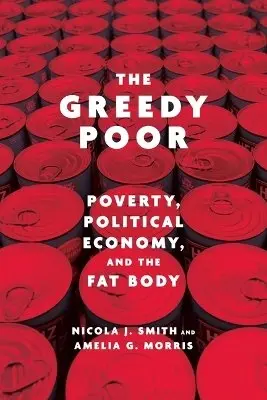
How anti-fatness and welfare stigma have been weaponized against the poorNow proclaimed to have overtaken hunger as the hallmark of poverty globally, obesity is widely presented as a profound threat to the health of individuals, populations, and even national economies. In The Greedy Poor, Nicola J. Smith and Amelia G. Morris explore the origins of this prevailing narrative, arguing that it is not obesity itself, but the harmful political, economic, and cultural discourses surrounding obesity that perpetuate poverty and inequality.Bringing together political economy, feminist, and queer insights, Smith and Morris explore how the governance of poverty and obesity has evolved over time. To chart the changing shape of body politics, they draw on deep archival research based in Britain, one of the most economically unequal of the world's wealthy nations. Changing forms of governmental regulation like welfare support and "feed the poor" initiatives show us how poverty and obesity were reframed as matters of moral and individual failing. Meanwhile, neoliberal policies and austerity measures depicted the state as fat, bloated, and in need of "trimming down."Ultimately, Smith and Morris examine "fatness" as a complicated social, political, and economic construct, one that transcends the superficial questions of body size, weight, and dieting that permeate our culture. The Greedy Poor reveals how the fat, poor body has not only become increasingly politicized, but also weaponized to perpetuate poverty, inequality, and economic injustice.