Inbunden, Engelska, 2011
1 156 kr
Skickas inom 7-10 vardagar
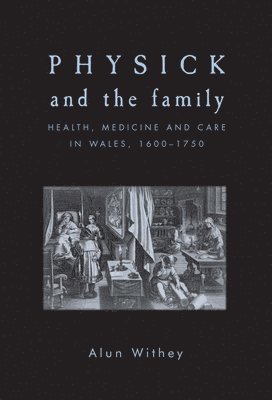
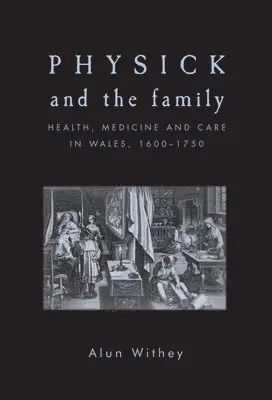
Physick and the family offers new insights into the early modern sickness experience, through a study of the medical history of Wales. This first ever monograph of early modern Welsh medicine utilises a large body of newly discovered source material, numerous approaches and methodologies and makes a significant contribution to debates in medical history; including economies of knowledge, domestic medicine and care, material culture and the rural medical marketplace. Drawing on sources from probates to parish records, diaries to domestic remedy collections, Withey offers new directions for recovering the often obscure medical worldview of the ‘ordinary’ person.This innovative study will appeal to anyone interested in the social history of the early modern period. Its multi-disciplinary approach will appeal to a broad spectrum of academics and scholars, and will enhance a range of courses and modules both in medical history and in social history more widely.