264 kr
Skickas inom 7-10 vardagar
264 kr
Skickas inom 7-10 vardagar
205 kr
Läs direkt efter köp
194 kr
Skickas
225 kr
Skickas
160 kr
Skickas
191 kr
Skickas
108 kr
Läs direkt efter köp
274 kr
Skickas inom 3-6 vardagar
44 kr
Läs direkt efter köp
147 kr
Läs direkt efter köp
121 kr
Läs direkt efter köp
260 kr
Läs direkt efter köp
45 kr
Läs direkt efter köp
The life of Henry Kissinger seen through one seminal year - 1973.''In his masterly new book, distinguished historian Sir Alistair Horne spotlights the man at the epicentre of the events that shook the decade'' Andrew Roberts''Compelling ... brilliantly analysed ... the fascinating story is retold with vigour and shrewdness'' DAILY TELEGRAPH''A fun and lively book: at its best, it casts new light on the peculiar relationship between Nixon and Kissinger, the ultimate "odd couple" '' SUNDAY TIMES1973 was a seminal year in world history. The outbreak of the ''Yom Kippur War'' took both Israel and the US by surprise, the Vietnam War finally ended, it was the year of détente with the Soviet Union, but the US executive was in a state of collapse following Watergate, and the year ended with the Muslim-initiated energy crisis, which brought the Western world to the brink of economic disaster - a story of deepest relevance today.This book is the biography of Kissinger - the first he has authorised - viewed through the events of this crucial year. A story of his extraordinarily imaginative aims, his near successes, and, as he admits, his ultimate failures.
44 kr
Läs direkt efter köp
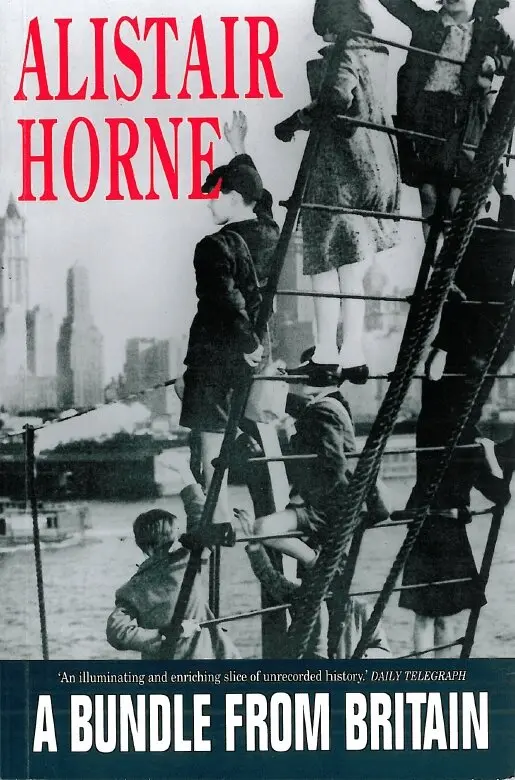
This wonderfully entertaining journey takes us from Alistair Horne''s childhood as a wartime evacuee in America to his career as a highly successful historian and biographer, via a stint as a foreign correspondent for the Daily Telegraph. We travel with him from Germany to America, from Canada to France, from Latin America to the Middle East.
A consummate biographer, the pages of Horne''s ''Literary Vagabondage'' abound with vivid character sketches of the friends and foes that have shaped his life.
45 kr
Läs direkt efter köp
Alistair Horne has been a close observer of war and history for more than fifty years. In this wise and masterly work, he revisits six battles that changed the course of the twentieth century and reveals the one trait that links them all: hubris. From the Battle of Tsushima in the Russo-Japanese War of 1905 to Hitler''s 1941 bid to capture Moscow, and from the disastrous American advance in Korea to the French surrender at Dien Bien Phu, Horne shows how each of these battles was won or lost due to excessive hubris on one side or the other.A dramatic, colourful and stylishly written history, HUBRIS is an essential reflection on war from a master of his field.
141 kr
Läs direkt efter köp
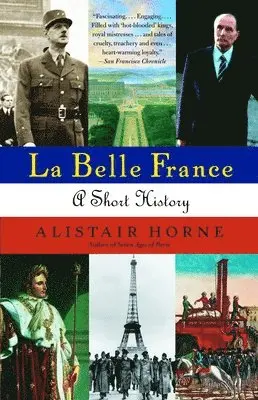
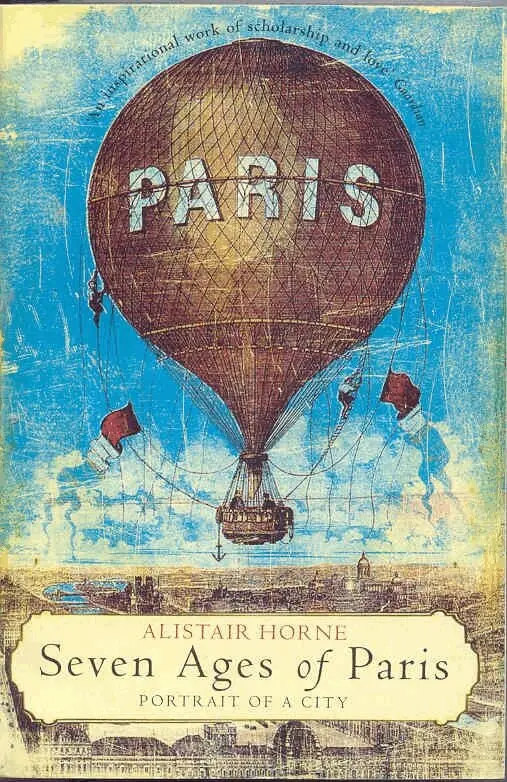
"A useful and charming introduction to a nation that has oh-so-definitely helped make the modern world what it is... Horne does a service in helping the reading navigate the complexities of French history." —Los Angeles TimesFrom the aclaimed British historian and author of Seven Ages of Paris comes a sweeping, grand narrative written with all the verve, erudition, and vividness that are his hallmarks. It recounts the hugely absorbing story of the country that has contributed to the world so much talent, style, and political innovation.
Beginning with Julius Caesar’s division of Gaul into three parts, Horne leads us through the ages from Charlemagne to Chirac, touring battlefields from the Hundred Years’ War to Indochina and Algeria, and giving us luminous portraits of the nation’s leaders, philosophers, writers, artists, and composers. This is a captivating, beautifully illustrated, and comprehensive yet concise history of France.
305 kr
Skickas inom 3-6 vardagar
308 kr
Skickas inom 3-6 vardagar
325 kr
Skickas inom 3-6 vardagar
146 kr
Läs direkt efter köp
173 kr
Läs direkt efter köp
157 kr
Läs direkt efter köp
188 kr
Läs direkt efter köp
142 kr
Läs direkt efter köp
188 kr
Läs direkt efter köp
205 kr
Läs direkt efter köp
242 kr
Skickas inom 7-10 vardagar
237 kr
Skickas inom 7-10 vardagar
572 kr
Lyssna direkt efter köp
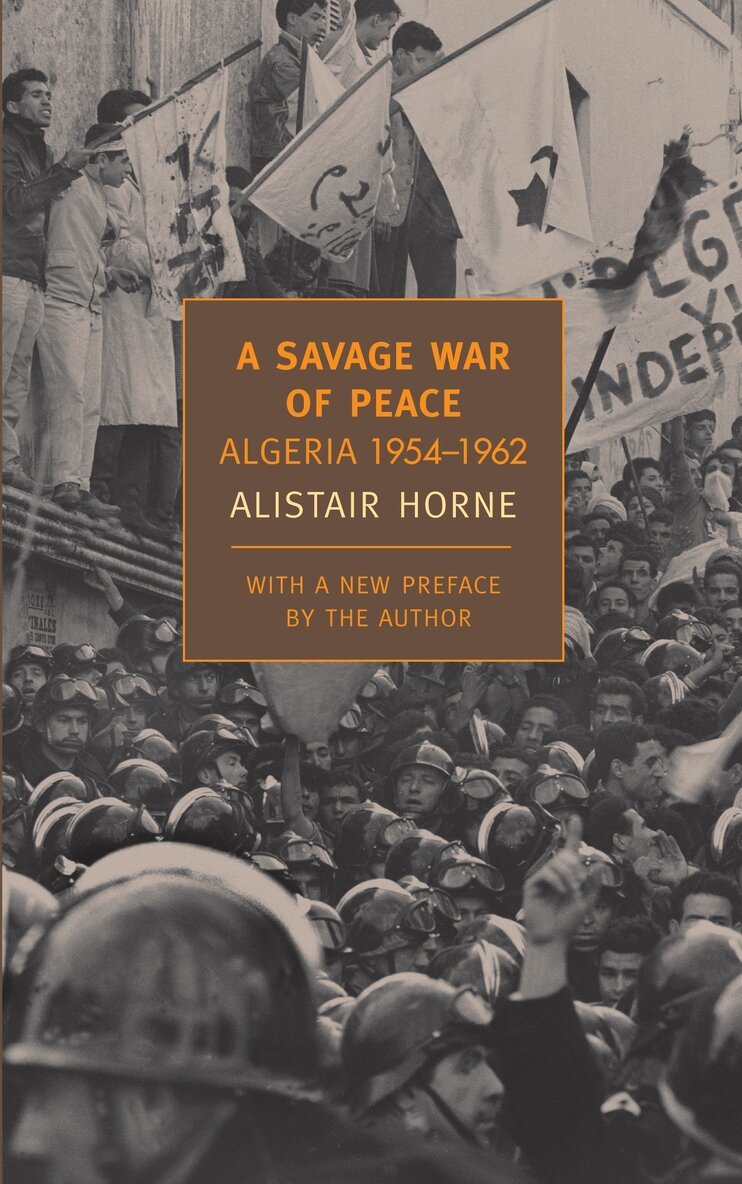
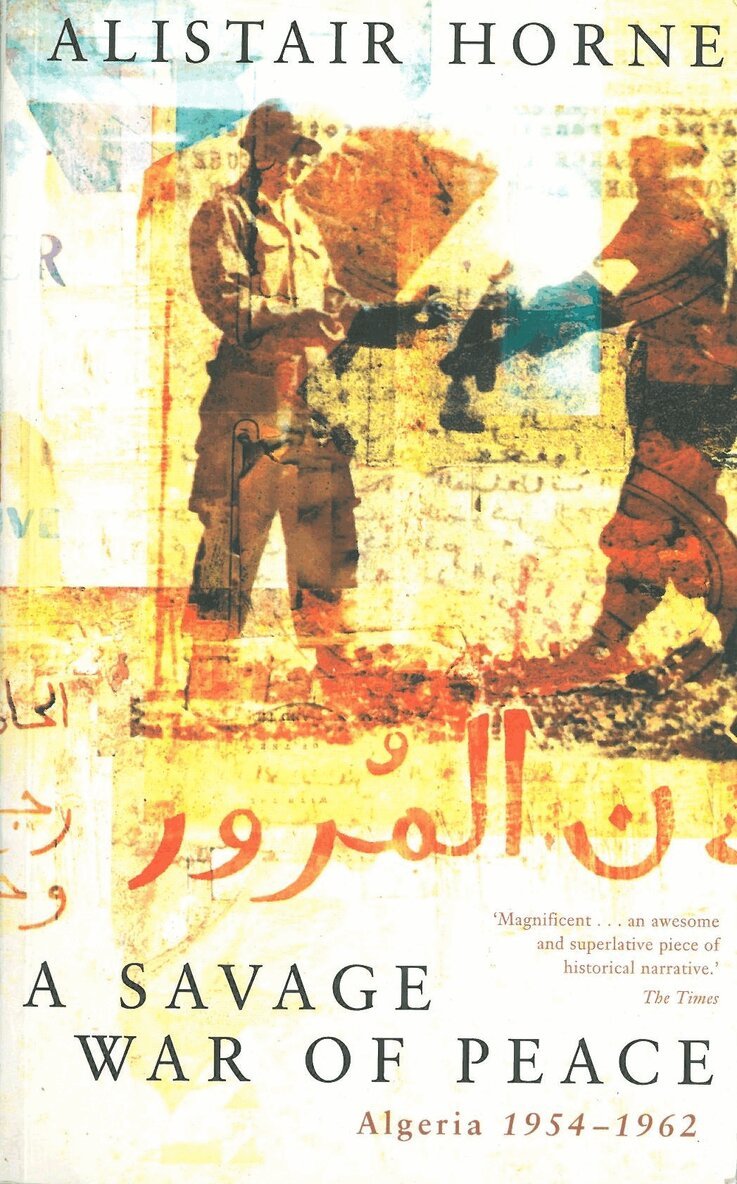
The Algerian War lasted from 1954 to 1962. It brought down six French governments, led to the collapse of the Fourth Republic, returned de Gaulle to power, and came close to provoking a civil war on French soil. More than a million Muslim Algerians died in the conflict, and as many European settlers were driven into exile. Above all, the war was marked by an unholy marriage of revolutionary terror and repressive torture. Nearly half a century has passed since this savagely fought war ended in Algeria’s independence, and yet its repercussions continue to be felt not only in Algeria and France but throughout the world. Indeed, from today’s vantage point the Algerian War looks like a full-dress rehearsal for the sort of amorphous struggle that convulsed the Balkans in the 1990s and that now ravages the Middle East, from Beirut to Baghdad—struggles in which questions of religion, nationalism, imperialism, and terrorism take on a new and increasingly lethal intensity. A Savage War of Peace is the definitive history of the Algerian War, a book that brings that terrible and complicated struggle to life with intelligence, assurance, and unflagging momentum. It is essential reading for our own violent times as well as a lasting monument to the historian’s art.
51 kr
Läs direkt efter köp
Britain''s premier historian on France from Caesar to Mitterrand - to coincide with the centenary of the Entente CordialeA century after the Entente Cordiale ended centuries of war and enmity between France and Britain, and two hundred years after the coronation of Britain''s deadly enemy, Napoleon Bonaparte, as Emperor, Alistair Horne contemplates two thousand years of France.The Entente Cordiale meant different things to the signatories. For France it meant, quite simply, the certainty at last of an ally who would counter-balance the dread power of Kaiser Wilhelm II''s vast and menacing Reich on her doorstep. For Britain the Entente signified an end to centuries of conflict with France, but it also meant inevitable involvement in a major European war. The modern rift over the Iraq war has emphasized once again that a slim channel of water may be all that separates the countries physically, but in temperament, in attitudes, in life generally -- and, particularly, in history itself -- the differences remain fundamental, and intense.