Return of Lucretius to Renaissance Florence
443 kr
Skickas inom 7-10 vardagar
443 kr
Skickas inom 7-10 vardagar
109 kr
Skickas
109 kr
Skickas
109 kr
Skickas
106 kr
Skickas
109 kr
Skickas
109 kr
Skickas
109 kr
Skickas
109 kr
Skickas
109 kr
Skickas
188 kr
Skickas inom 3-6 vardagar
187 kr
Kommande
188 kr
Kommande
3 382 kr
Skickas inom 7-10 vardagar
158 kr
Skickas inom 7-10 vardagar
690 kr
Skickas inom 10-15 vardagar
434 kr
Skickas inom 7-10 vardagar
1 103 kr
Skickas inom 7-10 vardagar
2 768 kr
Skickas inom 7-10 vardagar
476 kr
Skickas inom 10-15 vardagar
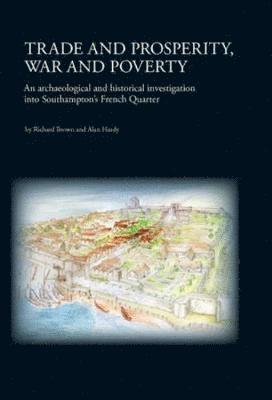
An Archaeological and Historical Investigation Into Southampton's French Quarter
398 kr
Skickas
1 962 kr
Skickas inom 7-10 vardagar
560 kr
Skickas inom 3-6 vardagar
450 kr
Läs direkt efter köp
444 kr
Läs direkt efter köp
2 311 kr
Skickas inom 10-15 vardagar
314 kr
Skickas inom 7-10 vardagar
196 kr
Skickas inom 7-10 vardagar
813 kr
Läs direkt efter köp
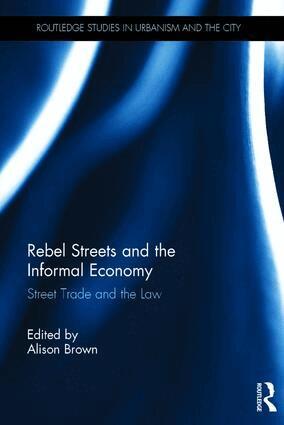
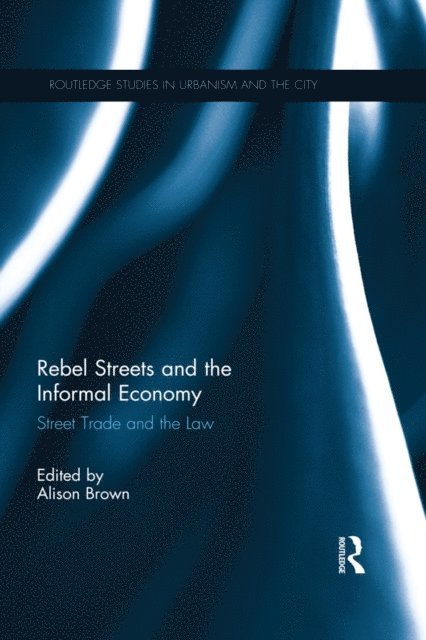
Street trade is a critical and highly visible component of the informal economy, linked to global systems of exchange. Yet policy responses are dismissive and evictions commonplace. Despite being progressively marginalised from public space, street traders in the global south are engaged in spatial and political battlegrounds to reclaim space, and claim de facto property rights over their place of work, through quiet infiltration, union power, or direct action.
This book explores ''rebel streets'', the challenges faced by informal economy actors and how organised groups are seeking to reframe legal understandings to create new claims to space and urban rights. The book sets out new thinking and a conceptual framework for improved understanding of the plural relationship between law, rights, and space for the informal economy, the contest between traditional, modernist and rights-based approaches to development, and impacts on the urban working poor. With a focus on street trading, the book seeks to reframe the legal context in which modern informal economies operate, drawing on key areas of academic inquiry and case studies of how vendors are staking claim to urban rights.
The book argues for a reconceptualisation of legal instruments to provide a rights-based framework for urban work that recognises the legitimacy of urban informal economies, the scope for collective management of urban resources, and the social value of public space as a site for urban livelihoods. It will be of interest to students and scholars of geography, economics, urban studies, development studies, political studies and law.
807 kr
Läs direkt efter köp
Street trade is a critical and highly visible component of the informal economy, linked to global systems of exchange. Yet policy responses are dismissive and evictions commonplace. Despite being progressively marginalised from public space, street traders in the global south are engaged in spatial and political battlegrounds to reclaim space, and claim de facto property rights over their place of work, through quiet infiltration, union power, or direct action.
This book explores ''rebel streets'', the challenges faced by informal economy actors and how organised groups are seeking to reframe legal understandings to create new claims to space and urban rights. The book sets out new thinking and a conceptual framework for improved understanding of the plural relationship between law, rights, and space for the informal economy, the contest between traditional, modernist and rights-based approaches to development, and impacts on the urban working poor. With a focus on street trading, the book seeks to reframe the legal context in which modern informal economies operate, drawing on key areas of academic inquiry and case studies of how vendors are staking claim to urban rights.
The book argues for a reconceptualisation of legal instruments to provide a rights-based framework for urban work that recognises the legitimacy of urban informal economies, the scope for collective management of urban resources, and the social value of public space as a site for urban livelihoods. It will be of interest to students and scholars of geography, economics, urban studies, development studies, political studies and law.