2 455 kr
Skickas inom 10-15 vardagar
2 455 kr
Skickas inom 10-15 vardagar
790 kr
Skickas inom 10-15 vardagar
906 kr
Läs direkt efter köp
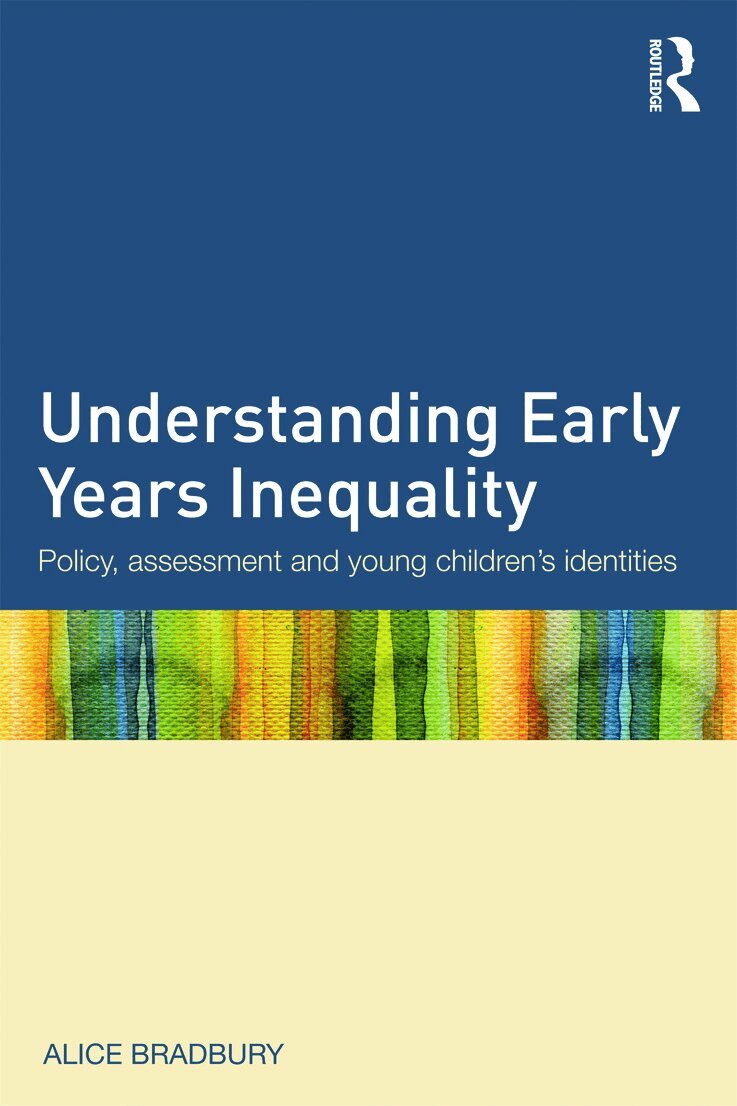
Understanding Early Years Inequality uses critical sociological perspectives to examine the impact of changing assessment policy on primary school classrooms, with a particular focus on issues of inequality. Drawing on accounts of life in early years classrooms, Alice Bradbury suggests that a specific model of the ‘good learner’ operates, and that this model works to exclude some groups of students from positions of educational success.
Key themes examined throughout this book relate to:
The relationship between assessment policy and children’s identities as learners; The complexity of classroom life; The power of assessment to shape definitions of ‘learning’ and ‘learners’; The impact of discourses of class, race, religion and the ‘inner city’ on how children are assessed, and how assumptions about inner city schools and low attainment can put pressure on teachers to assess children in particular ways.In this important text, the author argues that assessment policies can have a huge impact on classrooms and teachers, as well as having potentially damaging effects for young children, particularly those from minoritised and economically disadvantaged backgrounds. The book explores in detail the complex interaction of education policies with discourses of attainment and expectation, and the resulting reproduction of patterns of inequality. Understanding Early Years Inequality will have an immediate impact on current debates about educational policy and practice in Early Years education, and will be of particular interest to academics and students in educational studies, sociology of education, and early childhood studies.
926 kr
Läs direkt efter köp
Understanding Early Years Inequality uses critical sociological perspectives to examine the impact of changing assessment policy on primary school classrooms, with a particular focus on issues of inequality. Drawing on accounts of life in early years classrooms, Alice Bradbury suggests that a specific model of the ‘good learner’ operates, and that this model works to exclude some groups of students from positions of educational success.
Key themes examined throughout this book relate to:
The relationship between assessment policy and children’s identities as learners; The complexity of classroom life; The power of assessment to shape definitions of ‘learning’ and ‘learners’; The impact of discourses of class, race, religion and the ‘inner city’ on how children are assessed, and how assumptions about inner city schools and low attainment can put pressure on teachers to assess children in particular ways.In this important text, the author argues that assessment policies can have a huge impact on classrooms and teachers, as well as having potentially damaging effects for young children, particularly those from minoritised and economically disadvantaged backgrounds. The book explores in detail the complex interaction of education policies with discourses of attainment and expectation, and the resulting reproduction of patterns of inequality. Understanding Early Years Inequality will have an immediate impact on current debates about educational policy and practice in Early Years education, and will be of particular interest to academics and students in educational studies, sociology of education, and early childhood studies.
2 419 kr
Skickas inom 10-15 vardagar
596 kr
Skickas inom 10-15 vardagar
702 kr
Läs direkt efter köp
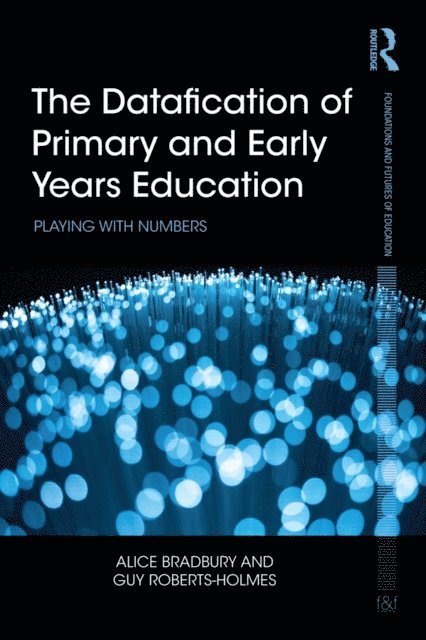
The Datafication of Primary and Early Years Education explores and critically analyses the growing dominance of data in schools and early childhood education settings. Recognising the shift in practice and priorities towards the production and analysis of attainment data that are compared locally, nationally and internationally, this important book explores the role and impact of digital data in the ‘data-obsessed’ school. Through insightful case studies the book critiques policy priorities which facilitate and demand the use of attainment data, within a neoliberal education system which is already heavily focused on assessment and accountability. Using an approach influenced by policy sociology and post-foundational frameworks, the book considers how data are productive of data-driven teacher and child subjectivities. The text explores how data have become an important part of making teachers’ work visible within systems which are both disciplinary and controlling, while often reducing the complexity of children’s learning to single numbers.
Key ideas covered include:
The impact of data on the individual teacher and their pedagogical practice, particularly in play-based early years classrooms
The problems of collecting data through assessment of young children
How schools respond to increased pressure to produce the ‘right’ data – or how they ‘play with numbers’
How data affect children and teachers’ identities
International governance and data comparison, including international comparison of young children’s attainment
Private sector involvement in data processing and analysis
The Datafication of Primary and Early Years Education offers a unique insight into the links between data, policy and practice and is a crucial read for all interested in the ways in which data are affecting teachers, practitioners and children.
692 kr
Läs direkt efter köp
The Datafication of Primary and Early Years Education explores and critically analyses the growing dominance of data in schools and early childhood education settings. Recognising the shift in practice and priorities towards the production and analysis of attainment data that are compared locally, nationally and internationally, this important book explores the role and impact of digital data in the ‘data-obsessed’ school. Through insightful case studies the book critiques policy priorities which facilitate and demand the use of attainment data, within a neoliberal education system which is already heavily focused on assessment and accountability. Using an approach influenced by policy sociology and post-foundational frameworks, the book considers how data are productive of data-driven teacher and child subjectivities. The text explores how data have become an important part of making teachers’ work visible within systems which are both disciplinary and controlling, while often reducing the complexity of children’s learning to single numbers.
Key ideas covered include:
The impact of data on the individual teacher and their pedagogical practice, particularly in play-based early years classrooms
The problems of collecting data through assessment of young children
How schools respond to increased pressure to produce the ‘right’ data – or how they ‘play with numbers’
How data affect children and teachers’ identities
International governance and data comparison, including international comparison of young children’s attainment
Private sector involvement in data processing and analysis
The Datafication of Primary and Early Years Education offers a unique insight into the links between data, policy and practice and is a crucial read for all interested in the ways in which data are affecting teachers, practitioners and children.
1 232 kr
Skickas inom 7-10 vardagar
303 kr
Skickas inom 7-10 vardagar
209 kr
Skickas inom 7-10 vardagar