1 926 kr
Skickas inom 7-10 vardagar
1 926 kr
Skickas inom 7-10 vardagar
569 kr
Läs direkt efter köp
569 kr
Läs direkt efter köp
821 kr
Skickas inom 7-10 vardagar
4 374 kr
Skickas inom 7-10 vardagar
2 918 kr
Läs direkt efter köp
1 388 kr
Kommande
345 kr
Kommande
1 093 kr
Skickas inom 10-15 vardagar
1 093 kr
Skickas inom 10-15 vardagar
489 kr
Skickas inom 7-10 vardagar
1 514 kr
Skickas inom 7-10 vardagar
759 kr
Skickas inom 7-10 vardagar
519 kr
Skickas inom 10-15 vardagar
387 kr
Skickas inom 7-10 vardagar
1 584 kr
Skickas inom 7-10 vardagar
381 kr
Skickas inom 7-10 vardagar
450 kr
Läs direkt efter köp
1 481 kr
Skickas inom 7-10 vardagar
488 kr
Skickas inom 7-10 vardagar
541 kr
Skickas inom 10-15 vardagar
2 515 kr
Skickas inom 10-15 vardagar
465 kr
Läs direkt efter köp
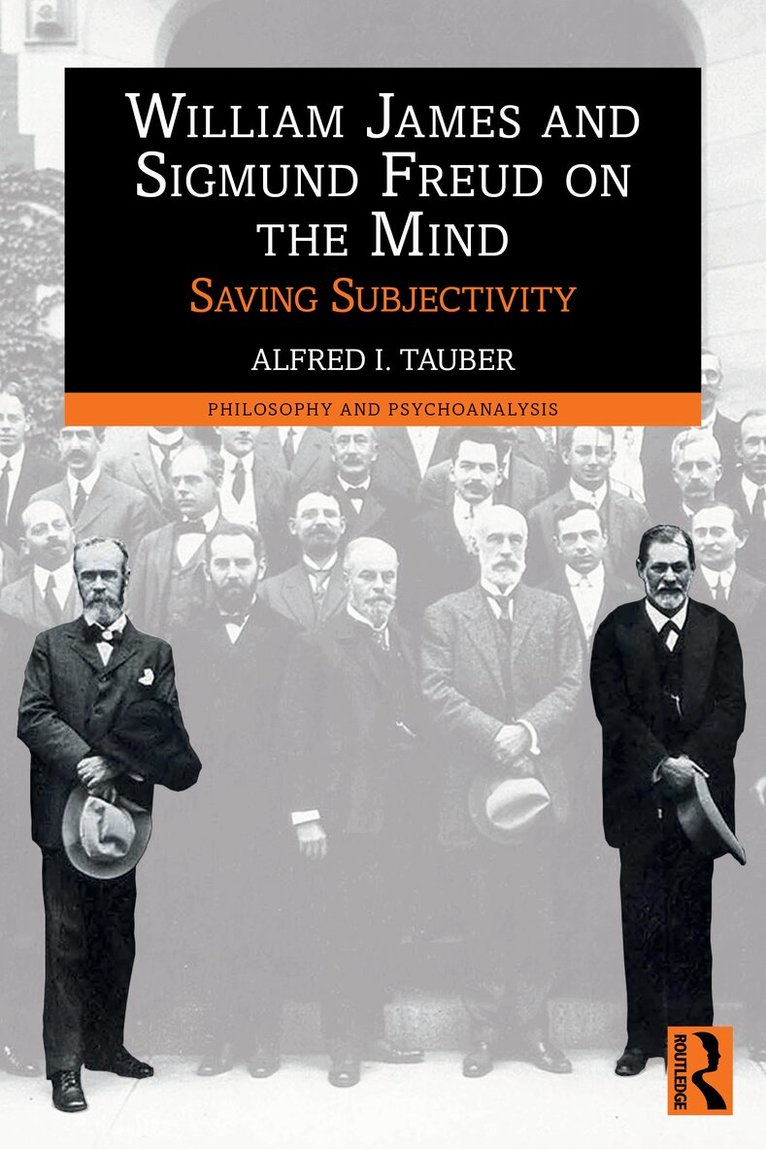
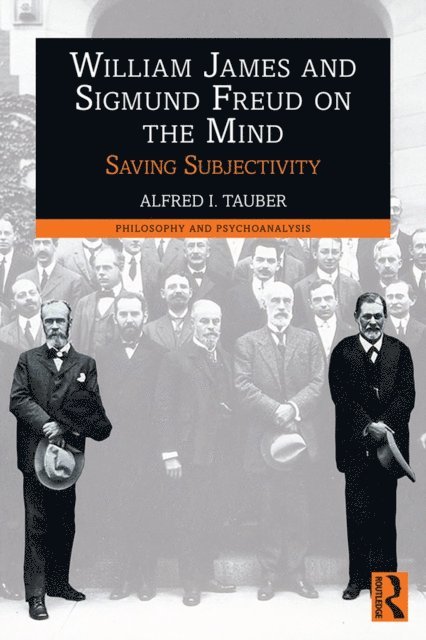
This is the first extended study comparing the philosophies of mind promoted by Sigmund Freud and William James, whose opposing views had profound influences on the development of twentieth-century philosophy, cognitive science, and psychology.
Each asked, can the mind be scientifically characterized? While Freud thought that psychoanalysis had established a science of the mind, James maintained that the subjective could not be objectified, and psychology was left with only "the crumbs" of analysis. Tauber’s presentation of a conjured philosophical confrontation occasioned by their first and only meeting in 1909 uncovers the clashing philosophies of mind underlying their respective positions. In comparing their opposing portraits of the psyche, persistent questions about self-knowledge, personal identity, and moral agency are presented at their fin de siècle origin. In this setting, the James-Freud dispute offers a unique perspective about our own contemporary dilemmas swirling around selfhood, consciousness, and the subjectivity of human experience.
This eclectic history of early psychology will interest psychoanalysts, psychologists, and philosophers as well as those interested in the origins of pragmatism, phenomenology, modernism, and twentieth-century positivism.
468 kr
Läs direkt efter köp
This is the first extended study comparing the philosophies of mind promoted by Sigmund Freud and William James, whose opposing views had profound influences on the development of twentieth-century philosophy, cognitive science, and psychology.
Each asked, can the mind be scientifically characterized? While Freud thought that psychoanalysis had established a science of the mind, James maintained that the subjective could not be objectified, and psychology was left with only "the crumbs" of analysis. Tauber’s presentation of a conjured philosophical confrontation occasioned by their first and only meeting in 1909 uncovers the clashing philosophies of mind underlying their respective positions. In comparing their opposing portraits of the psyche, persistent questions about self-knowledge, personal identity, and moral agency are presented at their fin de siècle origin. In this setting, the James-Freud dispute offers a unique perspective about our own contemporary dilemmas swirling around selfhood, consciousness, and the subjectivity of human experience.
This eclectic history of early psychology will interest psychoanalysts, psychologists, and philosophers as well as those interested in the origins of pragmatism, phenomenology, modernism, and twentieth-century positivism.
1 506 kr
Läs direkt efter köp
500 kr
Läs direkt efter köp
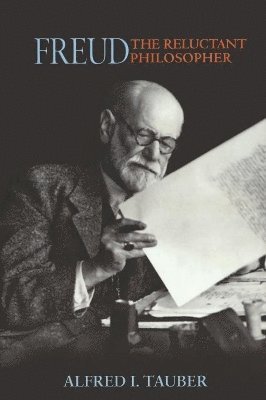
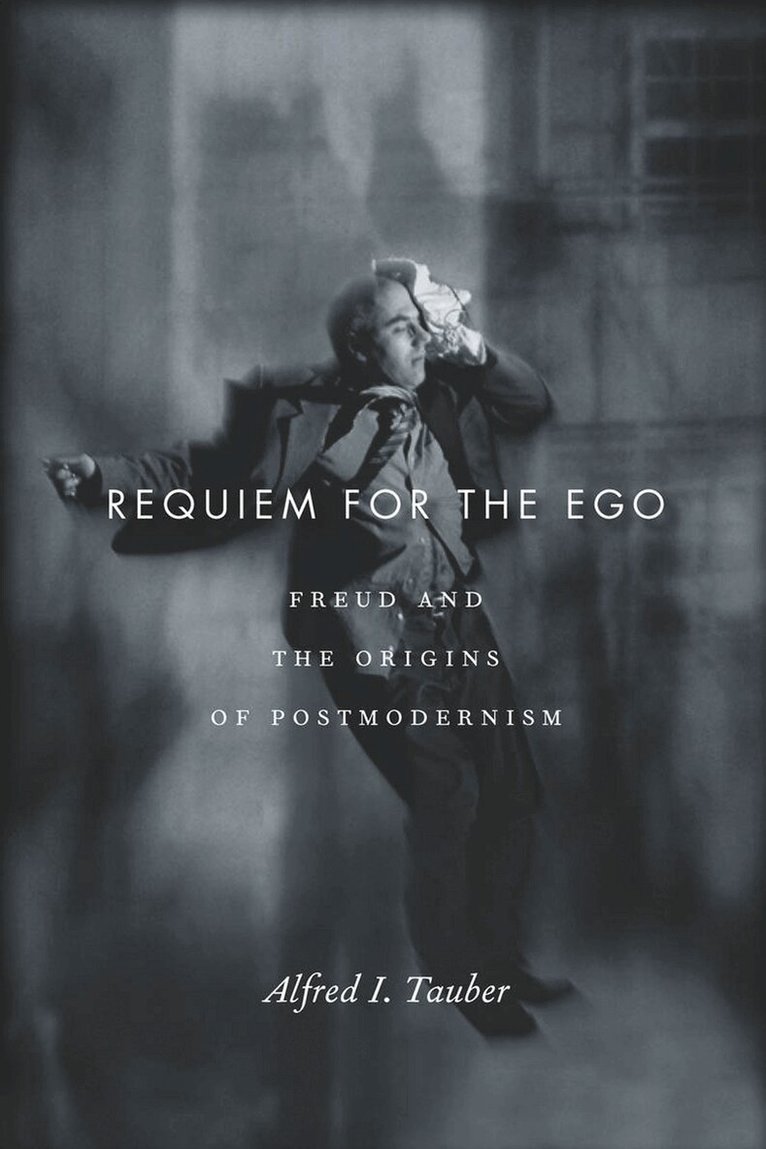
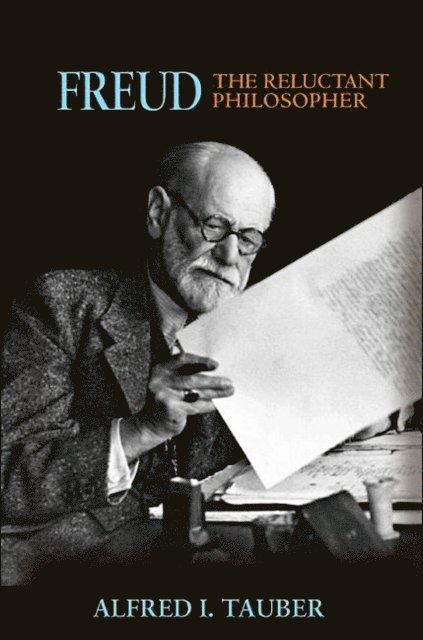
Freud began university intending to study both medicine and philosophy. But he was ambivalent about philosophy, regarding it as metaphysical, too limited to the conscious mind, and ignorant of empirical knowledge. Yet his private correspondence and his writings on culture and history reveal that he never forsook his original philosophical ambitions. Indeed, while Freud remained firmly committed to positivist ideals, his thought was permeated with other aspects of German philosophy. Placed in dialogue with his intellectual contemporaries, Freud appears as a reluctant philosopher who failed to recognize his own metaphysical commitments, thereby crippling the defense of his theory and misrepresenting his true achievement. Recasting Freud as an inspired humanist and reconceiving psychoanalysis as a form of moral inquiry, Alfred Tauber argues that Freudianism still offers a rich approach to self-inquiry, one that reaffirms the enduring task of philosophy and many of the abiding ethical values of Western civilization.
617 kr
Skickas inom 3-6 vardagar
1 130 kr
Skickas inom 10-15 vardagar
775 kr
Skickas
184 kr
Tillfälligt slut