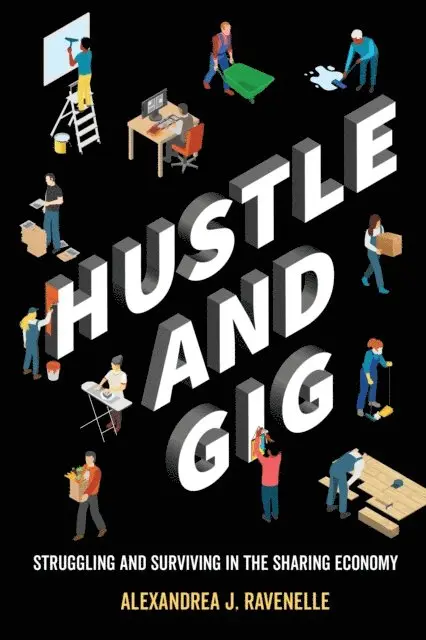
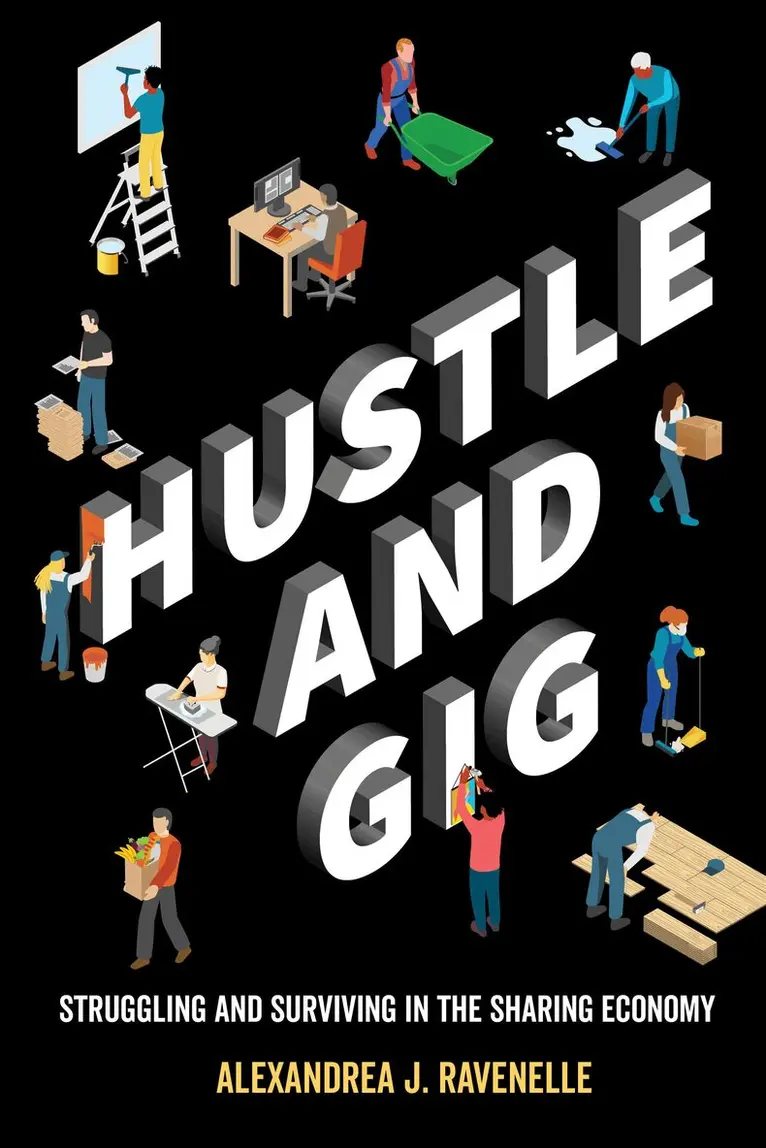
Choose your hours, choose your work, be your own boss, control your own income. Welcome to the sharing economy, a nebulous collection of online platforms and apps that promise to transcend capitalism. Supporters argue that the gig economy will reverse economic inequality, enhance worker rights, and bring entrepreneurship to the masses. But does it? In Hustle and Gig, Alexandrea J. Ravenelle shares the personal stories of nearly eighty predominantly millennial workers from Airbnb, Uber, TaskRabbit, and Kitchensurfing. Their stories underline the volatility of working in the gig economy: the autonomy these young workers expected has been usurped by the need to maintain algorithm-approved acceptance and response rates. The sharing economy upends generations of workplace protections such as worker safety; workplace protections around discrimination and sexual harassment; the right to unionize; and the right to redress for injuries. Discerning three types of gig economy workers—Success Stories, who have used the gig economy to create the life they want; Strugglers, who can’t make ends meet; and Strivers, who have stable jobs and use the sharing economy for extra cash—Ravenelle examines the costs, benefits, and societal impact of this new economic movement. Poignant and evocative, Hustle and Gig exposes how the gig economy is the millennial’s version of minimum-wage precarious work.
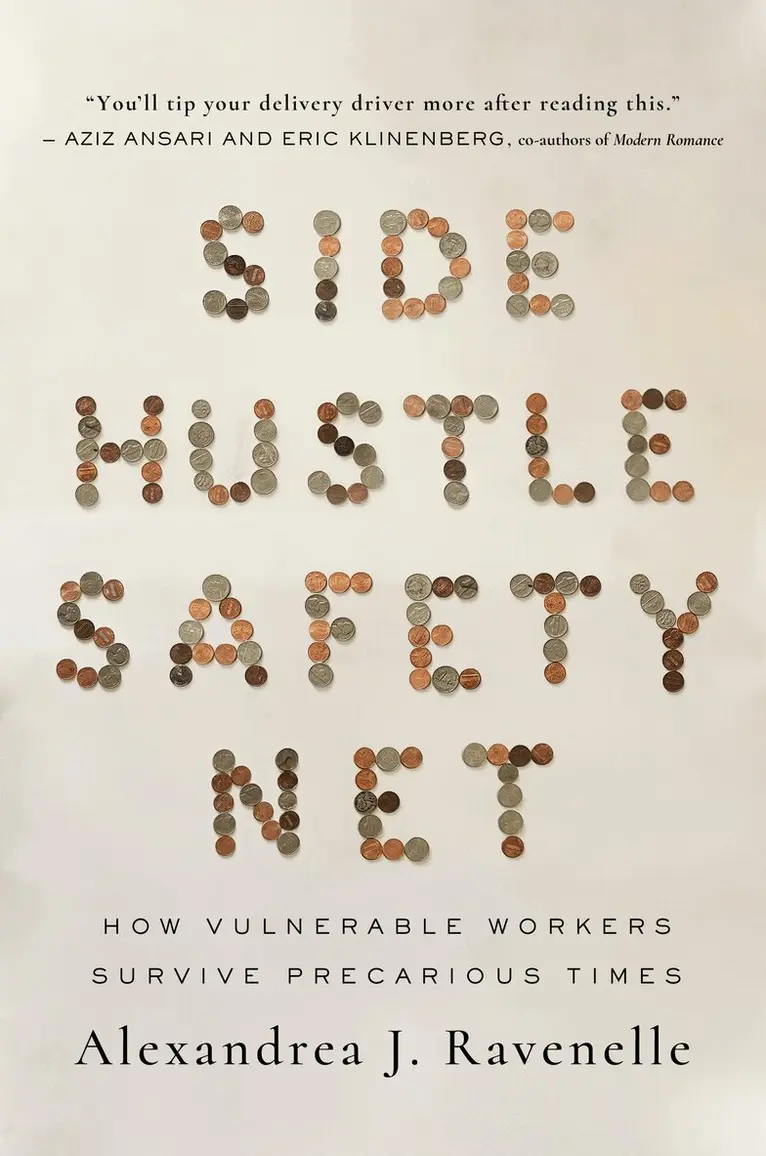
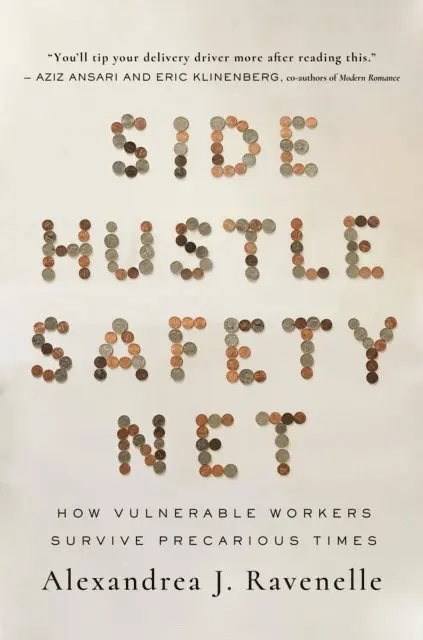
The first major study of how the pandemic affected gig workers—a sociological exploration that reads like a novel. This is the story of what the most vulnerable wage earners—gig workers, restaurant staff, early-career creatives, and minimum-wage laborers—do when the economy suddenly collapses. In Side Hustle Safety Net, Alexandrea J. Ravenelle builds on interviews with nearly two hundred gig-based and precarious workers, conducted during the height of the pandemic, to uncover the unique challenges they faced in unprecedented times. This book looks at both the officially unemployed and the “forgotten jobless”—a digital-era demographic that turned to side hustles—and reveals how they fared. CARES Act assistance allowed some to change careers, start businesses, perhaps transform their lives. However, gig workers and those involved in “polyemployment” found themselves at the mercy of outdated unemployment systems, vulnerable to scams, and attempting dubious survival strategies. Ultimately, Side Hustle Safety Net argues that the rise of the gig economy, partnered with underemployment and economic instability, has increased worker precarity with disastrous consequences.
Choose your hours, choose your work, be your own boss, control your own income. Welcome to the sharing economy, a nebulous collection of online platforms and apps that promise to transcend capitalism. Supporters argue that the gig economy will reverse economic inequality, enhance worker rights, and bring entrepreneurship to the masses. But does it? In Hustle and Gig, Alexandrea J. Ravenelle shares the personal stories of nearly eighty predominantly millennial workers from Airbnb, Uber, TaskRabbit, and Kitchensurfing. Their stories underline the volatility of working in the gig economy: the autonomy these young workers expected has been usurped by the need to maintain algorithm-approved acceptance and response rates. The sharing economy upends generations of workplace protections such as worker safety; workplace protections around discrimination and sexual harassment; the right to unionize; and the right to redress for injuries. Discerning three types of gig economy workers—Success Stories, who have used the gig economy to create the life they want; Strugglers, who can’t make ends meet; and Strivers, who have stable jobs and use the sharing economy for extra cash—Ravenelle examines the costs, benefits, and societal impact of this new economic movement. Poignant and evocative, Hustle and Gig exposes how the gig economy is the millennial’s version of minimum-wage precarious work.
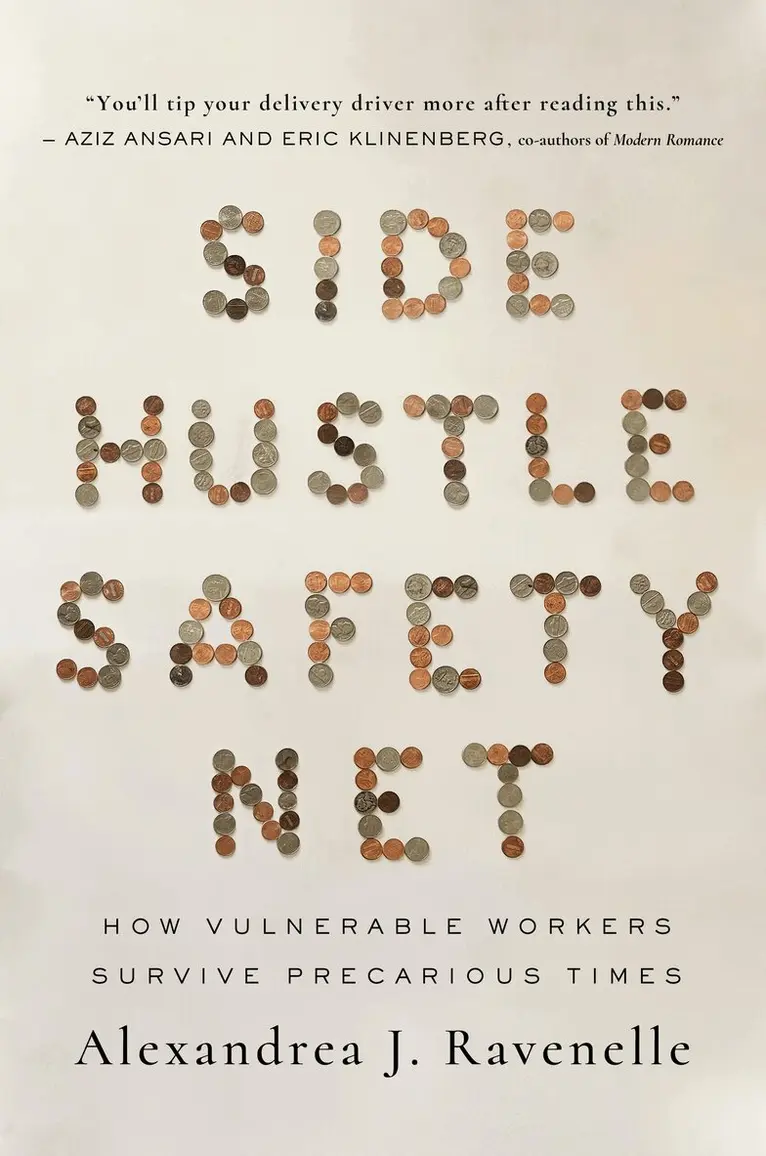
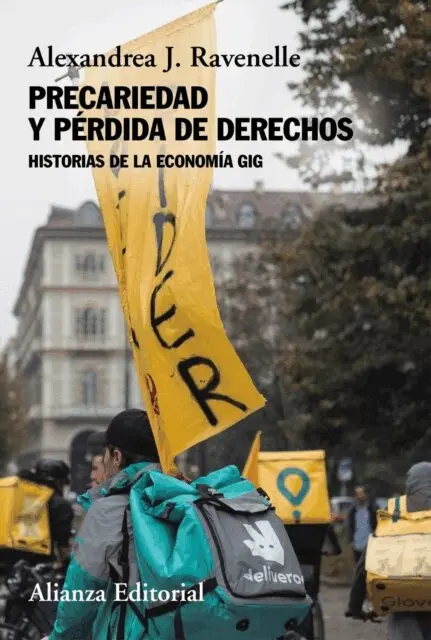
Elige tu horario, elige tu trabajo, se tu propio jefe, decide cuanto quieres ganar... bienvenido a la economia colaborativa, un nebuloso conjunto de plataformas y aplicaciones que prometen innovacion, trascender el capitalismo, llevar el emprendimiento a las masas... En el presente libro, Alexandrea J. Ravenelle comparte las historias personales de casi ochenta trabajadores, en su mayoria jovenes, de Airbnb, Uber, TaskRabbit y Kitchensurfing. Sus testimonios ponen de relieve la volatilidad del trabajo en la economia gig: la autonomia que estos trabajadores esperaban encontrar se ve usurpada por la necesidad de mantener unas tasas de respuesta y un nivel de aceptacion que cuenten con la aprobacion del algoritmo. Ravenelle examina los distintos tipos de trabajador de esta economia (desde las historias de exito hasta los que tienen que pluriemplearse para conseguir unos ingresos minimos), asi como sus costes y beneficios y su impacto social, y muestra que la economia colaborativa invalida de hecho generaciones de proteccion a los trabajadores y no es sino una nueva version del trabajo precario con un salario minimo.