838 kr
Läs direkt efter köp
838 kr
Läs direkt efter köp
844 kr
Läs direkt efter köp
648 kr
Läs direkt efter köp
648 kr
Läs direkt efter köp
2 192 kr
Skickas inom 10-15 vardagar
1 326 kr
Skickas inom 7-10 vardagar
2 874 kr
Skickas inom 7-10 vardagar
949 kr
Skickas inom 10-15 vardagar
785 kr
Läs direkt efter köp
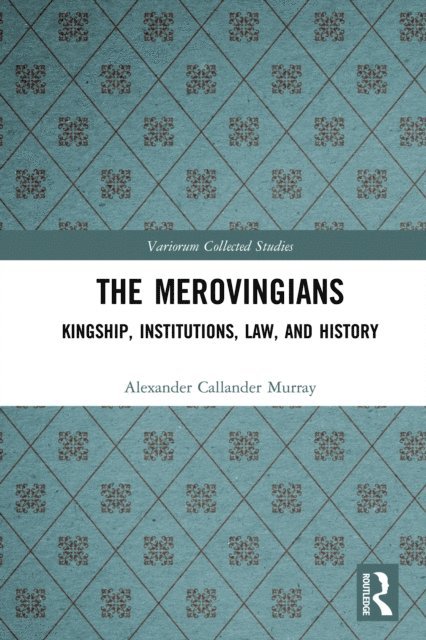
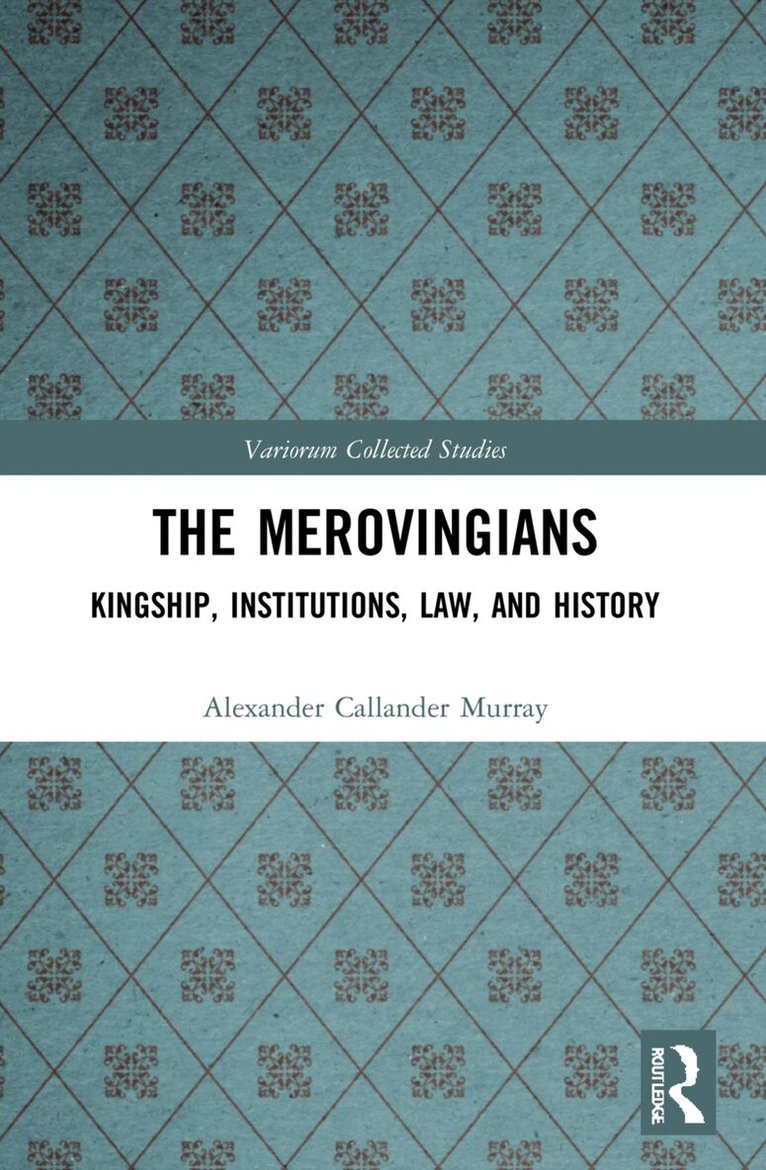
The studies collected here cover a period of about 33 years, from 1986 to 2019, and represent a sustained effort to understand the institutions of the Merovingian kingdom and its history. There has long been a predisposition to cast the Merovingian period in the dark colours of barbarism or to treat it with reference to personal relationships and archaic institutions. The present volume, instead, recognizes the Merovingian world not as an archaic, primitive intrusion on the Mediterranean civilization of the Roman Empire but simply as a participant in the wider commonwealth that existed before and remained after the dissolution of the western imperial system; in so doing, it serves to refute the scholarly tendency to primitivize Merovingian governance, its underlying institutions, and the broader culture upon which these rested.
The collection is divided into four parts. Part I considers the question of whether Merovingian kingship should be viewed as a species of archaic, ‘sacral’ kingship. Part II, on institutions, has chapters that deal with various offices (the grafio and centenarius), public institutions (especially immunity and public security), and the broader makeup of the Merovingian state system. Part III, on charters, procedure, and law, has chapters on the profile of the charter evidence as now presented in the new MGH edition of the Merovingian diplomas and one on particular procedures before the royal tribunal, mistakenly referred to in scholarship as ‘fictitious’ trials; a final chapter provides a reflection on, and basic guide to, the law in general of the successor kingdoms, with an eye to the evidence of Merovingian Gaul. Part IV, a slight change of pace, deals with historiography, both the modern variety (Reinhard Wenskus) and the Merovingian (Gregory of Tours). All chapters deal extensively with the historiography of their subjects.
This book will appeal to students and scholars alike interested in Early Medieval European history, Merovingian history, Early Medieval law and society, Early Medieval historiography, and the influence of Merovingian law and governance on later centuries. (CS 1104).

785 kr
Läs direkt efter köp
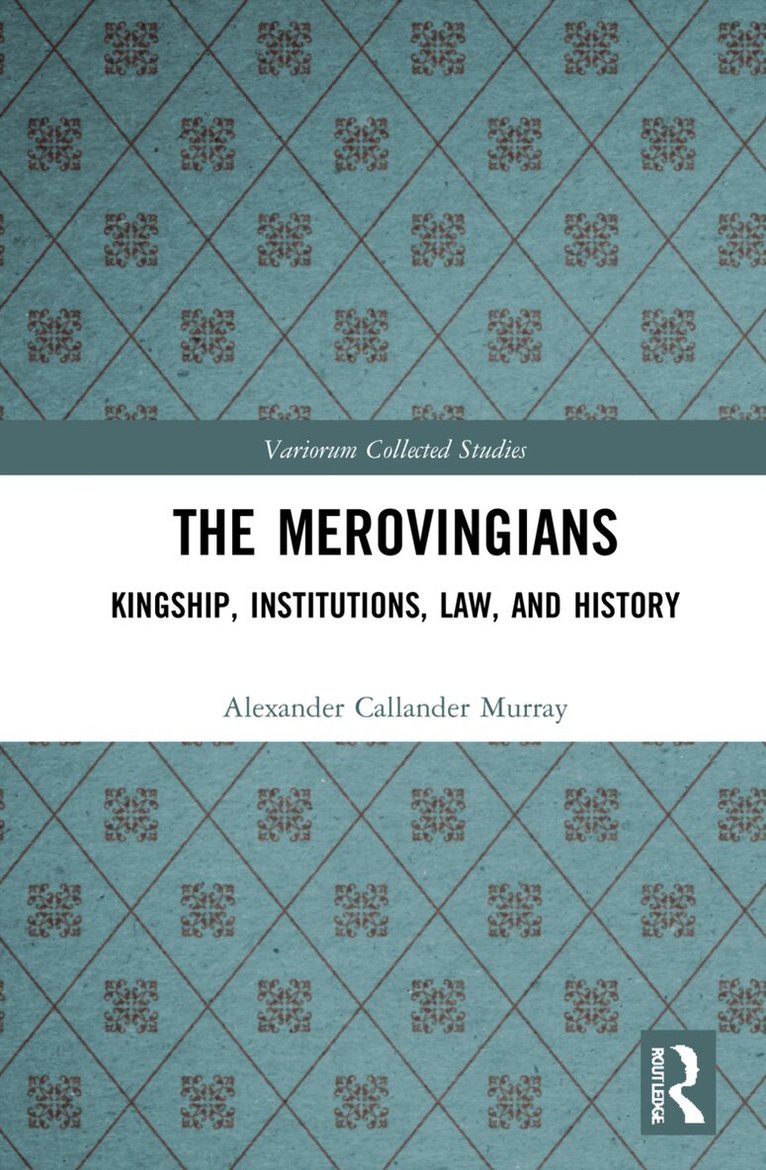
The studies collected here cover a period of about 33 years, from 1986 to 2019, and represent a sustained effort to understand the institutions of the Merovingian kingdom and its history. There has long been a predisposition to cast the Merovingian period in the dark colours of barbarism or to treat it with reference to personal relationships and archaic institutions. The present volume, instead, recognizes the Merovingian world not as an archaic, primitive intrusion on the Mediterranean civilization of the Roman Empire but simply as a participant in the wider commonwealth that existed before and remained after the dissolution of the western imperial system; in so doing, it serves to refute the scholarly tendency to primitivize Merovingian governance, its underlying institutions, and the broader culture upon which these rested.
The collection is divided into four parts. Part I considers the question of whether Merovingian kingship should be viewed as a species of archaic, ‘sacral’ kingship. Part II, on institutions, has chapters that deal with various offices (the grafio and centenarius), public institutions (especially immunity and public security), and the broader makeup of the Merovingian state system. Part III, on charters, procedure, and law, has chapters on the profile of the charter evidence as now presented in the new MGH edition of the Merovingian diplomas and one on particular procedures before the royal tribunal, mistakenly referred to in scholarship as ‘fictitious’ trials; a final chapter provides a reflection on, and basic guide to, the law in general of the successor kingdoms, with an eye to the evidence of Merovingian Gaul. Part IV, a slight change of pace, deals with historiography, both the modern variety (Reinhard Wenskus) and the Merovingian (Gregory of Tours). All chapters deal extensively with the historiography of their subjects.
This book will appeal to students and scholars alike interested in Early Medieval European history, Merovingian history, Early Medieval law and society, Early Medieval historiography, and the influence of Merovingian law and governance on later centuries. (CS 1104).
214 kr
Skickas inom 7-10 vardagar
368 kr
Skickas inom 7-10 vardagar
474 kr
Skickas inom 7-10 vardagar
367 kr
Skickas inom 7-10 vardagar
367 kr
Skickas inom 7-10 vardagar
411 kr
Skickas inom 7-10 vardagar
505 kr
Skickas inom 7-10 vardagar
186 kr
Skickas inom 7-10 vardagar
350 kr
Skickas inom 7-10 vardagar
292 kr
Skickas inom 7-10 vardagar
496 kr
Skickas inom 7-10 vardagar
378 kr
Skickas inom 7-10 vardagar
2 610 kr
Skickas inom 10-15 vardagar
673 kr
Skickas inom 10-15 vardagar
250 kr
Skickas inom 7-10 vardagar
427 kr
Skickas inom 3-6 vardagar
292 kr
Skickas inom 7-10 vardagar
307 kr
Skickas inom 7-10 vardagar
292 kr
Skickas inom 7-10 vardagar
286 kr
Skickas inom 7-10 vardagar