An in-depth visual guide presenting the captivating creative journeys behind the world’s leading videogames. Making Videogames is an unprecedented snapshot of modern interactive entertainment, with insight from true pioneers about the most important games in the world. Illustrated with some of the most arresting in-game images ever seen in print, the book explores the unique alchemy of technical and artistic endeavour that constitutes the magic of videogames, striking a captivating balance between insight and accessibility. Across eleven chapters, each focusing on a specific game from AAA blockbusters such as Control and Half-Life: Alyx to cult breakthrough games including No Man’s Sky and Return of the Obra Dinn, the book will document the incredible craft of videogame worldbuilding and visual storytelling via the world’s most popular, but seldom fully understood, entertainment medium. The book’s text orbits breathtaking, specially created imagery ‘photographed’ in-engine by the author, demonstrating the magic and method behind each studio’s work. A book not only for die-hard videogame fanatics, but also for designer-creatives and the visually curious, Making Videogames is a thrilling showcase of the boundless creativity of this amazing industry.
A retrospective of the early Japanese videogame industry, comprising over 30 interviews with developers of the era, and including never-before-seen period photographs, rare press adverts and an illustrated hardware guide. Comprising interviews with lesser documented developers at companies including Sega, Enix, Capcom, Hudson Soft and Nihon Falcom, Japansoft: An Oral History offers fresh and diverse perspectives on many of the defining games of their time. A re-edited digest of game journalist John Szczepaniak’s three volume series, The Untold History of Japanese Game Developers, this edition adds brand new, specially conducted interviews with figures including Giles Goddard (Star Fox programmer), Richard Garriott (originator of Ultima), and Robert Woodhead (co-originator of Wizardry). A companion to the critically acclaimed Britsoft: An Oral History, this publication sees editor Alex Wiltshire and leading design agency Julia return with a multilayered and eclectic publication that offers a unique reading experience through interlinked interviews that can be read in any order.
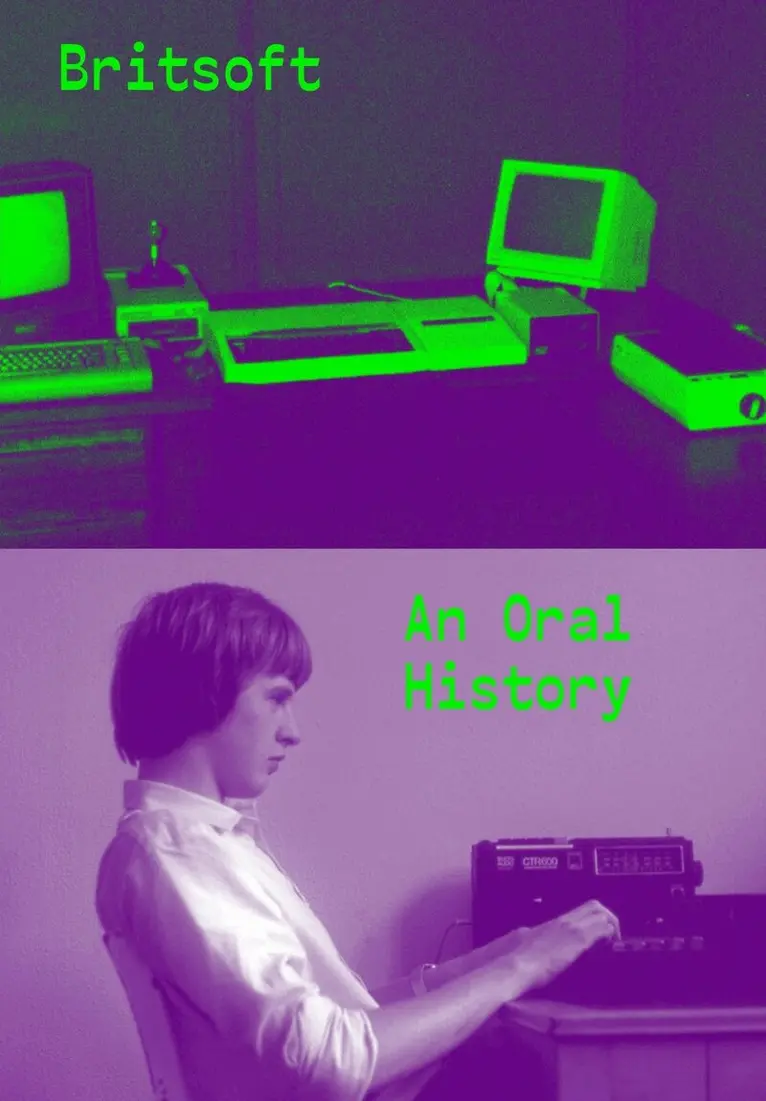
"Britsoft documents a vibrant period of invention in Britain’s cultural history – the start of a new form of entertainment, created on ZX Spectrums, Commodore 64s, Amigas and Atari STs, in bedrooms and living rooms. Interviewees include: David Braben (Elite), Peter Molyneux (Populous), Rob Hubbard (Commando) and Jeff Minter (Attack of the Mutant Camels),The book is a companion piece to the 2014 documentary, From Bedrooms to Billions, and draws from the hundreds of hours of interview footage to find new, untold stories, and craft an original narrative. Through the voices of programmers, musicians, journalists and business people, it traces the making of games such as Dizzy, Elite, Paradroid and Kick Off; and the birth of publishers, magazines and software houses, from Codemasters to Zzap!64.
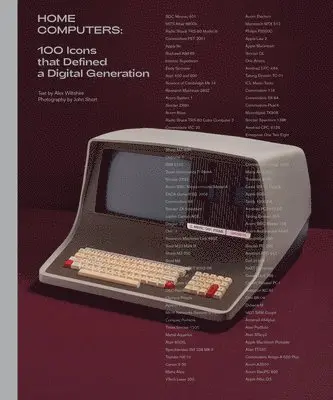
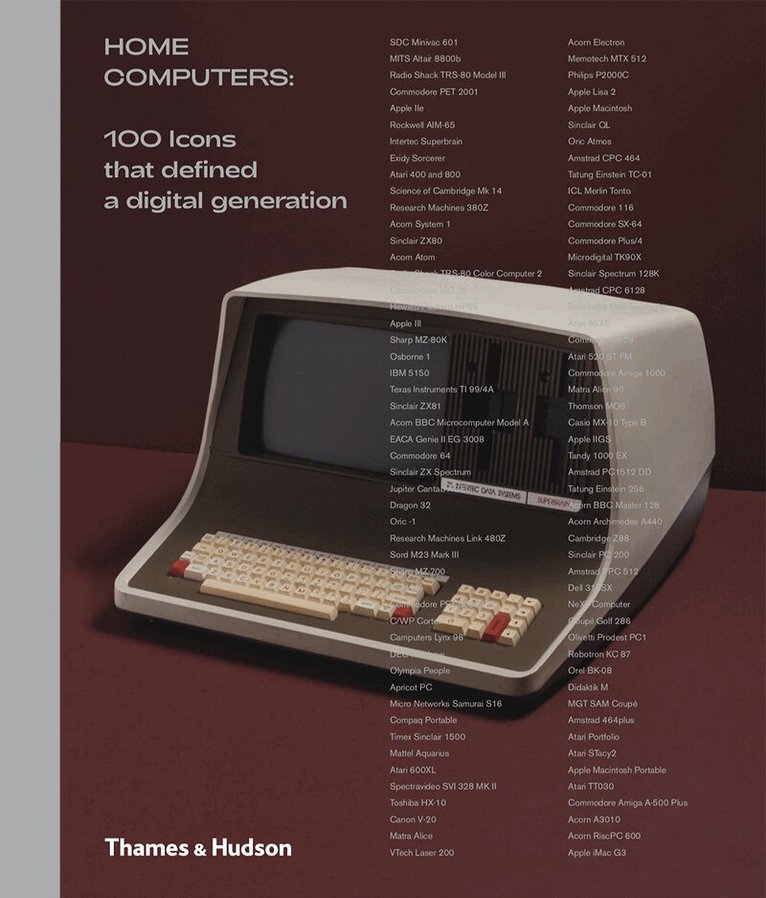
Home Computers showcases the quirky and characterful beginnings of a commercial product that would come to unite the globe: the personal computer. As so much technology is forgotten once it is superseded, this is a celebration of machines, industrial design and techno-utopianism of an era in the not-so-distant past. Conceived as a visual sourcebook of the most popular, most powerful and most idiosyncratic computers to grace our workspaces, this timely publication offers a reflection on how far we’ve come and a nostalgic look at a time when digital worlds could be contained in a box and turned off, rather than ever-present in our lives. Home Computers opens with a scene-setting retrospective by computer and gaming writer Alex Wiltshire. The book’s heart is a series of specially commissioned photographs that capture details of switches and early user-interface design, letterforms and logos, and the quirks that set one computer off from another. Images are complemented by a potted history of each device, the inventors or personalities behind it, and its innovations and influences.