Inbunden, Engelska, 2010
1 357 kr
Skickas inom 7-10 vardagar
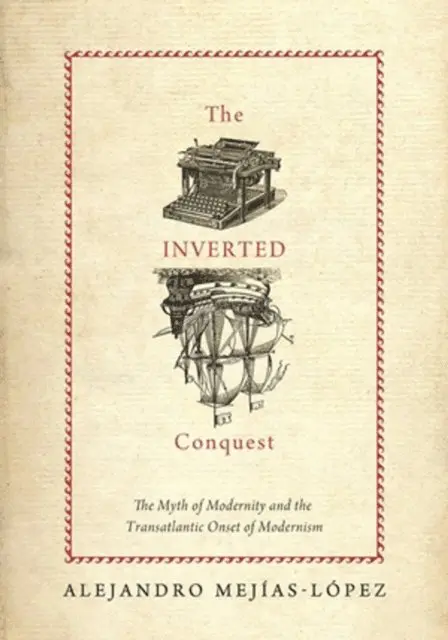
Modernismo (1880S-1920S) is considered one of the most groundbreaking literary movements in Hispanic history, as it transformed literature in Spanish to an extent not seen since the Renaissance. As Alejandro Mejias-Lopez demonstrates, however, modernismo was also groundbreaking in another, more radical way: it was the first time a postcolonial literature took over the literary field of the former European metropolis. Expanding Bourdieu's concepts of cultural field and symbolic capital beyond national boundaries, ""The Inverted Conquest"" shows how modernismo originated in Latin America and traveled to Spain, where it provoked a complete renovation of Spanish letters and contributed to a national identity crisis. In the process, described by Latin American writers as a reversal of colonial relations, modernismo wrested literary and cultural authority away from Spain, moving the cultural center of the Hispanic world to the Americas. Mejias-Lopez further reveals how Spanish American modernistas confronted the racial supremacist claims and homogenizing force of an Anglo-American modernity that defined the Hispanic as un-modern. Constructing a new Hispanic genealogy, modernistas wrote Spain as the birthplace of modernity and themselves as the true bearers of the modern spirit, moved by the pursuit of knowledge, cosmopolitanism, and cultural miscegenation, rather than technology, consumption, and scientific theories of racial purity. Bound by the intrinsic limits of neocolonial and postcolonial theories, scholarship has been unwilling or unable to explore modernismo's profound implications for our understanding of Western modernities.