1 583 kr
Skickas inom 3-6 vardagar
1 583 kr
Skickas inom 3-6 vardagar
553 kr
Skickas inom 3-6 vardagar
2 534 kr
Skickas inom 10-15 vardagar
1 515 kr
Läs direkt efter köp
1 275 kr
Skickas inom 7-10 vardagar
277 kr
Läs direkt efter köp
277 kr
Läs direkt efter köp
292 kr
Skickas inom 7-10 vardagar
829 kr
Skickas inom 7-10 vardagar
983 kr
Läs direkt efter köp
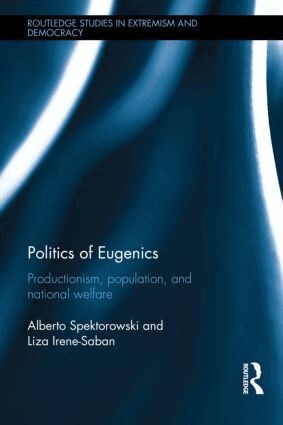
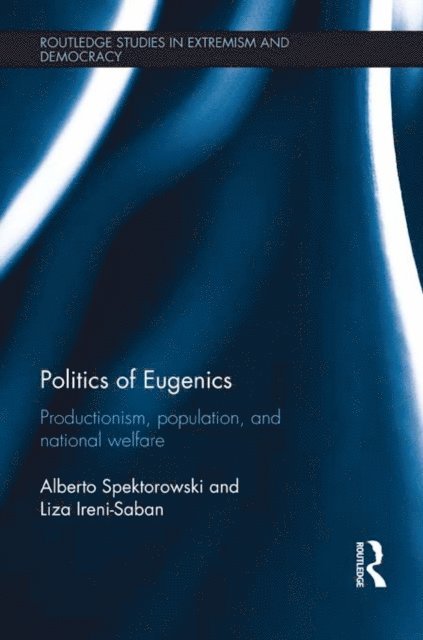
This book analyzes whether the "new debate on genetics" owes a debt to eugenic practices by welfare democracies of 1930s and 1940s. More specifically, the question is whether precisely the same "eugenic rationale" used in the 1930s is philosophical akin to a new rationality unfolding in some Western European welfare societies that find themselves trapped in the modern dilemma of choosing between increasing immigration and population growth that leads to economic prosperity on the one hand, or halting immigration, protecting national identity, and suffering economic stagnation on the other.
By analyzing, policies of integration and assisted reproduction technology (ART) in Northern European nation states such as Sweden, Finland, Denmark as well as in Israel, we find a historical continuity between "old eugenics" and current reproductive and family planning subsides and integration policies. By focusing on the concept of welfare productionism, we trace a continuing rationale between the eugenic policies of the past and current investments of ART. These programs, are rationalized as universal programs for the whole of the population. However, in this book the authors suggest that they served the goal of reproducing a productivist, national middle class which are enticed to reproduce.
This work will be of great interest to students and scholars of racism, extremism, European politics, population politics, and the social impact of science and technology.

983 kr
Läs direkt efter köp
This book analyzes whether the "new debate on genetics" owes a debt to eugenic practices by welfare democracies of 1930s and 1940s. More specifically, the question is whether precisely the same "eugenic rationale" used in the 1930s is philosophical akin to a new rationality unfolding in some Western European welfare societies that find themselves trapped in the modern dilemma of choosing between increasing immigration and population growth that leads to economic prosperity on the one hand, or halting immigration, protecting national identity, and suffering economic stagnation on the other.
By analyzing, policies of integration and assisted reproduction technology (ART) in Northern European nation states such as Sweden, Finland, Denmark as well as in Israel, we find a historical continuity between "old eugenics" and current reproductive and family planning subsides and integration policies. By focusing on the concept of welfare productionism, we trace a continuing rationale between the eugenic policies of the past and current investments of ART. These programs, are rationalized as universal programs for the whole of the population. However, in this book the authors suggest that they served the goal of reproducing a productivist, national middle class which are enticed to reproduce.
This work will be of great interest to students and scholars of racism, extremism, European politics, population politics, and the social impact of science and technology.
859 kr
Skickas inom 10-15 vardagar