695 kr
Skickas inom 10-15 vardagar
695 kr
Skickas inom 10-15 vardagar
3 083 kr
Skickas inom 10-15 vardagar
805 kr
Läs direkt efter köp
This book offers a systematic and comparative analysis of the intersections of religion and gender in times of populism across the EU-Mediterranean. The chapters explore tensions and issues related to religion and gender in nations including Portugal, Italy, Croatia, Bosnia-Herzegovina, Serbia, Greece, Turkey, and Israel/Palestine. Shifting attention from the European Union to the Mediterranean area allows the inclusion of countries whose history is significantly interwoven, taking into account the legacies of colonialism, the effects of post-colonialism, and the role of the EU in relation to gender-related issues in particular. The volume investigates not only country-specific cases but highlights similarities and differences in the region and aims to understand how the interconnections influence the issues at stake. It draws together countries with non-Christian majoritarian religions, with different political regimes, and where feminism and women’s movements have different shapes, histories, and relationships with religion. The book will appeal to scholars interested in the entanglements of gender, religion, and populism from a range of disciplines including anthropology, sociology, political science, religious studies, and gender studies.
831 kr
Läs direkt efter köp
This book offers a systematic and comparative analysis of the intersections of religion and gender in times of populism across the EU-Mediterranean. The chapters explore tensions and issues related to religion and gender in nations including Portugal, Italy, Croatia, Bosnia-Herzegovina, Serbia, Greece, Turkey, and Israel/Palestine. Shifting attention from the European Union to the Mediterranean area allows the inclusion of countries whose history is significantly interwoven, taking into account the legacies of colonialism, the effects of post-colonialism, and the role of the EU in relation to gender-related issues in particular. The volume investigates not only country-specific cases but highlights similarities and differences in the region and aims to understand how the interconnections influence the issues at stake. It draws together countries with non-Christian majoritarian religions, with different political regimes, and where feminism and women’s movements have different shapes, histories, and relationships with religion. The book will appeal to scholars interested in the entanglements of gender, religion, and populism from a range of disciplines including anthropology, sociology, political science, religious studies, and gender studies.
2 515 kr
Skickas inom 10-15 vardagar
707 kr
Skickas inom 10-15 vardagar
2 444 kr
Skickas inom 10-15 vardagar
630 kr
Skickas inom 10-15 vardagar
843 kr
Läs direkt efter köp
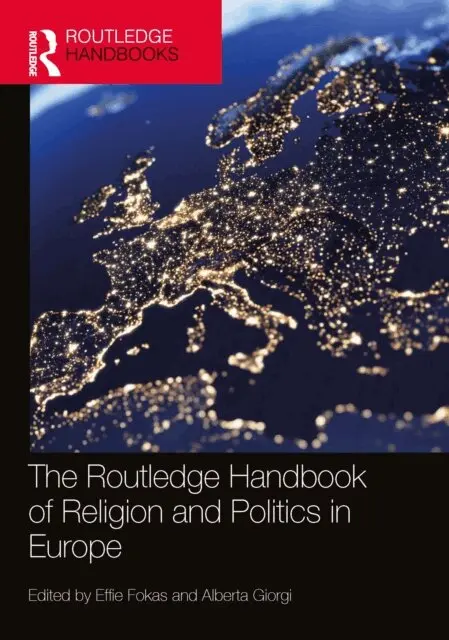
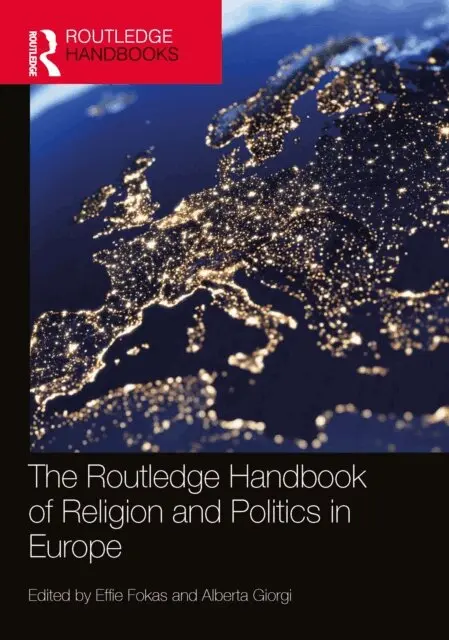
The Routledge Handbook of Religion and Politics in Europe is an outstanding reference source to this engaging subject area. A number of developments at the intersection between religion and politics in Europe, including the terrorist attacks echoing that of 9/11, the rise of the far right and populism linked to anti‑Islamic rhetoric in the context of migration of Muslims into Europe, and a series of controversies to do with free speech and hate speech, have served as a catalyst for a surge in interdisciplinary scholarship. The relationships between religion and politics are increasingly recognised as central to our understanding of contemporary European life and are investigated from a growing variety of approaches and perspectives. Comprising 31 chapters by a team of international contributors, this handbook is divided into three parts:
Theoretical underpinnings and methodological perspectives Actors, policies, and institutions Emerging themes and current debatesWithin these sections, central issues, debates, and problems to religion and politics are examined, including: migration, religion in the city, digital religion, environmentalism, humour, celebrity and leadership, activism, authority, citizenship, mediatisation, secularism, judicialisation, marketisation, political economy, security, European parliament, human rights, party politics, populism, feminism, political violence, hate speech, bioethics, pandemics and health, cults, race, equality, and inequality. The Routledge Handbook of Religion and Politics in Europe is essential reading for students and researchers in religious studies and politics. This handbook will also be very useful for those in related fields, such as cultural studies, media studies, anthropology, and sociology.
725 kr
Läs direkt efter köp
741 kr
Läs direkt efter köp
843 kr
Läs direkt efter köp
The Routledge Handbook of Religion and Politics in Europe is an outstanding reference source to this engaging subject area. A number of developments at the intersection between religion and politics in Europe, including the terrorist attacks echoing that of 9/11, the rise of the far right and populism linked to anti‑Islamic rhetoric in the context of migration of Muslims into Europe, and a series of controversies to do with free speech and hate speech, have served as a catalyst for a surge in interdisciplinary scholarship. The relationships between religion and politics are increasingly recognised as central to our understanding of contemporary European life and are investigated from a growing variety of approaches and perspectives. Comprising 31 chapters by a team of international contributors, this handbook is divided into three parts:
Theoretical underpinnings and methodological perspectives Actors, policies, and institutions Emerging themes and current debatesWithin these sections, central issues, debates, and problems to religion and politics are examined, including: migration, religion in the city, digital religion, environmentalism, humour, celebrity and leadership, activism, authority, citizenship, mediatisation, secularism, judicialisation, marketisation, political economy, security, European parliament, human rights, party politics, populism, feminism, political violence, hate speech, bioethics, pandemics and health, cults, race, equality, and inequality. The Routledge Handbook of Religion and Politics in Europe is essential reading for students and researchers in religious studies and politics. This handbook will also be very useful for those in related fields, such as cultural studies, media studies, anthropology, and sociology.
779 kr
Läs direkt efter köp
774 kr
Läs direkt efter köp
2 489 kr
Skickas inom 10-15 vardagar
814 kr
Läs direkt efter köp
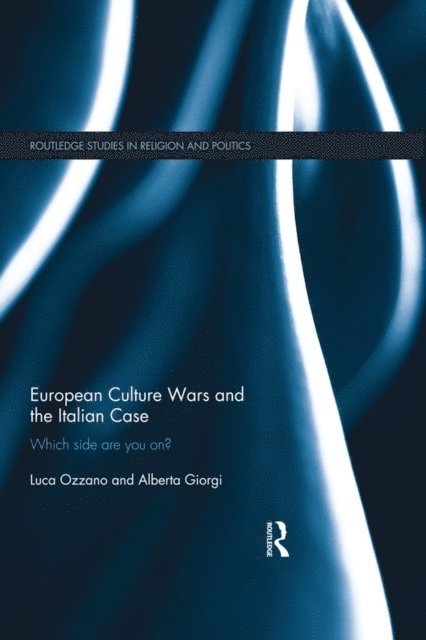
This book aims to understand the European political debate about contentious issues, framed in terms of religious values by religious and/or secular actors in 21st century. It specifically focuses on the Italian case, which, due to its peculiar history and contemporary political landscape, is a paradigmatic case for the study of the relationships between religion and politics.
In recent years, a number of controversies related to religious issues have characterised the European public debate at both the EU and the national level. The ‘affaire du foulard’ in France, the referendum on abortion in Portugal, the recognition of same-sex marriages in many Western European States, the debate over bioethics and the regulation of euthanasia are only a few examples of contentious issues involving religion. This book aims to shed light on the interrelation between these different debates, as well as their broader meaning, through the analysis of the paradigmatic case of Italy. Italy summarizes and sometimes exasperates wider European trends, both because of the peculiar role traditionally played by the Vatican in Italian politics and for the rise, since the 1990s, of new political entrepreneurs eager to exploit ethical and civilizational issues.
This work will be of great interest to scholars and students of a number of fields within the disciplines of political science, sociology and law, and will be useful for courses on religion and politics, political parties, social movements and civil society.

814 kr
Läs direkt efter köp
This book aims to understand the European political debate about contentious issues, framed in terms of religious values by religious and/or secular actors in 21st century. It specifically focuses on the Italian case, which, due to its peculiar history and contemporary political landscape, is a paradigmatic case for the study of the relationships between religion and politics.
In recent years, a number of controversies related to religious issues have characterised the European public debate at both the EU and the national level. The ‘affaire du foulard’ in France, the referendum on abortion in Portugal, the recognition of same-sex marriages in many Western European States, the debate over bioethics and the regulation of euthanasia are only a few examples of contentious issues involving religion. This book aims to shed light on the interrelation between these different debates, as well as their broader meaning, through the analysis of the paradigmatic case of Italy. Italy summarizes and sometimes exasperates wider European trends, both because of the peculiar role traditionally played by the Vatican in Italian politics and for the rise, since the 1990s, of new political entrepreneurs eager to exploit ethical and civilizational issues.
This work will be of great interest to scholars and students of a number of fields within the disciplines of political science, sociology and law, and will be useful for courses on religion and politics, political parties, social movements and civil society.
1 747 kr
Skickas inom 10-15 vardagar
2 224 kr
Läs direkt efter köp
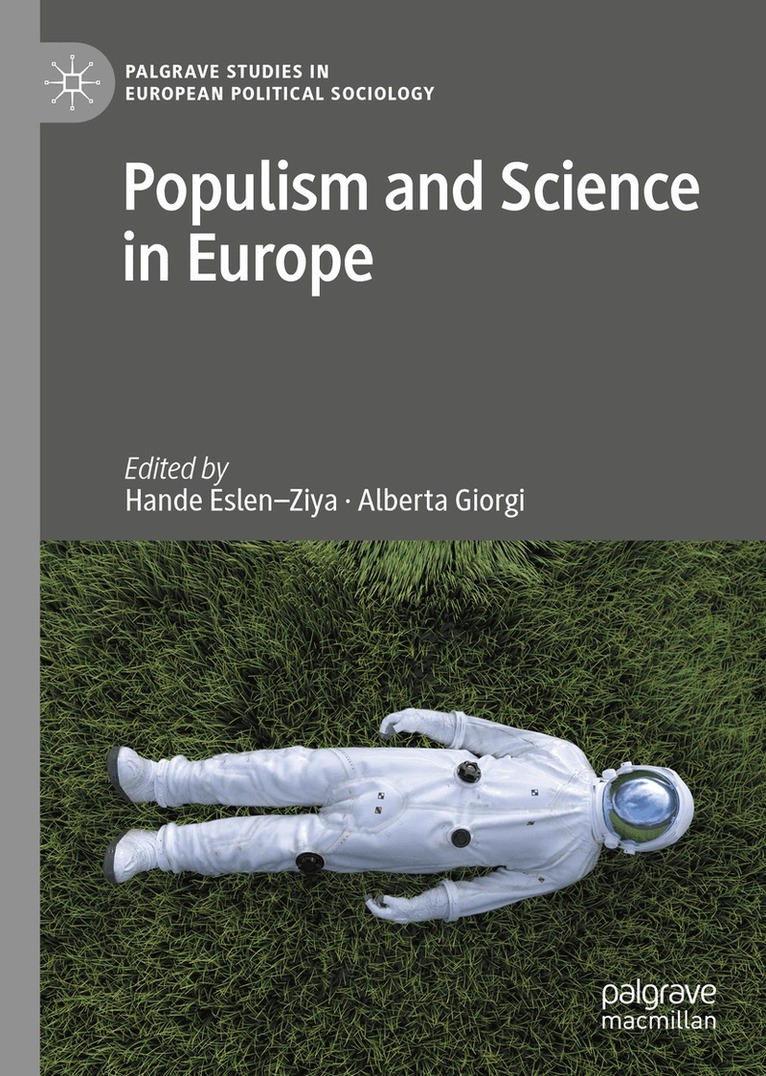
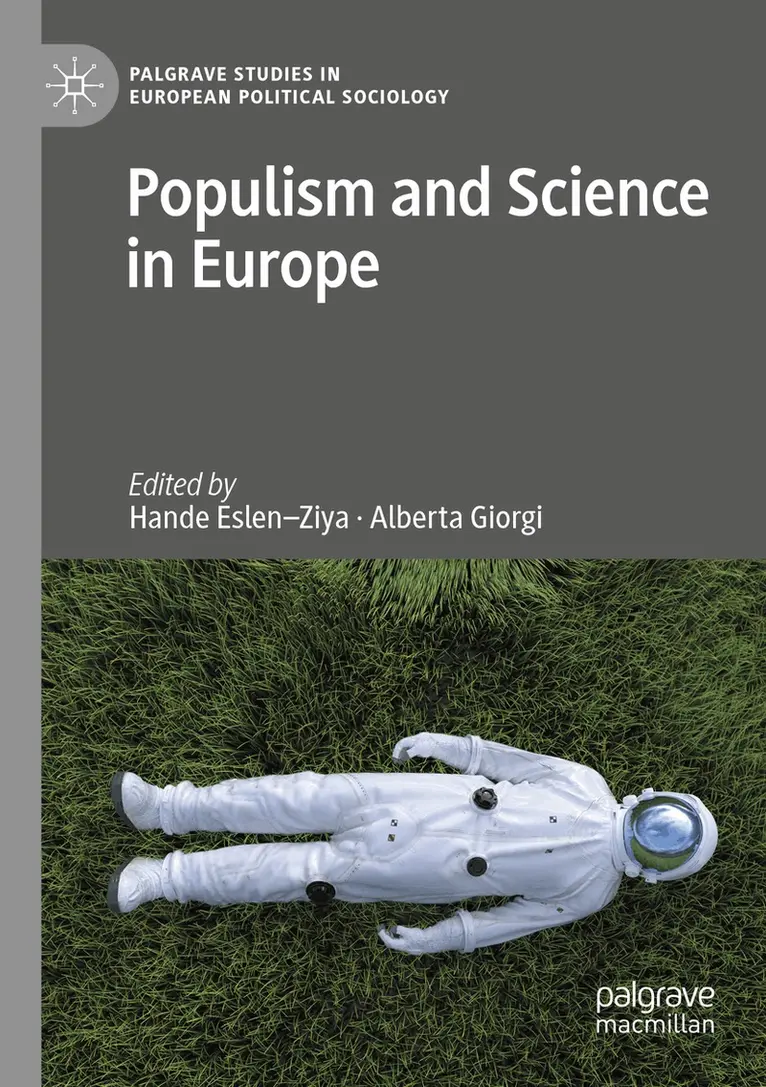
This book provides the first systematic and comparative analysis of the intersections of populism and science in Europe, from the perspective of political sociology.
Populism is the object of rich scholarly debate over its definition and the best way to approach its study. But until now, little attention has been paid to the relationships between populism and science. Recently, the Covid-19 crisis has exposed the contradictions in this relationship, and this book combines an analysis of the theoretical aspects of the relationship between populism and science with rigorous empirical research.
The theoretical perspectives show populism as a thin-ideology, as discourse and performance, and as a political logic, consider both right-wing and left-wing populism, and focus on leaders as well as citizens. The book also offers an overview of controversies within different fields of ‘science’, including case studies on food science, climate change, vaccination, gender theory, COVID-19, and environmental issues.The book will be of interest to scholars and students of a number of social science disciplines, including political sociology, political science and political psychology.
1 747 kr
Skickas inom 10-15 vardagar
2 526 kr
Skickas inom 10-15 vardagar