142 kr
Skickas inom 7-10 vardagar
142 kr
Skickas inom 7-10 vardagar
142 kr
Skickas inom 7-10 vardagar
131 kr
Skickas inom 7-10 vardagar
214 kr
Skickas
180 kr
Läs direkt efter köp
518 kr
Skickas inom 10-15 vardagar
504 kr
Skickas inom 10-15 vardagar
442 kr
Skickas inom 7-10 vardagar
428 kr
Skickas inom 7-10 vardagar
603 kr
Skickas inom 3-6 vardagar
624 kr
Läs direkt efter köp
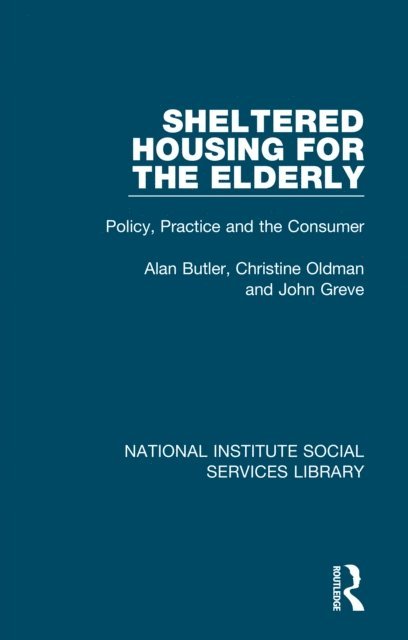
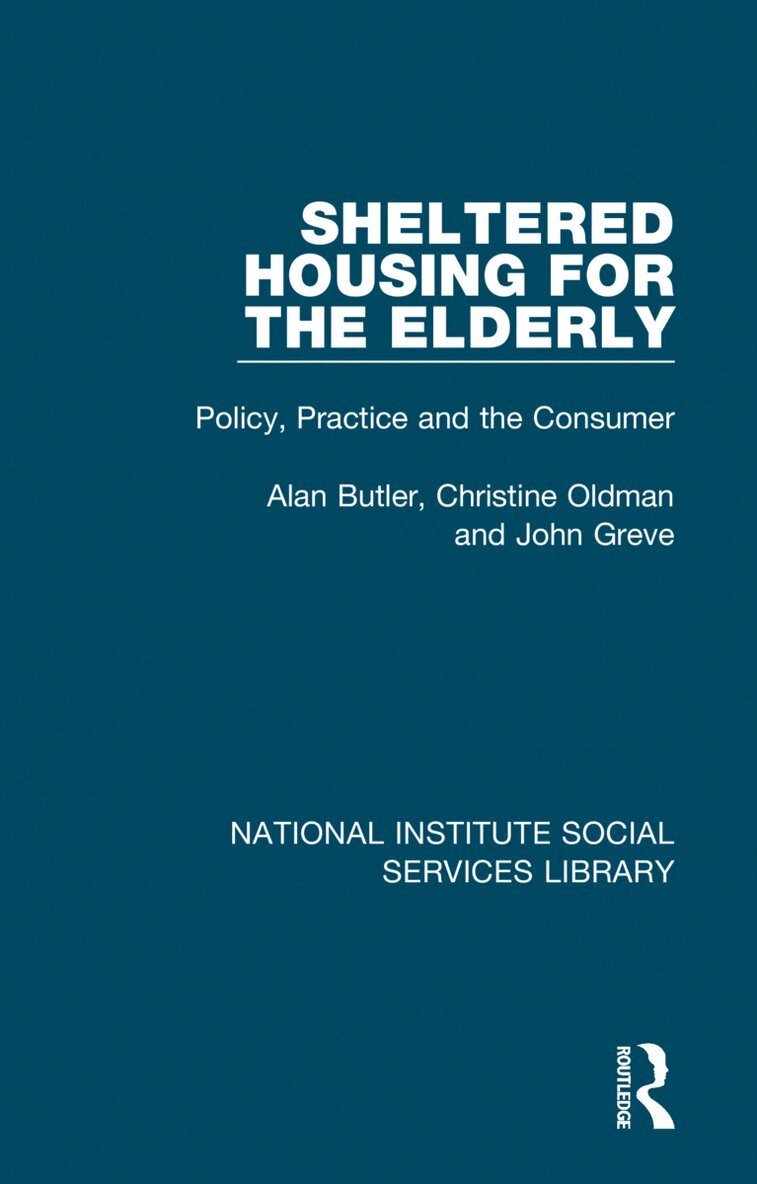
In the early-1980s, the ten million people of retirement age in the UK figured prominently among the disadvantaged and deprived. They were heavily over-represented in sub-standard housing and among those in most need of support from the personal social services.
One form of social provision which gained rapidly in popularity in the 1960s and 1970s was sheltered housing. It was seen to combine housing with care; provided support while fostering independence; and gave scope for flexibility and experimentation in adapting schemes to local circumstances. By the late 1970s hundreds of schemes were administered, and they were occupied by half a million elderly tenants. Sheltered housing was called ‘the greatest breakthrough in the housing scene since the war’. Extravagant expectations were aroused, and sheltered housing was regarded by some as the solution to all manner of complex problems.
Taking the country as a whole, however, relatively little was known about the numbers of schemes and where they were located; who owned them and how they were managed; the aims and assumptions of those who provided or advocated sheltered housing; how the schemes functioned and whether they achieved what they were set up to do; the role, experience and attitudes of wardens; what kinds of people lived in sheltered housing, their history, and how they became tenants; their assessment of the scheme; and much else.
The Leeds study, on which this book is based, originally published in 1983, was the most comprehensive and detailed to have been conducted into sheltered housing. It evoked widespread interest in Britain and abroad at the time. It sought to answer some of the important questions about the growth and proliferation of sheltered housing, to evaluate sheltered housing from different points of view – including those of tenants, and to consider the scope for future development.
While sheltered housing is the focal topic of the book it should be viewed in the broader context of social policy, administration, professional practice and client experience. The book describes in detail an innovatory and evolving form of social provision and, in doing so, illuminates the operation and impact of policy in action at several levels – from the policy-maker to the consumer, from the organisation of policy to its object.
There was significant evidence from the study that many tenants were provided with a service which was not the one they sought, or even needed, but they were given what the agency happened to have – or made – available. Among other topics, the book examines sheltered housing as a response to, or reflection of, myths and prejudices about ageing. It discusses whether elderly people should be compelled to move from familiar surroundings late in life – and how they cope when they do move. The usefulness or otherwise of alarm systems is assessed – with conclusions that throw considerable doubt on their value or reliability. The evolution and modifications taking place in sheltered housing are reported on and the scope for future initiatives is discussed.

624 kr
Läs direkt efter köp
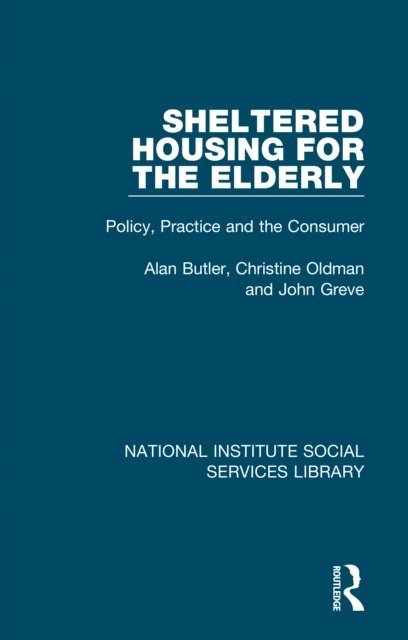
In the early-1980s, the ten million people of retirement age in the UK figured prominently among the disadvantaged and deprived. They were heavily over-represented in sub-standard housing and among those in most need of support from the personal social services.
One form of social provision which gained rapidly in popularity in the 1960s and 1970s was sheltered housing. It was seen to combine housing with care; provided support while fostering independence; and gave scope for flexibility and experimentation in adapting schemes to local circumstances. By the late 1970s hundreds of schemes were administered, and they were occupied by half a million elderly tenants. Sheltered housing was called ‘the greatest breakthrough in the housing scene since the war’. Extravagant expectations were aroused, and sheltered housing was regarded by some as the solution to all manner of complex problems.
Taking the country as a whole, however, relatively little was known about the numbers of schemes and where they were located; who owned them and how they were managed; the aims and assumptions of those who provided or advocated sheltered housing; how the schemes functioned and whether they achieved what they were set up to do; the role, experience and attitudes of wardens; what kinds of people lived in sheltered housing, their history, and how they became tenants; their assessment of the scheme; and much else.
The Leeds study, on which this book is based, originally published in 1983, was the most comprehensive and detailed to have been conducted into sheltered housing. It evoked widespread interest in Britain and abroad at the time. It sought to answer some of the important questions about the growth and proliferation of sheltered housing, to evaluate sheltered housing from different points of view – including those of tenants, and to consider the scope for future development.
While sheltered housing is the focal topic of the book it should be viewed in the broader context of social policy, administration, professional practice and client experience. The book describes in detail an innovatory and evolving form of social provision and, in doing so, illuminates the operation and impact of policy in action at several levels – from the policy-maker to the consumer, from the organisation of policy to its object.
There was significant evidence from the study that many tenants were provided with a service which was not the one they sought, or even needed, but they were given what the agency happened to have – or made – available. Among other topics, the book examines sheltered housing as a response to, or reflection of, myths and prejudices about ageing. It discusses whether elderly people should be compelled to move from familiar surroundings late in life – and how they cope when they do move. The usefulness or otherwise of alarm systems is assessed – with conclusions that throw considerable doubt on their value or reliability. The evolution and modifications taking place in sheltered housing are reported on and the scope for future initiatives is discussed.

1 893 kr
Skickas inom 10-15 vardagar
548 kr
Skickas inom 10-15 vardagar
2 210 kr
Skickas inom 10-15 vardagar
518 kr
Skickas inom 10-15 vardagar
607 kr
Läs direkt efter köp
602 kr
Läs direkt efter köp
561 kr
Läs direkt efter köp
530 kr
Läs direkt efter köp
213 kr
Skickas inom 3-6 vardagar
249 kr
Skickas inom 3-6 vardagar
251 kr
Skickas inom 3-6 vardagar
249 kr
Skickas inom 3-6 vardagar
251 kr
Skickas inom 3-6 vardagar
184 kr
Skickas inom 3-6 vardagar
260 kr
Skickas inom 11-20 vardagar
165 kr
Skickas inom 7-10 vardagar
114 kr
Skickas inom 7-10 vardagar
246 kr
Skickas