451 kr
451 kr
695 kr
Skickas inom 10-15 vardagar
2 526 kr
Skickas inom 10-15 vardagar
687 kr
Skickas inom 10-15 vardagar
687 kr
Skickas inom 10-15 vardagar
651 kr
Skickas inom 10-15 vardagar
490 kr
Skickas inom 10-15 vardagar
2 526 kr
Skickas inom 10-15 vardagar
820 kr
Läs direkt efter köp
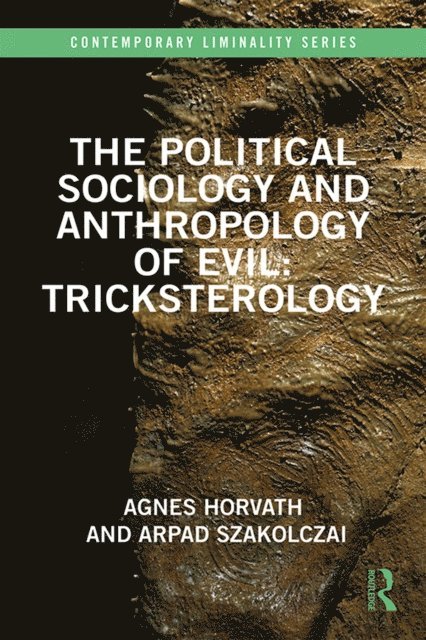
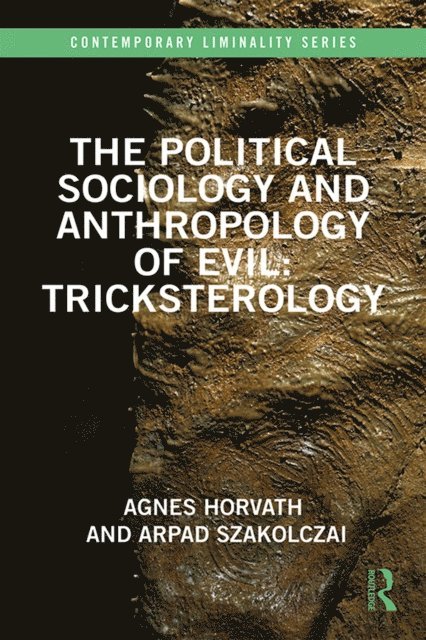
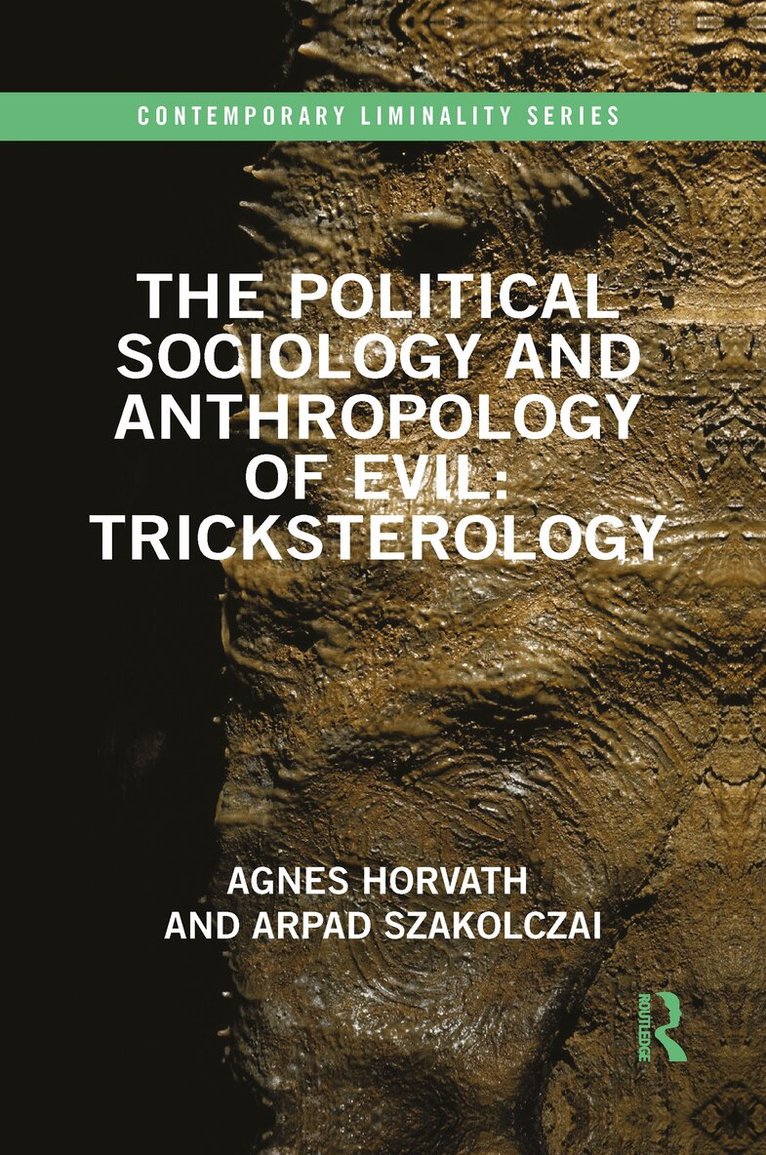
This book offers a new approach to the problem of evil through an examination of the anthropological figure of the ‘trickster’. A lesser known and much more recent term than evil, the authors use the trickster to facilitate a greater understanding of the return of evil in the modern era. Instead of simply opposing ‘good’ and ‘evil’, the figure of the trickster is used to pursue the trajectories of similarities and quasi-similarities through imitation.
After engaging with the trickster as presented in comparative anthropology and mythology, where it appears in tales and legends as a strange, erratic outsider, the authors seek to gain an inside perspective of trickster knowledge through an examination of mythology and the classical world, including both philosophers and poets. The book then goes on to trace the trickster through prehistory, using archaeological evidence to complement the diverse narratives. In this way, and by investigating the knowledge and customs surrounding evil, the authors use the figure of the trickster to provide an unprecedented diagnosis of the contemporary world, where external, mechanical rationality has become taken for granted and even considered as foundational in politics, economics, and technologised science. The authors advance the idea that the modern world, with its global free markets, mass mediatic democracy and technologised science, represents a universalisation of trickster logic. The Political Sociology and Anthropology of the Evil will be of interest to scholars working in the fields of social theory, political anthropology and political sociology, as well as those interested in the ways in which evil can infiltrate reality.
832 kr
Läs direkt efter köp
This book offers a new approach to the problem of evil through an examination of the anthropological figure of the ‘trickster’. A lesser known and much more recent term than evil, the authors use the trickster to facilitate a greater understanding of the return of evil in the modern era. Instead of simply opposing ‘good’ and ‘evil’, the figure of the trickster is used to pursue the trajectories of similarities and quasi-similarities through imitation.
After engaging with the trickster as presented in comparative anthropology and mythology, where it appears in tales and legends as a strange, erratic outsider, the authors seek to gain an inside perspective of trickster knowledge through an examination of mythology and the classical world, including both philosophers and poets. The book then goes on to trace the trickster through prehistory, using archaeological evidence to complement the diverse narratives. In this way, and by investigating the knowledge and customs surrounding evil, the authors use the figure of the trickster to provide an unprecedented diagnosis of the contemporary world, where external, mechanical rationality has become taken for granted and even considered as foundational in politics, economics, and technologised science. The authors advance the idea that the modern world, with its global free markets, mass mediatic democracy and technologised science, represents a universalisation of trickster logic. The Political Sociology and Anthropology of the Evil will be of interest to scholars working in the fields of social theory, political anthropology and political sociology, as well as those interested in the ways in which evil can infiltrate reality.
2 515 kr
Skickas inom 10-15 vardagar
2 515 kr
Skickas inom 10-15 vardagar
814 kr
Läs direkt efter köp
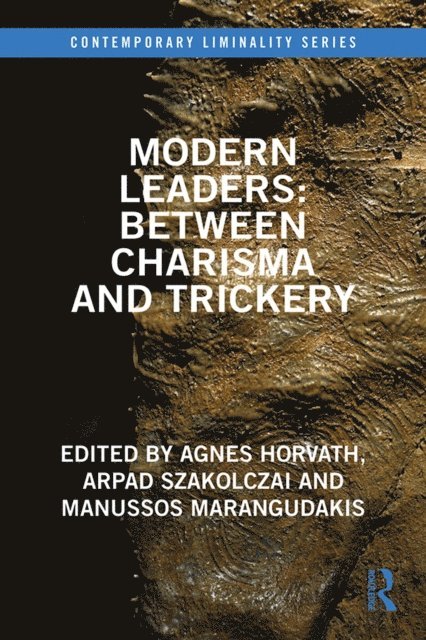
This book considers the current striking rise of ‘outsider’ political leaders, catapulted, apparently, from nowhere, to take charge of a nation. Arguing that such leaders can be better understood with the help of the anthropologically based concept of ‘the trickster’, it offers studies of contemporary political figures from the world stage – including Presidents Macron, Tsipras, Orbán and Bolsonaro, among others – to examine the ways in which charismatic and trickster modalities can become intertwined, especially under the impact of theatrical public media. Looking beyond the commonly invoked notion of ‘charisma’ to revisit the question of political leadership in light of the recent rise of new type of ‘outsider’ leaders, Modern Leaders: Between Charisma and Trickery offers an account of leadership informed by social and anthropological theory. As such, it will appeal to scholars across the social sciences with interests in political thought and the problem of political leadership.
746 kr
Läs direkt efter köp
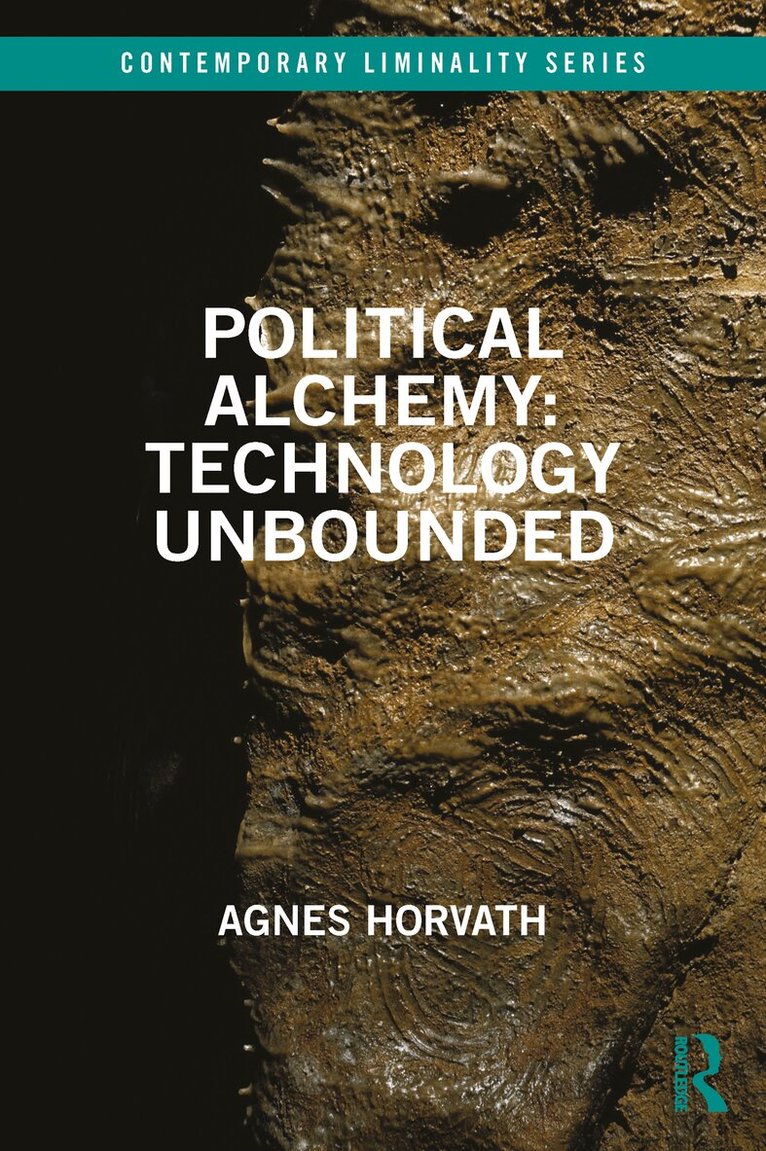
This book explores politics as a form of alchemy, understood as the transformation of entities through an alteration of their identities. Identifying this process as a common denominator of many political phenomena, such as EU integration, mediatisation, communism or globalisation, the author demonstrates not only the widespread presence of alchemical techniques in politics, but also the acceleration of their deployment. A study of the steady growth of power as it reaches a continuous and permanent stage, thus avoiding the inherent difficulties connected with birth and death of political organisations and institutions, this volume reveals political alchemy to be a form of self-sustaining growth through sterile multiplication, devoid of meaning. Revealing both the integrative and disintegrative nature of a political process that, while appearing to work in the interests of all, in fact produces apathy, desperate mobilisation and despair by crushing concrete entities such as personality and tradition, Political Alchemy: Technology Unbounded will appeal to scholars of sociology and anthropology with interests in social theory and political thought.
762 kr
Läs direkt efter köp
This book explores politics as a form of alchemy, understood as the transformation of entities through an alteration of their identities. Identifying this process as a common denominator of many political phenomena, such as EU integration, mediatisation, communism or globalisation, the author demonstrates not only the widespread presence of alchemical techniques in politics, but also the acceleration of their deployment. A study of the steady growth of power as it reaches a continuous and permanent stage, thus avoiding the inherent difficulties connected with birth and death of political organisations and institutions, this volume reveals political alchemy to be a form of self-sustaining growth through sterile multiplication, devoid of meaning. Revealing both the integrative and disintegrative nature of a political process that, while appearing to work in the interests of all, in fact produces apathy, desperate mobilisation and despair by crushing concrete entities such as personality and tradition, Political Alchemy: Technology Unbounded will appeal to scholars of sociology and anthropology with interests in social theory and political thought.
745 kr
Läs direkt efter köp
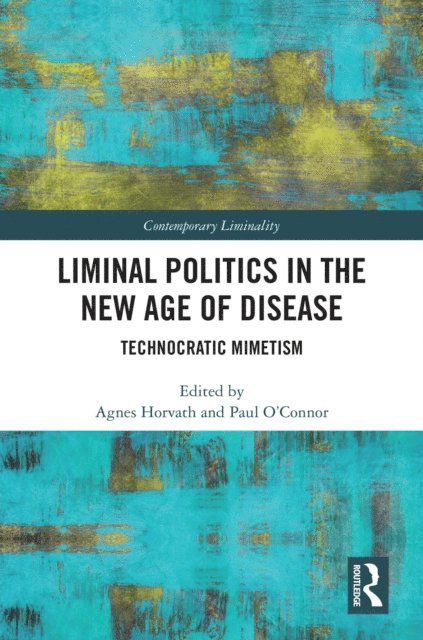
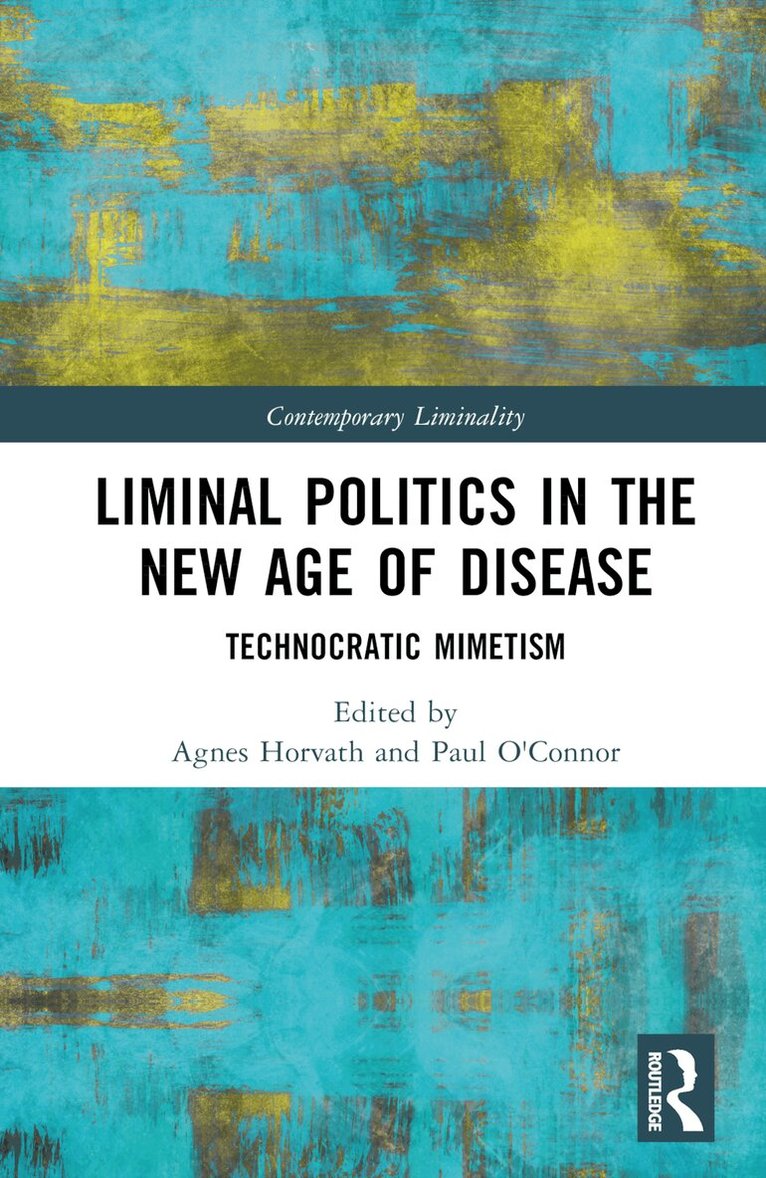
Liminal Politics in the New Age of Disease explores the phenomenon of ‘liminal politics’: an open-ended ‘state of exception’ in which normal rules no longer apply, and things which were previously unimaginable become possible – even appearing remarkably quickly to represent a ‘new normal’. With attention to the emergency measures introduced to counter the spread of Covid-19, it shows how the emergency suspension of democratic accountability, ordinary life and civil liberties, while accidental, can lend itself to orchestration and exploitation for the purpose of political gain by ‘trickster’ or ‘parasitic’ figures. An examination of the cloning of political responses from jurisdiction to jurisdiction, with little consideration of their rational justification or local context, this volume interrogates the underlying dynamics of a global technological mimetism, as novel technocratic interventions are repeated and the way is opened for new technologies to reorganise social life in a manner that threatens the disintegration of its existing patterns. As such, it will appeal to scholars and students of sociology, social theory and anthropological theory with interests in political expediency and the transformation of social life.
729 kr
Läs direkt efter köp
Liminal Politics in the New Age of Disease explores the phenomenon of ‘liminal politics’: an open-ended ‘state of exception’ in which normal rules no longer apply, and things which were previously unimaginable become possible – even appearing remarkably quickly to represent a ‘new normal’. With attention to the emergency measures introduced to counter the spread of Covid-19, it shows how the emergency suspension of democratic accountability, ordinary life and civil liberties, while accidental, can lend itself to orchestration and exploitation for the purpose of political gain by ‘trickster’ or ‘parasitic’ figures. An examination of the cloning of political responses from jurisdiction to jurisdiction, with little consideration of their rational justification or local context, this volume interrogates the underlying dynamics of a global technological mimetism, as novel technocratic interventions are repeated and the way is opened for new technologies to reorganise social life in a manner that threatens the disintegration of its existing patterns. As such, it will appeal to scholars and students of sociology, social theory and anthropological theory with interests in political expediency and the transformation of social life.
692 kr
Skickas inom 10-15 vardagar
2 136 kr
Skickas inom 10-15 vardagar
634 kr
Skickas inom 10-15 vardagar
2 515 kr
Skickas inom 10-15 vardagar
707 kr
Skickas inom 10-15 vardagar
813 kr
Läs direkt efter köp
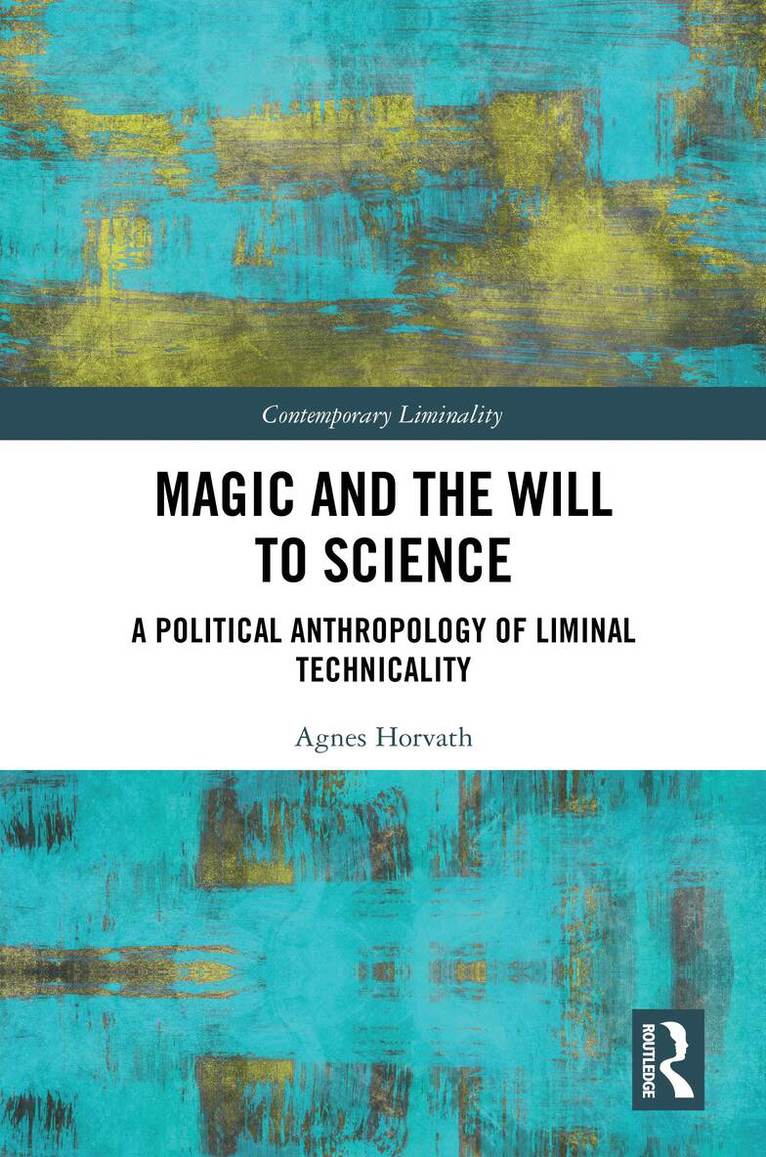
This book offers a political anthropological perspective on the problematic character of science, combining insights from historical sociology, political theory, and cultural anthropology. Its central idea, departing from the works of Frances Yates and the Gnosticism thesis of Eric Voegelin, is that far from being the radical opposite of magic, modern science effectively grew out of magic, and its varieties, like alchemy, Hermetic philosophy, the occult, Gnosticism, and Neoplatonism. Showing that the desire to use science to solve various – real or presumed – problems of human existence has created a permanent liminal crisis, it contends that the ‘will to science’ is parasitic, existing as it does in sheer relationality, outside of and in between concrete places and communities. A study of the mutual relationship between magic and science in different historical eras, ranging from the Early Neolithic to recent disease prevention ideas, Magic and the Will to Science will appeal to scholars and students of social and anthropological theory, and the philosophy and sociology of science.
745 kr
Läs direkt efter köp
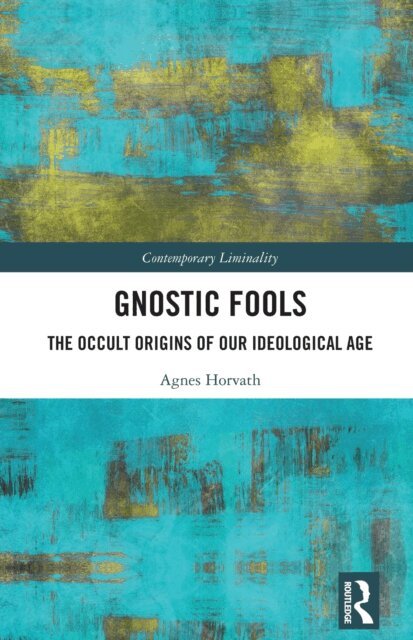
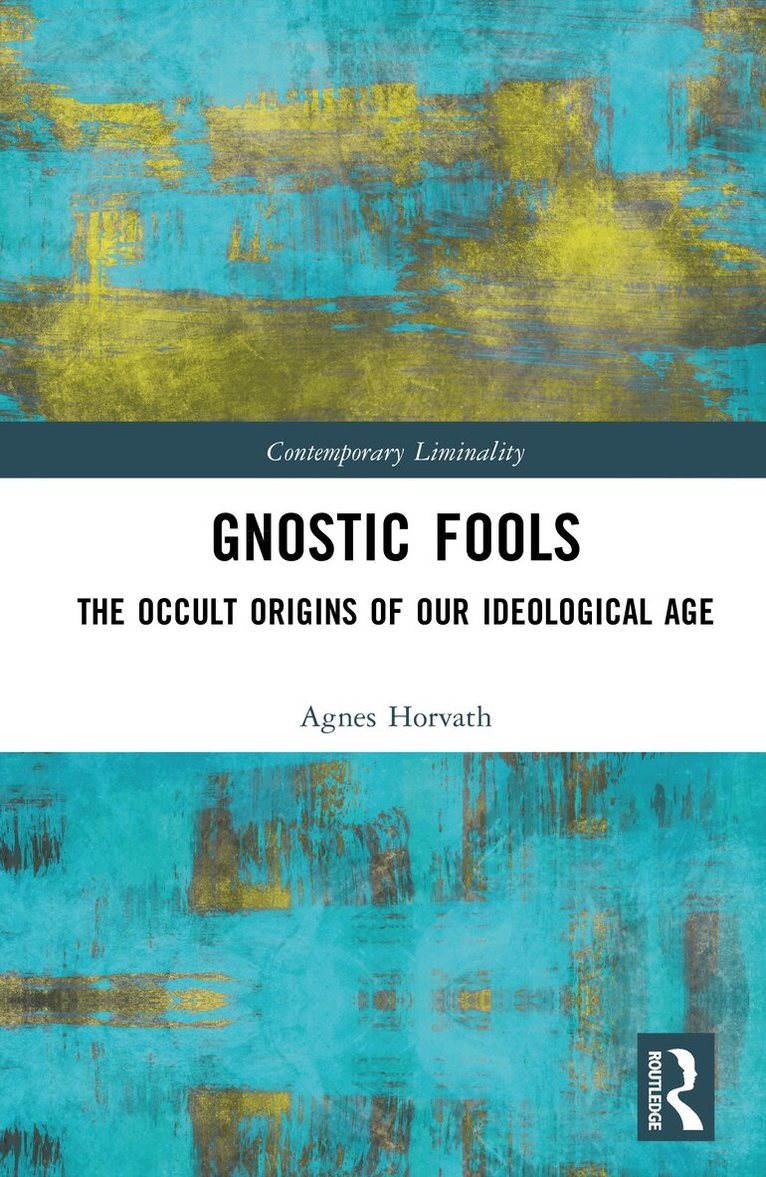
This book offers a political anthropological discussion of our contemporary situation regarding sceptical attitudes towards scientific expertise and authority, and the increasing role of power and politics. It does so through an exploration of the ‘fool’ or ‘Gnostic fool’ as a type, drawing on ideas about the modality of the anthropological trickster figure and the mentalities that this type disseminates.
Arguing that a recent dissolution of stable identities has made orderly action and connections impossible, the author shows that we are now entering into a confused understanding of ourselves, no longer linked to history or society, nor to our sexes or personality. In this period, the growing interest in magical and occult traditions reflects increasing feelings of powerlessness against the whims of politics, power and authority; where rational thinking disappoints and fails, a new Gnostic universe is born. The relationship between standard uses of the ‘fool’ and the ‘Gnostic fool’ is addressed using political and social theory, sociology and anthropology, religious studies, and the history of ideas. The book thus combines a study of familiar, traditional texts with unusual phenomena from both recent and distant history, elucidating their surprising prevalence in surrounding contemporary power structures. Addressing a crucial aspect of contemporary reality, characterising and interrogating the (self-)production of fools and the Gnostic intellectual type, it details a serious and puzzling blind spot in academic scholarship.
As such, it will be of central relevance to scholars, researchers, and postgraduate students working in anthropology, ethnography, sociology, historical sociology, religious studies, and philosophy worldwide.

740 kr
Läs direkt efter köp
This book offers a political anthropological discussion of our contemporary situation regarding sceptical attitudes towards scientific expertise and authority, and the increasing role of power and politics. It does so through an exploration of the ‘fool’ or ‘Gnostic fool’ as a type, drawing on ideas about the modality of the anthropological trickster figure and the mentalities that this type disseminates.
Arguing that a recent dissolution of stable identities has made orderly action and connections impossible, the author shows that we are now entering into a confused understanding of ourselves, no longer linked to history or society, nor to our sexes or personality. In this period, the growing interest in magical and occult traditions reflects increasing feelings of powerlessness against the whims of politics, power and authority; where rational thinking disappoints and fails, a new Gnostic universe is born. The relationship between standard uses of the ‘fool’ and the ‘Gnostic fool’ is addressed using political and social theory, sociology and anthropology, religious studies, and the history of ideas. The book thus combines a study of familiar, traditional texts with unusual phenomena from both recent and distant history, elucidating their surprising prevalence in surrounding contemporary power structures. Addressing a crucial aspect of contemporary reality, characterising and interrogating the (self-)production of fools and the Gnostic intellectual type, it details a serious and puzzling blind spot in academic scholarship.
As such, it will be of central relevance to scholars, researchers, and postgraduate students working in anthropology, ethnography, sociology, historical sociology, religious studies, and philosophy worldwide.

2 515 kr
Skickas inom 10-15 vardagar
1 569 kr
Skickas inom 10-15 vardagar
2 489 kr
Skickas inom 10-15 vardagar