676 kr
Skickas inom 10-15 vardagar
676 kr
Skickas inom 10-15 vardagar
2 544 kr
Skickas inom 10-15 vardagar
738 kr
Läs direkt efter köp
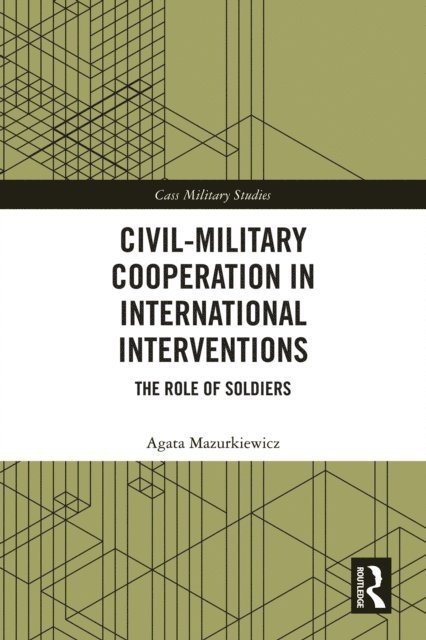
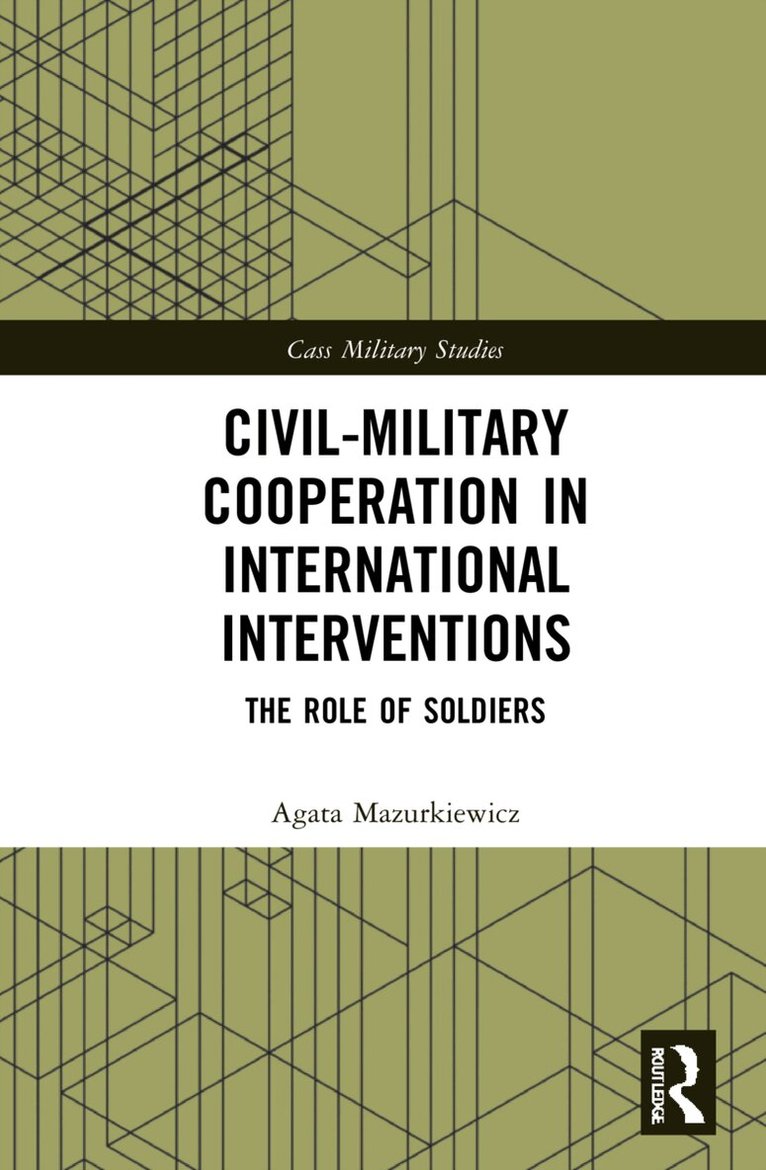
This book investigates the challenges related to civil-military cooperation (CIMIC) and offers a new perspective by examining the social role of NATO CIMIC soldiers.
The intertwining of the civilian and military spheres has become a significant part of the contemporary security environment. However, the relationship between the military and civilian actors is often troubled, filled with misunderstandings and rivalry. In their duty to provide a link between the military and diverse civilian environment, soldiers involved in CIMIC are exposed to varied, often-conflicted expectations that make up their social role and put stress on their performance and the effectiveness of CIMIC. By drawing on analysis of NATO CIMIC documents and a series of interviews with CIMIC soldiers, the author is able to, first, identify the elements of the CIMIC role and, second, diagnose the inherent role conflict and describe methods of dealing with it. Looking at civil-military cooperation through this lens reveals new layers of challenges that impact its effectiveness and a better way to understand the complexity of civil-military interaction.
This book will be of much interest to students of military studies, military sociology, peacekeeping, security studies, and international relations, as well as military practitioners.
757 kr
Läs direkt efter köp
This book investigates the challenges related to civil-military cooperation (CIMIC) and offers a new perspective by examining the social role of NATO CIMIC soldiers.
The intertwining of the civilian and military spheres has become a significant part of the contemporary security environment. However, the relationship between the military and civilian actors is often troubled, filled with misunderstandings and rivalry. In their duty to provide a link between the military and diverse civilian environment, soldiers involved in CIMIC are exposed to varied, often-conflicted expectations that make up their social role and put stress on their performance and the effectiveness of CIMIC. By drawing on analysis of NATO CIMIC documents and a series of interviews with CIMIC soldiers, the author is able to, first, identify the elements of the CIMIC role and, second, diagnose the inherent role conflict and describe methods of dealing with it. Looking at civil-military cooperation through this lens reveals new layers of challenges that impact its effectiveness and a better way to understand the complexity of civil-military interaction.
This book will be of much interest to students of military studies, military sociology, peacekeeping, security studies, and international relations, as well as military practitioners.
2 544 kr
Skickas inom 10-15 vardagar
715 kr
Skickas inom 10-15 vardagar
791 kr
Läs direkt efter köp
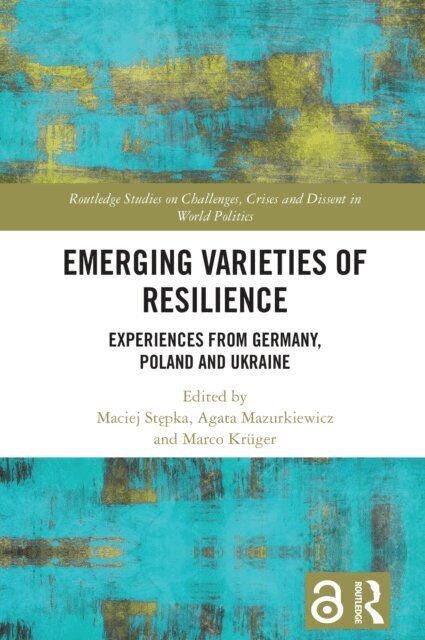
This book focuses on developments of resilience in Europe, discussing its different interpretations and enactments, as well as approaches to national security and crisis and disaster management.
Examining war-time resilience, increased refugee flows into the EU, societal resilience, and its general application of the concept in national security strategies, the book juxtaposes the multifaceted nature of resilience in different, yet connected, European countries. In doing so, it illuminates the multiplicity of approaches and interpretations that allows a deeper understanding of dynamically (re)developing approaches to resilience.
This book will be of key interest to scholars, students, and practitioners working in crisis response, disaster management, and resilience and more broadly to European studies, migration studies, security studies, politics, public policy, and international relations.
Chapter 4 and Chapter 6 of this book are freely available as a downloadable Open Access PDFs at http://www.taylorfrancis.com under a Creative Commons Attribution-Non Commercial-No Derivatives (CC-BY-NC-ND) 4.0 license.
797 kr
Läs direkt efter köp
This book focuses on developments of resilience in Europe, discussing its different interpretations and enactments, as well as approaches to national security and crisis and disaster management.
Examining war-time resilience, increased refugee flows into the EU, societal resilience, and its general application of the concept in national security strategies, the book juxtaposes the multifaceted nature of resilience in different, yet connected, European countries. In doing so, it illuminates the multiplicity of approaches and interpretations that allows a deeper understanding of dynamically (re)developing approaches to resilience.
This book will be of key interest to scholars, students, and practitioners working in crisis response, disaster management, and resilience and more broadly to European studies, migration studies, security studies, politics, public policy, and international relations.
Chapter 4 and Chapter 6 of this book are freely available as a downloadable Open Access PDFs at http://www.taylorfrancis.com under a Creative Commons Attribution-Non Commercial-No Derivatives (CC-BY-NC-ND) 4.0 license.