1 020 kr
Läs direkt efter köp
1 020 kr
Läs direkt efter köp
1 013 kr
Läs direkt efter köp
411 kr
Skickas inom 7-10 vardagar
658 kr
Skickas inom 10-15 vardagar
663 kr
Skickas inom 10-15 vardagar
785 kr
Läs direkt efter köp
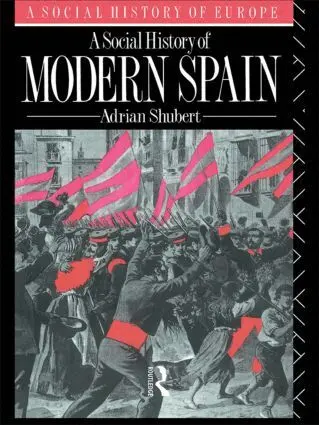
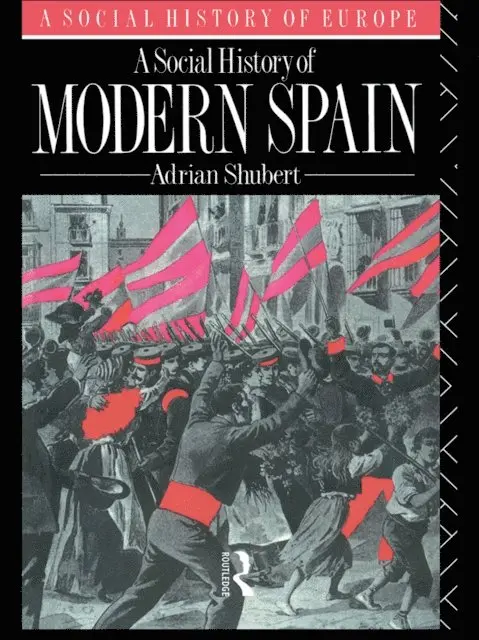
Insightful and accessible, A Social History of Modern Spain is the first comprehensive social history of modern Spain in any language. Adrian Shubert analyzes the social development of Spain since 1800. He explores the social conflicts at the root of the Spanish Civil War and how that war and the subsequent changes from democracy to Franco and back again have shaped the social relations of the country. Paying equal attention to the rural and urban worlds and respecting the great regional diversity within Spain, Shubert draws a sophisticated picture of a country struggling with the problems posed by political, economic, and social change. He begins with an overview of the rural economy and the relationship of the people to the land, then moves on to an analysis of the work and social lives of the urban population. He then discusses the changing roles of the clergy, the military, and the various local government, community, and law enforcement officials. A Social History of Modern Spain concludes with an analysis of the dramatic political, economic, and social changes during the Franco regime and during the subsequent return to democracy.
2 564 kr
Skickas inom 10-15 vardagar
1 610 kr
Skickas inom 10-15 vardagar
1 974 kr
Skickas inom 10-15 vardagar
642 kr
Läs direkt efter köp
642 kr
Läs direkt efter köp
590 kr
Skickas inom 10-15 vardagar
488 kr
Skickas inom 10-15 vardagar
1 100 kr
Skickas inom 10-15 vardagar
368 kr
Skickas inom 7-10 vardagar
401 kr
Läs direkt efter köp
401 kr
Läs direkt efter köp
320 kr
Kommande
1 090 kr
Kommande
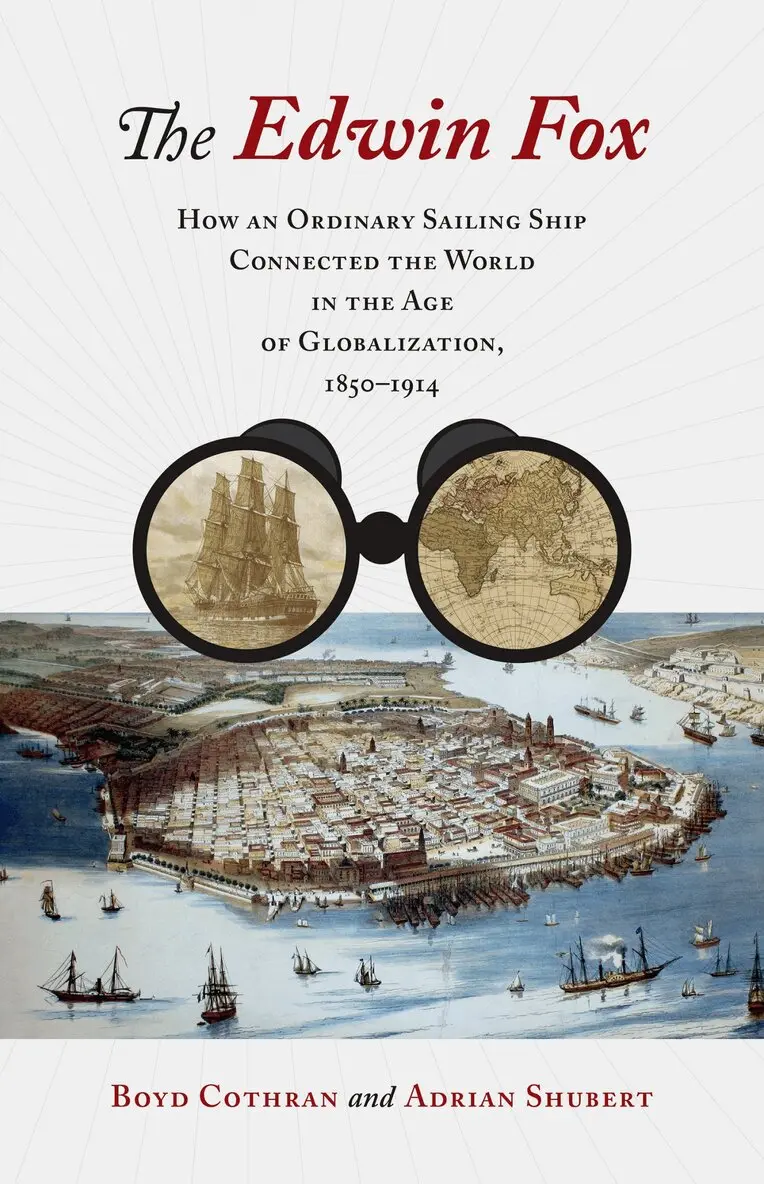
How an Ordinary Sailing Ship Connected the World in the Age of Globalization, 1850-1914
403 kr
Skickas inom 3-6 vardagar
2 214 kr
Läs direkt efter köp
471 kr
Skickas inom 10-15 vardagar
1 457 kr
Skickas inom 10-15 vardagar
510 kr
Läs direkt efter köp
514 kr
Läs direkt efter köp
717 kr
Skickas inom 7-10 vardagar
949 kr
Skickas inom 7-10 vardagar
420 kr
Läs direkt efter köp
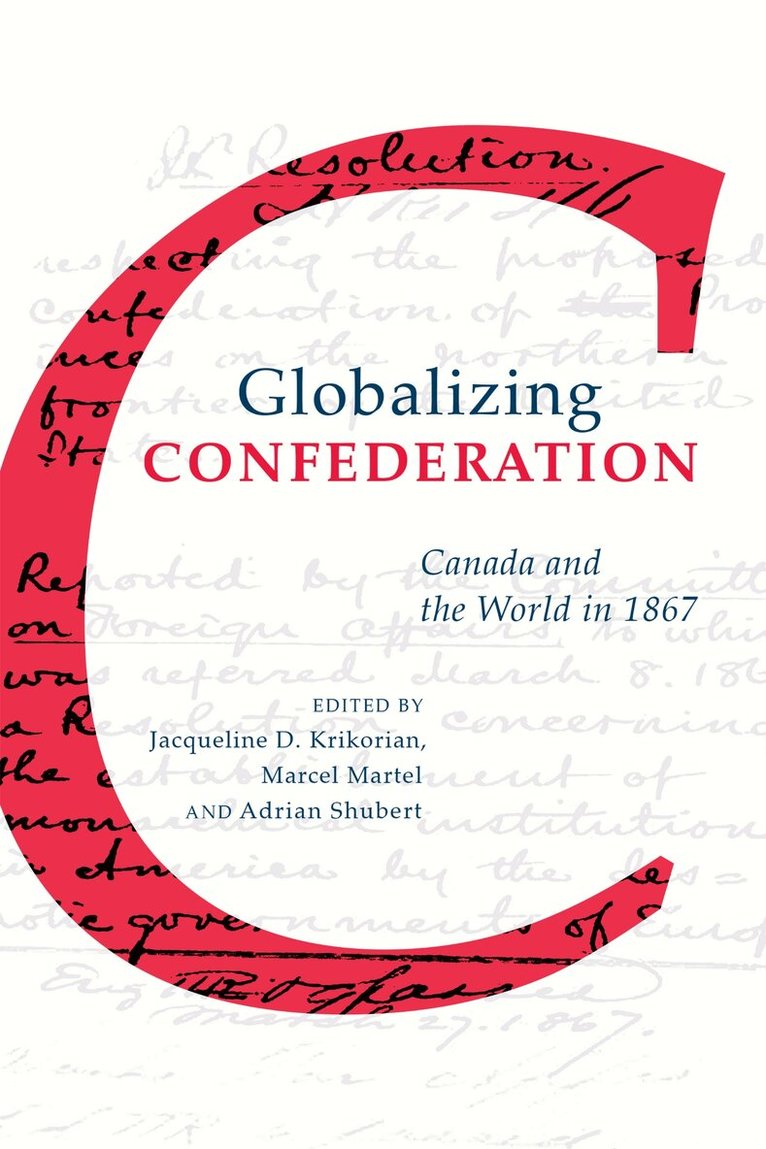
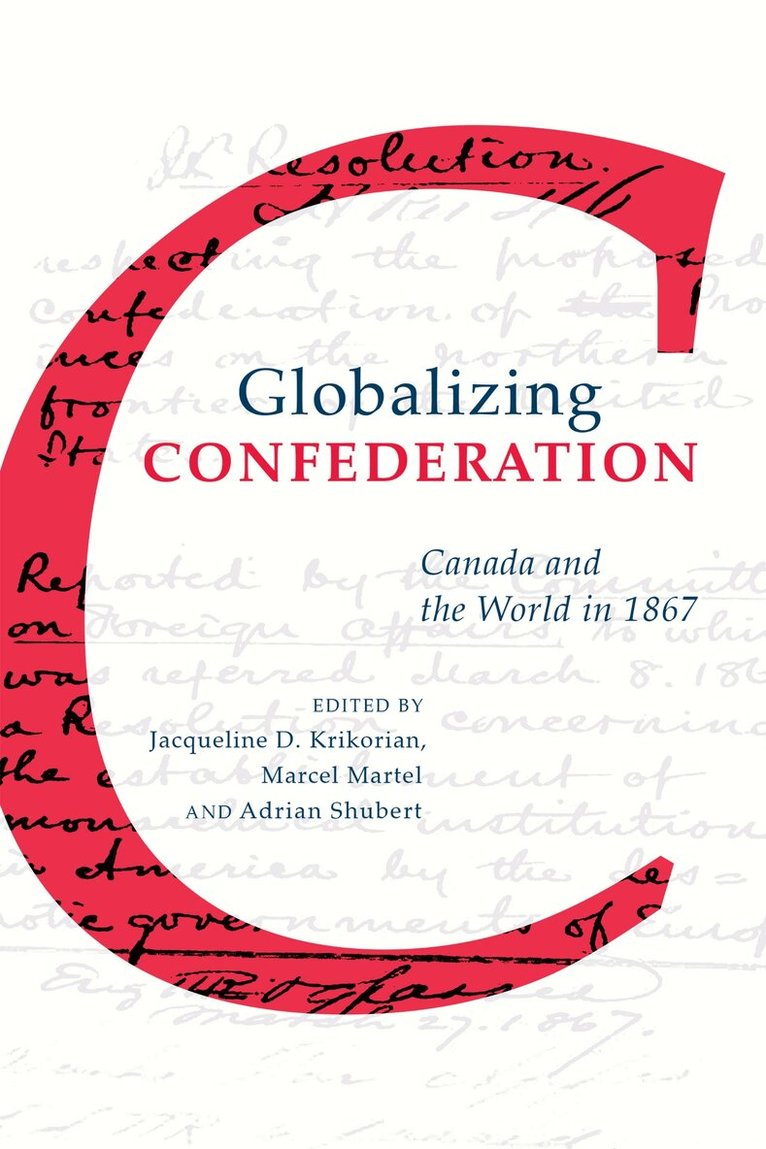
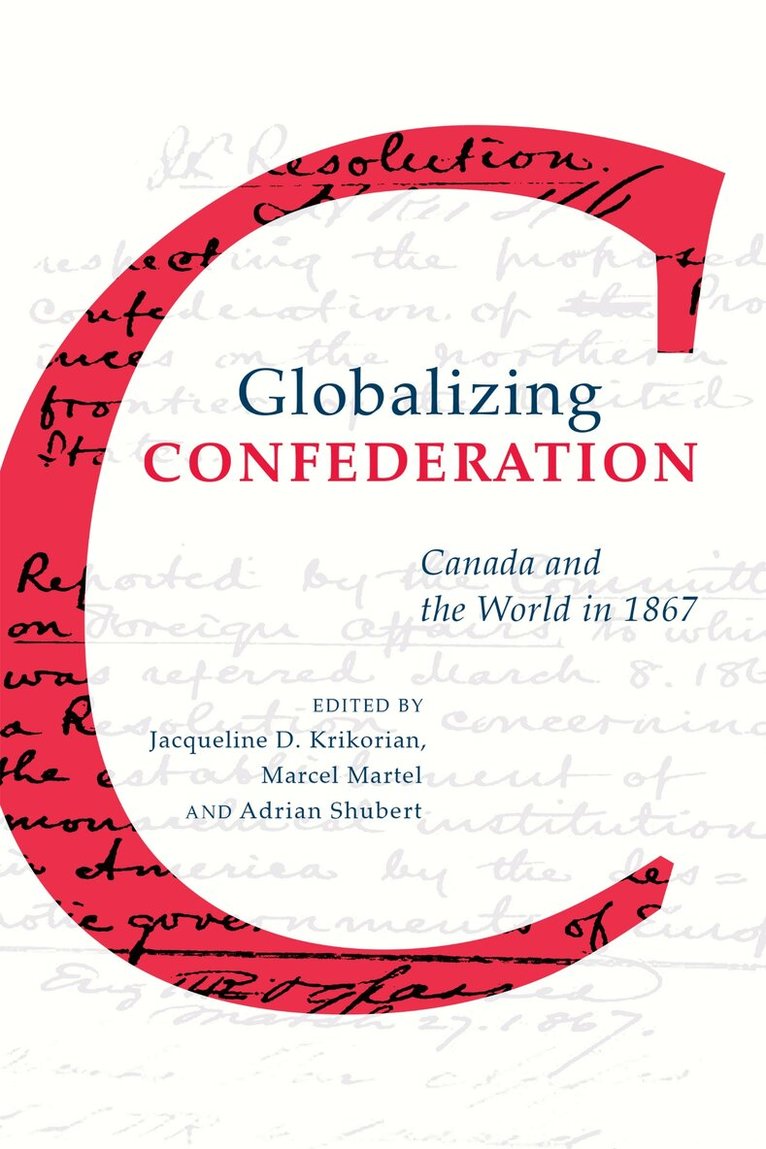
Globalizing Confederation brings together original research from 17 scholars to provide an international perspective on Canada’s Confederation in 1867. In seeking to ascertain how others understood, constructed or considered the changes taking place in British North America, Globalizing Confederation unpacks a range of viewpoints, including those from foreign governments, British colonies, and Indigenous peoples.
Exploring perspectives from the Austro-Hungarian Empire, France, Latin America, New Zealand, and the Vatican, among others, as well as considering the impact of Confederation on the rights of Indigenous peoples during this period, the contributors to this collection present how Canada’s Confederation captured the imaginations of people around the world in the 1860s. Globalizing Confederation reveals how some viewed the 1867 changes to Canada as part of a reorganization of the British Empire, while others contextualized it in the literature on colonization more broadly, while still others framed the event as part of a re-alignment or power shift among the Spanish, French and British empires. While many people showed interest in the Confederation debates, others, such as South Africa and the West Indies, expressed little interest in the establishment of Canada until it had profound effects on their corners of the global political landscape.