386 kr
Skickas
386 kr
Skickas
2 769 kr
Skickas inom 10-15 vardagar
698 kr
Skickas inom 10-15 vardagar
653 kr
Skickas inom 10-15 vardagar
746 kr
Läs direkt efter köp
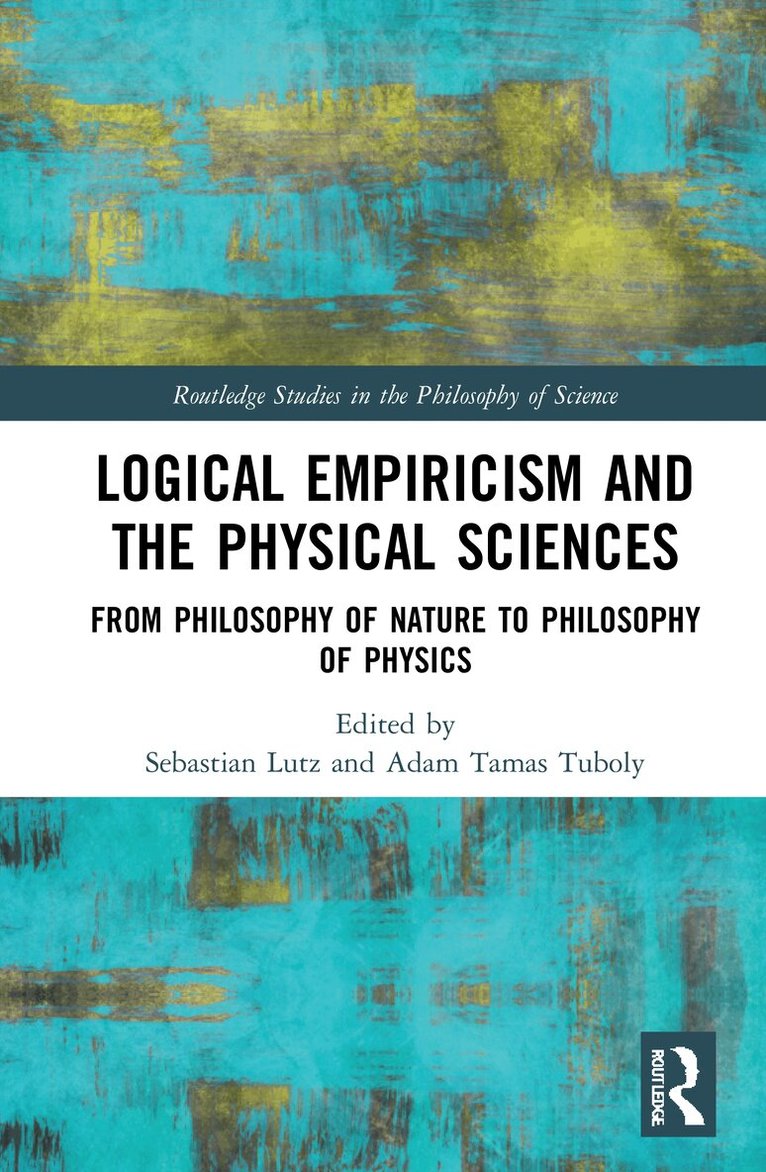
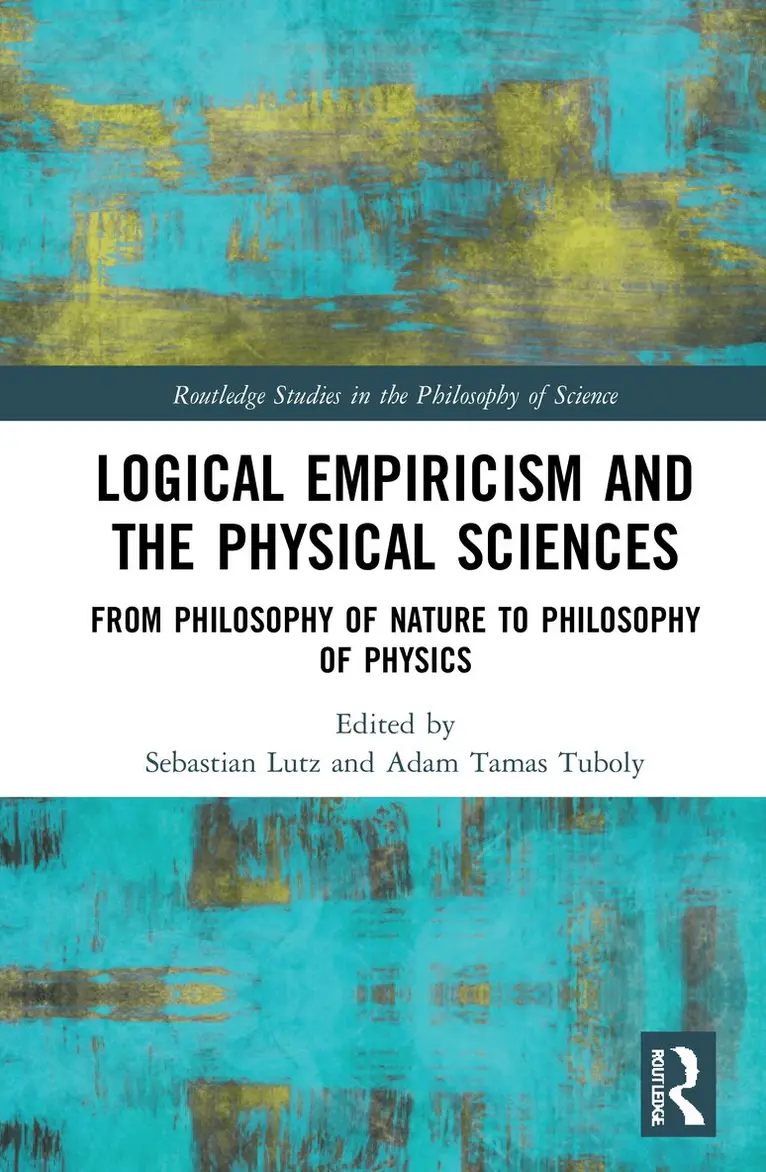
This volume has two primary aims: to trace the traditions and changes in methods, concepts, and ideas that brought forth the logical empiricists’ philosophy of physics and to present and analyze the logical empiricists’ various and occasionally contrary ideas about the physical sciences and their philosophical relevance. These original chapters discuss these developments in their original contexts and social and institutional environments, thus showing the various fruitful conceptions and philosophies behind the history of 20th-century philosophy of science.
Logical Empiricism and the Natural Sciences is divided into three thematic sections. Part I surveys the influences on logical empiricism’s philosophy of science and physics. It features chapters on Maxwell’s role in the worldview of logical empiricism, on Reichenbach’s account of objectivity, on the impact of Poincaré on Neurath’s early views on scientific method, Frank’s exchanges with Einstein about philosophy of physics, and on the forgotten role of Kurt Grelling. Part II focuses on specific physical theories, including Carnap’s and Reichenbach’s positions on Einstein’s theory of general relativity, Reichenbach’s critique of unified field theory, and the logical empiricists’ reactions to quantum mechanics. The third and final group of chapters widens the scope to philosophy of science and physics in general. It includes contributions on von Mises’ frequentism; Frank’s account of concept formation and confirmation; and the interrelations between Nagel’s, Feigl’s, and Hempel’s versions of logical empiricism.
This book offers a comprehensive account of the logical empiricists’ philosophy of physics. It is a valuable resource for researchers interested in the history and philosophy of science, philosophy of physics, and the history of analytic philosophy.
762 kr
Läs direkt efter köp
This volume has two primary aims: to trace the traditions and changes in methods, concepts, and ideas that brought forth the logical empiricists’ philosophy of physics and to present and analyze the logical empiricists’ various and occasionally contrary ideas about the physical sciences and their philosophical relevance. These original chapters discuss these developments in their original contexts and social and institutional environments, thus showing the various fruitful conceptions and philosophies behind the history of 20th-century philosophy of science.
Logical Empiricism and the Natural Sciences is divided into three thematic sections. Part I surveys the influences on logical empiricism’s philosophy of science and physics. It features chapters on Maxwell’s role in the worldview of logical empiricism, on Reichenbach’s account of objectivity, on the impact of Poincaré on Neurath’s early views on scientific method, Frank’s exchanges with Einstein about philosophy of physics, and on the forgotten role of Kurt Grelling. Part II focuses on specific physical theories, including Carnap’s and Reichenbach’s positions on Einstein’s theory of general relativity, Reichenbach’s critique of unified field theory, and the logical empiricists’ reactions to quantum mechanics. The third and final group of chapters widens the scope to philosophy of science and physics in general. It includes contributions on von Mises’ frequentism; Frank’s account of concept formation and confirmation; and the interrelations between Nagel’s, Feigl’s, and Hempel’s versions of logical empiricism.
This book offers a comprehensive account of the logical empiricists’ philosophy of physics. It is a valuable resource for researchers interested in the history and philosophy of science, philosophy of physics, and the history of analytic philosophy.
808 kr
Läs direkt efter köp
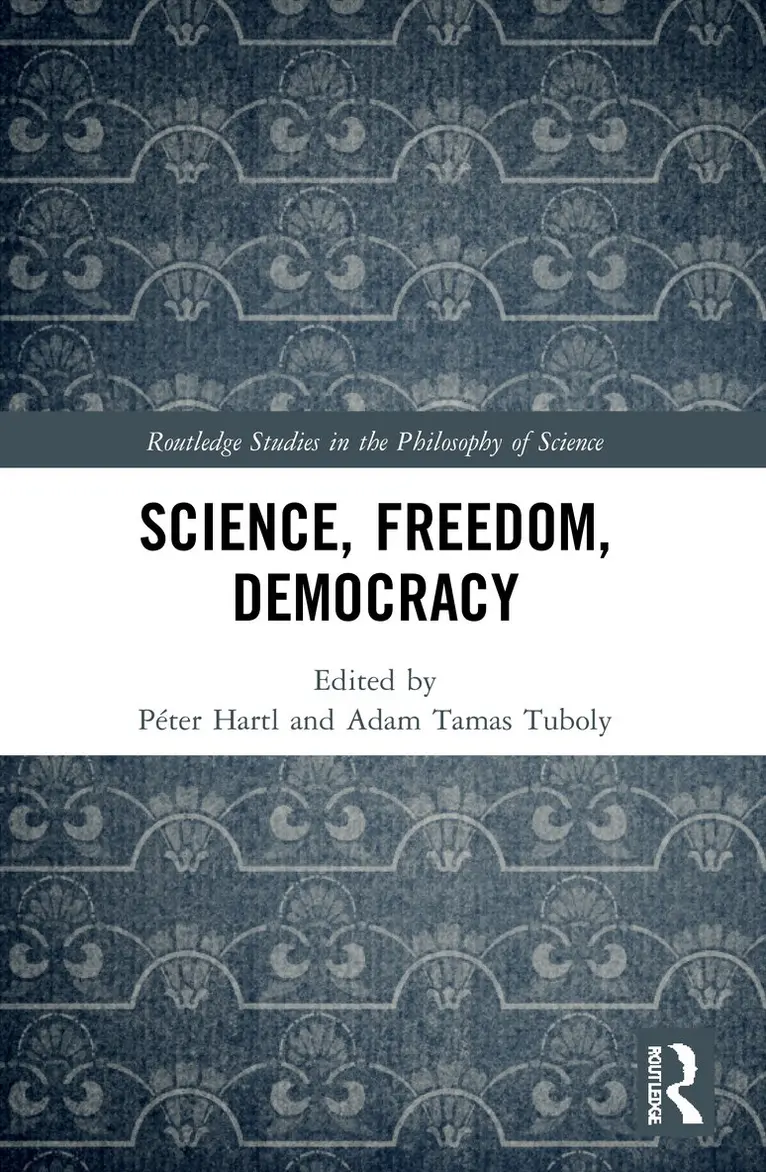
This book addresses the complex relationship between the values of liberal democracy and the values associated with scientific research. The chapters explore how these values mutually reinforce or conflict with one another, in both historical and contemporary contexts.
The contributors utilize various approaches to address this timely subject, including historical studies, philosophical analysis, and sociological case studies. The chapters cover a range of topics including academic freedom and autonomy, public control of science, the relationship between scientific pluralism and deliberative democracy, lay-expert relations in a democracy, and the threat of populism and autocracy to scientific inquiry. Taken together the essays demonstrate how democratic values and the epistemic and non-epistemic values associated with science are interconnected.
Science, Freedom, Democracy will be of interest to scholars and graduate students working in philosophy of science, history of philosophy, sociology of science, political philosophy, and epistemology.
796 kr
Läs direkt efter köp
This book addresses the complex relationship between the values of liberal democracy and the values associated with scientific research. The chapters explore how these values mutually reinforce or conflict with one another, in both historical and contemporary contexts.
The contributors utilize various approaches to address this timely subject, including historical studies, philosophical analysis, and sociological case studies. The chapters cover a range of topics including academic freedom and autonomy, public control of science, the relationship between scientific pluralism and deliberative democracy, lay-expert relations in a democracy, and the threat of populism and autocracy to scientific inquiry. Taken together the essays demonstrate how democratic values and the epistemic and non-epistemic values associated with science are interconnected.
Science, Freedom, Democracy will be of interest to scholars and graduate students working in philosophy of science, history of philosophy, sociology of science, political philosophy, and epistemology.
386 kr
Skickas
1 455 kr
Skickas inom 7-10 vardagar
408 kr
Läs direkt efter köp
405 kr
Läs direkt efter köp
1 457 kr
Läs direkt efter köp
1 481 kr
Skickas inom 7-10 vardagar
1 457 kr
Läs direkt efter köp
292 kr
Läs direkt efter köp
287 kr
Läs direkt efter köp
308 kr
Skickas inom 7-10 vardagar
905 kr
Skickas inom 7-10 vardagar
3 827 kr
Skickas inom 10-15 vardagar
849 kr
Läs direkt efter köp
The History of Philosophy of Science (HOPOS) is a relatively new yet rapidly growing field. Emerging from diverse approaches within the history and philosophy of science, it encompasses a wide range of philosophical reflections on the nature, methods, and subject matter of science, all considered within their historical contexts.
In this outstanding Handbook, the first of its kind, an international roster of contributors provide the first full survey of the discipline. Organized into four sections comprising 50 chapters, the Handbook covers the following themes:
Perspectives on philosophy of science, including the historical and sociological turns and feminist philosophy of science. Traditions and movements in philosophy of science, with a focus on Victorian philosophy of science, French positivism, logical empiricism, pragmatism, and naturalism. Specific scientific theories, issues, and concepts in relativity, quantum mechanics, realism, and anti-realism. Philosophy of the special sciences, including mathematics, chemistry, biology, psychology and psychiatry, and the social sciences.The Routledge Handbook of the History of Philosophy of Science After Kant is essential reading for students and researchers in philosophy of science, history of science, the sociology of science, and science studies. It will also be of interest to those in the sciences seeking a philosophical and historical perspective on core areas such as mathematics, physics, and biology.
826 kr
Läs direkt efter köp
826 kr
Läs direkt efter köp
2 534 kr
Skickas inom 10-15 vardagar
2 534 kr
Skickas inom 10-15 vardagar
2 145 kr
Skickas inom 10-15 vardagar
655 kr
Läs direkt efter köp
655 kr
Läs direkt efter köp
606 kr
Skickas inom 10-15 vardagar