Inbunden, Engelska, 2004
2 497 kr
Skickas inom 10-15 vardagar
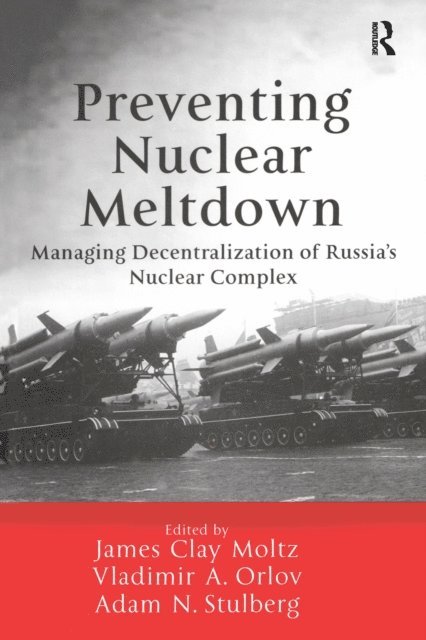
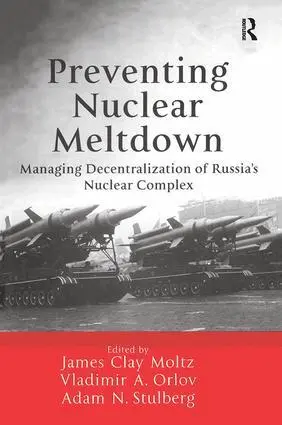
The decline in central financing for Russia's nuclear complex and the known interest of terrorist groups in acquiring fissile material and technologies, has made the state of Russia's far-flung nuclear enterprises a pressing international issue. In this important volume, a group of leading US and Russian policy experts - drawing on extensive interviews with officials, facility personnel, and analysts in Russia's regions - explores the intersecting problems of Russian nuclear insecurity and decentralization, including the growing influence of regional, political and economic forces. The work presents insights into both nuclear safety issues and post-Soviet intra-agency governance, as well as detailed case studies of critical nuclear regions: the Far East, the Urals, Siberia, and the Volga area. The volume also offers major new findings on the interface linking Russia's evolving center-periphery relations, its ailing nuclear facilities, and the role played by foreign assistance providers.