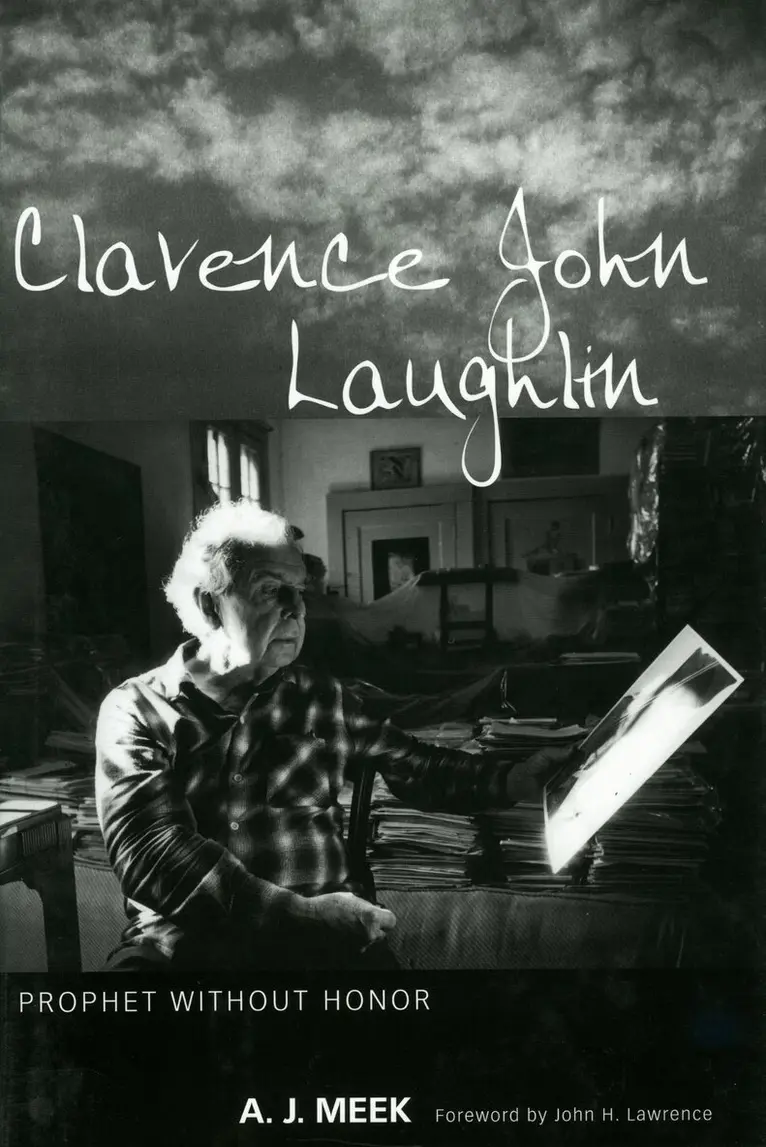
Clarence John Laughlin (1905- 1985) of New Orleans is arguably the father of photographic surrealism in America. He was best known for his photographs of old plantation homes and his book, Ghosts along the Mississippi, but his life's work was varied and broad. Laughlin was a mainstream photographer who was published in many national magazines. His contemporaries and associates included photographers Minor White, Wynn Bullock, and Edward Weston, as well as legendary editor Maxwell Perkins. Laughlin was, however, often marginalized and ignored due to misunderstandings of his work and his often volatile personality. Equally annoying to many was his devotion to capturing images that depicted, with a zealous and sometimes disturbing sense of self-righteousness, the evil and poverty that he saw in the world. A. J. Meek looks into the controversial life of one of the greatest photographers in American history. Through interviews with Laughlin's colleagues, friends, and family, the author details the tumultuous connection between the struggles of the artist's life, including strained professional relationships and failed marriages, and the work that brought him fame. A. J. Meek is professor emeritus of art at Louisiana State University. His previous books include Gettysburg to Vicksburg: The Five Original Civil War Battlefield Parks, Gardens of Louisiana: Places of Work and Wonder, Exploring Black and White Photography, and Red Pepper Paradise: Avery Island, Louisiana. John H. Lawrence is director of museum programs at The Historic New Orleans Collection.
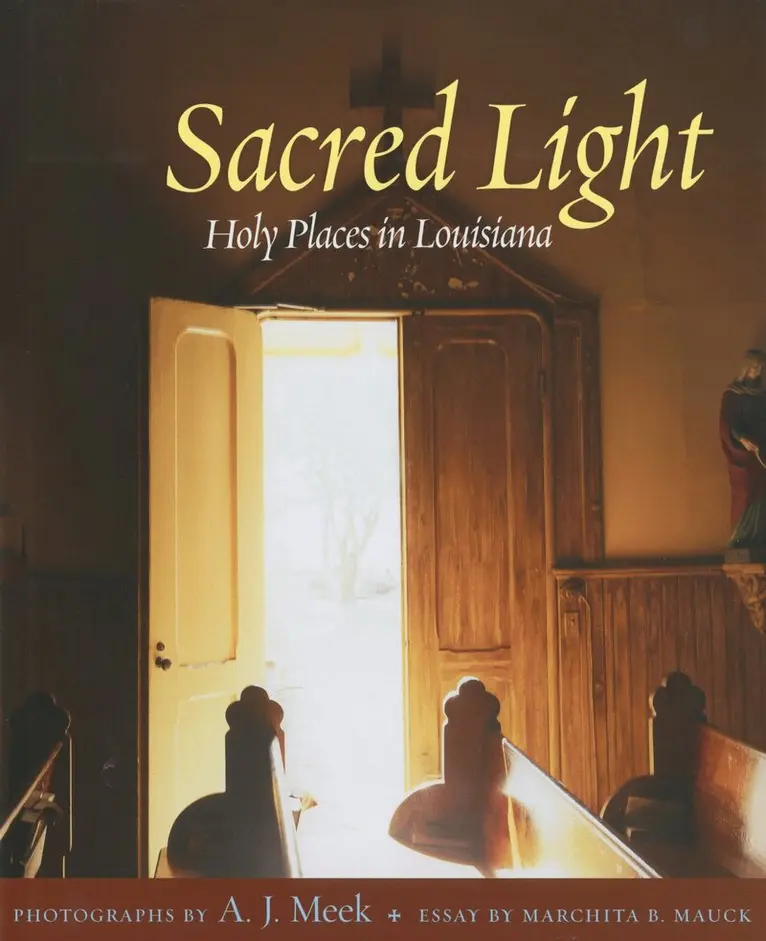
Renowned photographer A. J. Meek takes the novitiate on an inspired visual journey with eighty-eight color photographs of the interiors of churches and synagogues located in south Louisiana, mostly along the lower Mississippi River valley. Tourists may crowd the famous European cathedrals such as Notre Dame in Paris and Westminster Abbey in London. Yet the splendors of local churches in America all too often remain cloistered and unheralded. Meek's beautiful photographs correct this oversight for Louisiana, a state that features a great many beautiful and long-standing holy places.Often incorporating long exposures and select framing, the images in the first section of Sacred Light encompass altars, chancels, and sanctuaries. The second section contains photographs of statues representing deities, angels, madonnas, and saints, often seen with intense color derived from stained-glass windows or artificial light. Light itself is the subject of the third and last section. In several photographs, light is transformed by a window into a kaleidoscope of color on a wooden pew or pulpit chair. Other times the light seems to radiate a living presence of its own. Additionally, the book includes an essay by Louisiana State University art historian and liturgical space consultant, Marchita Mauck.Sacred Light also contains photographs of some of the church and synagogue restoration projects after Hurricane Katrina. Meek relates that the now-famous storm of August 2005 was the shadow he was looking for that defines blessed light. He places emphasis on restoration, not destruction, as a testimony to the resilience of the human spirit.