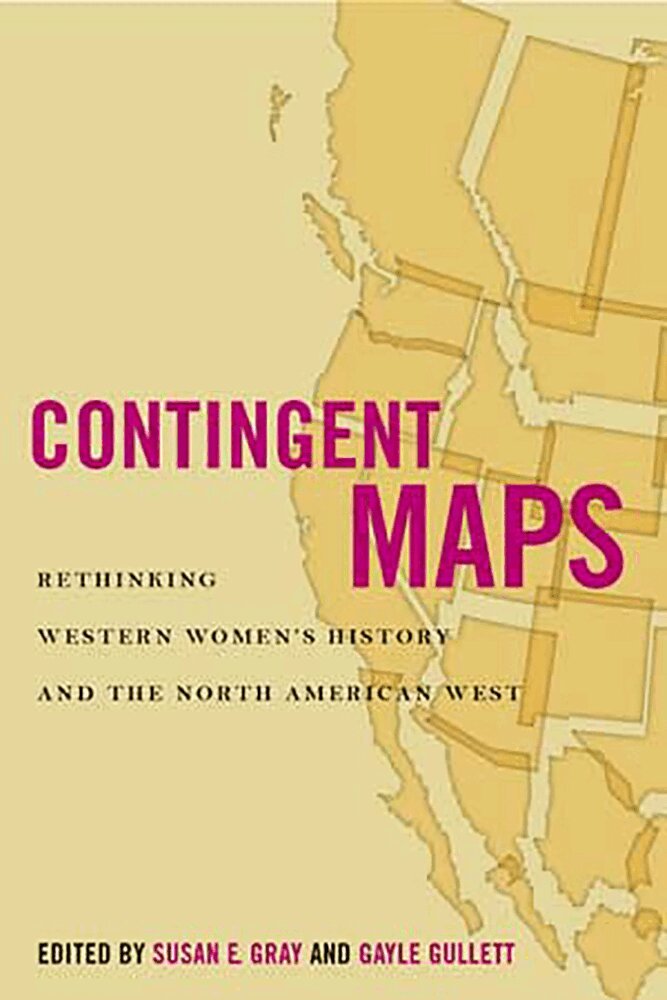
Contingent Maps is an appeal to all who read, write, and care about the history of women in the North American West. Susan E. Gray and Gayle Gullett, former co-editors of Frontiers: A Journal of Women Studies, argue that the discipline of Western women’s history, despite its many years of accomplishment, remains “the stepsister to both U.S. women’s history and the New Western history.” The problem, they assert, is one of place. Western women’s history remains unhappily chained to one place, Frederick Jackson Turner’s mythical frontier, where white civilization vanquished Indigenous savagery. Drawing on the work of feminist geographers, Gray and Gullett contend that the West is better understood as a place of many places.Contingent Maps demonstrates how employing place as an analytical tool transforms Western women’s history. Gray and Gullett depict place as not only a physical location but as a way of understanding, as the spatial configuration of power relations that are always in flux. As a place and many places, the West is therefore always being constructed. All maps are contingent, as Gray and Gullett’s reading of the articles in this collection attest. Contingent Maps offers histories of Wests ranging from the nineteenth century to the near present. This synthesis of feminist history and geography has the potential to revitalize the field of Western women’s history.
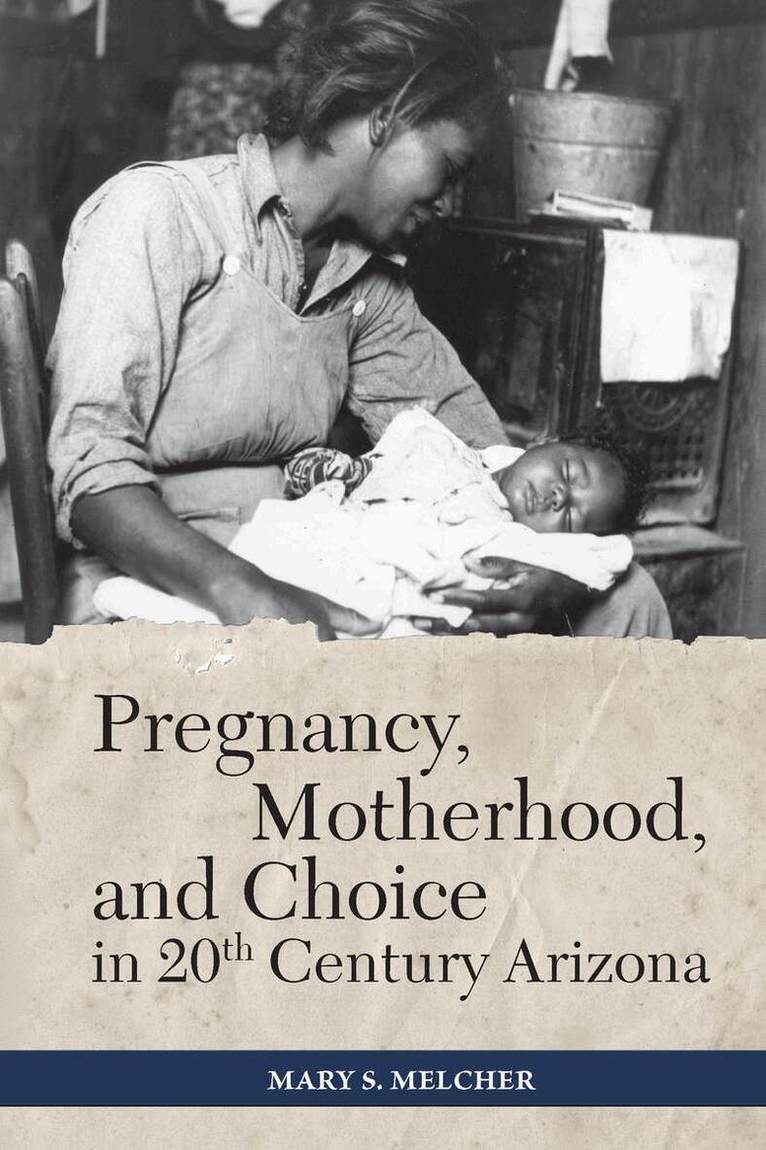
Early twentieth-century Arizona was a life-threatening place for new and expectant mothers. Towns were small and very far apart, and the weather and harsh landscape often delayed midwives. It was not uncommon for a woman to give birth without medical care and with the aid of only family members. By the 1920s, Arizona was at the top of the list for the highest number of infant deaths. Mary Melcher's Pregnancy, Motherhood, and Choice in Twentieth-Century Arizona provides a deep and diverse history of the dramatic changes in childbirth, birth control, infant mortality, and abortion over the course of the last century. Using oral histories, memoirs, newspaper accounts, government documents, letters, photos, and biographical collections, this fine-grained study of women's reproductive health places the voices of real women at the forefront of the narrative, providing a personal view into some of the most intense experiences of their lives. Tackling difficult issues such as disparities in reproductive health care based on race and class, abortion, and birth control, this book seeks to change the way the world looks at women's health. An essential read for both historians and public health officials, this book reveals that many of the choices and challenges that women once faced remain even today.