594 kr
Skickas inom 3-6 vardagar
594 kr
Skickas inom 3-6 vardagar
647 kr
Skickas inom 3-6 vardagar
504 kr
Skickas inom 3-6 vardagar
782 kr
Skickas inom 3-6 vardagar
532 kr
Skickas inom 3-6 vardagar
860 kr
Skickas inom 3-6 vardagar
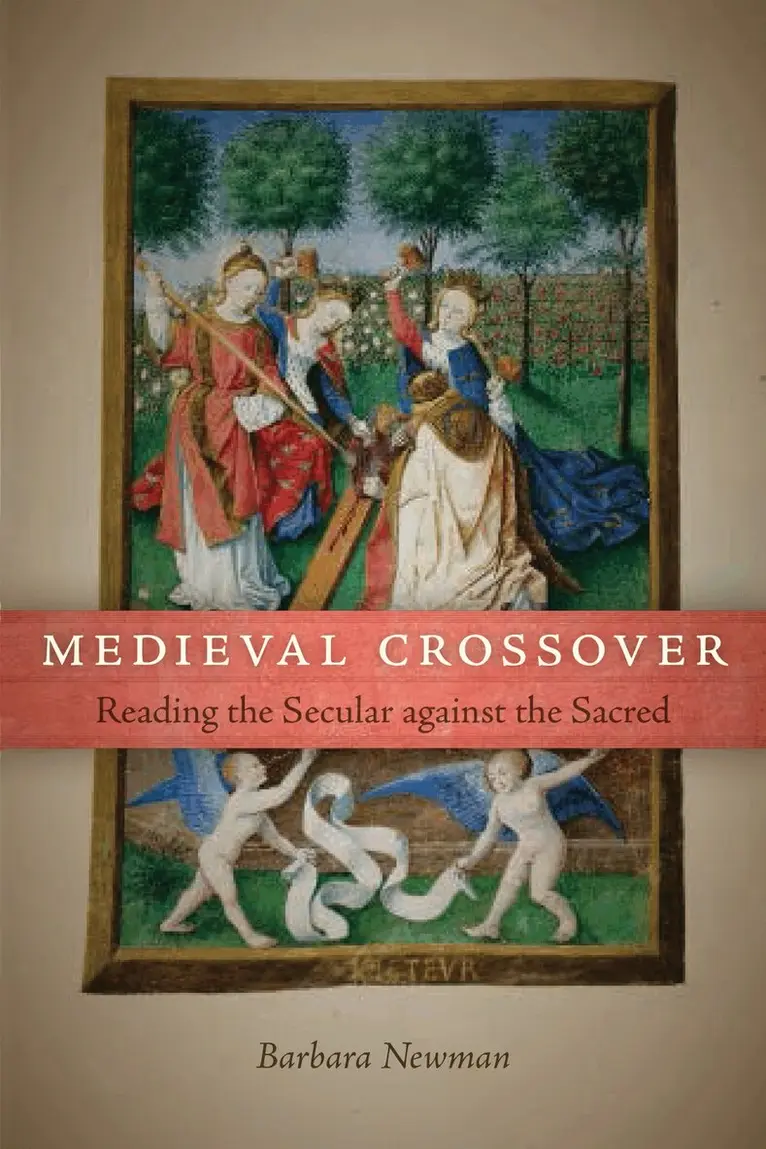
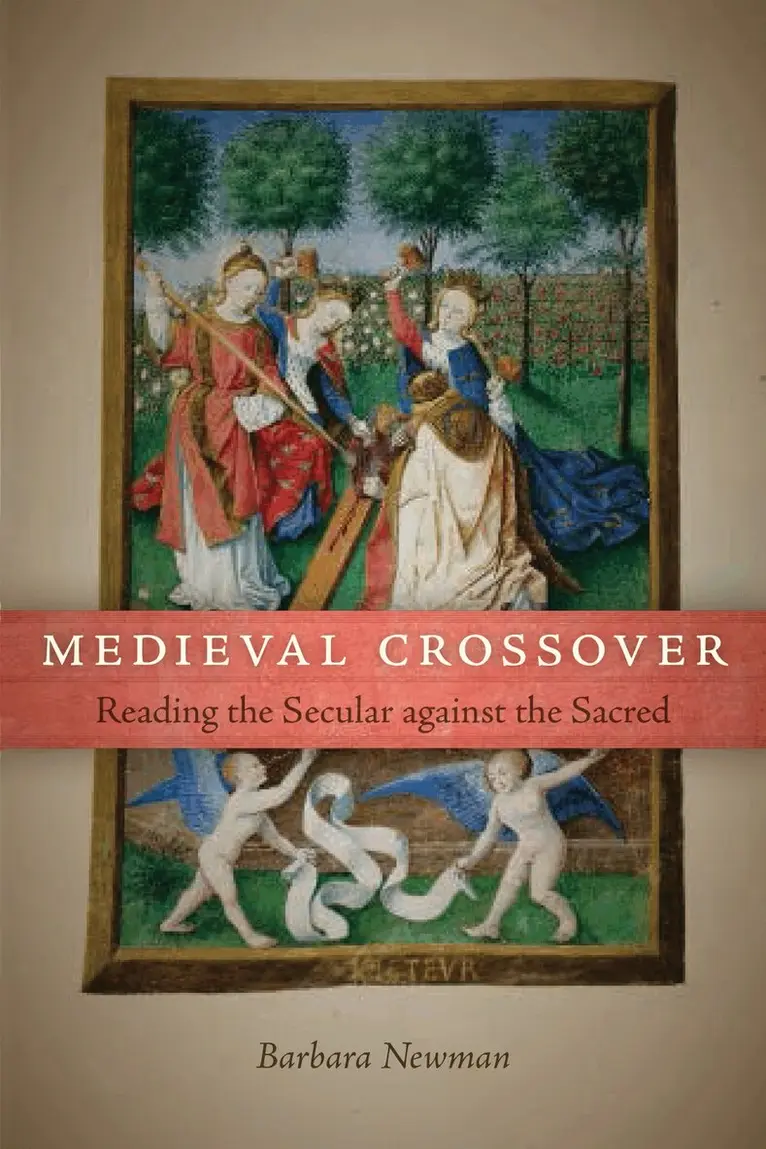
The sacred and the secular in medieval literature have too often been perceived as opposites, or else relegated to separate but unequal spheres. In Medieval Crossover: Reading the Secular against the Sacred, Barbara Newman offers a new approach to the many ways that sacred and secular interact in medieval literature, arguing that (in contrast to our own cultural situation) the sacred was the normative, unmarked default category against which the secular always had to define itself and establish its niche. Newman refers to this dialectical relationship as "crossover"—which is not a genre in itself, but a mode of interaction, an openness to the meeting or even merger of sacred and secular in a wide variety of forms. Newman sketches a few of the principles that shape their interaction: the hermeneutics of "both/and," the principle of double judgment, the confluence of pagan material and Christian meaning in Arthurian romance, the rule of convergent idealism in hagiographic romance, and the double-edged sword in parody.
Medieval Crossover explores a wealth of case studies in French, English, and Latin texts that concentrate on instances of paradox, collision, and convergence. Newman convincingly and with great clarity demonstrates the widespread applicability of the crossover concept as an analytical tool, examining some very disparate works. These include French and English romances about Lancelot and the Grail; the mystical writing of Marguerite Porete (placed in the context of lay spirituality, lyric traditions, and the Romance of the Rose); multiple examples of parody (sexually obscene, shockingly anti-Semitic, or cleverly litigious); and René of Anjou's two allegorical dream visions. Some of these texts are scarcely known to medievalists; others are rarely studied together. Newman's originality in her choice of these primary works will inspire new questions and set in motion new fields of exploration for medievalists working in a large variety of disciplines, including literature, religious studies, history, and cultural studies.
458 kr
Skickas inom 3-6 vardagar
1 767 kr
Skickas inom 3-6 vardagar
697 kr
Skickas inom 3-6 vardagar
1 537 kr
Skickas inom 3-6 vardagar
732 kr
Skickas inom 3-6 vardagar
1 537 kr
Skickas inom 3-6 vardagar
722 kr
Skickas inom 3-6 vardagar
1 560 kr
Skickas inom 3-6 vardagar
1 544 kr
Skickas inom 3-6 vardagar
1 298 kr
Skickas inom 3-6 vardagar
1 515 kr
Skickas inom 3-6 vardagar
537 kr
Skickas
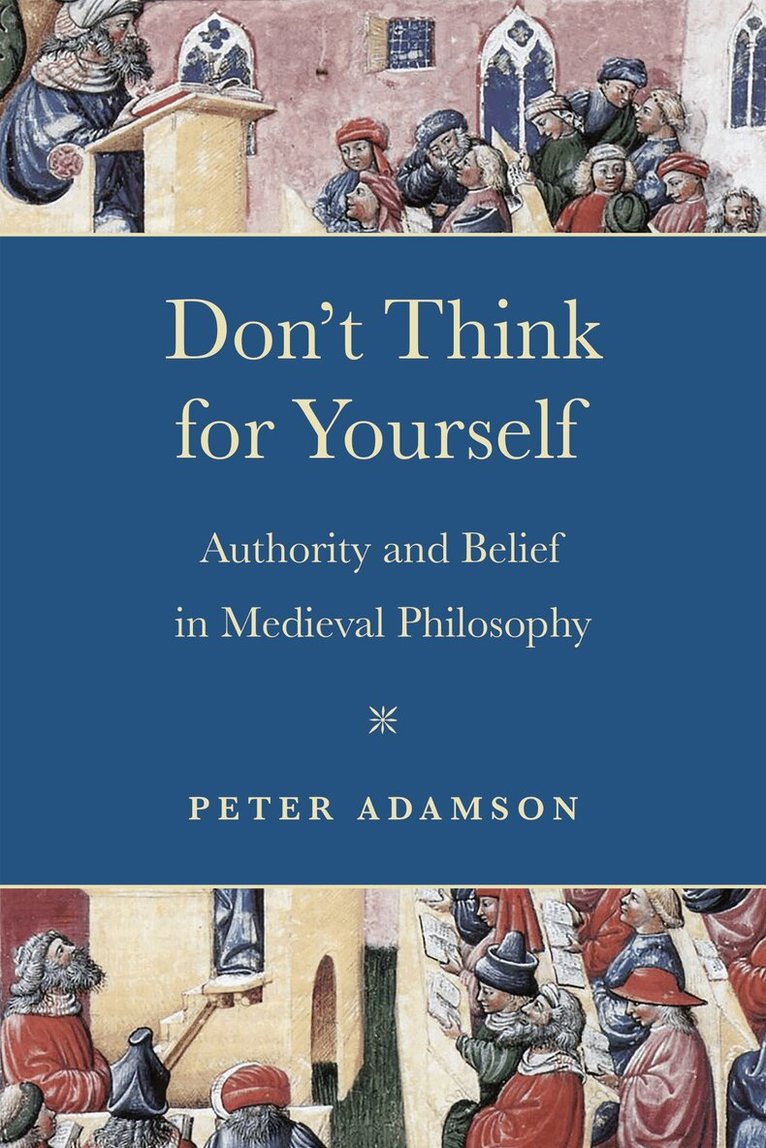
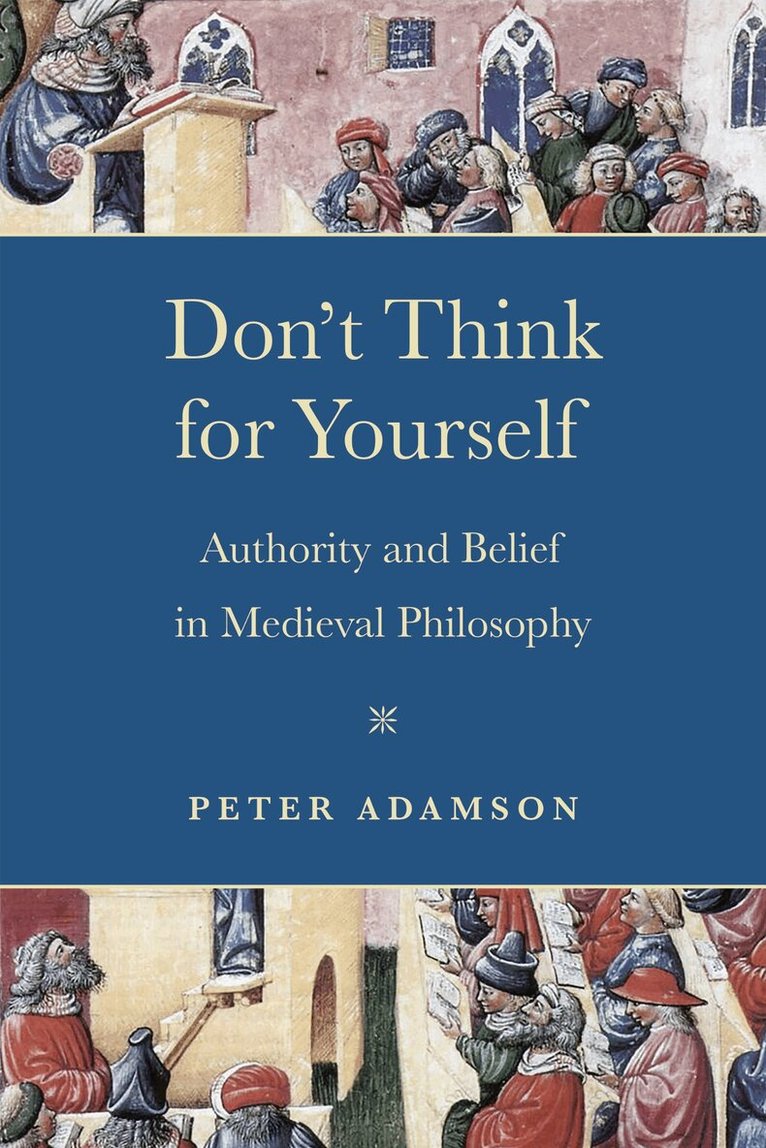
How do we judge whether we should be willing to follow the views of experts or whether we ought to try to come to our own, independent views? This book seeks the answer in medieval philosophical thought.
In this engaging study into the history of philosophy and epistemology, Peter Adamson provides an answer to a question as relevant today as it was in the medieval period: how and when should we turn to the authoritative expertise of other people in forming our own beliefs? He challenges us to reconsider our approach to this question through a constructive recovery of the intellectual and cultural traditions of the Islamic world, the Byzantine Empire, and Latin Christendom.
Adamson begins by foregrounding the distinction in Islamic philosophy between taqlīd, or the uncritical acceptance of authority, and ijtihād, or judgment based on independent effort, the latter of which was particularly prized in Islamic law, theology, and philosophy during the medieval period. He then demonstrates how the Islamic tradition paves the way for the development of what he calls a "justified taqlīd," according to which one develops the skills necessary to critically and selectively follow an authority based on their reliability. The book proceeds to reconfigure our understanding of the relation between authority and independent thought in the medieval world by illuminating how women found spaces to assert their own intellectual authority, how medieval writers evaluated the authoritative status of Plato and Aristotle, and how independent reasoning was deployed to defend one Abrahamic faith against the other. This clear and eloquently written book will interest scholars in and enthusiasts of medieval philosophy, Islamic studies, Byzantine studies, and the history of thought.
1 289 kr
Skickas inom 3-6 vardagar
1 515 kr
Skickas inom 3-6 vardagar
1 147 kr
Skickas inom 7-10 vardagar
2 605 kr
Skickas inom 3-6 vardagar
2 154 kr
Skickas inom 3-6 vardagar
1 537 kr
Skickas inom 3-6 vardagar