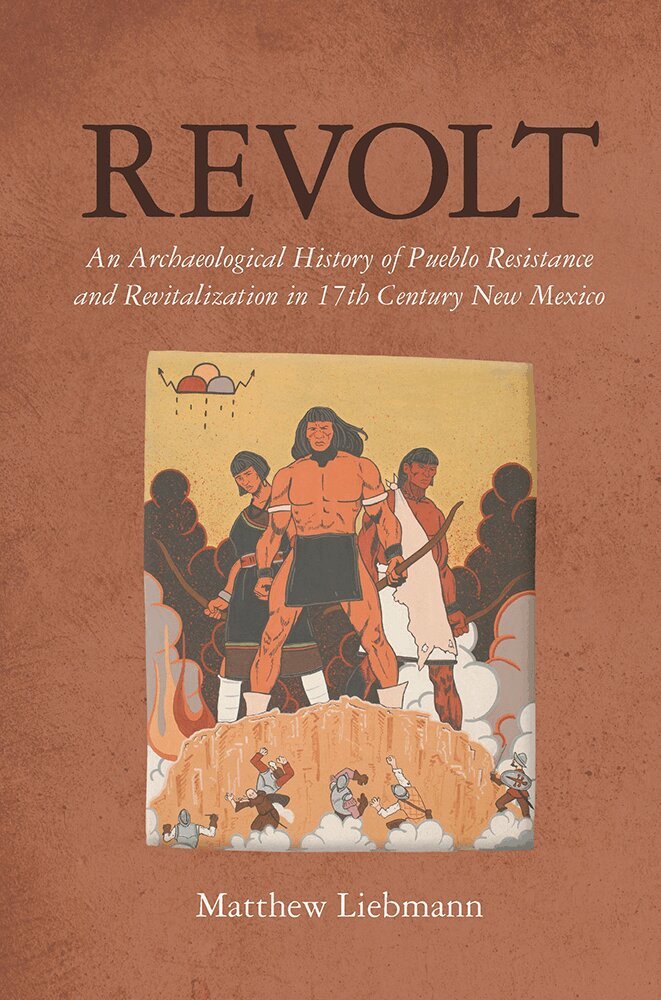
The Pueblo Revolt of 1680 is the most renowned colonial uprising in the history of the American Southwest. Traditional text-based accounts tend to focus on the revolt and the Spaniards' reconquest in 1692—completely skipping over the years of indigenous independence that occurred in between. Revolt boldly breaks out of this mold and examines the aftermath of the uprising in colonial New Mexico, focusing on the radical changes it instigated in Pueblo culture and society.In addition to being the first book-length history of the revolt that incorporates archaeological evidence as a primary source of data, this volume is one of a kind in its attempt to put these events into the larger context of Native American cultural revitalization. Despite the fact that the only surviving records of the revolt were written by Spanish witnesses and contain certain biases, author Matthew Liebmann finds unique ways to bring a fresh perspective to Revolt.Most notably, he uses his hands-on experience at Ancestral Pueblo archaeological sites—four Pueblo villages constructed between 1680 and 1696 in the Jemez province of New Mexico—to provide an understanding of this period that other treatments have yet to accomplish. By analysing ceramics, architecture, and rock art of the Pueblo Revolt era, he sheds new light on a period often portrayed as one of unvarying degradation and dissention among Pueblos. A compelling read, Revolt's ""blood-and-thunder"" story successfully ties together archaeology, history, and ethnohistory to add a new dimension to this uprising and its aftermath.
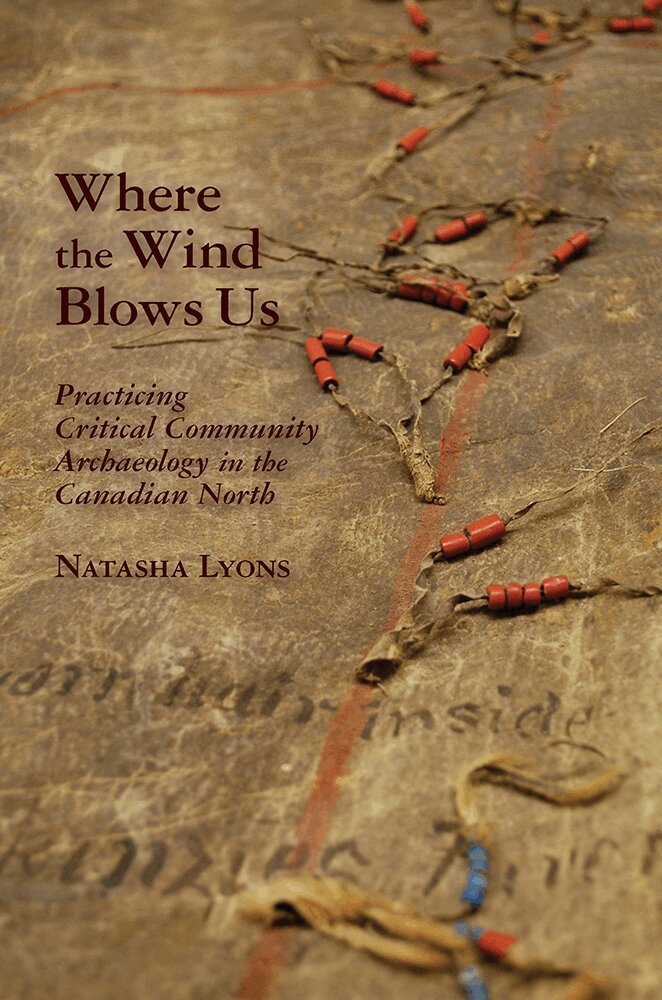
Where the Wind Blows Us unites critical practice with a community-based approach to archaeology. Author Natasha Lyons describes an inclusive archaeology that rests on a flexible but rigorous approach to research design and demonstrates a responsible, ethical practice. She traces the rise and application of community archaeologies, develops a wide-ranging set of methods for community practice, and maps out a “localised critical theory” that is suited to the needs of local and descendant communities as they pursue self-defined heritage goals. Localised critical theory aims to decentre the focus on global processes of capitalism in favour of the local processes of community dynamics. Where the Wind Blows Us emphasises the role of individuals and the relationships they share with communities of the past and present. Lyons offers an extended case study of her work with the Inuvialuit community of the Canadian Western Arctic. She documents the development of this longstanding research relationship and presents both the theoretical and practical products of the work to date. Integrating knowledge drawn from archaeology, ethnography, oral history, and community interviews, Lyons utilises a multivocal approach that actively listens to Inuvialuit speak about their rich and textured history. The overall significance of this volume lies in outlining a method of practicing archaeology that embraces local ways of knowing with a critically constructed and evolving methodology that is responsive to community needs. It will serve as a handbook to mine for elements of critical practice, a model of community-based archaeology, and a useful set of concepts and examples for classroom study.