1 011 kr
Statistics for Biology and Health – serie
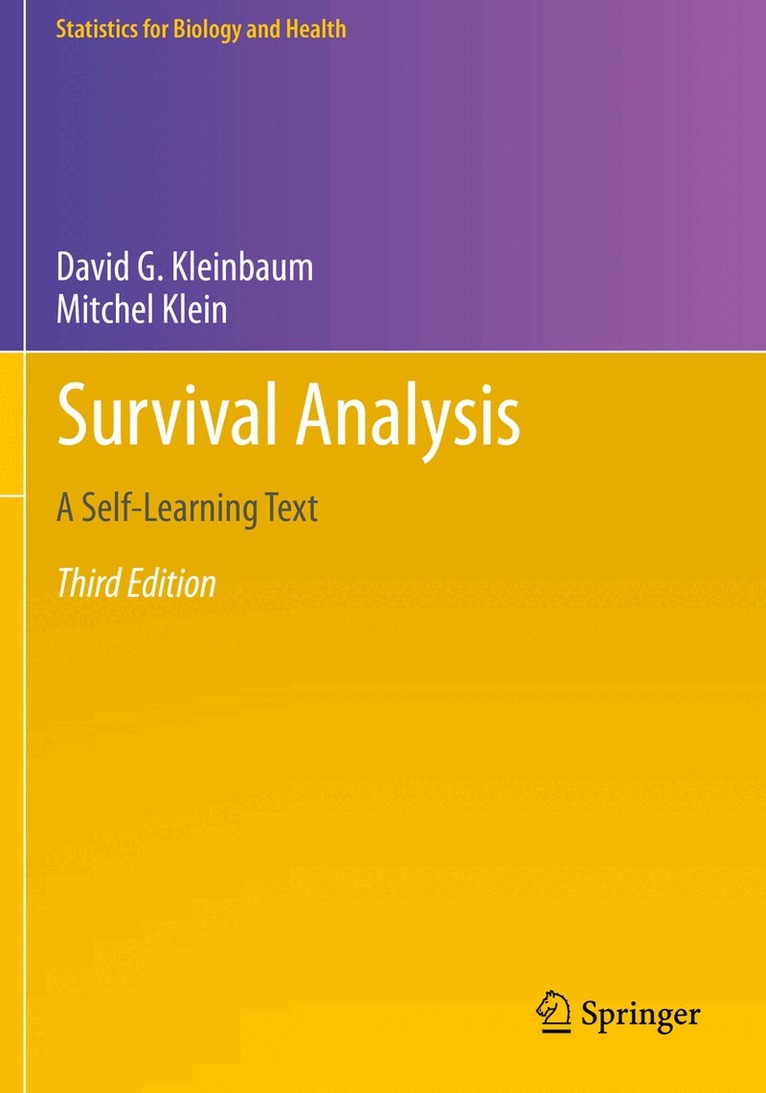
- Häftad, Engelska, 2016This greatly expanded third edition of Survival Analysis- A Self-learning Text provides a highly readable description of state-of-the-art methods of analysis of survival/event-history data. This text is suitable for researchers and statisticians working in the medical and other life sciences as well as statisticians in academia who teach introductory and second-level courses on survival analysis. The third edition continues to use the unique "lecture-book" format of the first two editions with one new chapter, additional sections and clarifications to several chapters, and a revised computer appendix. The Computer Appendix, with step-by-step instructions for using the computer packages STATA, SAS, and SPSS, is expanded this third edition to include the software package R.
- Häftad, Engelska, 2021
652 kr
Skickas inom 10-15 vardagar
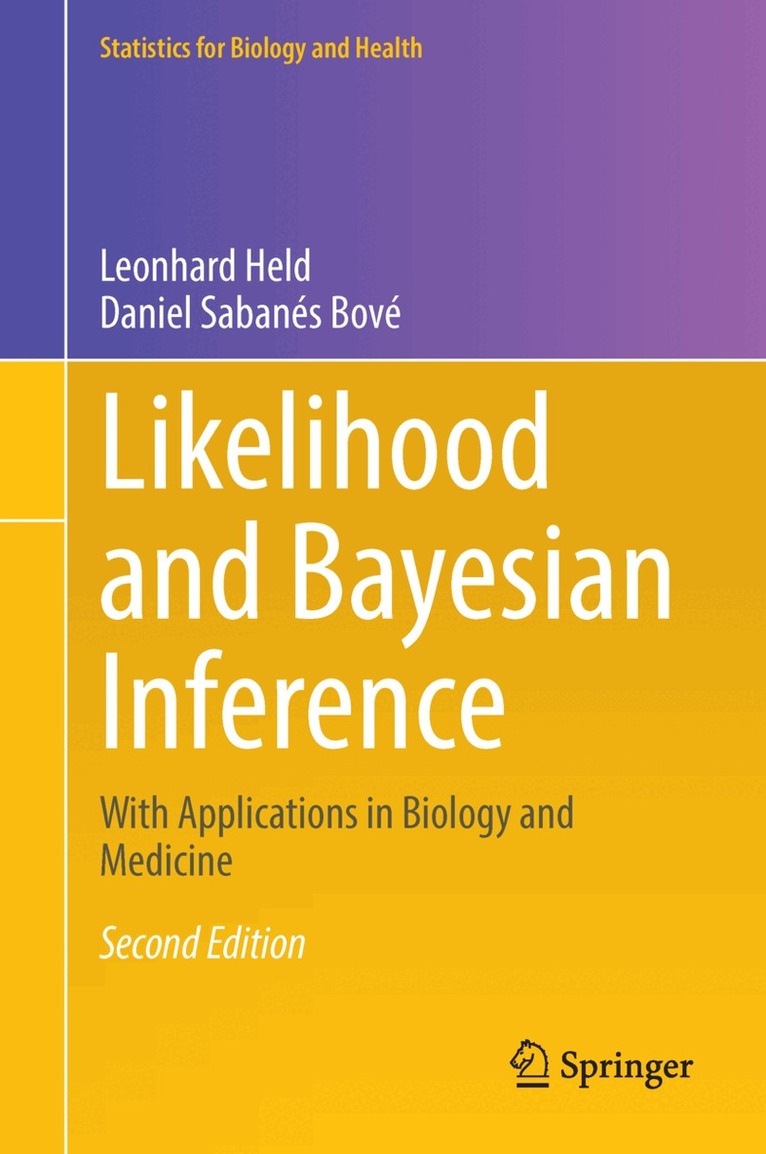
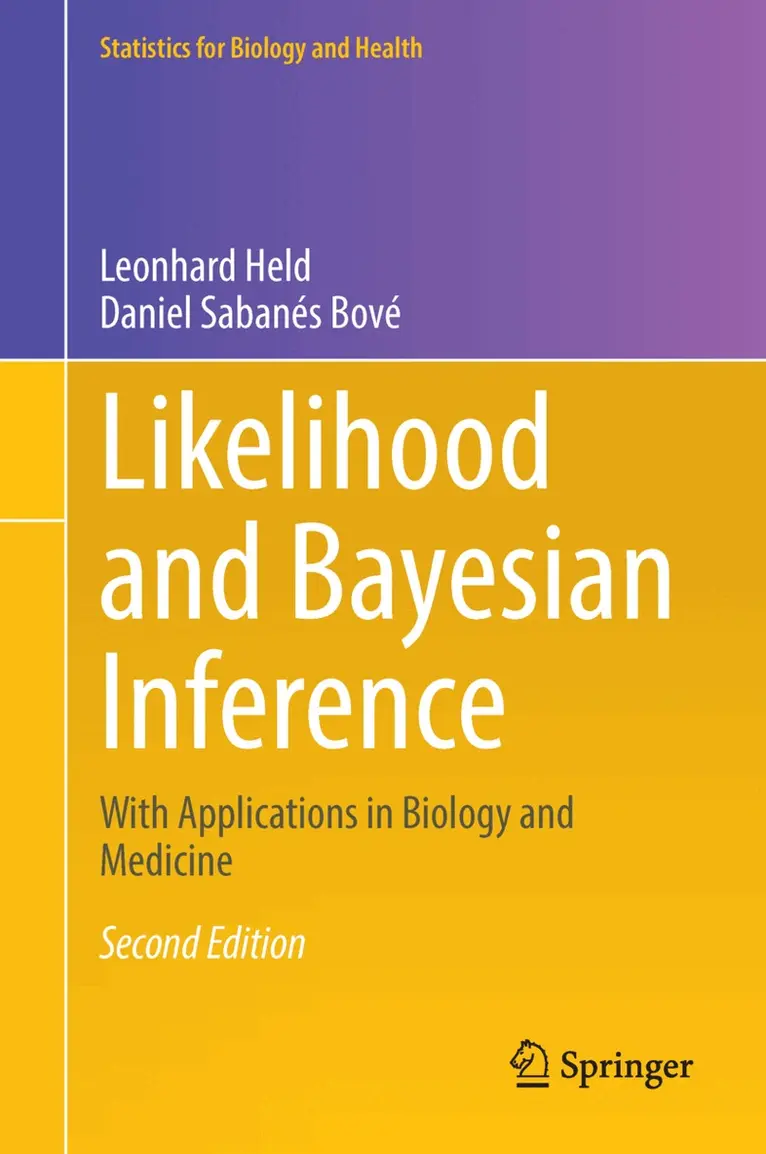
This richly illustrated textbook covers modern statistical methods with applications in medicine, epidemiology and biology. Firstly, it discusses the importance of statistical models in applied quantitative research and the central role of the likelihood function, describing likelihood-based inference from a frequentist viewpoint, and exploring the properties of the maximum likelihood estimate, the score function, the likelihood ratio and the Wald statistic. In the second part of the book, likelihood is combined with prior information to perform Bayesian inference. Topics include Bayesian updating, conjugate and reference priors, Bayesian point and interval estimates, Bayesian asymptotics and empirical Bayes methods. It includes a separate chapter on modern numerical techniques for Bayesian inference, and also addresses advanced topics, such as model choice and prediction from frequentist and Bayesian perspectives. This revised edition of the book “Applied Statistical Inference” has been expanded to include new material on Markov models for time series analysis. It also features a comprehensive appendix covering the prerequisites in probability theory, matrix algebra, mathematical calculus, and numerical analysis, and each chapter is complemented by exercises. The text is primarily intended for graduate statistics and biostatistics students with an interest in applications. - Inbunden, Engelska, 2019
1 138 kr
Skickas inom 10-15 vardagar
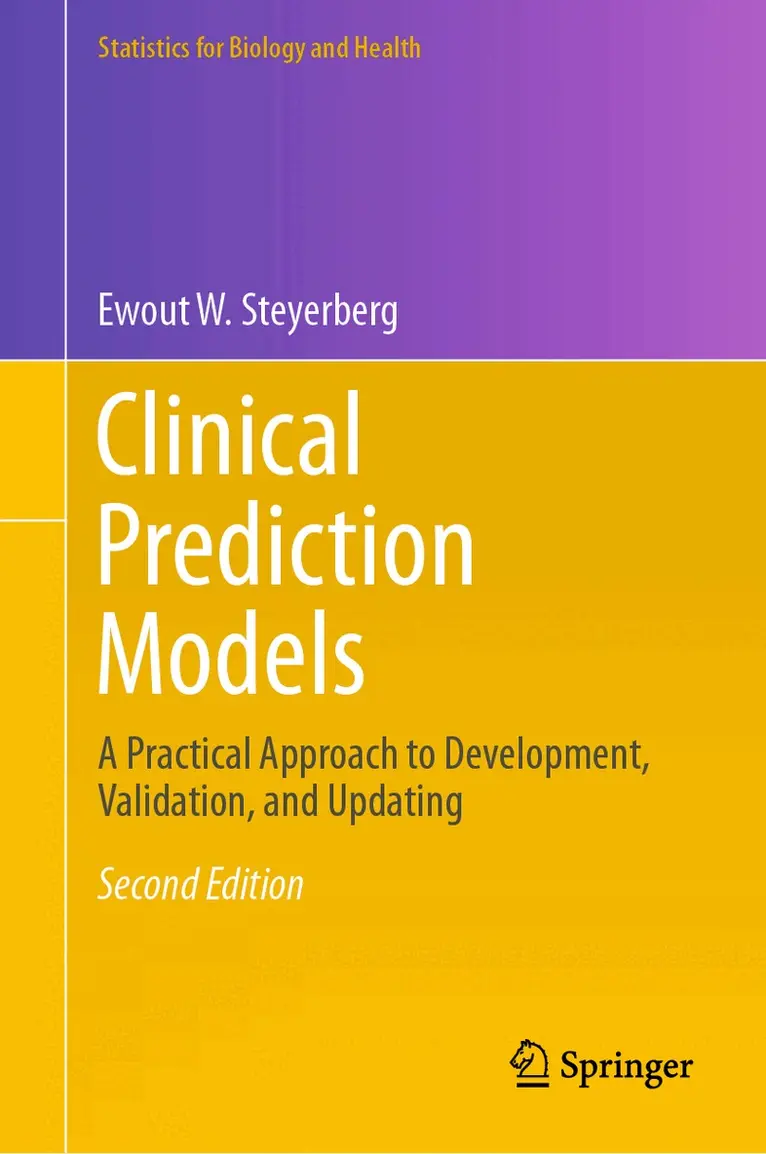
The second edition of this volume provides insight and practical illustrations on how modern statistical concepts and regression methods can be applied in medical prediction problems, including diagnostic and prognostic outcomes. Many advances have been made in statistical approaches towards outcome prediction, but a sensible strategy is needed for model development, validation, and updating, such that prediction models can better support medical practice.There is an increasing need for personalized evidence-based medicine that uses an individualized approach to medical decision-making. In this Big Data era, there is expanded access to large volumes of routinely collected data and an increased number of applications for prediction models, such as targeted early detection of disease and individualized approaches to diagnostic testing and treatment. Clinical Prediction Models presents a practical checklist that needs to be considered for development of avalid prediction model. Steps include preliminary considerations such as dealing with missing values; coding of predictors; selection of main effects and interactions for a multivariable model; estimation of model parameters with shrinkage methods and incorporation of external data; evaluation of performance and usefulness; internal validation; and presentation formatting. The text also addresses common issues that make prediction models suboptimal, such as small sample sizes, exaggerated claims, and poor generalizability. The text is primarily intended for clinical epidemiologists and biostatisticians. Including many case studies and publicly available R code and data sets, the book is also appropriate as a textbook for a graduate course on predictive modeling in diagnosis and prognosis. While practical in nature, the book also provides a philosophical perspective on data analysis in medicine that goes beyond predictive modeling. Updates to this new and expanded edition include:•A discussion of Big Data and its implications for the design of prediction models•Machine learning issues•More simulations with missing ‘y’ values•Extended discussion on between-cohort heterogeneity•Description of ShinyApp•Updated LASSO illustration•New case studies - Inbunden, Engelska, 2008
2 319 kr
Skickas inom 10-15 vardagar
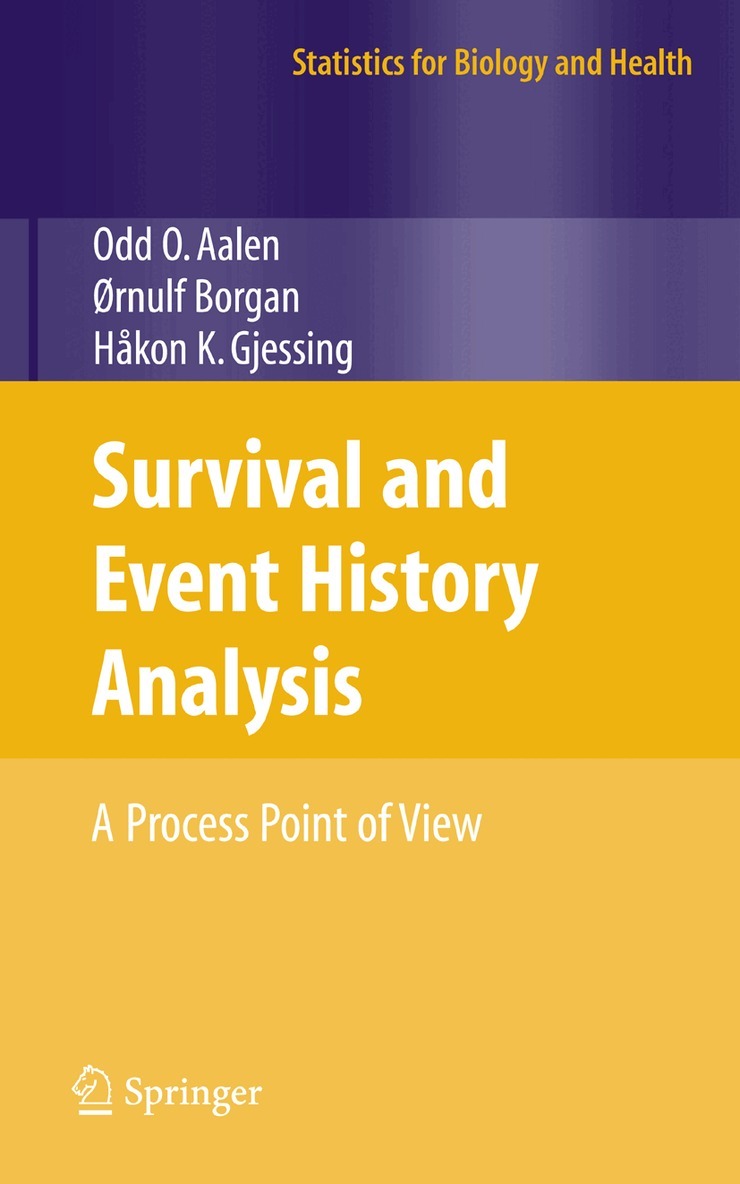
The aim of this book is to bridge the gap between standard textbook models and a range of models where the dynamic structure of the data manifests itself fully. The common denominator of such models is stochastic processes. The authors show how counting processes, martingales, and stochastic integrals fit very nicely with censored data. Beginning with standard analyses such as Kaplan-Meier plots and Cox regression, the presentation progresses to the additive hazard model and recurrent event data. Stochastic processes are also used as natural models for individual frailty; they allow sensible interpretations of a number of surprising artifacts seen in population data.The stochastic process framework is naturally connected to causality. The authors show how dynamic path analyses can incorporate many modern causality ideas in a framework that takes the time aspect seriously. To make the material accessible to the reader, a large number of practical examples, mainly frommedicine, are developed in detail. Stochastic processes are introduced in an intuitive and non-technical manner. The book is aimed at investigators who use event history methods and want a better understanding of the statistical concepts. It is suitable as a textbook for graduate courses in statistics and biostatistics. - Inbunden, Engelska, 2020
912 kr
Skickas inom 10-15 vardagar
This richly illustrated textbook covers modern statistical methods with applications in medicine, epidemiology and biology. Firstly, it discusses the importance of statistical models in applied quantitative research and the central role of the likelihood function, describing likelihood-based inference from a frequentist viewpoint, and exploring the properties of the maximum likelihood estimate, the score function, the likelihood ratio and the Wald statistic. In the second part of the book, likelihood is combined with prior information to perform Bayesian inference. Topics include Bayesian updating, conjugate and reference priors, Bayesian point and interval estimates, Bayesian asymptotics and empirical Bayes methods. It includes a separate chapter on modern numerical techniques for Bayesian inference, and also addresses advanced topics, such as model choice and prediction from frequentist and Bayesian perspectives. This revised edition of the book “Applied Statistical Inference” has been expanded to include new material on Markov models for time series analysis. It also features a comprehensive appendix covering the prerequisites in probability theory, matrix algebra, mathematical calculus, and numerical analysis, and each chapter is complemented by exercises. The text is primarily intended for graduate statistics and biostatistics students with an interest in applications. - Inbunden, Engelska, 2011
1 251 kr
Skickas inom 10-15 vardagar
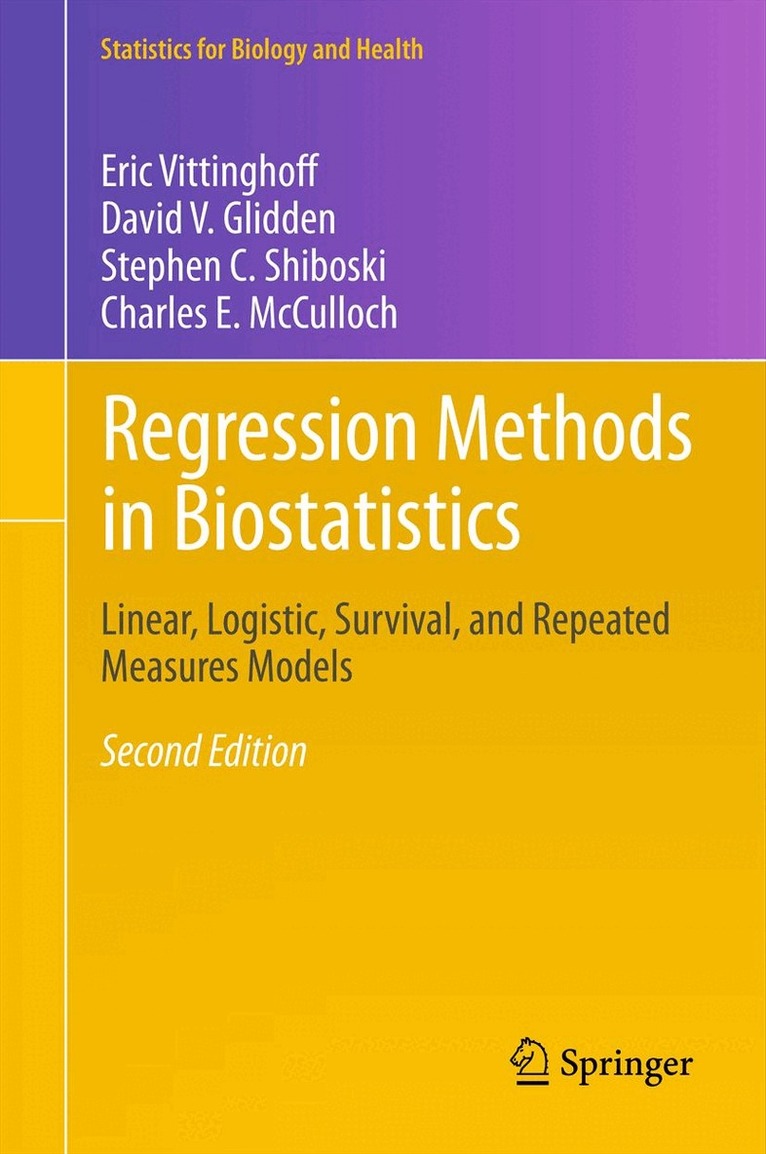
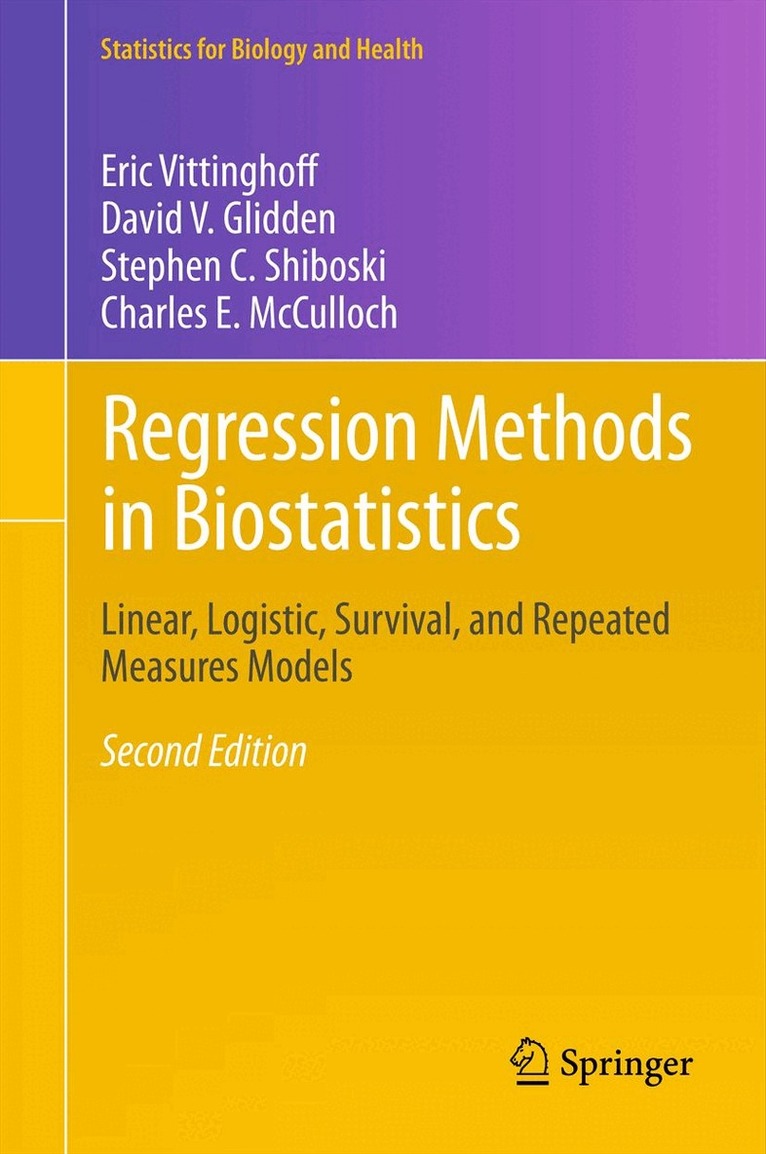
This new book provides a unified, in-depth, readable introduction to the multipredictor regression methods most widely used in biostatistics: linear models for continuous outcomes, logistic models for binary outcomes, the Cox model for right-censored survival times, repeated-measures models for longitudinal and hierarchical outcomes, and generalized linear models for counts and other outcomes. Treating these topics together takes advantage of all they have in common. The authors point out the many-shared elements in the methods they present for selecting, estimating, checking, and interpreting each of these models. They also show that these regression methods deal with confounding, mediation, and interaction of causal effects in essentially the same way. The examples, analyzed using Stata, are drawn from the biomedical context but generalize to other areas of application. While a first course in statistics is assumed, a chapter reviewing basic statistical methods is included. Some advanced topics are covered but the presentation remains intuitive. A brief introduction to regression analysis of complex surveys and notes for further reading are provided. - Inbunden, Engelska, 2005
2 422 kr
Skickas inom 10-15 vardagar
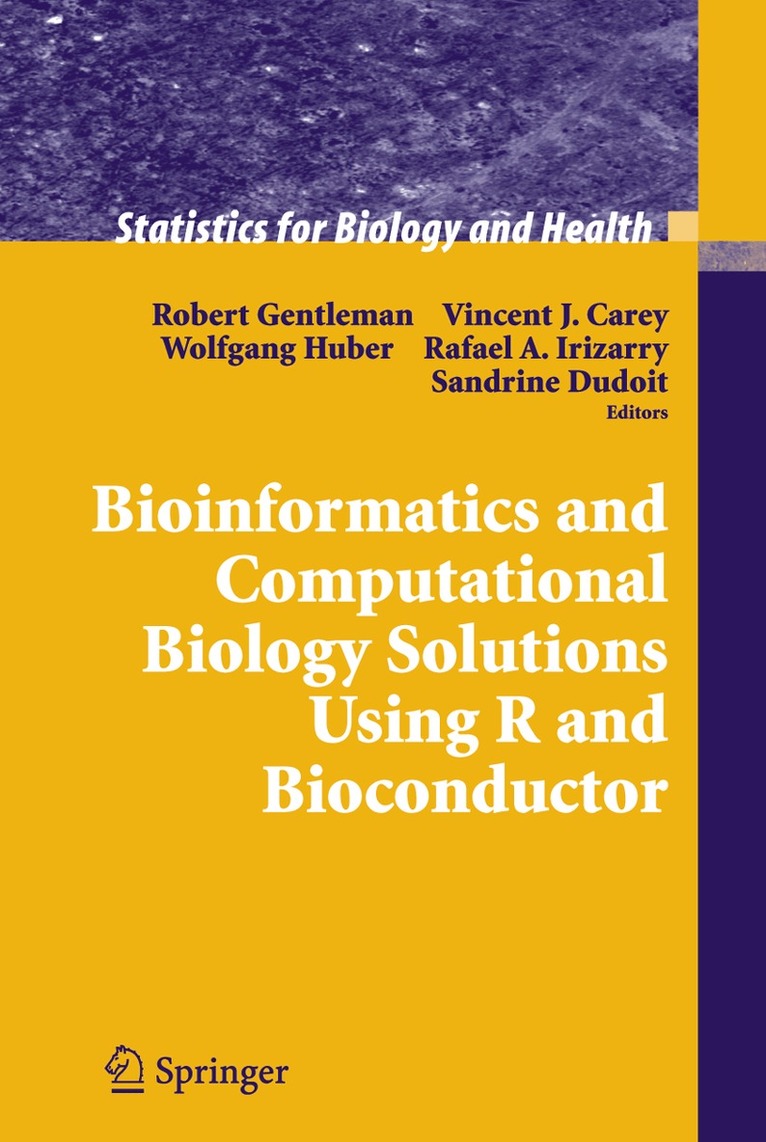
Bioconductor is a widely used open source and open development software project for the analysis and comprehension of data arising from high-throughput experimentation in genomics and molecular biology. Bioconductor is rooted in the open source statistical computing environment R.This volume's coverage is broad and ranges across most of the key capabilities of the Bioconductor project, including importation and preprocessing of high-throughput data from microarray, proteomic, and flow cytometry platforms:Curation and delivery of biological metadata for use in statistical modeling and interpretationStatistical analysis of high-throughput data, including machine learning and visualizationModeling and visualization of graphs and networksThe developers of the software, who are in many cases leading academic researchers, jointly authored chapters. All methods are illustrated with publicly available data, and a major section of the book is devoted to exposition of fully worked case studies.This book is more than a static collection of descriptive text, figures, and code examples that were run by the authors to produce the text; it is a dynamic document. Code underlying all of the computations that are shown is made available on a companion website, and readers can reproduce every number, figure, and table on their own computers. - Häftad, Engelska, 2014
1 138 kr
Skickas inom 10-15 vardagar
This new book provides a unified, in-depth, readable introduction to the multipredictor regression methods most widely used in biostatistics: linear models for continuous outcomes, logistic models for binary outcomes, the Cox model for right-censored survival times, repeated-measures models for longitudinal and hierarchical outcomes, and generalized linear models for counts and other outcomes. Treating these topics together takes advantage of all they have in common. The authors point out the many-shared elements in the methods they present for selecting, estimating, checking, and interpreting each of these models. They also show that these regression methods deal with confounding, mediation, and interaction of causal effects in essentially the same way. The examples, analyzed using Stata, are drawn from the biomedical context but generalize to other areas of application. While a first course in statistics is assumed, a chapter reviewing basic statistical methods is included. Some advanced topics are covered but the presentation remains intuitive. A brief introduction to regression analysis of complex surveys and notes for further reading are provided. - Häftad, Engelska, 2024
918 kr
Skickas inom 7-10 vardagar
Now in its second edition, this book brings multivariate statistics to graduate-level practitioners, making these analytical methods accessible without lengthy mathematical derivations. Using the open source shareware program R, Dr. Zelterman demonstrates the process and outcomes for a wide array of multivariate statistical applications. Chapters cover graphical displays; linear algebra; univariate, bivariate and multivariate normal distributions; factor methods; linear regression; discrimination and classification; clustering; time series models; and additional methods. He uses practical examples from diverse disciplines, to welcome readers from a variety of academic specialties. Each chapter includes exercises, real data sets, and R implementations. The book avoids theoretical derivations beyond those needed to fully appreciate the methods. Prior experience with R is not necessary.New to this edition are chapters devoted to longitudinal studies and theclustering of large data. It is an excellent resource for students of multivariate statistics, as well as practitioners in the health and life sciences who are looking to integrate statistics into their work. - Inbunden, Engelska, 2004
1 105 kr
Skickas inom 10-15 vardagar
DNA microarrays are an important technology for studying gene expression. With a single hybridization, the level of expression of thousands of genes, or even an entire genome, can be estimated for a sample of cells. Consequently, manylaboratoriesareattemptingtoutilizeDNAmicroarraysintheirresearch. Whereaslaboratoriesarewellpreparedtoaddressthesigni?cantexperimental challenges in obtaining reproducible data from this RNA-based assay, inv- tigators are less prepared to analyze the large volumes of data produced by DNA microarrays. Although many software packages have been developed for the analysis of DNA microarray data, software alone is insu?cient. One needs knowledge aboutthevariousaspectsofdataanalysisinordertoselectandutilizesoftware e?ectively. There is a plethora of analysis methods being published and it is di?cult for biologists to determine which methods are valid and appropriate for their problems. Many scientists have learned that software is not an adequate substitute for biostatistical knowledge and seek statistical collaborators. Unfortunately, there is presently a shortage of statisticians who are available and knowled- able about DNA microarrays. For statisticians to be e?ective collaborators in anyarea,theymustinvestthetimetounderstandthesubjectmatterareaand become familiar with the literature so that they can ask the right questions and identify the key issues. Our objectives in this book are twofold: to provide scientists with infor- tion about the design and analysis of studies using DNA microarrays that will enable them to plan and analyze their own studies or to work with statistical collaborators e?ectively, and to aid statistical and computational scientists wishing to develop expertise in this area. - Inbunden, Engelska, 2003
572 kr
Skickas inom 10-15 vardagar
One of the most challenging issues for clinical trial investigators, sponsors, and regulatory officials is the interpretation of experimental results that are composed of the results of multiple statistical analyses. These analyses may include the effect of therapy on multiple endpoints, the assessment of a subgroup analysis, and the evaluation of a dose-response relationship in complex mixtures. Multiple Analyses in Clinical Trials: Fundamentals for Clinical Investigators is an essentially nonmathematical discussion of the problems posed by the execution of multiple analyses in clinical trials. It concentrates on the rationale for the analyses, the difficulties posed by their interpretation, easily understood solutions, and useful problem sets. This text will help clinical investigators understand multiple analysis procedures and the key issues when designing their own work or reviewing the research of others. This book is written for advanced medical students, clinical investigators at all levels, research groups within the pharmaceutical industry, regulators at the local, state, and federal level, and biostatisticians. Only a basic background in health care and introductory statistics is required. Dr. Lemuel A. Moyé, M.D., Ph.D. is a physician and Professor of Biometry at the University of Texas School of Public Health. He has been Co-Principal Investigator of two multinational clinical trials examining the role of innovative therapy in post myocardial infarction survival (SAVE) and the use of cholesterol reducing agents in post myocardial infarction survival in patients with normal cholesterol levels (CARE). He has authored over one hundred articles in journals such as the Journal of the American Medical Association, the New England Journal of Medicine, Statistics in Medicine, and Controlled Clinical Trials.From the reviews:From the reviews:"A quick scan of the book indicates that it is not a typical statistics book…You can jumpin almost anywhere and just start reading…I like the book’s organization. There is a chapter on clinical trials. Then there are several chapters that explain the situations that arise from the occurrence of multiple analyses. Particular emphasis is given to multiple endpoints, situations where one continues a study to follow up on unanticipated results, and to subgroup analyses, interventions that impact only a fraction of the subjects in a study. The author is equally adept at describing clinical trials for the statistician as at explaining statistics to the clinical investigator. I enjoyed leafing through this book and would certainly enjoy have the opportunity to sit down and read it." Technometrics, August 2004"Moyé’s background as a statistician and MD makes him especially qualified to write this book…The clinical trial examples are a major strength of the book…His medical background and extensive clinical trials experience shine through." Statistics in Medicine, 2004, 23:3551-3559"The many examples from well known clinical trials are clearly one of the strengths of this book. It is also fascinating to share the author's experience with the FDA where he attended many meetings of Advisory Committees."Biometrics, December 2005"According to the preface, this book is written for clinical investigators and research groups within the pharmaceutical industry, medical students and regulators. … I admire the eloquency of the author. … The author does a remarkable job … . Without any doubt, the book is a valuable source of ideas for the intended audience. For statisticians it is an interesting source of experimental setups, that are actually used in practice and that consequently are worth while to be studied." (dr H. W. M. Hendriks, Kwantitatieve Methoden, Issue 72B41, 2005)"The book is entertaining and informative, sufficiently informal to recruit and retain the intended non-statisticalreadership, but sufficiently formal to detail methods. The author effectively sets up each issue with examples and conceptual discussion, grounding all in realistic examples." (T. A. Louis, Short Book Reviews, Vol. 24 (2), 2004)"Here in this book is a special situation for clinical trials in which the investigator must do statistical analyses for a number of different response measurements. … The author felt that the clinical investigators needed a book that they could understand. This book is his effort to reach that audience. … I like the book’s organization. … I enjoyed leafing through this book and would certainly enjoy having the opportunity to sit down and read it." (Eric R. Ziegel, Technometrics, Vol. 46 (3), August, 2004)"This book is written primarily for clinical researchers who are interested in designing and analysing clinical trials. It concentrates on elucidating problems arising from multiple analyses in clinical trials … . In general, the book is well written and easy to follow. … Although this book is written for clinical investigators, I find it a useful reference book for statisticians in the pharmaceutical industry … . Furthermore, senior statisticians may find the non-technical discussions and practical examples useful." (Shuying Yang, Pharmaceutical Statistics, Issue 3, 2004)"Without any doubt, the book is a valuable source of ideas for the intendend audience. For statisticians, it is an interesting source of experimental setups, that are actually used in practice and that consequently are worthwhile to be studied." (Dr. H.W.M. Hendriks, Kwantitatieve Methoden) - Inbunden, Engelska, 2006

1 654 kr
Skickas inom 10-15 vardagar
In survival analysis there has long been a need for models that goes beyond the Cox model as the proportional hazards assumption often fails in practice. This book studies and applies modern flexible regression models for survival data with a special focus on extensions of the Cox model and alternative models with the specific aim of describing time-varying effects of explanatory variables. One model that receives special attention is Aalen’s additive hazards model that is particularly well suited for dealing with time-varying effects. The book covers the use of residuals and resampling techniques to assess the fit of the models and also points out how the suggested models can be utilised for clustered survival data. The authors demonstrate the practically important aspect of how to do hypothesis testing of time-varying effects making backwards model selection strategies possible for the flexible models considered.The use of the suggested models and methods is illustrated on real data examples. The methods are available in the R-package timereg developed by the authors, which is applied throughout the book with worked examples for the data sets. This gives the reader a unique chance of obtaining hands-on experience.This book is well suited for statistical consultants as well as for those who would like to see more about the theoretical justification of the suggested procedures. It can be used as a textbook for a graduate/master course in survival analysis, and students will appreciate the exercises included after each chapter. The applied side of the book with many worked examples accompanied with R-code shows in detail how one can analyse real data and at the same time gives a deeper understanding of the underlying theory. - Inbunden, Engelska, 2005
1 763 kr
Skickas inom 10-15 vardagar
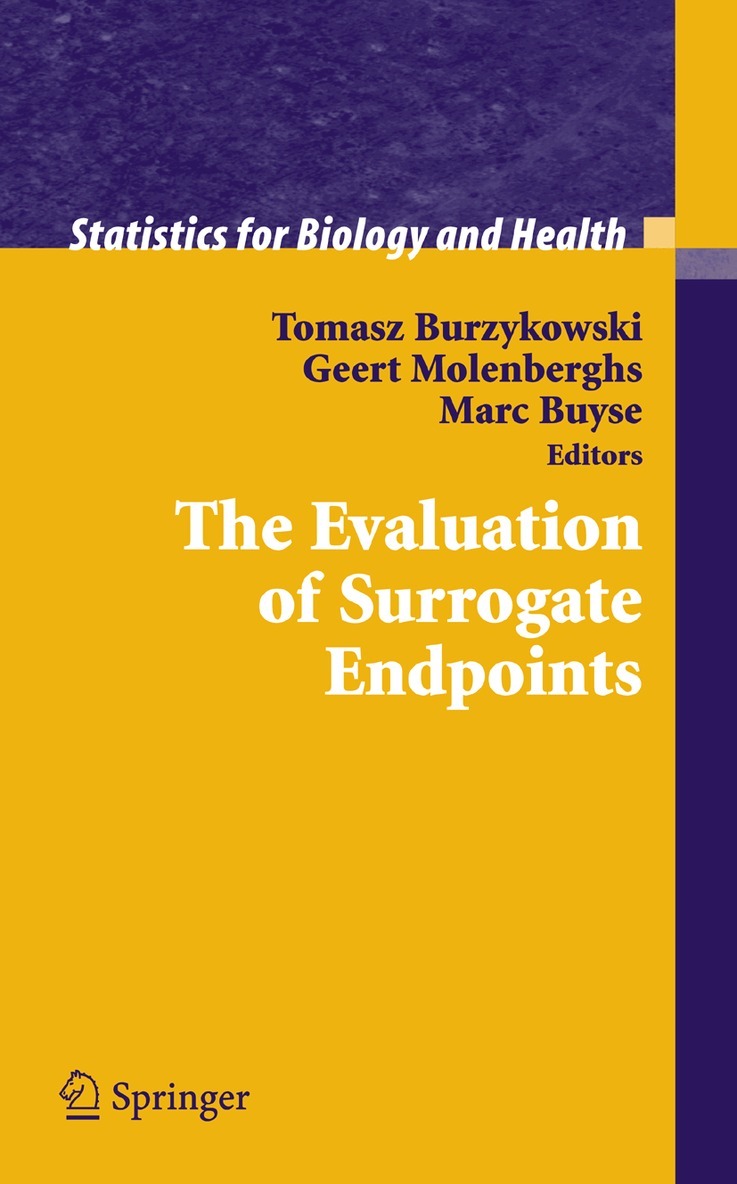
Both humanitarian and commercial considerations have spurred intensive search for methods to reduce the time and cost required to develop new therapies. The identification and use of surrogate endpoints, i.e., measures that can replace or supplement other endpoints in evaluations of experimental treatments or other interventions, is a general strategy that has stimulated both enthusiasm and skepticism. Surrogate endpoints are useful when they can be measured earlier, more conveniently, or more frequently than the "true" endpoints of primary interest. Regulatory agencies around the globe, particularly in the United States, Europe, and Japan, are introducing provisions and policies relating to the use of surrogate endpoints in registration studies. But how can one establish the adequacy of a surrogate? What kind of evidence is needed, and what statistical methods portray that evidence most appropriately? This book offers a balanced account on this controversial topic. The text presents major developments of the last couple of decades, together with a unified, meta-analytic framework within which surrogates can be evaluated from several angles. Methodological development is coupled with perspectives on various therapeutic areas. Academic views are juxtaposed with standpoints of scientists working in the biopharmaceutical industry as well as of colleagues from the regulatory authorities.Tomasz Burzykowski is Assistant Professor of Biostatistics at the Limburgs Universitair Centrum in Belgium. Dr. Burzykowski has published methodological work on the analysis of survey data, meta-analyses of clinical trials, and validation of surrogate endpoints. He is a co-author of numerous papers applying statistical methods to clinical data in different disease areas (cancer, cardiovascular diseases, dermatology, orthodontics).Geert Molenberghs is Professor of Biostatistics at the Limburgs Universitair Centrum in Belgium. Dr. Molenberghs published methodological work on surrogate markers in clinical trials, categorical data, longitudinal data analysis, and on the analysis of non-response in clinical and epidemiological studies. He serves as Joint Editor for Applied Statistics (2001-2004) and is President of the International Biometric Society (2004-2005). He was elected Fellow of the American Statistical Association and received the Guy Medal in Bronze from the Royal Statistical Society. Marc Buyse founded the International Drug Development Institute in 1991. He is Past President of the International Society for Clinical Biostatistics, Past President of the Quetelet Society, and Past Board Member of the Society for Clinical Trials. He is currently the Executive Director of IDDI (International Drug Development Institute) and Associate Professor of biostatistics at the Limburgs Universitair Centrum, Center for Statistics, Diepenbeek, Belgium. He has published extensively in the fields of biostatistics and oncology. His research interests include meta-analysis, surrogate endpoints, statistical detection of fraud, and the design and statistical analysis of clinical trials.From the reviews:"A strength of this book is its comprehensive and up-to-date presentation of issues pertinent to the evaluation of surrgoate endpoints...This book makes an important contribution to the clinical trials literature..." Journal of Biopharmaceutical Statistics, 2006"Many of the chapters deal with real-life data examples and studies involving surrogate outcomes, many written by authors who were directly involved in these studies...The editors have written nice background sections...until a more concise manuscript on this topic is written, this book will remain the most important resource for biostatisticians and researchers in this area." Debajyoti Sinha for the Journal of the American Statistical Association, December 2006"This book is a reflection of the ongoing debate on the definition and use of surrogate markers...I see the book as an invitation to join the debate. There is much work to be done and reading the book might inspire many to participate. It will be useful for researchers in this and related fields, such as joint modeling of longitudinal and survival data and multivariate meta-analysis. The book is well organized, is a pleasure to read, and is very well documented with up-to-date references." Hans C. Van Houwelingen for Bioometrics, September 2006 - Inbunden, Engelska, 2007
2 202 kr
Skickas inom 10-15 vardagar
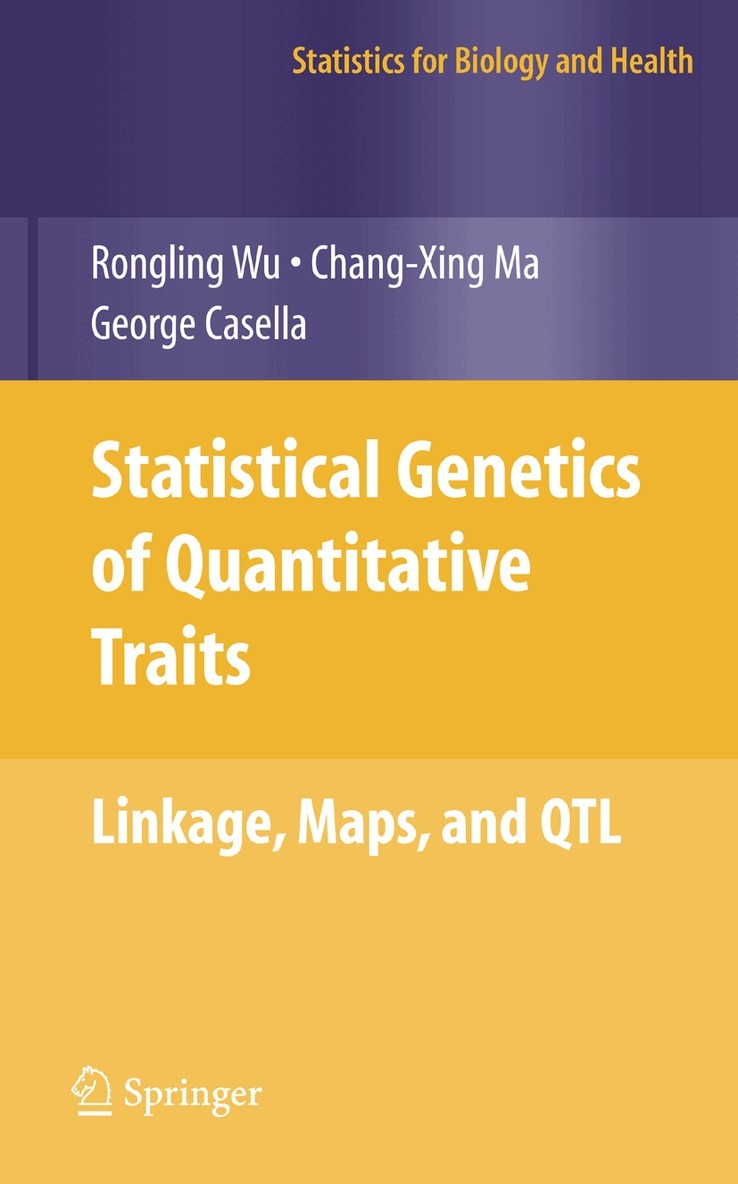
Most traits in nature and of importance to agriculture are quantitatively inherited. These traits are di?cult to study due to the complex nature of their inheritance. However, recent developments of genomic technologies provide a revolutionary means for unraveling the secrets of genetic variation in quantitative traits. Genomic te- nologies allow the molecular characterization of polymorphic markers throughout the entire genome that are then used to identify and map the genes or quantitative trait loci (QTLs) underlying a quantitative trait based on linkage analysis. Statistical analysis is a crucial tool for analyzing genome data, which are now becoming increasingly available for a variety of species, and for giving precise exp- nations regarding genetic variation in quantitative traits occurring among species, populations, families, and individuals. In 1989, Lander and Botstein published a ha- mark methodological paper for interval mapping that enables geneticists to detect and estimate individual QTL that control the phenotype of a trait. Today, interval mappingisanimportantstatisticaltoolforstudyingthegeneticsofquantitativetraits at the molecular level, and has led to the discovery of thousands of QTLs responsible for a variety of traits in plants, animals, and humans. In a recent study published in Science, Li, Zhou, and Sang (2006, 311, 1936–1939) were able to characterize the molecular basis of the reduction of grain shattering – a fundamental selection process for rice domestication – at the detected QTL by interval mapping. - Inbunden, Engelska, 2005
2 532 kr
Skickas inom 10-15 vardagar
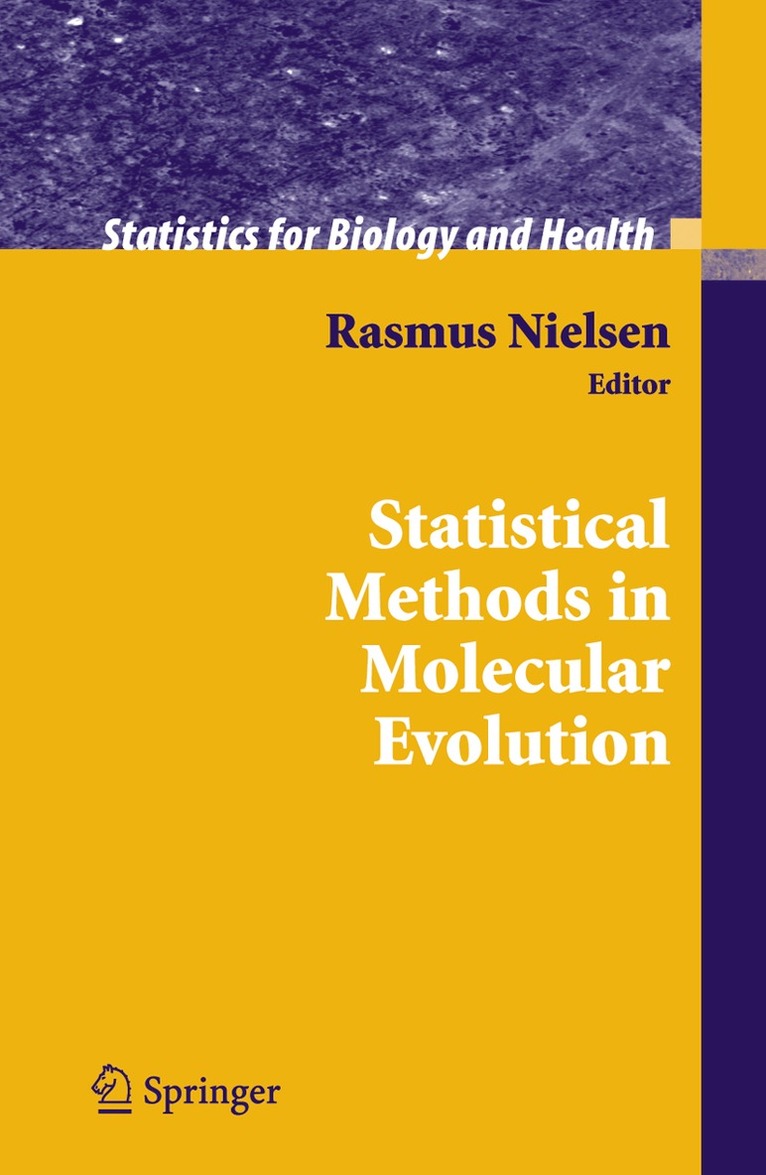
In the field of molecular evolution, inferences about past evolutionary events are made using molecular data from currently living species. With the availability of genomic data from multiple related species, molecular evolution has become one of the most active and fastest growing fields of study in genomics and bioinformatics.Most studies in molecular evolution rely heavily on statistical procedures based on stochastic process modelling and advanced computational methods including high-dimensional numerical optimization and Markov Chain Monte Carlo. This book provides an overview of the statistical theory and methods used in studies of molecular evolution. It includes an introductory section suitable for readers that are new to the field, a section discussing practical methods for data analysis, and more specialized sections discussing specific models and addressing statistical issues relating to estimation and model choice. The chapters are written by the leaders of field and they will take the reader from basic introductory material to the state-of-the-art statistical methods. This book is suitable for statisticians seeking to learn more about applications in molecular evolution and molecular evolutionary biologists with an interest in learning more about the theory behind the statistical methods applied in the field. The chapters of the book assume no advanced mathematical skills beyond basic calculus, although familiarity with basic probability theory will help the reader. Most relevant statistical concepts are introduced in the book in the context of their application in molecular evolution, and the book should be accessible for most biology graduate students with an interest in quantitative methods and theory.Rasmus Nielsen received his Ph.D. form the University of California at Berkeley in 1998 and after a postdoc at Harvard University, he assumed a faculty position in Statistical Genomics at Cornell University. He is currentlyan Ole Rømer Fellow at the University of Copenhagen and holds a Sloan Research Fellowship. His is an associate editor of the Journal of Molecular Evolution and has published more than fifty original papers in peer-reviewed journals on the topic of this book.From the reviews:"...Overall this is a very useful book in an area of increasing importance." Journal of the Royal Statistical Society"I find Statistical Methods in Molecular Evolution very interesting and useful. It delves into problems that were considered very difficult just several years ago...the book is likely to stimulate the interest of statisticians that are unaware of this exciting field of applications. It is my hope that it will also help the 'wet lab' molecular evolutionist to better understand mathematical and statistical methods." Marek Kimmel for the Journal of the American Statistical Association, September 2006"Who should read this book? We suggest that anyone who deals with molecular data (who does not?) and anyone who asks evolutionary questions (who should not?) ought to consult the relevant chapters in this book." Dan Graur and Dror Berel for Biometrics, September 2006"Coalescence theory facilitates the merger of population genetics theory with phylogenetic approaches, but still, there are mostly two camps: phylogeneticists and population geneticists. Only a few people are moving freely between them. Rasmus Nielsen is certainly one of these researchers, and his work so far has merged many population genetic and phylogenetic aspects of biological research under the umbrella of molecular evolution. Although Nielsen did not contribute a chapter to his book, his work permeates all its chapters. This book gives an overview of his interests and current achievements in molecular evolution. In short, this book should be on your bookshelf." Peter Beerli for Evolution, 60(2), 2006 - Inbunden, Engelska, 2005
1 544 kr
Skickas inom 10-15 vardagar
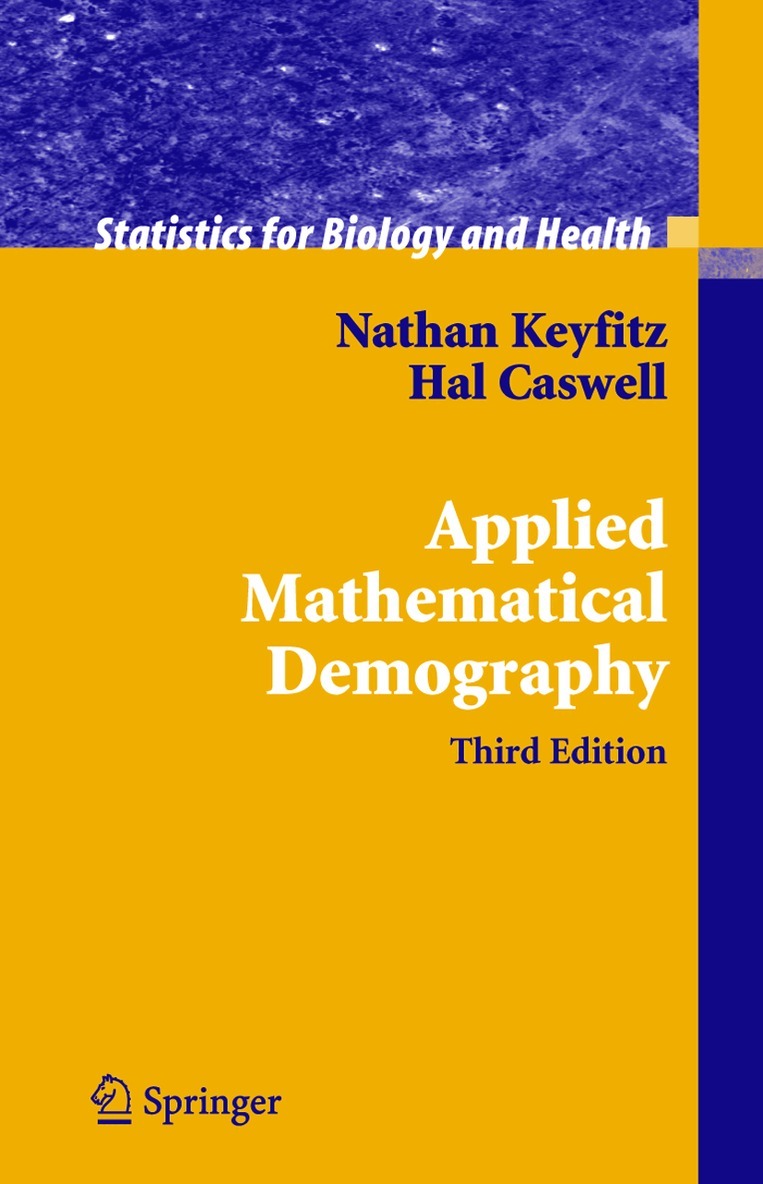
This third edtion contains new chapters on Matrix Population Models. - Inbunden, Engelska, 2008
1 105 kr
Skickas inom 10-15 vardagar
Proportional hazards models and their extensions (models with ti- dependent covariates, models with time dependent regression co- cients, models with random coe?cients and any mixture of these) can be used to characterize just about any applied problem to which the techniques of survival analysis are appropriate. This simple obser- tion enables us to ?nd an elegant statistical expression for all plausible practical situations arising in the analysis of survival data. We have a single unifying framework. In consequence, a solid understanding of the framework itself o?ers the statistician the ability to tackle the thorniestofquestionswhichmayarisewhendealingwithsurvivaldata. The main goal of this text is not to present or review the very s- stantial amount of research that has been carried out on proportional hazards and related models. Rather, the goal is to consider the many questions which are of interest in a regression analysis of survival data (prediction, goodness of ?t, model construction, inference and int- pretation in the presence of misspeci?ed models) from the standpoint of the proportional hazards and the non-proportional hazards models. - Inbunden, Engelska, 2006
1 873 kr
Skickas inom 10-15 vardagar
This book emphasizes dose selection issues from a statistical point of view. It presentsstatisticalapplicationsinthedesignandanalysisofdose–responsestudies. The importance of this subject can be found from the International Conference on Harmonization (ICH) E4 Guidance document. Establishing the dose–response relationship is one of the most important act- ities in developing a new drug. A clinical development program for a new drug can be broadly divided into four phases – namely Phases I, II, III, and IV. Phase I clinical trials are designed to study the clinical pharmacology. Information - tained from these studies will help in designing Phase II studies. Dose–response relationshipsareusuallystudiedinPhaseII.PhaseIIIclinicaltrialsarelarge-scale, long-term studies. These studies serve to con?rm ?ndings from Phases I and II. ResultsobtainedfromPhasesI,II,andIIIclinicaltrialswouldthenbedocumented and submitted to regulatory agencies for drug approval. In the United States, - viewers from Food and Drug Administration (FDA) review these documents and make a decision to approve or to reject this New Drug Application (NDA). If the new drug is approved, then Phase IV studies can be started. Phase IV clinical trials are also known as postmarketing studies. - Inbunden, Engelska, 2006
1 590 kr
Skickas inom 10-15 vardagar
The approach taken in this book is to studies monitored over time, what the Central Limit Theorem is to studies with only one analysis. Just as the Central Limit Theorem shows that test statistics involving very different types of clinical trial outcomes are asymptotically normal, this book shows that the joint distribution of the test statistics at different analysis times is asymptotically multivariate normal with the correlation structure of Brownian motion (“the B-value”) irrespective of the test statistic. The so-called B-value approach to monitoring allows us to use, for different types of trials, the same boundaries and the same simple formula for computing conditional power. Although Brownian motion may sound complicated, the authors make the approach easy by starting with a simple example and building on it, one piece at a time, ultimately showing that Brownian motion works for many different types of clinical trials.The book will be very valuable to statisticians involved in clinical trials. The main body of the chapters is accessible to anyone with knowledge of a standard mathematical statistics text. More mathematically advanced readers will find rigorous developments in appendices at the end of chapters. Reading the book will develop insight into not only monitoring, but power, survival analysis, safety, and other statistical issues germane to clinical trials.Michael Proschan, Gordon Lan, and Janet Wittes are elected Fellows of the American Statistical Association. All have spent formative years in the Biostatistics Research Branch of the National Heart, Lung, and Blood Institute (NHLBI/NIH). While there, they were intimately involved in the design and statistical monitoring of large-scale randomized clinical trials, developing methodology to aid in their monitoring. For example, Lan developed, with DeMets, the now widely-used spending function approach to group sequential designs, whose properties were further investigated byProschan. The B-value approach used in the book was introduced in a very influential paper by Lan and Wittes. The statistical theory behind conditional power was developed by Lan, along with Simon and Halperin, and was the cornerstone for the conditional error approach to adaptive clinical trials introduced by Proschan and Hunsberger. All three authors have expertise in adaptive methodology for clinical trials.Michael Proschan is a Mathematical Statistician at the National Institutes of Health; Gordon Lan is Senior Director of Biometrics at Johnson & Johnson Pharmaceutical Research and Development, L.L.C.; Janet Wittes is President of Statistics Collaborative, a statistical consulting company she founded in 1990. - Inbunden, Engelska, 2006
1 983 kr
Skickas inom 10-15 vardagar
Survival analysis, the analysis of failure time data, is a rapid developing area and a number of books on the topic have been published in last twenty-five years. However, all of these books deal with right-censored failure time data, not the analysis of interval-censored failure time data. Interval-censored data include right-censored data as a special case and occur in many fields. The analysis of interval-censored data is much more difficult than that of right-censored data because the censoring mechanism that yields interval censoring is more complicated than that for right censoring. This book collects and unifies statistical models and methods that have been proposed for analyzing interval-censored failure time data. It provides the first comprehensive coverage of the topic of interval-censored data and complements the books on right-censored data. A number of inference approaches are discussed in the book, including the maximum likelihood, estimating equations, sieve maximum likelihood, and conditional likelihood. One major difference between the analyses of right- and interval-censored data is that the theory of counting processes, which is responsible for substantial advances in the theory and development of modern statistical methods for right-censored data, is not applicable to interval-censored data. The focus of the book is on nonparametric and semiparametric inferences, but it also describes parametric and imputation approaches. In addition, Bayesian methods and the analysis of interval-censored data with informative interval censoring are considered as well as the analysis of interval-censored recurrent event, or panel count, data. This book provides an up-to-date reference for people who are conducting research on the analysis of interval-censored failure time data as well as for those who need to analyze interval-censored data to answer substantive questions. It can also be used as a text for a graduate course in statistics or biostatistics that assume a basic knowledge of probability and statistics.Jianguo (Tony) Sun is a professor at the Department of Statistics of the University of Missouri-Columbia. He has developed novel statistical methods for the analysis of interval-censored failure time data and panel count data over the last fifteen years. - Inbunden, Engelska, 2004
1 434 kr
Skickas inom 10-15 vardagar
Advances in computers and biotechnology have had a profound impact on biomedical research, and as a result complex data sets can now be generated to address extremely complex biological questions. Correspondingly, advances in the statistical methods necessary to analyze such data are following closely behind the advances in data generation methods. The statistical methods required by bioinformatics present many new and difficult problems for the research community.This book provides an introduction to some of these new methods. The main biological topics treated include sequence analysis, BLAST, microarray analysis, gene finding, and the analysis of evolutionary processes. The main statistical techniques covered include hypothesis testing and estimation, Poisson processes, Markov models and Hidden Markov models, and multiple testing methods.The second edition features new chapters on microarray analysis and on statistical inference, including a discussion of ANOVA, and discussions of the statistical theory of motifs and methods based on the hypergeometric distribution. Much material has been clarified and reorganized.The book is written so as to appeal to biologists and computer scientists who wish to know more about the statistical methods of the field, as well as to trained statisticians who wish to become involved with bioinformatics. The earlier chapters introduce the concepts of probability and statistics at an elementary level, but with an emphasis on material relevant to later chapters and often not covered in standard introductory texts. Later chapters should be immediately accessible to the trained statistician. Sufficient mathematical background consists of introductory courses in calculus and linear algebra. The basic biological concepts that are used are explained, or can be understood from the context, and standard mathematical concepts are summarized in an Appendix. Problems are provided at the end of each chapter allowing the reader to develop aspects of the theory outlined in the main text. Warren J. Ewens holds the Christopher H. Brown Distinguished Professorship at the University of Pennsylvania. He is the author of two books, Population Genetics and Mathematical Population Genetics. He is a senior editor of Annals of Human Genetics and has served on the editorial boards of Theoretical Population Biology, GENETICS, Proceedings of the Royal Society B and SIAM Journal in Mathematical Biology. He is a fellow of the Royal Society and the Australian Academy of Science.Gregory R. Grant is a senior bioinformatics researcher in the University of Pennsylvania Computational Biology and Informatics Laboratory. He obtained his Ph.D. in number theory from the University of Maryland in 1995 and his Masters in Computer Science from the University of Pennsylvania in 1999.Comments on the first edition:"This book would be an ideal text for a postgraduate course…[and] is equally well suited to individual study…. I would recommend the book highly." (Biometrics) "Ewens and Grant have given us a very welcome introduction to what is behind those pretty [graphical user] interfaces." (Naturwissenschaften) "The authors do an excellent job of presenting the essence of the material without getting bogged down in mathematical details." (Journal American Statistical Association) "The authors have restructured classical material to a great extent and the new organization of the different topics is one of the outstanding services of the book." (Metrika) - Inbunden, Engelska, 2009
2 268 kr
Skickas inom 10-15 vardagar
This mongraph will be a reference for statisticians and epidemiologists involved in vaccine studies. It will also be of interest to policy makers in public health who will get a background in this area from the non-technical sections. - Inbunden, Engelska, 2007
3 081 kr
Skickas inom 10-15 vardagar
'Which test should I apply?' During the many years of working with ecologists, biologists and other environmental scientists, this is probably the question that the authors of this book hear the most often. The answer is always the same and along the lines of 'What are your underlying questions?', 'What do you want to show?'. The answers to these questions provide the starting point for a detailed discussion on the ecological background and purpose of the study. This then gives the basis for deciding on the most appropriate analytical approach. Therefore, a better start ing point for an ecologist is to avoid the phrase 'test' and think in terms of 'analy sis'. A test refers to something simple and unified that gives a clear answer in the form of a p-value: something rarely appropriate for ecological data. In practice, one has to apply a data exploration, check assumptions, validate the models, per haps apply a series of methods, and most importantly, interpret the results in terms of the underlying ecology and the ecological questions being investigated. Ecology is a quantitative science trying to answer difficult questions about the complex world we live in. Most ecologists are aware of these complexities, but few are fully equipped with the statistical sophistication and understanding to deal with them. - Inbunden, Engelska, 2007
1 703 kr
Skickas inom 10-15 vardagar
Gene mapping is used in experimental genetics to improve the hardiness or productivity of animals or plants of agricultural value, to explore basic mechanisms of inheritance, or to study animal models of human inheritance. In human populations it is used as a first step to identify genes associated with human health and disease. This book presents a unified discussion of the statistical concepts applied in gene mapping, first in the experimental context of crosses of inbred lines and then in outbred populations, primarily humans. The development involves elementary principles of probability and statistics, which are implemented by computational tools based on the R programming language to simulate genetic experiments and evaluate statistical analyses. The viewpoint reflects the modern approach of using anonymous DNA markers distributed throughout the genome to identify regions likely to contain genes of interest. The reader is assumed to have some familiarity with probability/statistics and with elementary genetics. Important topics are reviewed in the first three chapters. The R programming language is developed in the text. Each chapter contains exercises, both theoretical and computational, some routine and others that are more challenging. The book is suitable for upper level undergraduate students or graduate students of genetics or statistics. - Inbunden, Engelska, 2007
1 816 kr
Skickas inom 10-15 vardagar
Recurrent event data arise in diverse fields such as medicine, public health, insurance, social science, economics, manufacturing and reliability. The purpose of this book is to present models and statistical methods for the analysis of recurrent event data. No single comprehensive treatment of these areas currently exists. The authors provide broad but detailed coverage of the major approaches to analysis, while also emphasizing the modeling assumptions that they are based on. Thus, they consider important models such as Poisson and renewal processes, with extensions to incorporate covariates or random effects.More general intensity-based models are also considered, as well as simpler models that focus on rate or mean functions. Parametric, nonparametric and semiparametric methodologies are all covered, with clear descriptions of procedures for estimation, testing and model checking. Important practical topics such as observation schemes and selection of individuals for study, the planning of randomized experiments, events of several types, and the prediction of future events are considered.Methods of modeling and analysis are illustrated through many examples taken from health research and industry. The objectives and interpretations of different analyses are discussed in detail, and issues of robustness are addressed. Statistical analysis of the examples is carried out with S-PLUS software and code is given for some examples.This book is directed at graduate students, researchers, and applied statisticians working in industry, government or academia. Some familiarity with survival analysis is beneficial since survival software is used to carry out many of the analyses considered. This book can be used as a textbook for a graduate course on the analysis of recurrent events or as a reference for a more general course on event history analysis. Problems are given at the end of chapters to reinforce the material presented and to provide additional background or extensions to certain topics. - Inbunden, Engelska, 2007
1 105 kr
Skickas inom 10-15 vardagar
Clustered survival data are encountered in many scientific disciplines including human and veterinary medicine, biology, epidemiology, public health and demography. Frailty models provide a powerful tool to analyse clustered survival data. In contrast to the large number of research publications on frailty models, relatively few statistical software packages contain frailty models.It is demanding for statistical practitioners and graduate students to grasp a good knowledge on frailty models from the existing literature. This book provides an in-depth discussion and explanation of the basics of frailty model methodology for such readers. The discussion includes parametric and semiparametric frailty models and accelerated failure time models. Common techniques to fit frailty models include the EM-algorithm, penalised likelihood techniques, Laplacian integration and Bayesian techniques. More advanced frailty models for hierarchical data are also included.Real-lifeexamples are used to demonstrate how particular frailty models can be fitted and how the results should be interpreted. The programs to fit all the worked-out examples in the book are available from the Springer website with most of the programs developed in the freeware packages R and Winbugs. The book starts with a brief overview of some basic concepts in classical survival analysis, collecting what is needed for the reading on the more complex frailty models. - Inbunden, Engelska, 2008
1 138 kr
Skickas inom 10-15 vardagar
The study of brain function is one of the most fascinating pursuits of m- ern science. Functional neuroimaging is an important component of much of the current research in cognitive, clinical, and social psychology. The exci- ment of studying the brain is recognized in both the popular press and the scienti?c community. In the pages of mainstream publications, including The New York Times and Wired, readers can learn about cutting-edge research into topics such as understanding how customers react to products and - vertisements (“If your brain has a ‘buy button,’ what pushes it?”, The New York Times,October19,2004),howviewersrespondtocampaignads(“Using M. R. I. ’s to see politics on the brain,” The New York Times, April 20, 2004; “This is your brain on Hillary: Political neuroscience hits new low,” Wired, November 12,2007),howmen and womenreactto sexualstimulation (“Brain scans arouse researchers,”Wired, April 19, 2004), distinguishing lies from the truth (“Duped,” The New Yorker, July 2, 2007; “Woman convicted of child abuse hopes fMRI can prove her innocence,” Wired, November 5, 2007), and even what separates “cool” people from “nerds” (“If you secretly like Michael Bolton, we’ll know,” Wired, October 2004). Reports on pathologies such as autism, in which neuroimaging plays a large role, are also common (for - stance, a Time magazine cover story from May 6, 2002, entitled “Inside the world of autism”). - Inbunden, Engelska, 2008
1 138 kr
Skickas inom 10-15 vardagar
The purpose of this book is to examine the etiology of cancer in large human populations using mathematical models developed from an inter-disciplinary perspective of the population epidemiological, biodemographic, genetic and physiological basis of the mechanisms of cancer initiation and progression. In addition an investigation of how the basic mechanism of tumor initiation relates to general processes of senescence and to other major chronic diseases (e.g., heart disease and stroke) will be conducted. - Inbunden, Engelska, 2009
1 654 kr
Skickas inom 10-15 vardagar
Building on the successful Analysing Ecological Data (2007) by Zuur, Ieno and Smith, the authors now provide an expanded introduction to using regression and its extensions in analysing ecological data. As with the earlier book, real data sets from postgraduate ecological studies or research projects are used throughout. The first part of the book is a largely non-mathematical introduction to linear mixed effects modelling, GLM and GAM, zero inflated models, GEE, GLMM and GAMM. The second part provides ten case studies that range from koalas to deep sea research. These chapters provide an invaluable insight into analysing complex ecological datasets, including comparisons of different approaches to the same problem. By matching ecological questions and data structure to a case study, these chapters provide an excellent starting point to analysing your own data. Data and R code from all chapters are available from www.highstat.com. - Inbunden, Engelska, 2009
2 532 kr
Skickas inom 10-15 vardagar
Quantitative trait locus (QTL) mapping is used to discover the genetic and molecular architecture underlying complex quantitative traits. It has important applications in agricultural, evolutionary, and biomedical research. R/qtl is an extensible, interactive environment for QTL mapping in experimental crosses. It is implemented as a package for the widely used open source statistical software R and contains a diverse array of QTL mapping methods, diagnostic tools for ensuring high-quality data, and facilities for the fit and exploration of multiple-QTL models, including QTL x QTL and QTL x environment interactions. This book is a comprehensive guide to the practice of QTL mapping and the use of R/qtl, including study design, data import and simulation, data diagnostics, interval mapping and generalizations, two-dimensional genome scans, and the consideration of complex multiple-QTL models. Two moderately challenging case studies illustrate QTL analysis in its entirety.The book alternates between QTL mapping theory and examples illustrating the use of R/qtl. Novice readers will find detailed explanations of the important statistical concepts and, through the extensive software illustrations, will be able to apply these concepts in their own research. Experienced readers will find details on the underlying algorithms and the implementation of extensions to R/qtl. There are 150 figures, including 90 in full color.