A mix of exceptionally rare and discerning essays. --The Great War MagazineSix first-personaccounts by German generalsCovers the Battle of Britain, Moscow, El Alamein, Stalingrad, D-Day and the Normandy Campaign, and the Battle of the BulgeDrawn from extensive interviews conducted immediately after the war
On 22 June 1941, the first German shells smashed into the Soviet frontier fortress of Brest--Hitler's Operation Barbarossa had begun. As the Wehrmacht advanced, taking the Red Army by surprise, the isolated stronghold of Brest held out in one of World War II's most legendary defenses. This graphic account chronicles the siege of Brest during the opening days of Operation Barbarossa. Detailed, hour-by-hour reconstruction of the fighting, based on new archival research and eyewitness testimony Describes how the Red Army garrison held out against a German division Dispels the myths surrounding this remarkable story"
Virtually the entire Soviet effort on the Eastern Front of World War II bears the stamp of Georgy Zhukov, chief of staff of the Red Army and deputy supreme commander under Stalin. The first volume of his memoirs covers Zhukov's peasant childhood, his prewar military career, and the first phase of World War II. Fascinating self-portrait of one of the most remarkable generals of the twentieth century Indispensable source for the Eastern Front, including the early battles for Kiev, Smolensk, and Leningrad"
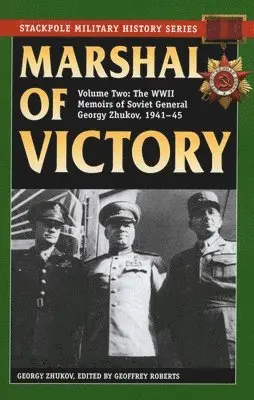
The second volume of Georgy Zhukov's memoirs begins with the desperate defense of Moscow in the late fall and winter of 1941 and continues through more than three years of war. Covers Stalingrad, Leningrad, Kursk, the final offensive into Germany and Berlin, and more Important insights into Stalin's decision-making, based on hundreds of personal meetings"
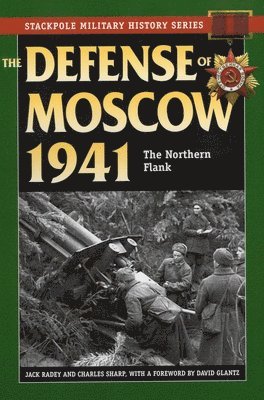
A 'must read' by historian and layman alike. --Col. David M. Glantz, author of Kursk"An important book that will surely become the definitive account." --John Prados, author of Normandy CrucibleNazi Germany's best chance of winning World War II on the Eastern Front came in October 1941. Most of the Red Army's forces around Moscow had been smashed or encircled, and no reserves were available for the capital's defense. All that stood in Germany's way was a handful of Soviet rifle divisions, tank brigades, and militia. When their attack ground to a halt, the Germans blamed the mud, but close examination reveals that it was the scraped together and poorly coordinated resistance of the Red Army that stopped the Germans. Radey and Sharp tell the dramatic story in this study of a pivotal battle in the struggle for supremacy in the East. Compelling study of how the Soviets inflicted a stunning defeat on the Germans during the early years of World War II Relies on archival records from both sides to shatter old myths about this battle"