508 kr
New Approaches to International History – serie
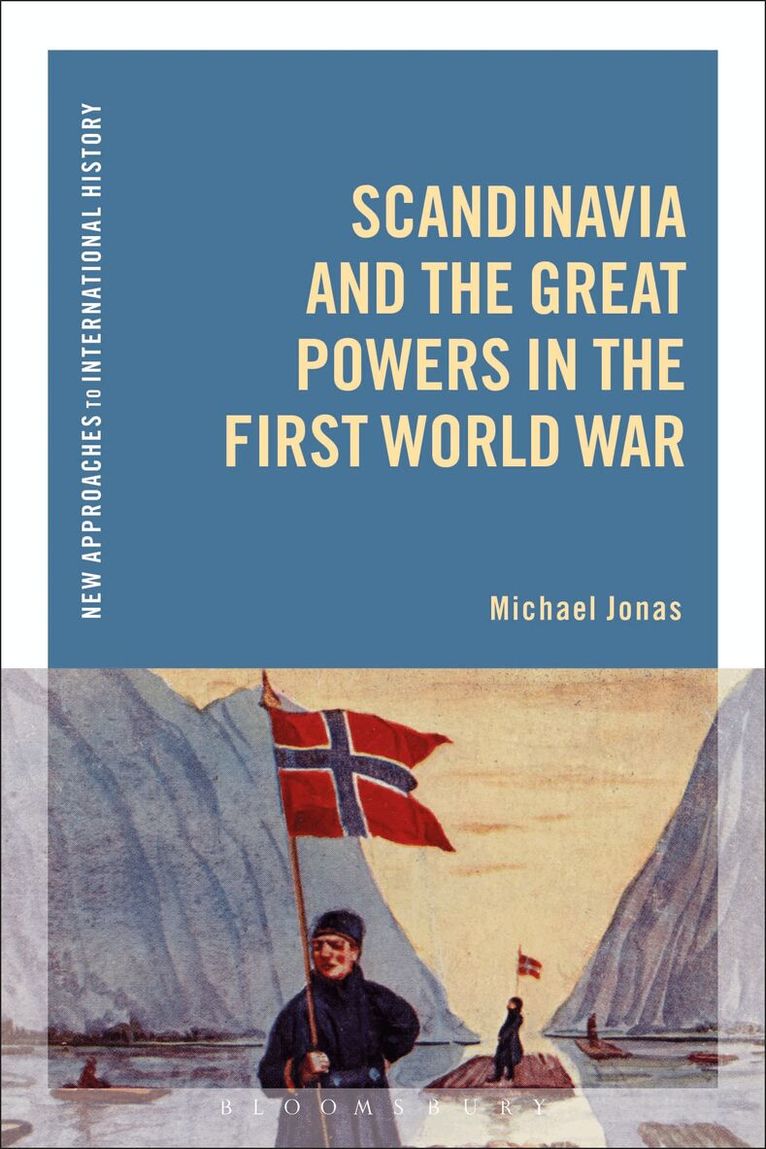
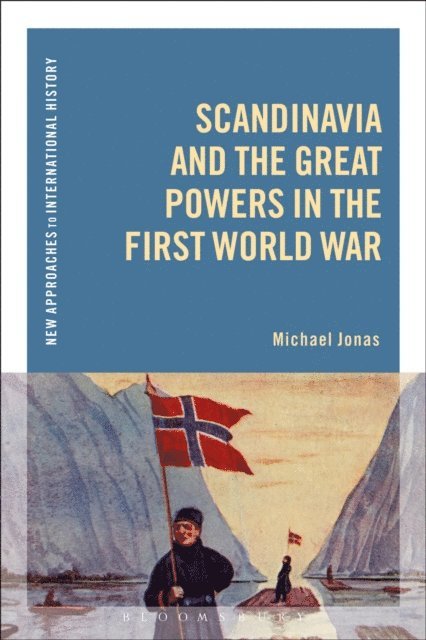
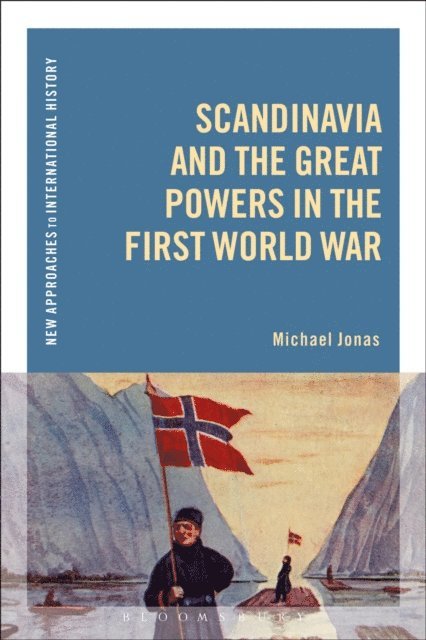
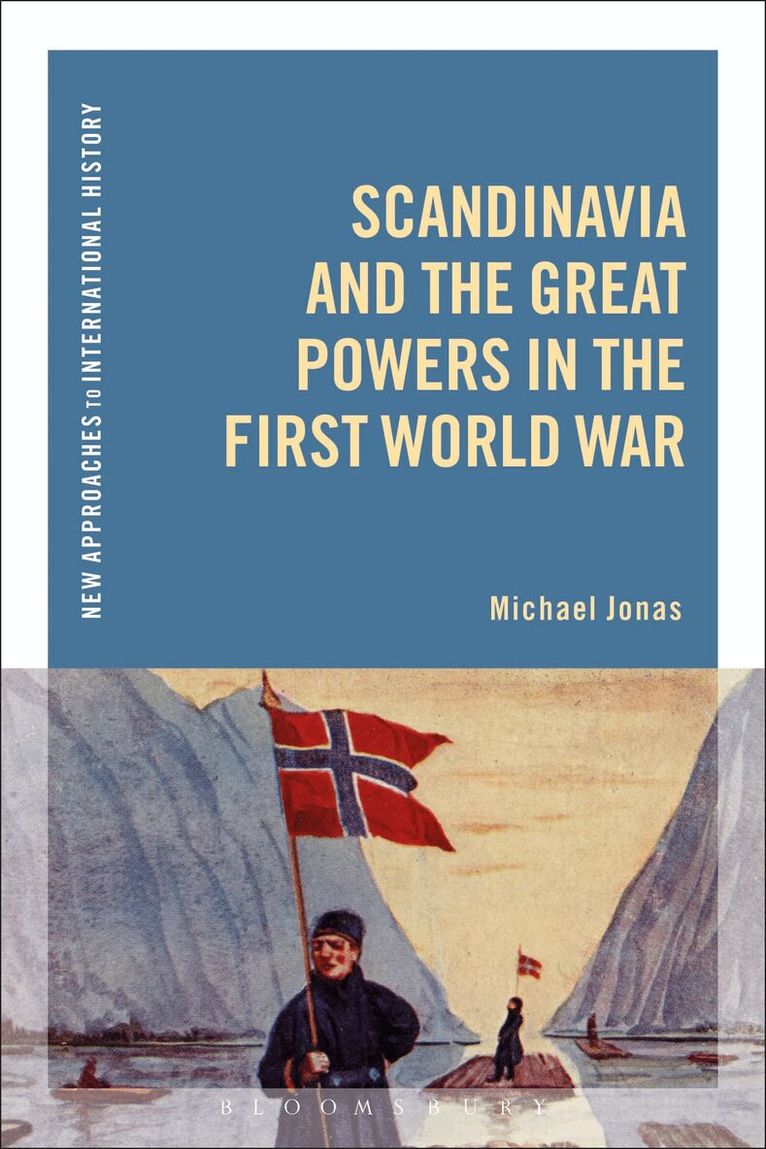
- Häftad, Engelska, 2020This study is among the first works in English to comprehensively address the Scandinavian First World War experience in the larger international context of the war. It surveys the complex relationship between the belligerent great powers and Northern Europe’s neutral small states in times of crisis and war.The book's overreaching rationale draws upon three underlying conceptual fields: neutrality and international law, hegemony and great power politics as well as diplomacy and policy-making of small states in the international arena. From a variety of angles, it examines the question of how neutrality was understood and perceived, negotiated and dealt with both among the Scandinavian states and the belligerent major powers, especially Britain, Germany and Russia.For a long time, the experience of neutral countries during the First World War was seen as marginal, and was overshadowed by the experiences of occupation and collaboration brought about by the Second World War. In this book, Jonas demonstrates how this perception has changed, with neutrality becoming an integral part of the multiple narratives of the First World War. It is an important contribution to the international history of the First World War, cultural-historically influenced approaches to diplomatic history and the growing area of neutrality studies.
- Häftad, Engelska, 2023
449 kr
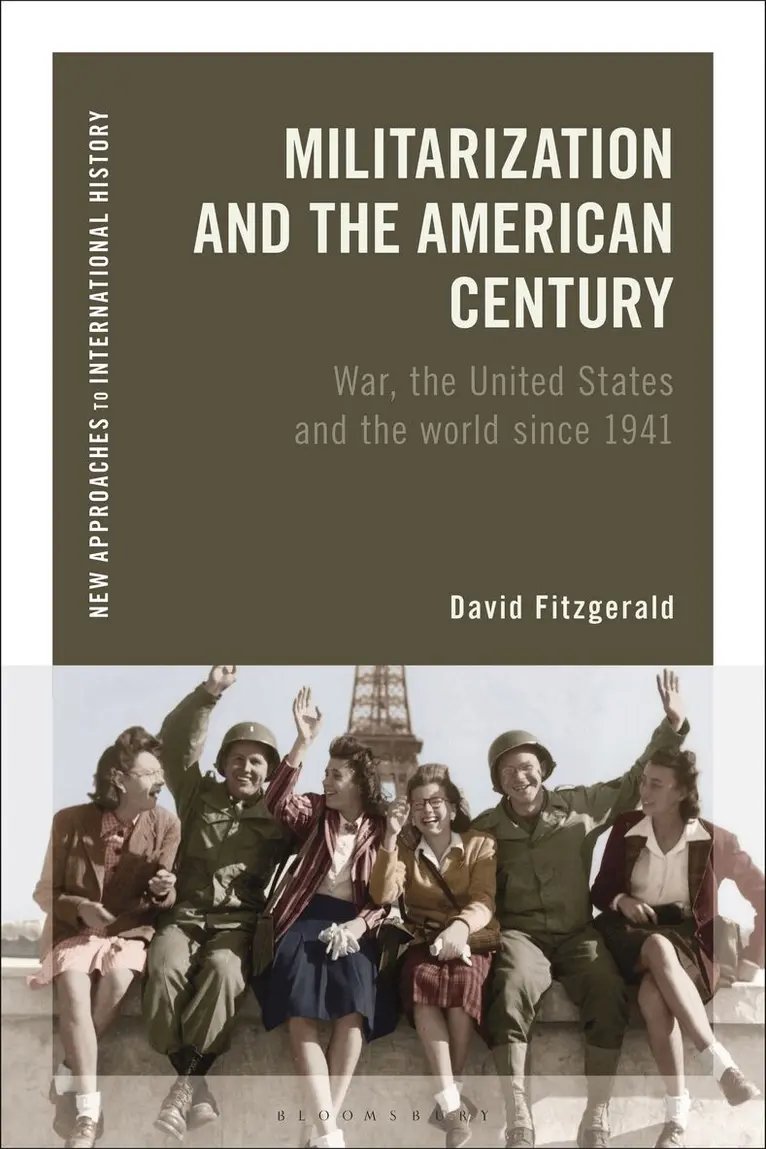
Taking American mobilization in WWII as its departure point, this book offers a concise but comprehensive introduction to the history of militarization in the United States since 1940. Exploring the ways in which war and the preparation for war have shaped and affected the United States during ‘The American Century’, Fitzgerald demonstrates how militarization has moulded relations between the US and the rest of the world. Providing a timely synthesis of key scholarship in a rapidly developing field, this book shows how national security concerns have affected issues as diverse as the development of the welfare state, infrastructure spending, gender relations and notions of citizenship. It also examines the way in which war is treated in the American imagination; how it has been depicted throughout this era, why its consequences have been made largely invisible and how Americans have often considered themselves to be reluctant warriors. In integrating domestic histories with international and transnational topics such as the American ‘empire of bases’ and the experience of American service personnel overseas, the author outlines the ways in which American militarization had, and still has, global consequences. Of interest to scholars, researchers and students of military history, war studies, US foreign relations and policy, this book addresses a burgeoning and dynamic field from which parallels and comparisons can be drawn for the modern day. - Häftad, Engelska, 2024
343 kr
Skickas
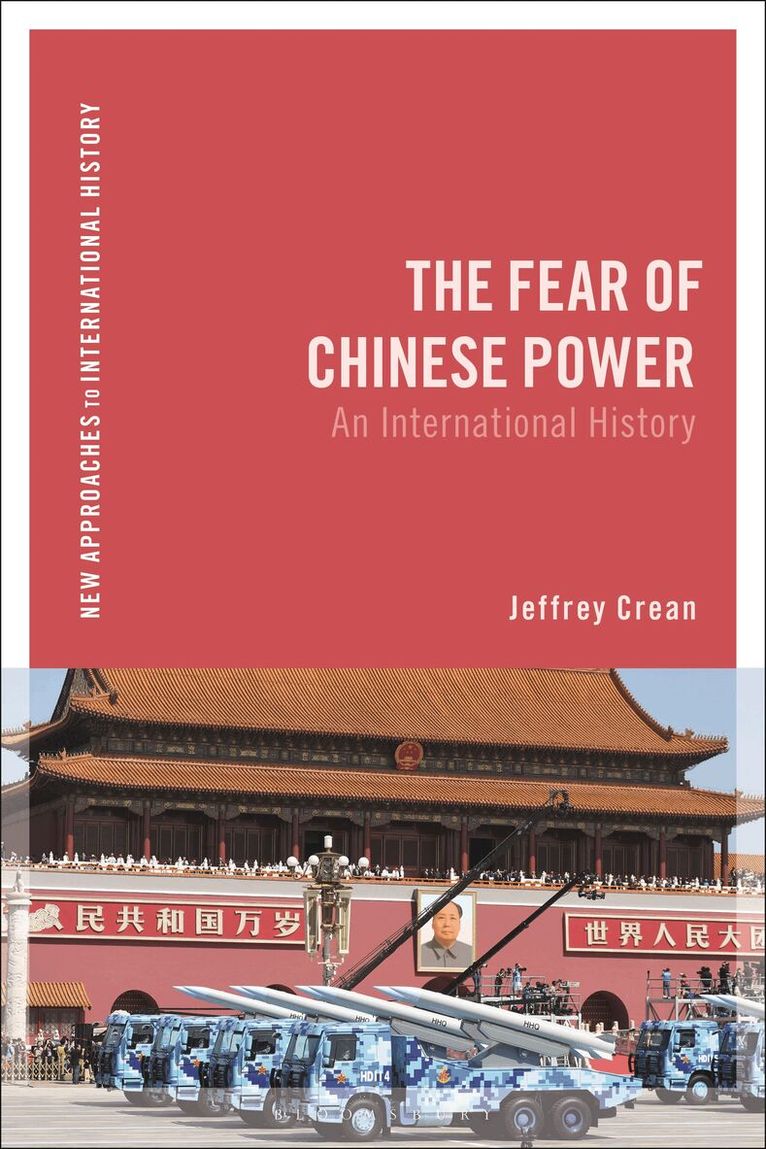
The real and potential power of China, the world’s most populous nation, has long been seen as a threat by its smaller neighbors and global powers alike. The Fear of Chinese Power provides a history of this perceived threat from the 1880s to the present day, and offers rich historical context to an enduring and current concern. Focusing on the United States, but also exploring perceptions from Britain, Germany, the Soviet Union and Japan, this book asks why these fears exist and shows how they have played out on both a strategic, diplomatic level, and in the public sphere. Taking a chronological approach, the chapters explore themes such as western opposition to Chinese immigration, international views of China’s new republic, hopes of friendship during the rule of Chiang Kai-Shek, the Korean and Cold Wars, Communist China’s economic growth, the Chinese in popular culture and China as a modern global power. Taking economic, military and cultural vantage points into account, The Fear of Chinese Power explains why a powerful China has been a mainstay of the western imagination since the 19th century, and reveals a history which has shaped international perceptions of China to the present day. - Häftad, Engelska, 2026
328 kr
Skickas inom 7-10 vardagar
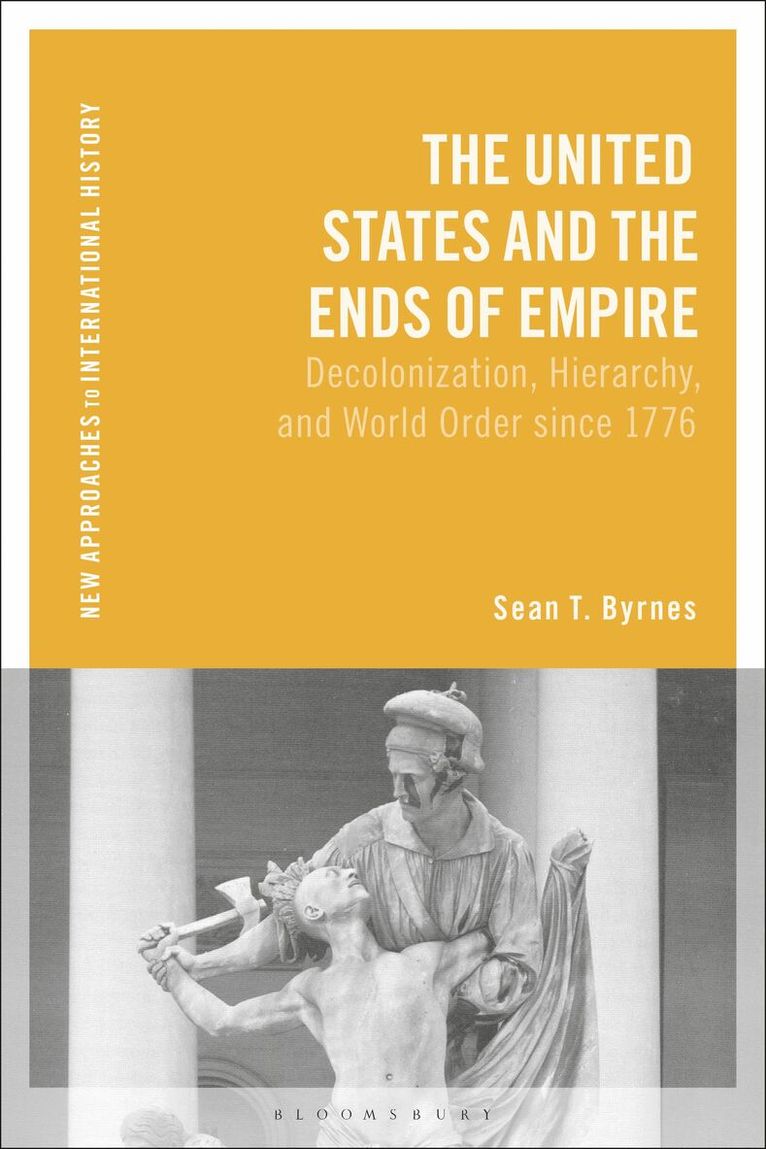
Few topics are more important to understanding the origins of the modern world than decolonization, and few countries have played a more important role in that history than the United States. In this book, Sean T. Byrnes provides a definitive, single-volume account of the relationship between the United States, decolonization, and world order.Through a lively narrative history that ranges across four centuries, Byrnes reveals how the process of ending and replacing empires defined the American relationship to the world from the colonial era to the present. Despite the egalitarian rhetoric of the American Revolution, hierarchies born of the imperial age—and defined by ideas about race, capitalism, and civilization—fundamentally shaped American views of who was entitled to sovereignty and when. Therefore, far from building a world of “Westphalian” sovereign equality, the United States instead manipulated, expanded, and then attempted to dominate globe spanning structures of wealth and power that served the few at the expense of the many.From early interactions with Native Americans and a decolonizing Latin America, to efforts to bolster global hierarchies after the World Wars and influence the postcolonial “Third World”, The United States and the Ends of Empire, tells the story of a US that may not always have embraced formal empire but nevertheless still sought to organize the world in imperial ways. In the process, it reveals how Americans helped build today’s modern, globalized world—and the unequal hierarchies of wealth and power that define it. - Häftad, Engelska, 2025
328 kr
Skickas
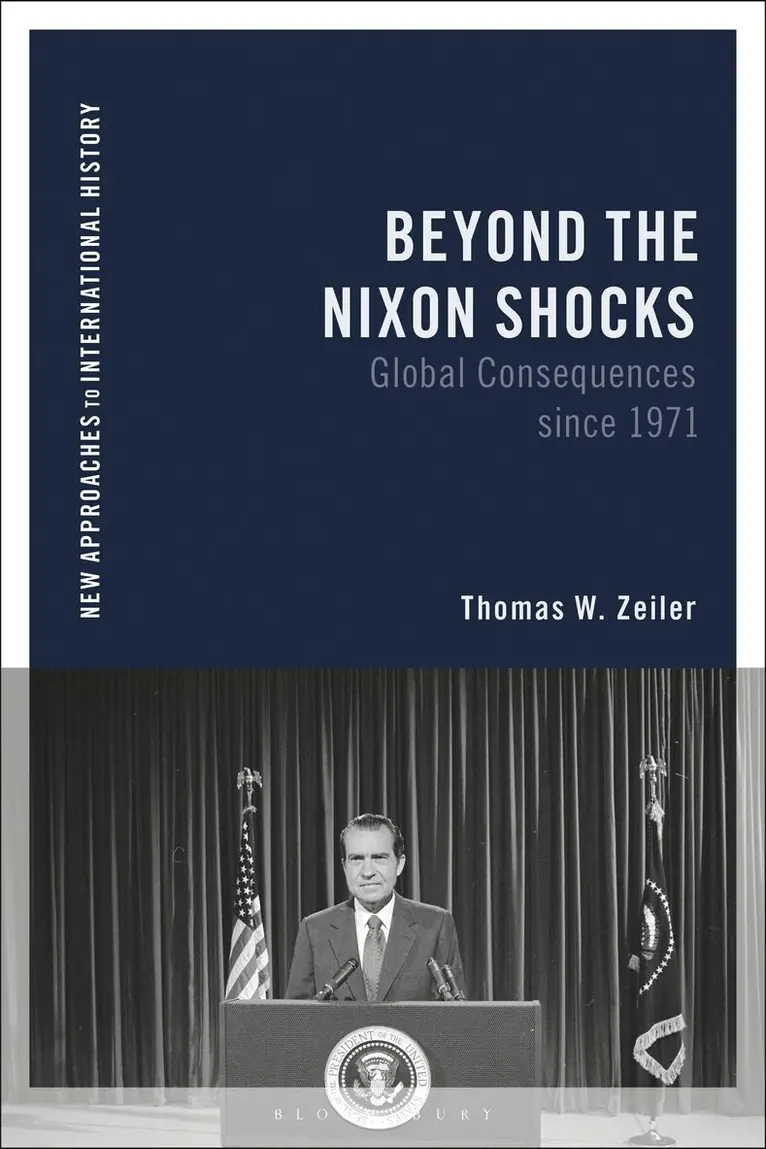
In 1971 President Nixon shocked the world with a series of announcements and policies that changed the political landscape at home, and shifted the bases of international power abroad. From newly opened diplomatic channels with China to unilateral monetary and trade reforms, this book argues that the so called ‘Nixon Shocks’ transformed not only America but the international economic, security, political and cultural arenas.Zeiler shows how, along with events such as the release of the Pentagon papers and oil crises, the United States’ foreign and domestic policies of the 1970s indicated the coming of a new world order. Providing a snapshot of these key moments, as the Cold War waned and new powers rose, Beyond the Nixon Shocks highlights America’s role in this era of globalization, tumult and uncertainty, and explores how they were received on the global stage. This book helps us to understand not only the impact of the global 1970s on world affairs, but how events and policies made half a century ago have shaped our modern age. - Häftad, Engelska, 2025
401 kr
Skickas
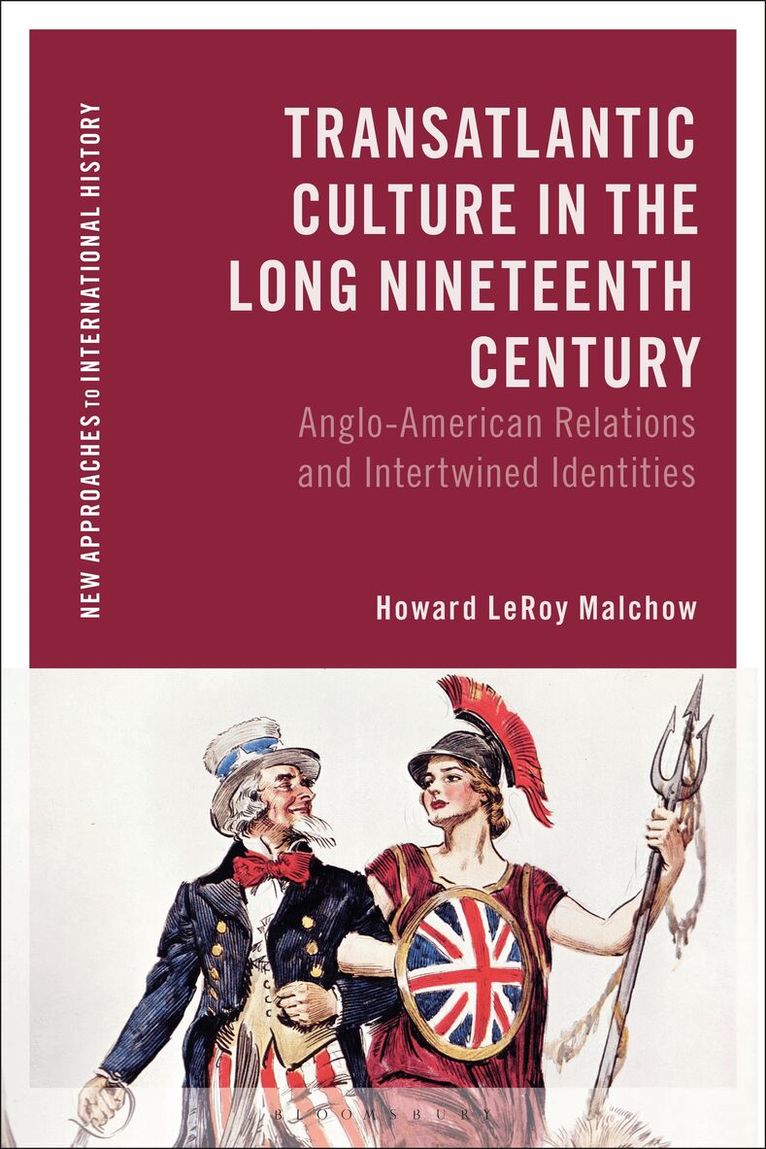
Ranging through the long nineteenth century, this book explores the evolving cultural relationship between Britain and the United States during this period. From language, speech and racial attitudes to imaginings of the Western frontier, travel memoirs, the role of theatre and Anglophilia and Anglophobia, it shows how actors on both sides of the Atlantic expressed understanding of themselves and their not-so-foreign Other.Tracing the ways in which these cultural activities served to imagine, shape, confirm and maintain cultural topographies, it shows how they constructed Anglo-American differences which endure today. It challenges narratives of fixed national identity by emphasising cultural borrowing, hybridity and shifting perspectives in an era of faster, easier transatlantic and American continental travel, and promotes an understanding of how these identities were both entrenched and challenged. - Häftad, Engelska, 2026
372 kr
Skickas
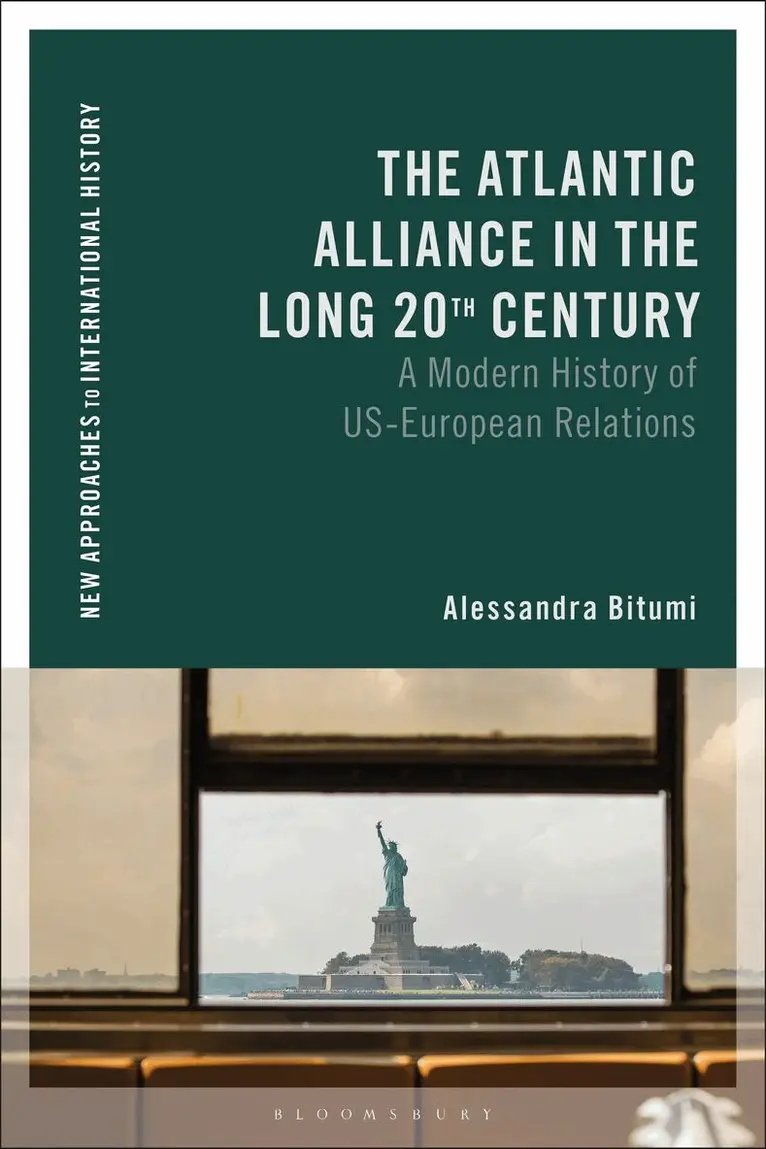
This volume offers a comprehensive analysis of transatlantic relations throughout the long 20th century. Reflecting on the tensions between identity and alterity, which have informed the relationship between Europe and the United States since the colonial era, The Atlantic Alliance in the Long 20th Century takes a transnational approach to situate Euro-American history within a global context and provide an understanding of how the Atlantic alliance has been built, maintained and challenged.Centring on the formation of “Atlantica”, a political and security community that emerged after World War II, it raises critical questions about the nature and manifestation of American hegemony in Western Europe; what were the foundational pillars of this community, and how did the balance of power evolve within it? Also exploring the interplay between transatlantic relations and European integration, it asks how the EU and EC fitted into this Atlantic community, and seeks to understand whether the Atlanticist vision and European project had common goals, or were their processes antagonistic?In examining the tensions between Atlanticism and Europeanism, and whether their approaches were independent or convergent, Bitumi sets out what this means for contemporary relations today. Arguing that the three foundational pillars of the Atlantic order- democracy, deregulated capitalism and cosmopolitan internationalism- have faced significant strain since the 2008 financial crisis, this book reflects on the origins of this crisis and the challenge it poses to the ongoing unity and cohesion of the Atlantic Alliance, and the trajectory of the Euro-American relationship. - Häftad, Engelska, 2017
420 kr
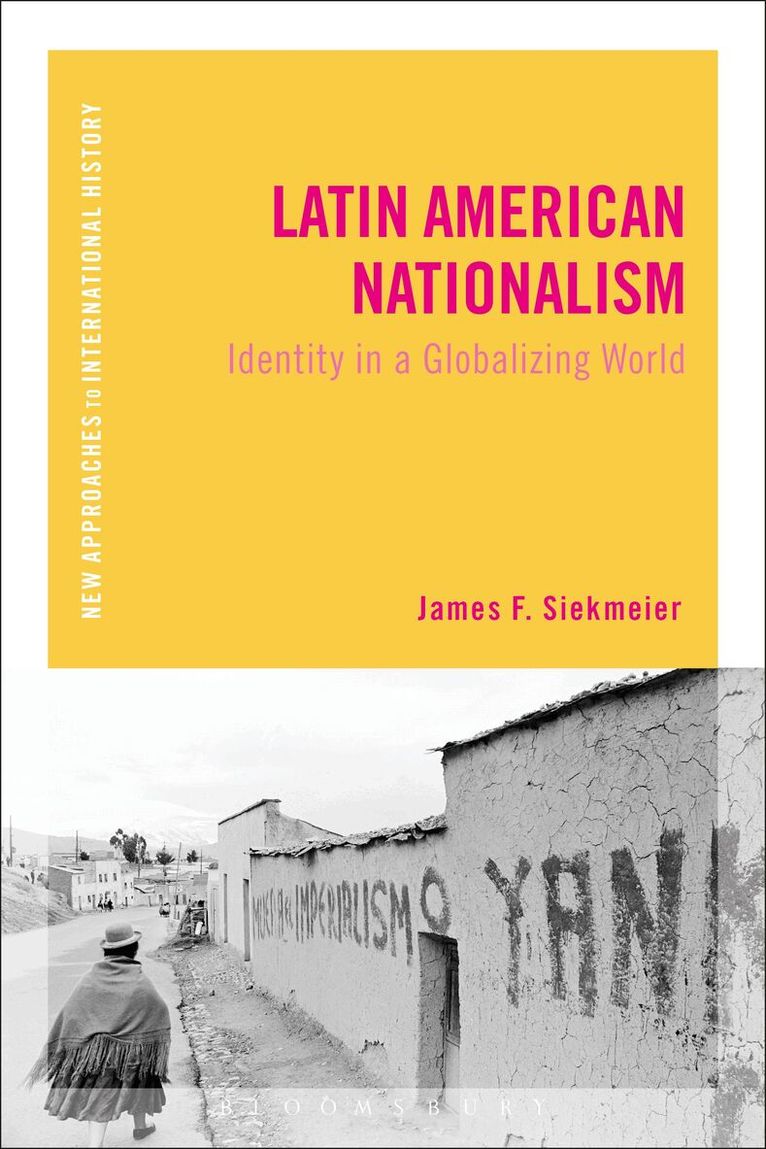
With ethnic and class-based national movements taking center stage in countries like Bolivia and Venezuela, nationalism has proven to be one of the most durable and important movements in Latin America. In understanding the history of these nationalisms, we can understand how Latin America relates to the rest of the world. As Latin America inserts itself into a rapidly globalizing world, understanding the changing nature of national identify and nationalism is key. By tracing the important historical origins of present-day Latin American nationalism, this book gives readers a thorough introduction to the subject. Only by understanding how nationalism came to be such an important social and political force, can we understand its significance today. In turn, understanding Latin American nationalism helps us understand how Latin America shapes, and is shaped by, a rapidly globalizing world. - Häftad, Engelska, 2021
405 kr
Skickas inom 10-15 vardagar
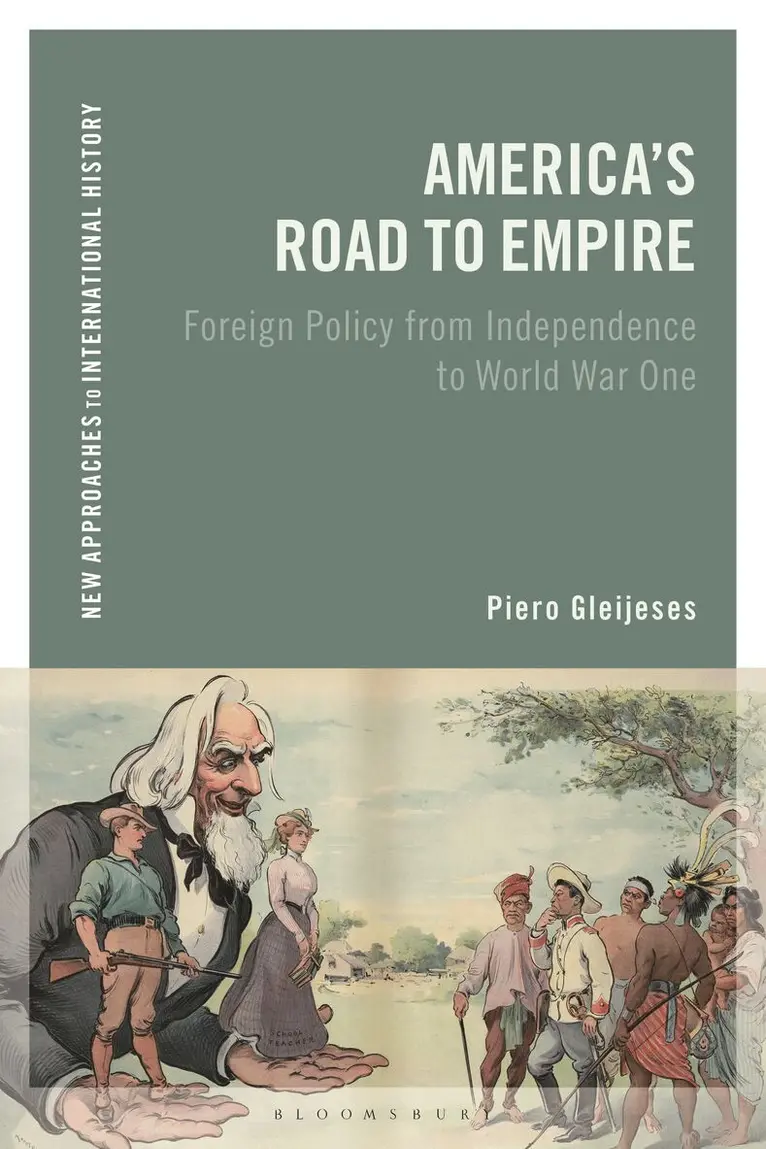
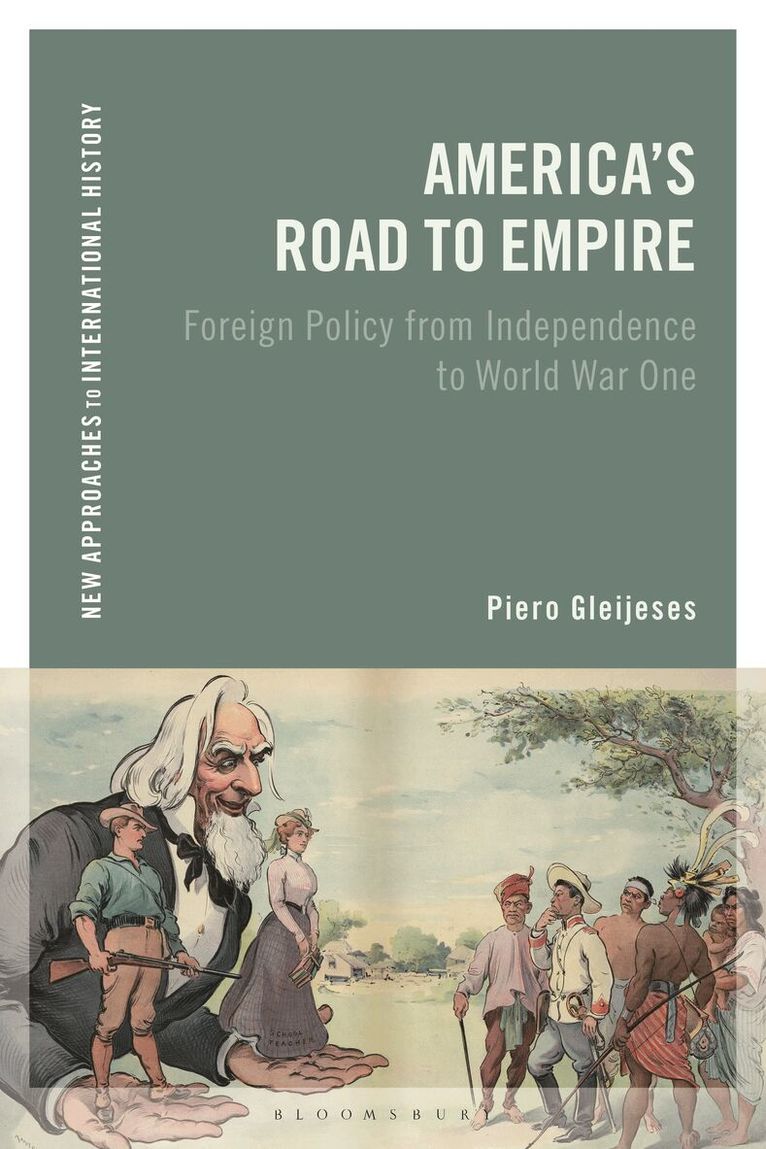
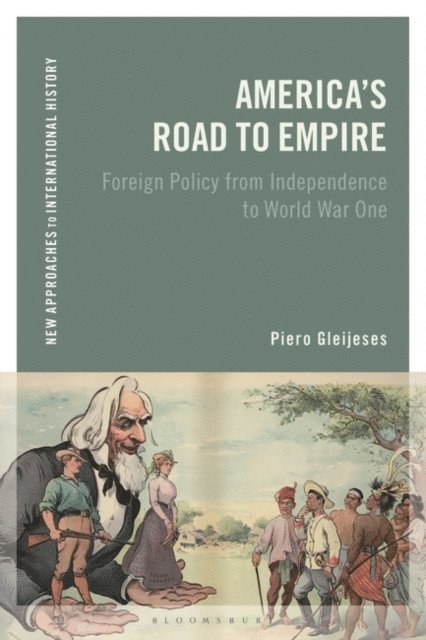
America's Road to Empire surveys and analyses United States' foreign relations from the country’s independence in 1776 until its entry into World War One in 1917, using primary source materials and case studies. The book covers key themes including:- the role that notions of "white superiority" played in US foreign policy - the search for absolute security that repeatedly led the United States to trample on the liberties of other countries; - and the idea of American 'exceptionalism' – the clash between the idealism of US rhetoric and its actions – which has led to a persistent failure to understand how “European” U.S. policy actually was. Whilst providing analytical overview, Piero Gleijeses also uses case studies which examine overlooked aspects of U.S. foreign policy, particularly concerning marginalized populations. He draws on archival U.S. and European primary sources and incorporates the latest research from the US, British, French and Spanish archives, as well as newspapers from the United States, Britain, France, Germany, Spain, and Mexico. A highly original account of the United States’ rise to power drawing on multilingual scholarship, this is an important book for all students and scholars of United States foreign relations up to the First World War. - Häftad, Engelska, 2019
405 kr
Skickas inom 10-15 vardagar
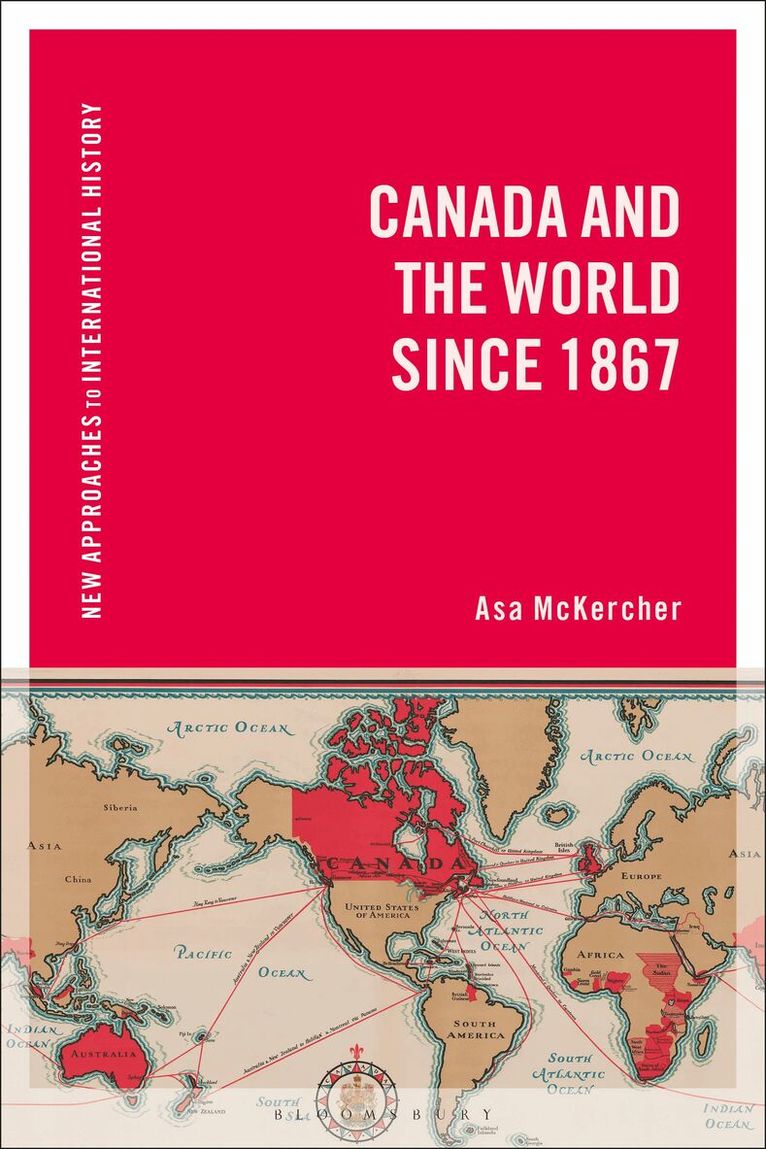
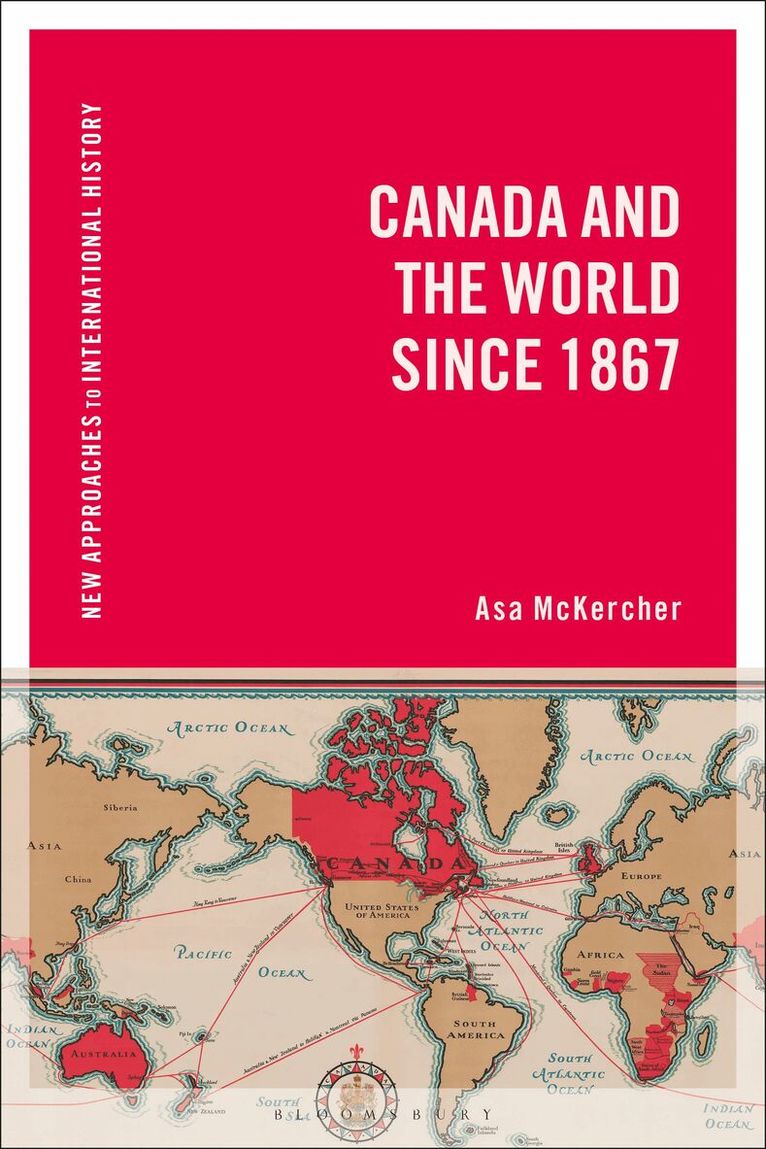
This book is a history of Canada’s role in the world as well as the impact of world events on Canada. Starting from the country’s quasi-independence from Britain in 1867, its analysis moves through events in Canadian and global history to the present day. Looking at Canada’s international relations from the perspective of elite actors and normal people alike, this study draws on original research and the latest work on Canadian international and transnational history to examine Canadians’ involvement with a diverse mix of issues, from trade and aid, to war and peace, to human rights and migration. The book traces four inter-connected themes: independence and growing estrangement from Britain; the longstanding and ongoing tensions created by ever-closer relations with the United States; the huge movement of people from around the world into Canada; and the often overlooked but significant range of Canadian contacts with the non-Western world. With an emphasis on the reciprocal nature of Canada’s involvement in world affairs, ultimately it is the first work to blend international and transnational approaches to the history of Canadian international relations. - Häftad, Engelska, 2023
436 kr
Skickas inom 10-15 vardagar
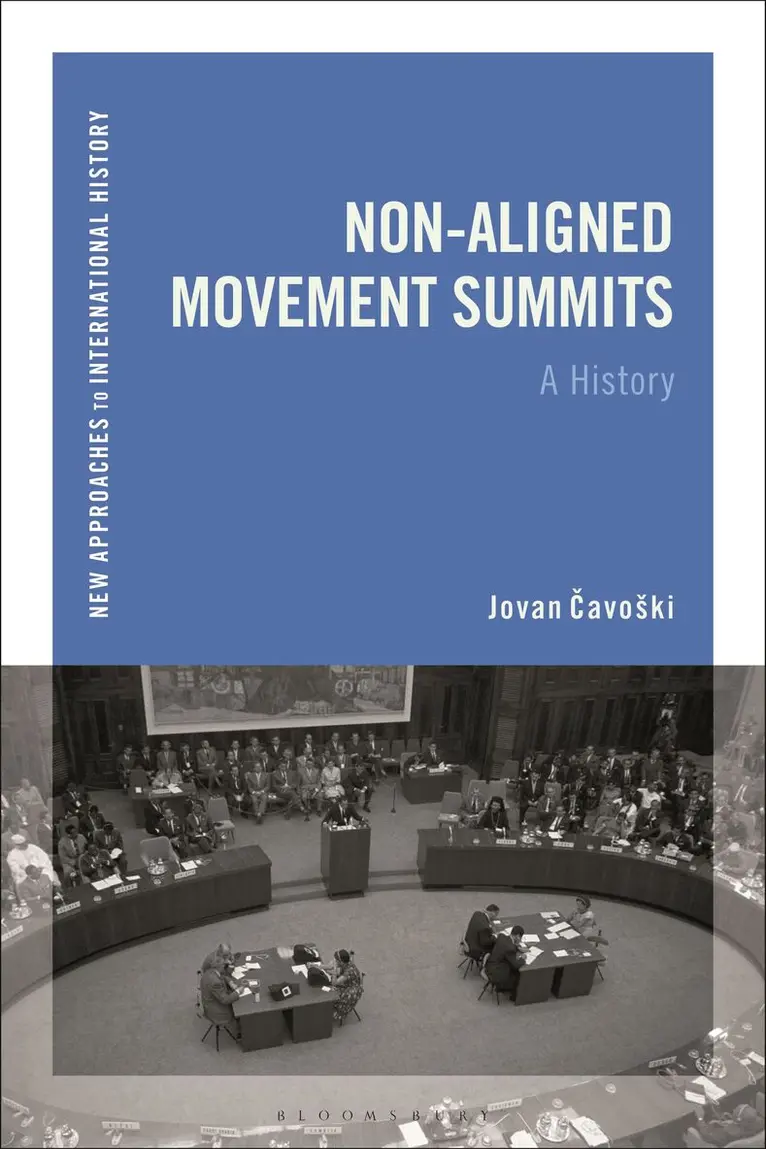
Using newly declassified documents from Serbian, British, Indian, Chinese, Myanmar, U.S., and Soviet archives, Non-Aligned Movement Summits shows how the Non-Aligned Movement (NAM) gradually evolved into the third force of Cold War politics, enveloping most of the post-colonial and non-bloc world. Jovan Cavoški follows the evolution of the NAM through its summits and other gatherings, during which major political decisions pertaining to the destiny of the Third World were made. These events were scrutinized by all major powers and had a corresponding effect on their policies. From the Belgrade Conference in 1961 until 1989, all major Third World and non-bloc nations met to demonstrate to the Eastern and Western Blocs that they were independent, active and respected participants in world affairs. Cavoški shows how these summits were also closely related to events occurring in the relationship between the two blocs, providing opportunities for non-bloc actors to influence the global balance of power.By moving the focus of 20th-century international history away from the bloc nations, and instead giving developing nations in Africa and Asia due attention, this book provides a fresh perspective on Cold War history and fills a significant gap in the literature. It is an important study for all students and scholars of the Cold War and international history. - Häftad, Engelska, 2023
346 kr
Skickas inom 10-15 vardagar
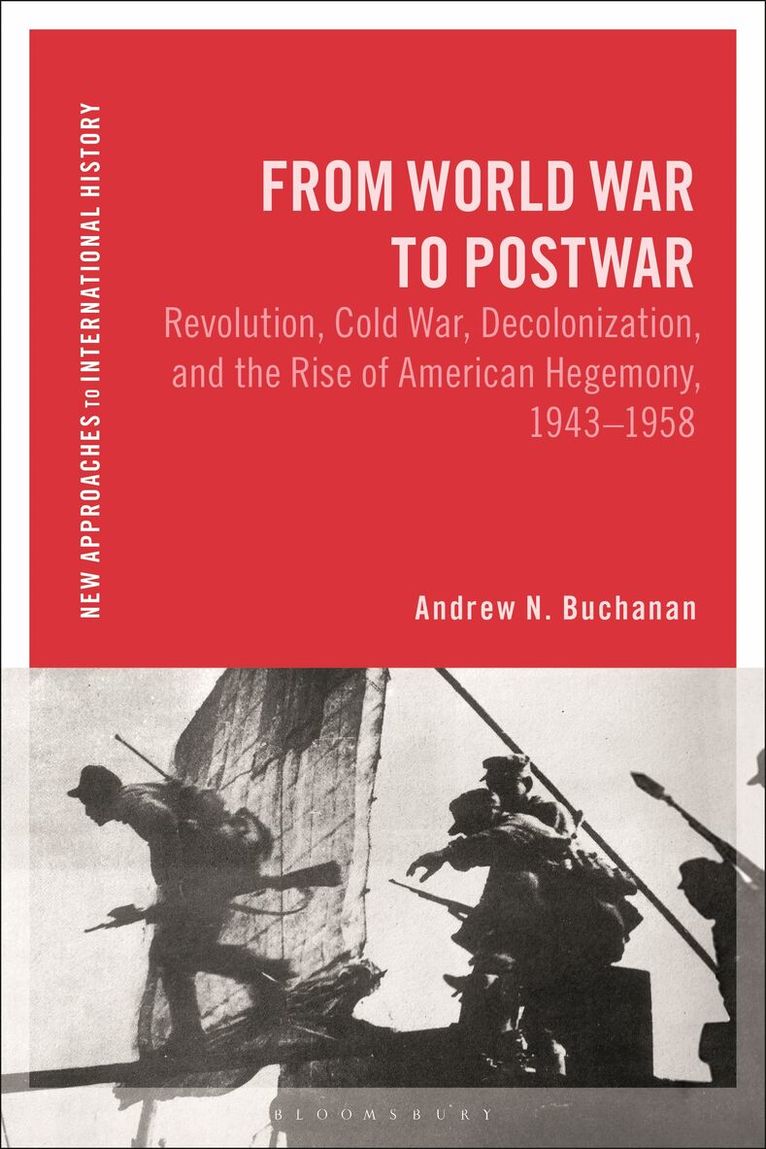
Offering a global account of the ‘long’ World War II, this book challenges conventional narratives that picture a clearly defined war period (1939-1945) followed by a distinct postwar era dominated by the encroaching cold war. Arguing instead that while some aspects of the war did end abruptly in 1945, in many corners of the world ‘war’ bled directly and raggedly into the ‘postwar’ such as Allied Occupation in Italy, the civil war in Greece, the rise of US hegemony and struggles for national liberation in India. From World War to Postwar shows how critical developments in the latter half of the 20th century were a direct result of the Second World War, and reconceptualizes the conflict as an intersecting series of regional wars as well as an overarching world war. Offering new ways to think about how ‘the war’ shaped the second half of the 20th century, this book reaches into those regions often overlooked in the study of WWII. Showing how wartime relations between the US and Latin America played a crucial role in the worldwide development of US hegemony, how WWII accelerated the retreat from Empire in Sub-Saharan Africa and how it encouraged the growth of anti-colonialism in regions around the world, Buchanan offers a truly global account of the outcomes of the largest conflict in human history, and challenges the temporal boundaries in which we view it. - Häftad, Engelska, 2015
405 kr
Skickas inom 10-15 vardagar
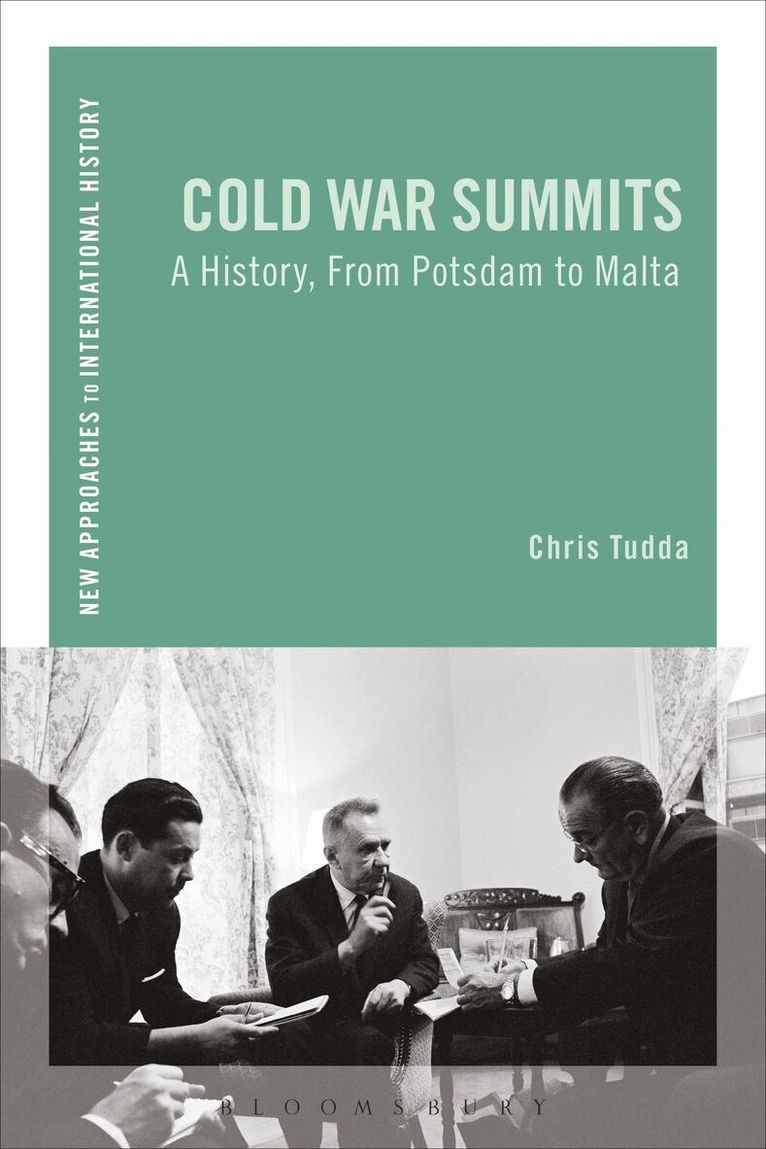
CHOICE Outstanding Academic Title 2016This book examines six summits spanning the beginning and the end of the Cold War. Using declassified documents from U.S., British, and other archives, Chris Tudda shows how the Cold War developed from an ideological struggle between capitalism and communism into a truly global struggle. From Potsdam in 1945, to Malta in 1989, the nuclear superpowers met to determine how to end World War II, manage the arms race, and ultimately, end the Cold War. Meanwhile, the newly independent nations of the "Third World," including the People's Republic of China, became active and respected members of the international community determined to manage their own fates independent of the superpowers.The six summits - Potsdam (1945), Bandung (1955), Glassboro (1967), Beijing (1972), Vienna (1972), and Malta (1989) - are here examined together in a single volume for the first time. An introductory essay provides a historiographical analysis of Cold War summitry, while the conclusion ties the summits together and demonstrates how the history of the Cold War can be understood not only by examining the meetings between the superpowers, but also by analyzing how the developing nations became agents of change and thus affected international relations. - Häftad, Engelska, 2019
390 kr
Skickas inom 10-15 vardagar
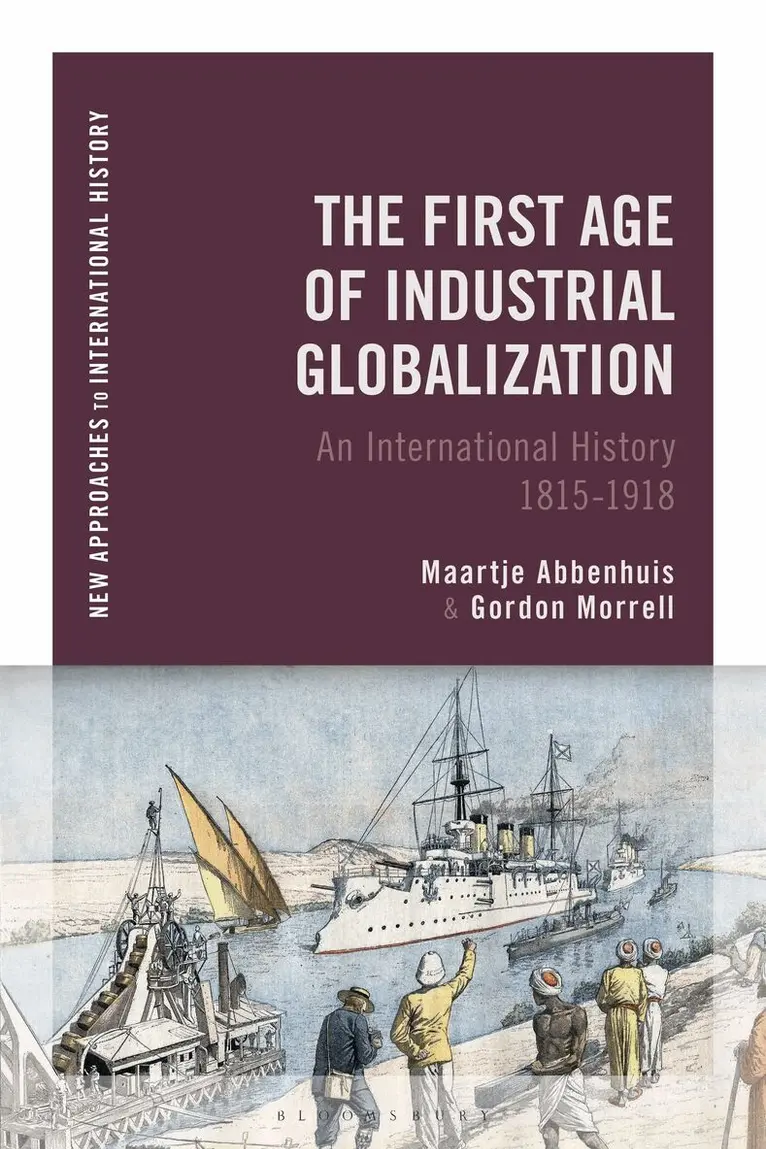
This book offers an accessible and lively survey of the global history of the age of industrialization and globalization that arose in the wake of the Napoleonic Wars and collapsed in the maelstrom of the First World War. Through a combination of industrialization, technological innovation and imperial expansion, the industrializing powers of the world helped to create inter-connected global space that left few regions untouched. In ten concise chapters, this book relays the major shifts in global power, economics and society, outlining the interconnections of global industrial, imperial and economic change for local and regional experiences, identities and politics. It finishes with an exposé on the catastrophic impact of the First World War on this global system.The First Age of Industrial Globalization weaves together the histories of industrialization, world economy, imperialism, international law, diplomacy and war, which historians usually treat as separate developments, and integrates them to offer a new analysis of an era of fundamental historical change. It shows that the revolutionary changes in politics, society and international affairs experienced in the 19th century were inter-connected developments. It is essential reading for any student of modern global history. - Häftad, Engelska, 2021
361 kr
Skickas inom 10-15 vardagar
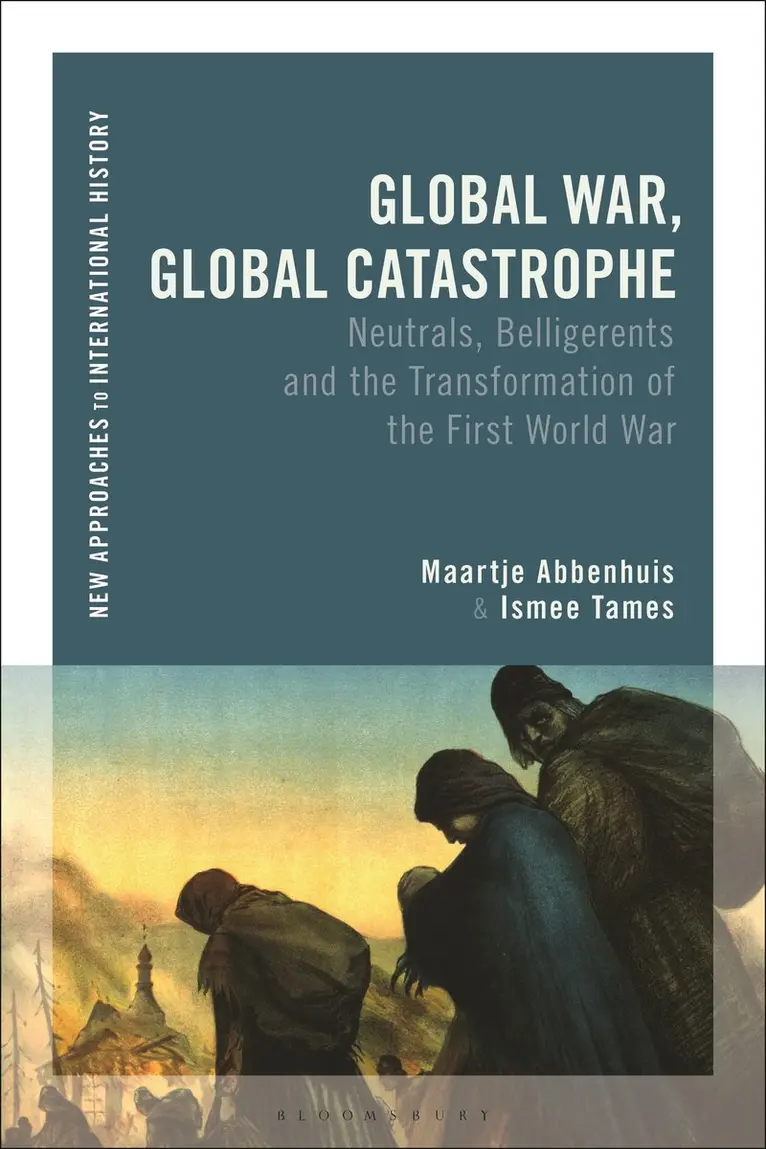
Winner of the World War One Historical Association’s 2021 Norman B. Tomlinson, Jr. PrizeGlobal War, Global Catastrophe presents a history of the First World War as an all-consuming industrial war that forcibly reshaped the international environment and, with it, impacted the futures of all the world’s people.Narrated chronologically, and available open access, the authors identify key themes and moments that radicalized the war’s conduct and globalized its impact, affecting neutral and belligerent societies alike. These include Germany’s invasion of Belgium and Britain’s declaration of war in 1914, the expansion of economic warfare in 1915, anti-imperial resistance, the Russian revolutions of 1917 and the United States’ entry into the war. Each chapter explains how individuals, communities, nation-states and empires experienced, considered and behaved in relationship to the conflict as it evolved into a total global war. Above all, the book argues that only by integrating the history of neutral and subject communities can we fully understand what made the First World War such a globally transformative event.This book offers an accessible and readable overview of the major trajectories of the global history of the conflict. It offers an innovative history of the First World War and an important alternative to existing belligerent-centric studies.The ebook editions of this book are available open access under a CC BY-NC-ND 3.0 licence on Bloomsbury Collections. - Häftad, Engelska, 2023
317 kr
Skickas inom 10-15 vardagar
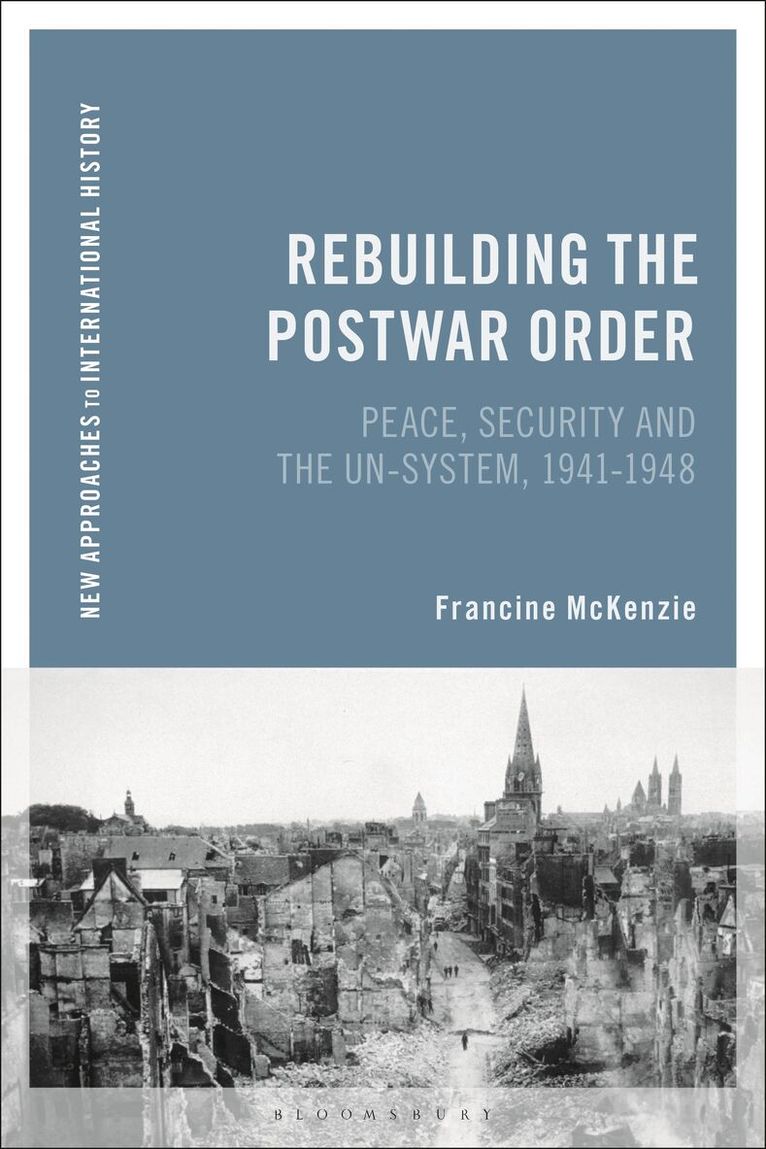
Throughout the Second World War, a wide range of people, including political leaders and government officials, experts and armchair internationalists, civil society groups and private citizens talked about and formulated plans to ensure national security and to promote individual well-being in the postwar world. Rebuilding the Postwar Order explains how civil society and governments of the wartime allies conceived of peace and traces the international negotiations and conferences that later resulted in the United Nations system. It adopts a multilateral approach, connects wartime ideas to earlier peacemaking efforts, and reveals support for, as well as resistance and alternatives to, the emerging postwar order. In chapters on the United Nations, UNRRA, the IMF, World Bank and GATT, the FAO and WHO, UNESCO, and human rights, McKenzie explores the tensions between national sovereignty and international responsibility, national security and individual well-being, principles and compromises, morality and power, privilege and justice, all of which influenced the UN system. - Häftad, Engelska, 2027
278 kr
Kommande
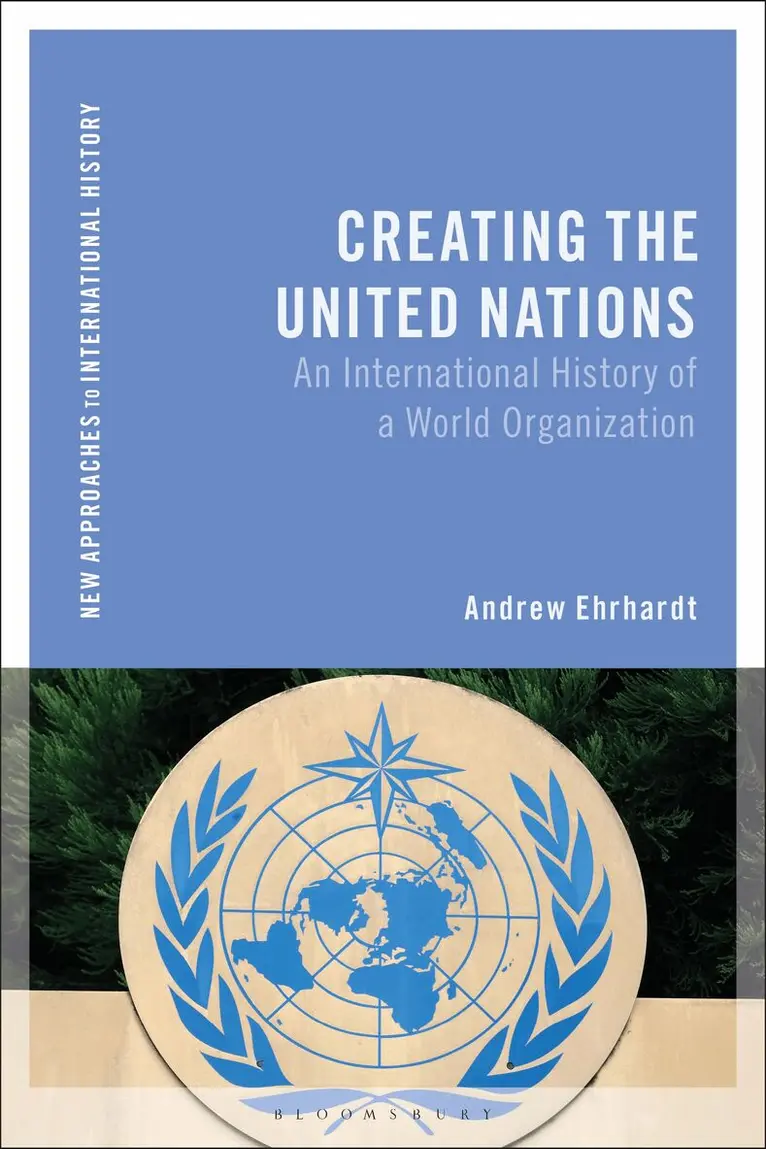
80 years on from the creation of the United Nations during WWII, this book offers the first international history of its establishment. Often thought as the brainchild of the United States, Andrew Erhardt shows that it was instead the result of international collaboration between a number of nation states, non-government organizations and individuals determined to build a world organization that might keep the peace in a war-torn world.As scholars, analysts and leading statesmen question whether the UN, and international organizations more broadly, remain fit for purpose in our 21st century world, Creating the United Nations takes us back to the beginning, to understand its original purpose, genesis and ultimate design. Only with this historical understanding – one that shines light on the central as well as the forgotten voices – can we begin to discuss how the United Nations might be reformed, to assess whether new forms of regional and international organisation are needed to address recurrent and new challenges, and to examine how such systems might be brought into existence. - Häftad, Engelska, 2022
346 kr
Skickas inom 10-15 vardagar
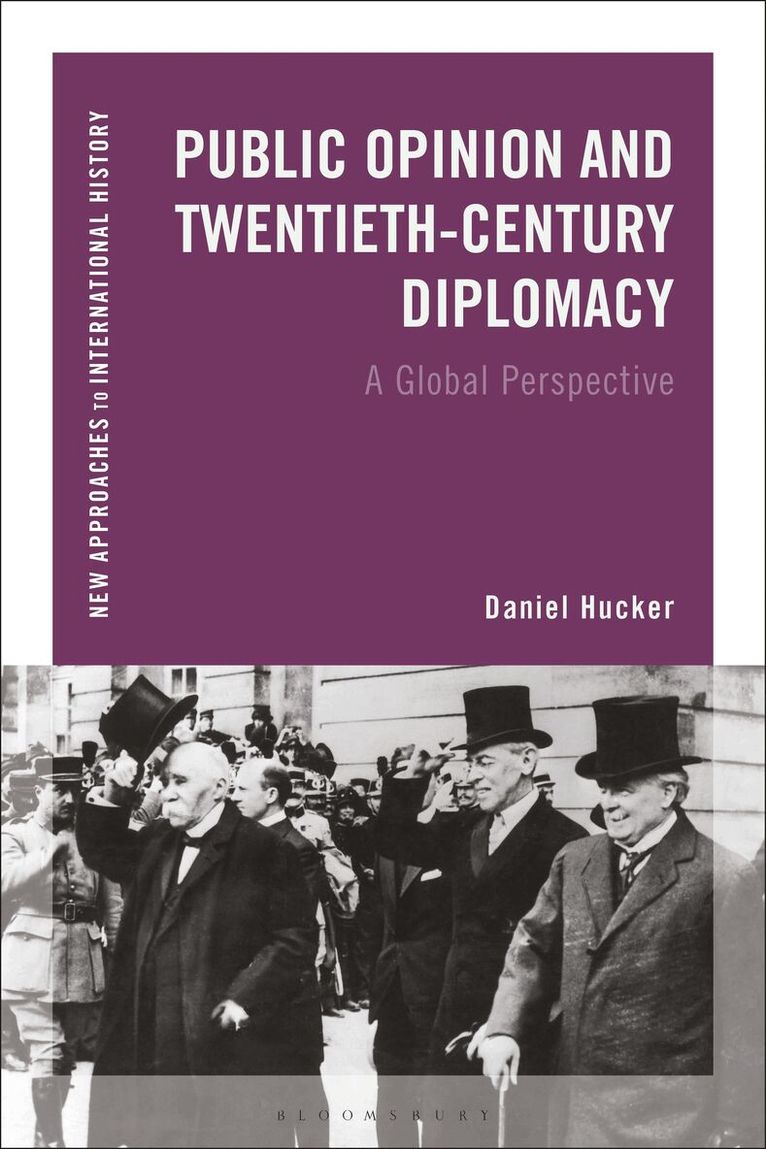
The objectives of this book are twofold. First, it provides an accessible introduction to the vast literature dedicated to the study of public opinion. Examining how its influence on diplomacy has been increasingly acknowledged, the book will show how public opinion has been embraced as a legitimate subject for scrutiny by international historians. Second, the book explores five case studies, looking at the role of public opinion in shaping British policy at the Paris Peace Conference, French policy in the era of 1930s appeasement, the policy choices of the United States during the Vietnam War, global responses to apartheid-era South Africa, and public attitudes across the EU regarding European integration. This closer examination incorporates different methodological approaches - old and new - to the complex task of ascertaining the impact of public opinion on the 'high' politics of diplomacy. The book thus provides students and scholars alike with a 'state of the field' overview, demonstrating both the vibrancy of public opinion research to date and the possibilities for exciting new directions in the future. - E-bokPDF, Engelska, 2021
424 kr
Läs direkt efter köp
America''s Road to Empire surveys and analyses United States'' foreign relations from the country''s independence in 1776 until its entry into World War One in 1917, using primary source materials and case studies. The book covers key themes including:- the role that notions of "white superiority" played in US foreign policy - the search for absolute security that repeatedly led the United States to trample on the liberties of other countries; - and the idea of American ''exceptionalism'' – the clash between the idealism of US rhetoric and its actions – which has led to a persistent failure to understand how “European” U.S. policy actually was. Whilst providing analytical overview, Piero Gleijeses also uses case studies which examine overlooked aspects of U.S. foreign policy, particularly concerning marginalized populations. He draws on archival U.S. and European primary sources and incorporates the latest research from the US, British, French and Spanish archives, as well as newspapers from the United States, Britain, France, Germany, Spain, and Mexico. A highly original account of the United States'' rise to power drawing on multilingual scholarship, this is an important book for all students and scholars of United States foreign relations up to the First World War. - Inbunden, Engelska, 2021
1 260 kr
Skickas inom 10-15 vardagar
America's Road to Empire surveys and analyses United States' foreign relations from the country’s independence in 1776 until its entry into World War One in 1917, using primary source materials and case studies. The book covers key themes including:- the role that notions of "white superiority" played in US foreign policy - the search for absolute security that repeatedly led the United States to trample on the liberties of other countries; - and the idea of American 'exceptionalism' – the clash between the idealism of US rhetoric and its actions – which has led to a persistent failure to understand how “European” U.S. policy actually was. Whilst providing analytical overview, Piero Gleijeses also uses case studies which examine overlooked aspects of U.S. foreign policy, particularly concerning marginalized populations. He draws on archival U.S. and European primary sources and incorporates the latest research from the US, British, French and Spanish archives, as well as newspapers from the United States, Britain, France, Germany, Spain, and Mexico. A highly original account of the United States’ rise to power drawing on multilingual scholarship, this is an important book for all students and scholars of United States foreign relations up to the First World War. - E-bokEngelska, 2021
434 kr
Läs direkt efter köp
America''s Road to Empire surveys and analyses United States'' foreign relations from the country''s independence in 1776 until its entry into World War One in 1917, using primary source materials and case studies. The book covers key themes including:- the role that notions of "white superiority" played in US foreign policy - the search for absolute security that repeatedly led the United States to trample on the liberties of other countries; - and the idea of American ''exceptionalism'' – the clash between the idealism of US rhetoric and its actions – which has led to a persistent failure to understand how “European” U.S. policy actually was. Whilst providing analytical overview, Piero Gleijeses also uses case studies which examine overlooked aspects of U.S. foreign policy, particularly concerning marginalized populations. He draws on archival U.S. and European primary sources and incorporates the latest research from the US, British, French and Spanish archives, as well as newspapers from the United States, Britain, France, Germany, Spain, and Mexico. A highly original account of the United States'' rise to power drawing on multilingual scholarship, this is an important book for all students and scholars of United States foreign relations up to the First World War. - Inbunden, Engelska, 2022
1 481 kr
Skickas inom 10-15 vardagar
Using newly declassified documents from Serbian, British, Indian, Chinese, Myanmar, U.S., and Soviet archives, Non-Aligned Movement Summits shows how the Non-Aligned Movement (NAM) gradually evolved into the third force of Cold War politics, enveloping most of the post-colonial and non-bloc world. Jovan Cavoški follows the evolution of the NAM through its summits and other gatherings, during which major political decisions pertaining to the destiny of the Third World were made. These events were scrutinized by all major powers and had a corresponding effect on their policies. From the Belgrade Conference in 1961 until 1989, all major Third World and non-bloc nations met to demonstrate to the Eastern and Western Blocs that they were independent, active and respected participants in world affairs. Cavoški shows how these summits were also closely related to events occurring in the relationship between the two blocs, providing opportunities for non-bloc actors to influence the global balance of power.By moving the focus of 20th-century international history away from the bloc nations, and instead giving developing nations in Africa and Asia due attention, this book provides a fresh perspective on Cold War history and fills a significant gap in the literature. It is an important study for all students and scholars of the Cold War and international history. - E-bokEngelska, 2022
458 kr
Läs direkt efter köp
Using newly declassified documents from Serbian, British, Indian, Chinese, Myanmar, U.S., and Soviet archives, Non-Aligned Movement Summits shows how the Non-Aligned Movement (NAM) gradually evolved into the third force of Cold War politics, enveloping most of the post-colonial and non-bloc world. Jovan Cavoški follows the evolution of the NAM through its summits and other gatherings, during which major political decisions pertaining to the destiny of the Third World were made. These events were scrutinized by all major powers and had a corresponding effect on their policies. From the Belgrade Conference in 1961 until 1989, all major Third World and non-bloc nations met to demonstrate to the Eastern and Western Blocs that they were independent, active and respected participants in world affairs. Cavoški shows how these summits were also closely related to events occurring in the relationship between the two blocs, providing opportunities for non-bloc actors to influence the global balance of power.By moving the focus of 20th-century international history away from the bloc nations, and instead giving developing nations in Africa and Asia due attention, this book provides a fresh perspective on Cold War history and fills a significant gap in the literature. It is an important study for all students and scholars of the Cold War and international history. - E-bokPDF, Engelska, 2022
468 kr
Läs direkt efter köp
Using newly declassified documents from Serbian, British, Indian, Chinese, Myanmar, U.S., and Soviet archives, Non-Aligned Movement Summits shows how the Non-Aligned Movement (NAM) gradually evolved into the third force of Cold War politics, enveloping most of the post-colonial and non-bloc world. Jovan Cavoški follows the evolution of the NAM through its summits and other gatherings, during which major political decisions pertaining to the destiny of the Third World were made. These events were scrutinized by all major powers and had a corresponding effect on their policies. From the Belgrade Conference in 1961 until 1989, all major Third World and non-bloc nations met to demonstrate to the Eastern and Western Blocs that they were independent, active and respected participants in world affairs. Cavoški shows how these summits were also closely related to events occurring in the relationship between the two blocs, providing opportunities for non-bloc actors to influence the global balance of power.By moving the focus of 20th-century international history away from the bloc nations, and instead giving developing nations in Africa and Asia due attention, this book provides a fresh perspective on Cold War history and fills a significant gap in the literature. It is an important study for all students and scholars of the Cold War and international history. - E-bokPDF, Engelska, 2019
434 kr
Läs direkt efter köp
This book is a history of Canada''s role in the world as well as the impact of world events on Canada. Starting from the country''s quasi-independence from Britain in 1867, its analysis moves through events in Canadian and global history to the present day. Looking at Canada''s international relations from the perspective of elite actors and normal people alike, this study draws on original research and the latest work on Canadian international and transnational history to examine Canadians'' involvement with a diverse mix of issues, from trade and aid, to war and peace, to human rights and migration. The book traces four inter-connected themes: independence and growing estrangement from Britain; the longstanding and ongoing tensions created by ever-closer relations with the United States; the huge movement of people from around the world into Canada; and the often overlooked but significant range of Canadian contacts with the non-Western world. With an emphasis on the reciprocal nature of Canada''s involvement in world affairs, ultimately it is the first work to blend international and transnational approaches to the history of Canadian international relations. - Inbunden, Engelska, 2019
1 260 kr
Skickas inom 10-15 vardagar
This book is a history of Canada’s role in the world as well as the impact of world events on Canada. Starting from the country’s quasi-independence from Britain in 1867, its analysis moves through events in Canadian and global history to the present day. Looking at Canada’s international relations from the perspective of elite actors and normal people alike, this study draws on original research and the latest work on Canadian international and transnational history to examine Canadians’ involvement with a diverse mix of issues, from trade and aid, to war and peace, to human rights and migration. The book traces four inter-connected themes: independence and growing estrangement from Britain; the longstanding and ongoing tensions created by ever-closer relations with the United States; the huge movement of people from around the world into Canada; and the often overlooked but significant range of Canadian contacts with the non-Western world. With an emphasis on the reciprocal nature of Canada’s involvement in world affairs, ultimately it is the first work to blend international and transnational approaches to the history of Canadian international relations. - E-bokEngelska, 2019
431 kr
Läs direkt efter köp
This book is a history of Canada''s role in the world as well as the impact of world events on Canada. Starting from the country''s quasi-independence from Britain in 1867, its analysis moves through events in Canadian and global history to the present day. Looking at Canada''s international relations from the perspective of elite actors and normal people alike, this study draws on original research and the latest work on Canadian international and transnational history to examine Canadians'' involvement with a diverse mix of issues, from trade and aid, to war and peace, to human rights and migration. The book traces four inter-connected themes: independence and growing estrangement from Britain; the longstanding and ongoing tensions created by ever-closer relations with the United States; the huge movement of people from around the world into Canada; and the often overlooked but significant range of Canadian contacts with the non-Western world. With an emphasis on the reciprocal nature of Canada''s involvement in world affairs, ultimately it is the first work to blend international and transnational approaches to the history of Canadian international relations. - Inbunden, Engelska, 2019
1 776 kr
Skickas inom 10-15 vardagar
This study is among the first works in English to comprehensively address the Scandinavian First World War experience in the larger international context of the war. It surveys the complex relationship between the belligerent great powers and Northern Europe’s neutral small states in times of crisis and war.The book's overreaching rationale draws upon three underlying conceptual fields: neutrality and international law, hegemony and great power politics as well as diplomacy and policy-making of small states in the international arena. From a variety of angles, it examines the question of how neutrality was understood and perceived, negotiated and dealt with both among the Scandinavian states and the belligerent major powers, especially Britain, Germany and Russia.For a long time, the experience of neutral countries during the First World War was seen as marginal, and was overshadowed by the experiences of occupation and collaboration brought about by the Second World War. In this book, Jonas demonstrates how this perception has changed, with neutrality becoming an integral part of the multiple narratives of the First World War. It is an important contribution to the international history of the First World War, cultural-historically influenced approaches to diplomatic history and the growing area of neutrality studies. - E-bokPDF, Engelska, 2019
546 kr
Läs direkt efter köp
This study is among the first works in English to comprehensively address the Scandinavian First World War experience in the larger international context of the war. It surveys the complex relationship between the belligerent great powers and Northern Europe''s neutral small states in times of crisis and war.The book''s overreaching rationale draws upon three underlying conceptual fields: neutrality and international law, hegemony and great power politics as well as diplomacy and policy-making of small states in the international arena. From a variety of angles, it examines the question of how neutrality was understood and perceived, negotiated and dealt with both among the Scandinavian states and the belligerent major powers, especially Britain, Germany and Russia.For a long time, the experience of neutral countries during the First World War was seen as marginal, and was overshadowed by the experiences of occupation and collaboration brought about by the Second World War. In this book, Jonas demonstrates how this perception has changed, with neutrality becoming an integral part of the multiple narratives of the First World War. It is an important contribution to the international history of the First World War, cultural-historically influenced approaches to diplomatic history and the growing area of neutrality studies. - E-bokEngelska, 2019
546 kr
Läs direkt efter köp
This study is among the first works in English to comprehensively address the Scandinavian First World War experience in the larger international context of the war. It surveys the complex relationship between the belligerent great powers and Northern Europe''s neutral small states in times of crisis and war.The book''s overreaching rationale draws upon three underlying conceptual fields: neutrality and international law, hegemony and great power politics as well as diplomacy and policy-making of small states in the international arena. From a variety of angles, it examines the question of how neutrality was understood and perceived, negotiated and dealt with both among the Scandinavian states and the belligerent major powers, especially Britain, Germany and Russia.For a long time, the experience of neutral countries during the First World War was seen as marginal, and was overshadowed by the experiences of occupation and collaboration brought about by the Second World War. In this book, Jonas demonstrates how this perception has changed, with neutrality becoming an integral part of the multiple narratives of the First World War. It is an important contribution to the international history of the First World War, cultural-historically influenced approaches to diplomatic history and the growing area of neutrality studies.