460 kr
Skickas inom 7-10 vardagar
460 kr
Skickas inom 7-10 vardagar
1 234 kr
Skickas inom 7-10 vardagar
362 kr
Skickas inom 11-20 vardagar
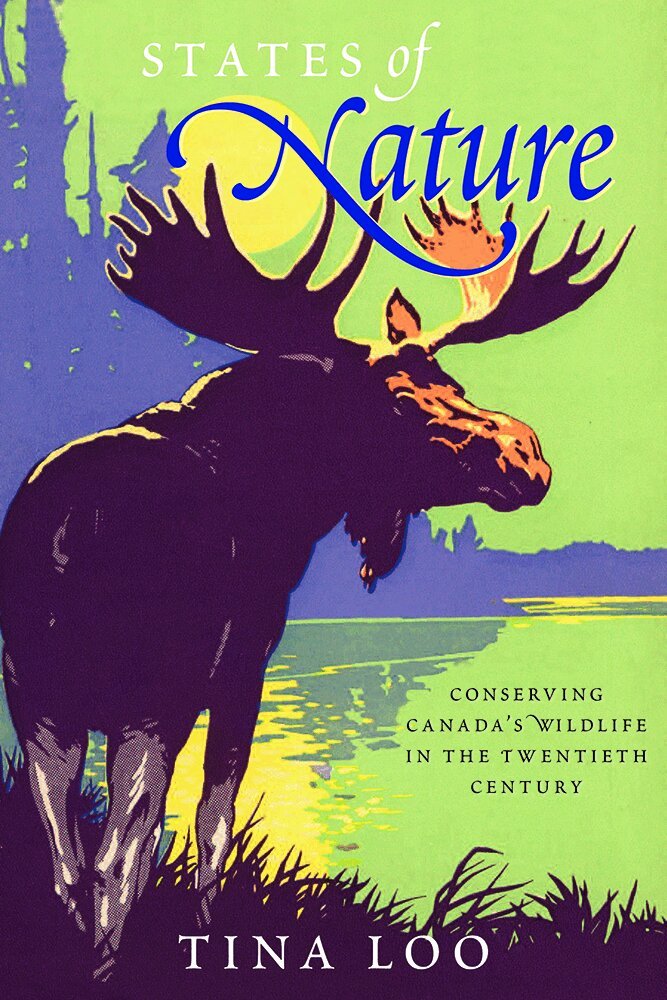
Since the early days of the fur trade, wildlife has been powerfully and inspiringly emblematic of Canada. Yet the story of saving Canada's wildlife is largely unknown. States of Nature is one of the first books to trace the development of Canadian wildlife conservation from its social, political, and historical roots. While noting the influence of celebrity conservationists such as Jack Miner and Grey Owl, Tina Loo emphasizes the impact of ordinary people on the evolution of wildlife management in Canada. She also explores the elements leading up to the emergence of the modern environmental movement, ranging from the reliance on and practical knowledge of wildlife demonstrated by rural people to the more aloof and scientific approach of state-sponsored environmentalism.
Illustrated with evocative images of the Canadian wilderness of yesteryear and supported by historical case studies, States of Nature will appeal to historians, policy makers, and wildlife managers, as well as to general readers fascinated by the natural world and its champions.
390 kr
Skickas inom 7-10 vardagar
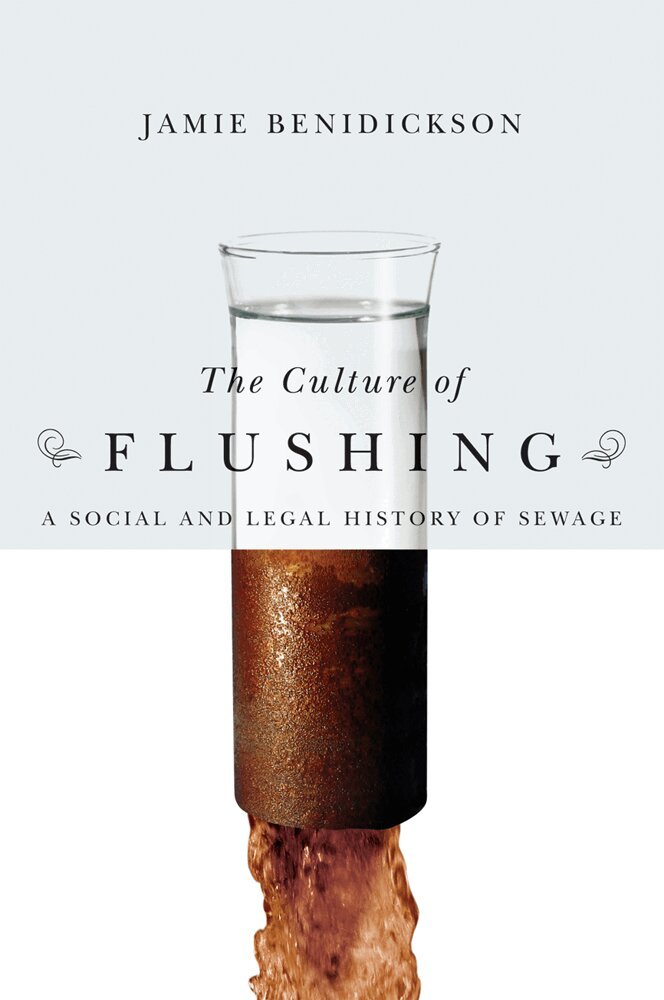
To most, the flush of a toilet is routine: the way we banish waste and ensure cleanliness. It is safe, efficient, necessary, nonpolitical, and utterly unremarkable. Yet Jamie Benidickson's examination of the social and legal history of sewage in Canada, the United States, and the United Kingdom demonstrates that the uncontroversial reputation of flushing is deceptive. The Culture of Flushing is particularly relevant in a time when community water quality can no longer be taken for granted, as it investigates and clarifies the murky evolution of waste treatment.
The Culture of Flushing is essential reading for specialists in environmental history, environmental law, public health, engineering, and public policy. Those concerned with protecting water quality and the environment will also find it unique, comprehensive, and accessible.
1 234 kr
Skickas inom 7-10 vardagar
431 kr
Skickas inom 7-10 vardagar
1 234 kr
Skickas inom 7-10 vardagar
431 kr
Skickas inom 7-10 vardagar
Hunting for Empire offers a fresh cultural history of sportand imperialism. Greg Gillespie integrates critical perspectives fromcultural studies, literary criticism, and cultural geography to analyzethe themes of authorship, sport, science, and nature. In doing so heproduces a unique theoretical lens through which to studynineteenth-century British big-game hunting and exploration narrativesfrom the western interior of Rupert's Land.
Sharply written and evocatively illustrated, Hunting forEmpire will appeal to students and scholars of culture, sport,geography, and history, and to general readers interested in stories ofhunting, empire, and the Canadian wilderness.
1 234 kr
Skickas inom 7-10 vardagar
403 kr
Skickas inom 11-20 vardagar
401 kr
Skickas inom 7-10 vardagar
401 kr
Skickas inom 7-10 vardagar
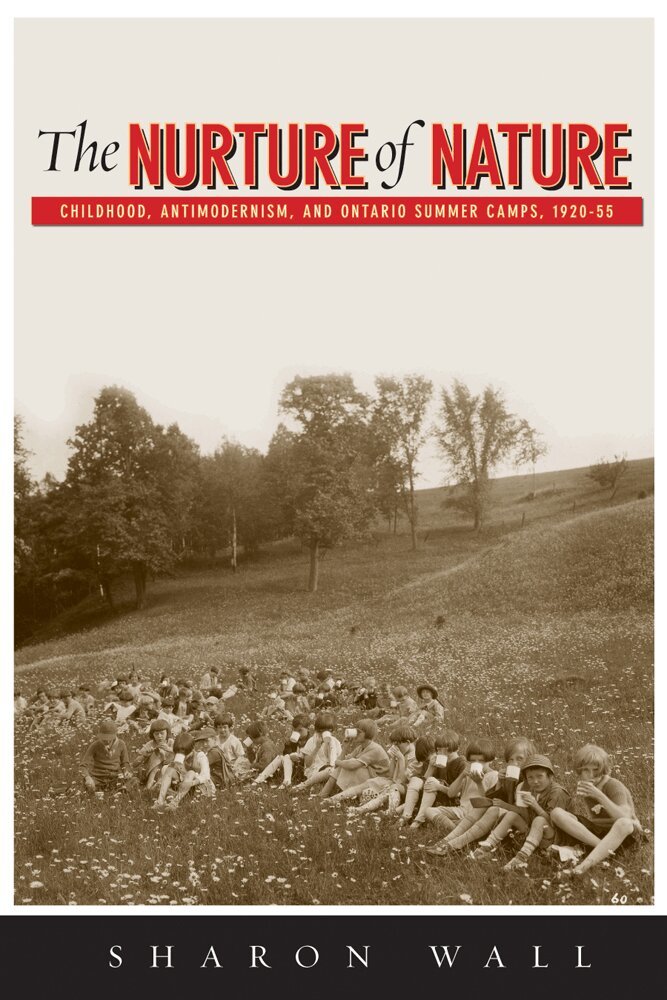
Thousands of children attended summer camps in twentieth-century Ontario. Did parents simply want a break, or were broader developments at play? The Nurture of Nature explores the history of summer camps and sheds light on a wider phenomenon: the divided consciousness that informs modern assumptions about nature, technology, and identity.
Wall examines how two competing tendencies – antimodern nostalgia and modern sensibilities about the landscape, child rearing, and identity – played out in the camp's interaction with nature, its class and gendered dimensions, its engagement with emerging ideologies of childhood, and in the politics of race inherent in its "Indian" programming.
The Nurture of Nature offers a fascinating discussion of the summer camp's contribution to modern social life that will appeal to students and practitioners of the history of childhood, the natural environment, and recreation or anyone who has been packed off to camp and wants to explore why.
418 kr
Skickas inom 7-10 vardagar
Jamie Linton dives into the history of the modern concept of water, that water can be stripped of its wider environmental, social, and cultural contexts and reduced to a scientific abstraction – to mere H20. This abstraction has given modern society licence to dam, divert, and manipulate water with impunity, giving rise to a growing suite of problems. Linton argues that part of the solution to the water crisis involves deliberately reinvesting water with social content.
460 kr
Skickas inom 7-10 vardagar
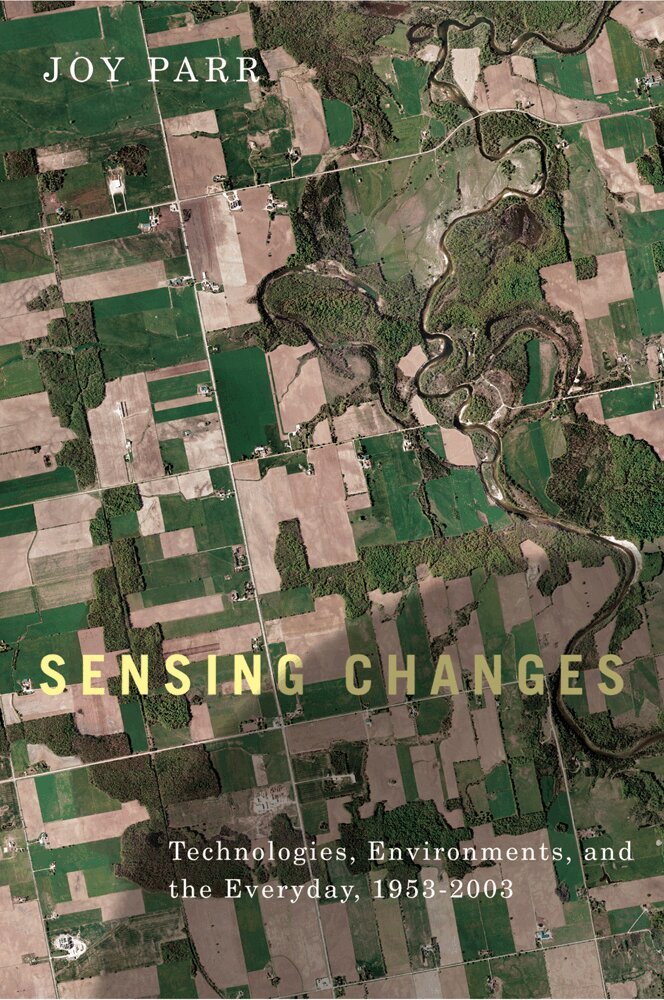
Our bodies are archives of sensory knowledge that shape how we understand the world. But if global environmental changes continue at their present unsettling pace, how will we make sense of time and place when the air, land, and water around us are no longer familiar?
Joy Parr, one of Canada's premier historians, tackles this question by exploring situations in the recent past when state-driven megaprojects such as chemical plants, dams, nuclear reactors, transportation corridors, and new regulatory regimes forced people to cope with radical transformations in their work and home environments. In each case, the familiar was transformed so thoroughly that residents no longer recognized where they lived or, by implication, who they were.
Sensing Changes and its associated website, http://megaprojects.uwo.ca, make a key contribution to environmental history and the emerging field of sensory history. This study offers a timely, prescient perspective on how humans make sense of the world in the face of rapid environmental change.
461 kr
Skickas inom 7-10 vardagar
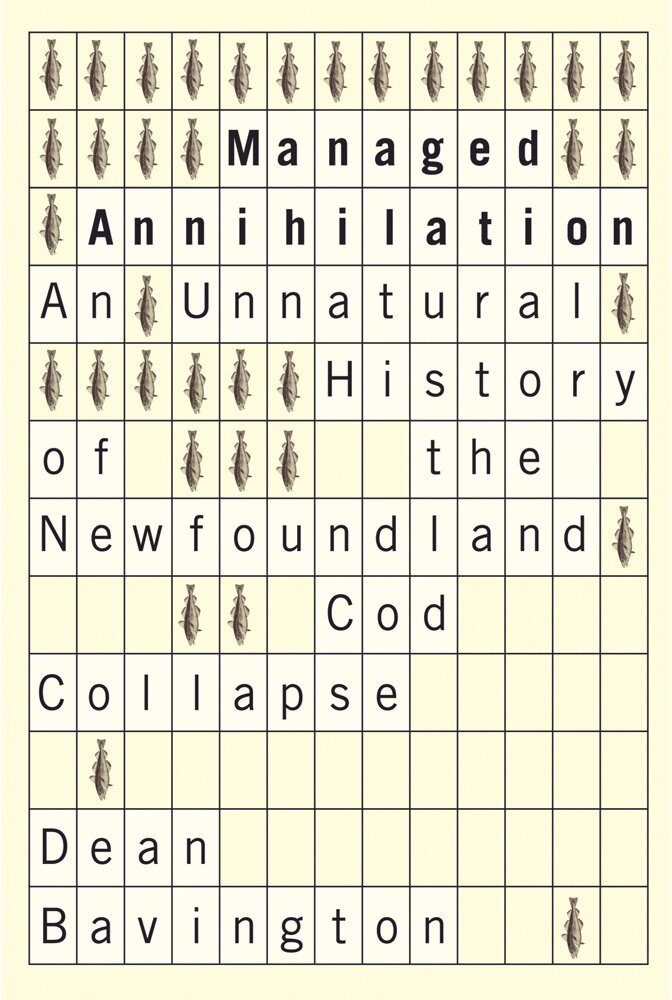
The commercial cod fishery in Newfoundland and Labrador was once the most successful fishery in the world. When it collapsed in 1992 – causing the largest single-day layoff in Canadian history and irrevocable ecological damage – fishermen, scholars, and scientists pointed to failures in management such as uncontrolled harvesting as likely culprits.
Examining the history of commercial cod fisheries in the region from the mid-nineteenth century, Managed Annihilation makes the case that the very idea of natural resource management caused the death of the cod. The collapse occurred when the fisheries were ostensibly managed by the state, and the fishery has still not recovered nearly two decades later. Although the collapse raised doubts among policy-makers about their ability to understand, predict, and control nature, their ultimate goal of control through management has not wavered – it has simply been transferred onto new targets.
418 kr
Skickas inom 7-10 vardagar
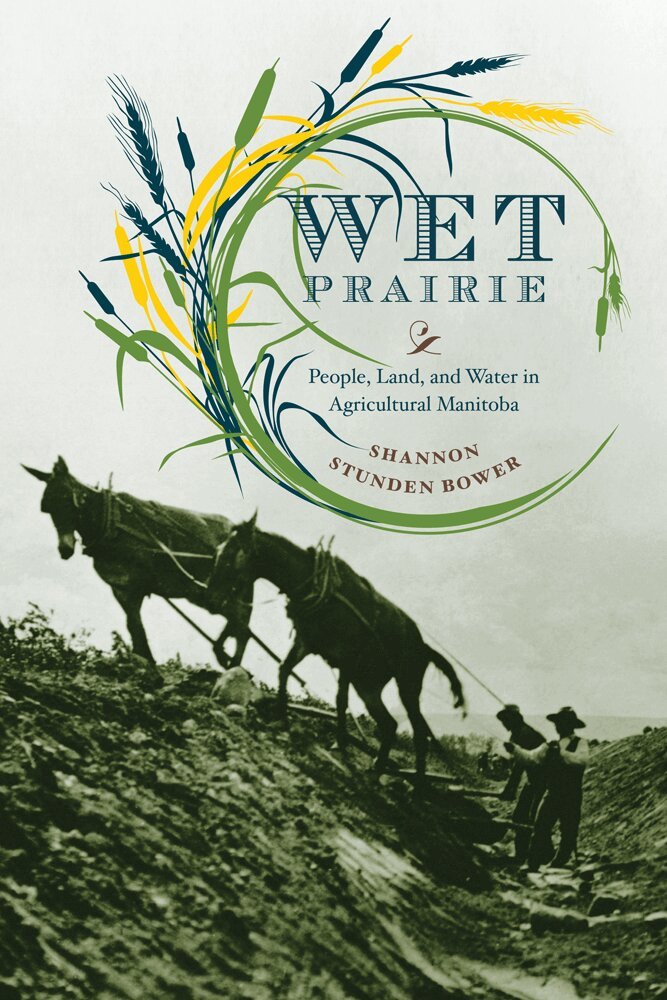
The Canadian prairies are often envisioned as dry, windswept fields; however, much of southern Manitoba is not arid plain but wet prairie, poorly drained land subject to frequent flooding.
Wet Prairie brings to light the complexities of surface water management in Manitoba, from early artificial drainage efforts to late-twentieth-century attempts at watershed management. Irregular water-flow patterns challenged the checkerboard landscape of the 1872 federal Dominion Lands Act, and homesteaders found their agricultural ambitions at odds with local environmental realities. Thus, in keeping with liberal principles, the provincial government undertook substantial drainage efforts. Flooding and drainage became the subjects of intense and persistent debate among provincial officials, drainage experts, and Manitoba residents. New alliances and rivalries emerged amid shifting social, political, and environmental contexts, with enduring consequences for both the landscapes and people of the wet prairie.
This account of an overlooked aspect of Prairie environmental history traces how the biophysical nature of southern Manitoba helped shape both Manitoba society and the provincial state.
1 234 kr
Skickas inom 7-10 vardagar
401 kr
Skickas inom 7-10 vardagar
1 161 kr
Skickas inom 7-10 vardagar
431 kr
Skickas inom 7-10 vardagar
Despite the popular assumption that wildlife conservation is a recent phenomenon, it emerged over a century and a half ago in an era more closely associated with wildlife depletion than preservation. In Wildlife, Conservation, and Conflict in Quebec, Darcy Ingram explores the combination of NGOs, fish and game clubs, and state-administered leases that formed the basis of a unique system of wildlife conservation in North America. However, these early strategies were not as forward-focused as they appear. Ingram traces the emergence of a lease-based regulatory system that blended elite forms of sport and conservation. Applied first to British North America's prized salmon rivers, this system came to encompass the bulk of Quebec's hunting and fishing territories. Inspired by a longstanding belief in progress, improvement, and social order based on European as well as North American models, this system effectively privatized Quebec's fish and game resources, often to the detriment of commercial and subsistence hunters and fishers.
1 102 kr
Skickas inom 7-10 vardagar
418 kr
Skickas inom 7-10 vardagar
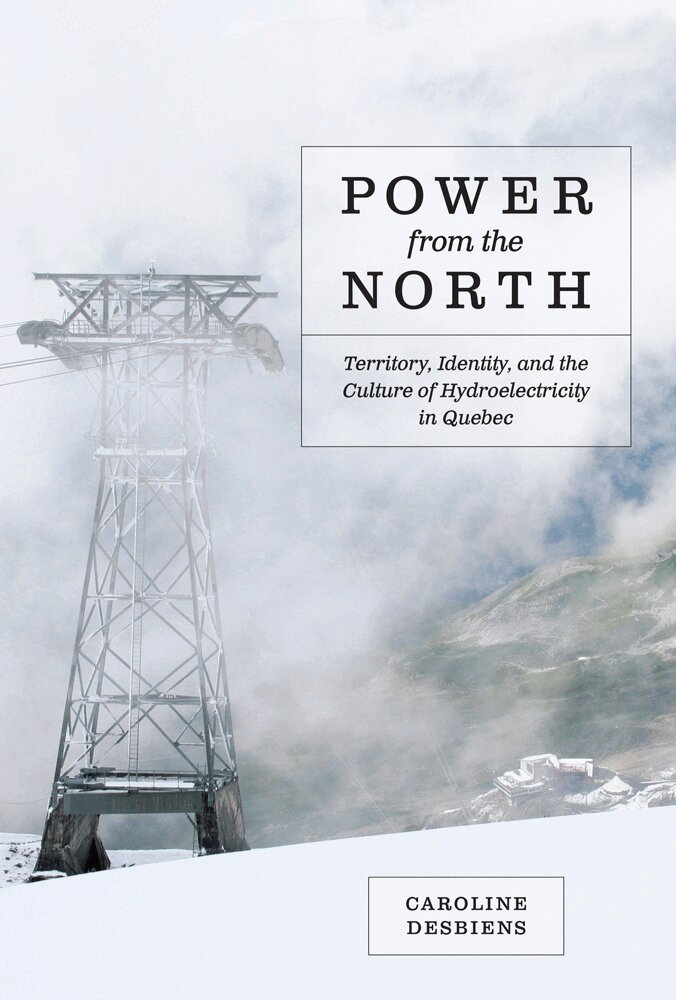
In the 1970s, Hydro-Québec declared in a publicity campaign “We Are Hydro-Québécois.” The slogan symbolized the extent to which hydroelectric development in the North had come to both reflect and fuel French Canada’s aspirations. The slogan helped Quebecers relate to the province’s northern territory and to accept the exploitation of its resources.
In Power from the North, Caroline Desbiens explores how this culture of hydroelectricity helped shape the landscape during the first phase of the James Bay hydroelectric project. Policy makers and citizens did not, she argues, view those who built the dams as mere workers – they saw them as pioneers in a previously uninhabited land now inscribed with the codes of culture and spectacle. This insightful work shows that if Quebec hopes to engage in truly sustainable resource development, all actors must bring an awareness of their cultural histories and visions of nature, North, and nation to the negotiating table.
460 kr
Skickas inom 7-10 vardagar
1 127 kr
Skickas inom 7-10 vardagar
1 127 kr
Skickas inom 7-10 vardagar
1 127 kr
Skickas inom 7-10 vardagar
390 kr
Skickas inom 7-10 vardagar
372 kr
Skickas inom 7-10 vardagar
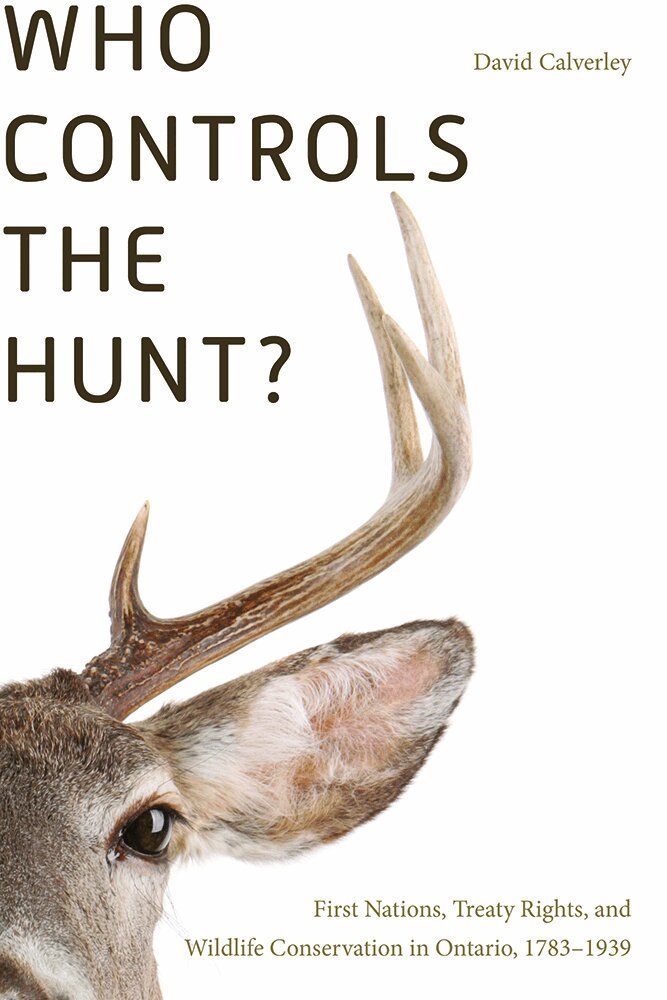
As the nineteenth century ended, Ontario wildlife became increasingly valuable. Tourists and sport hunters spent growing amounts of money in search of game, and the government began to extend its regulatory powers in this arena. Restrictions were imposed on hunting and trapping, completely ignoring Anishinaabeg hunting rights set out in the Robinson Treaties of 1850.
Who Controls the Hunt? examines how Ontario's emerging wildlife conservation laws failed to reconcile First Nations treaty rights and the power of the state. David Calverley traces the political and legal arguments prompted by the interplay of treaty rights, provincial and dominion government interests, and the corporate concerns of the Hudson's Bay Company. A nuanced examination of Indigenous resource issues, the themes of this book remain germane to questions about who controls the hunt in Canada today.
1 127 kr
Skickas inom 7-10 vardagar
390 kr
Skickas inom 7-10 vardagar
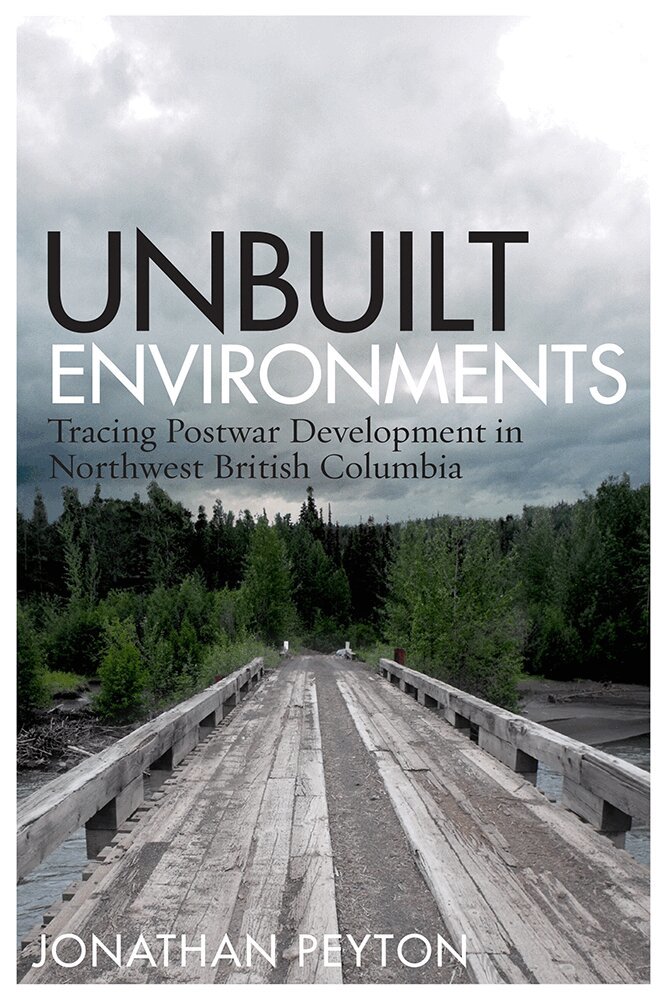
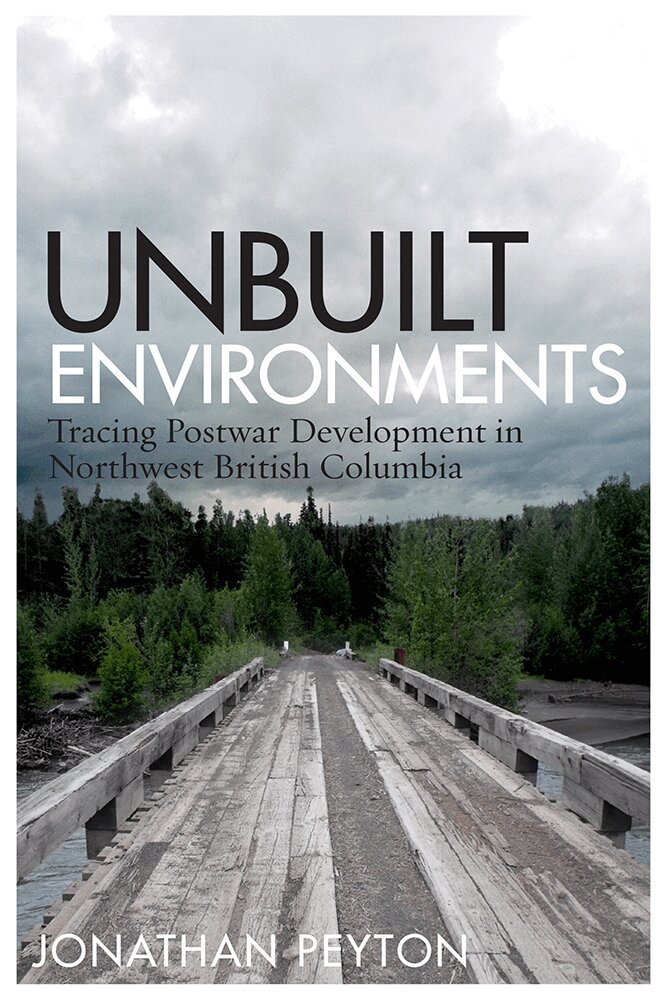
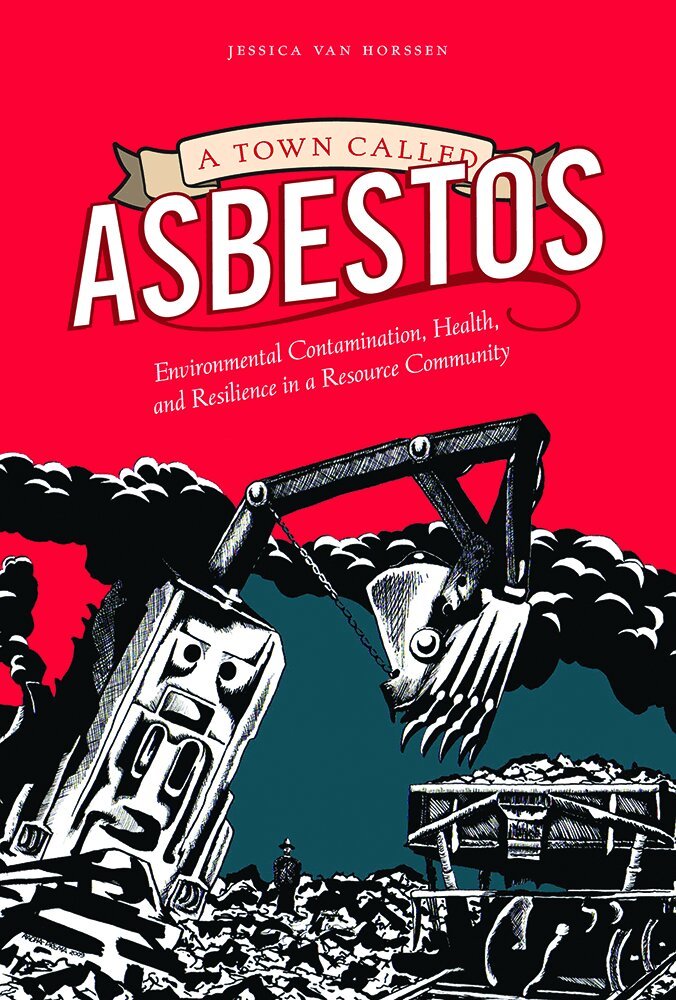
In the latter half of the twentieth century, legions of industrial pioneers came to northwestern British Columbia with grand plans for mines, dams, and energy-development schemes. Yet many of their projects failed to materialize or were abandoned midstream. Unbuilt Environments reveals that these lapsed resource projects had lasting effects on the natural and human environment. Drawing on a range of case studies to analyze the social and environmental impacts of unfinished projects, Jonathan Peyton considers development failure a productive concept for northwestern Canada. He looks at a closed asbestos mine, an abandoned rail grade, an imagined series of hydroelectric installations, a failed LNG export facility, and a transmission line – and finds that these unrealized developments continue to shape contemporary resource conflicts.