448 kr
Skickas
448 kr
Skickas
677 kr
Kommande
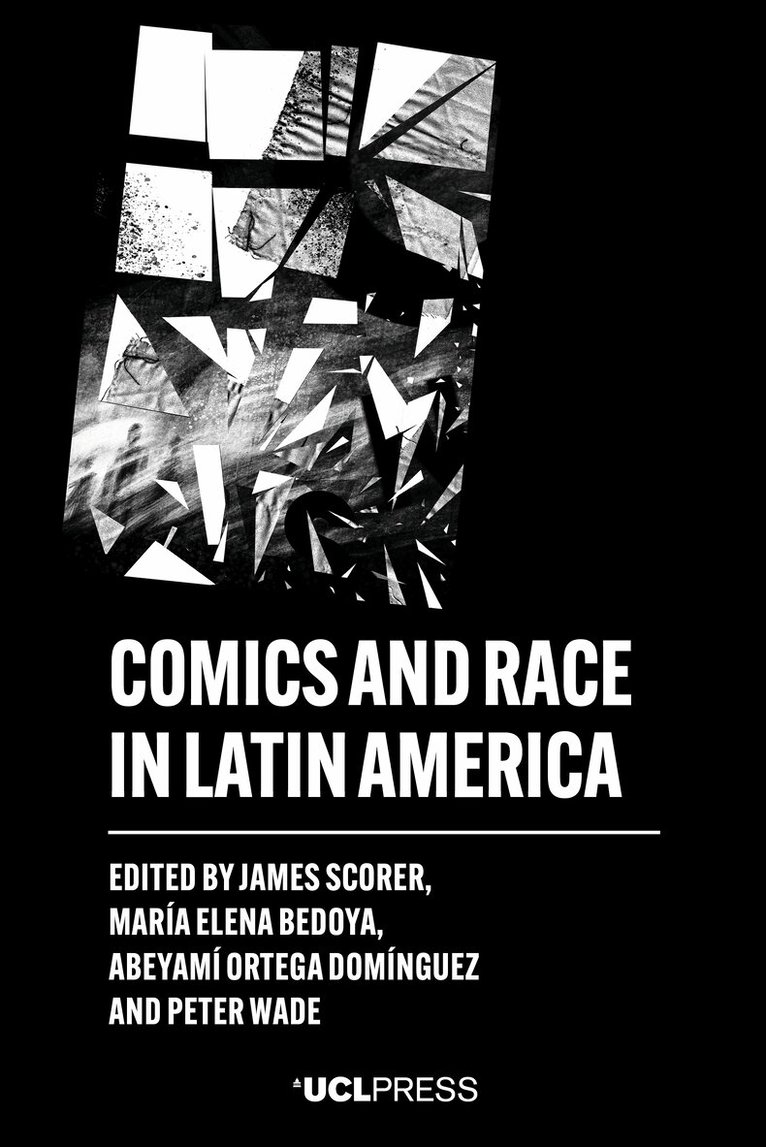
Comics and Race in Latin America draws together artists and academics to create a dynamic and diverse study of the contested field that emerges out of the relationship between comics and racialised identities. Each section of the book includes original artwork by artists from Argentina, Colombia and Peru. The artwork is accompanied by interviews with the artists, the artists' reflections on their work and essays written by leading researchers in Latin American comics and Latin American race studies. Many of the comics included here respond to images of race collated during the three-year research project that underpins the book.
Though the book recognises that comics have long had a troubled relationship with racialised identities, it demonstrates that comics can also be a powerful tool for antiracist discourses and practices. The volume delves into the complex nature of racialised inequalities and comics production and contributes to growing calls for multiracial perspectives, in this case featuring Black, Indigenous, mestizo and Asian-descent artists who use comics to express a shared opposition to racism. The book’s multidisciplinary approach creates a set of networked pathways that cut across disciplines, nations and lines of thought, and, in a gesture towards the hybrid nature of both comics and Latin American philosophies, across visual and written forms.
407 kr
Kommande
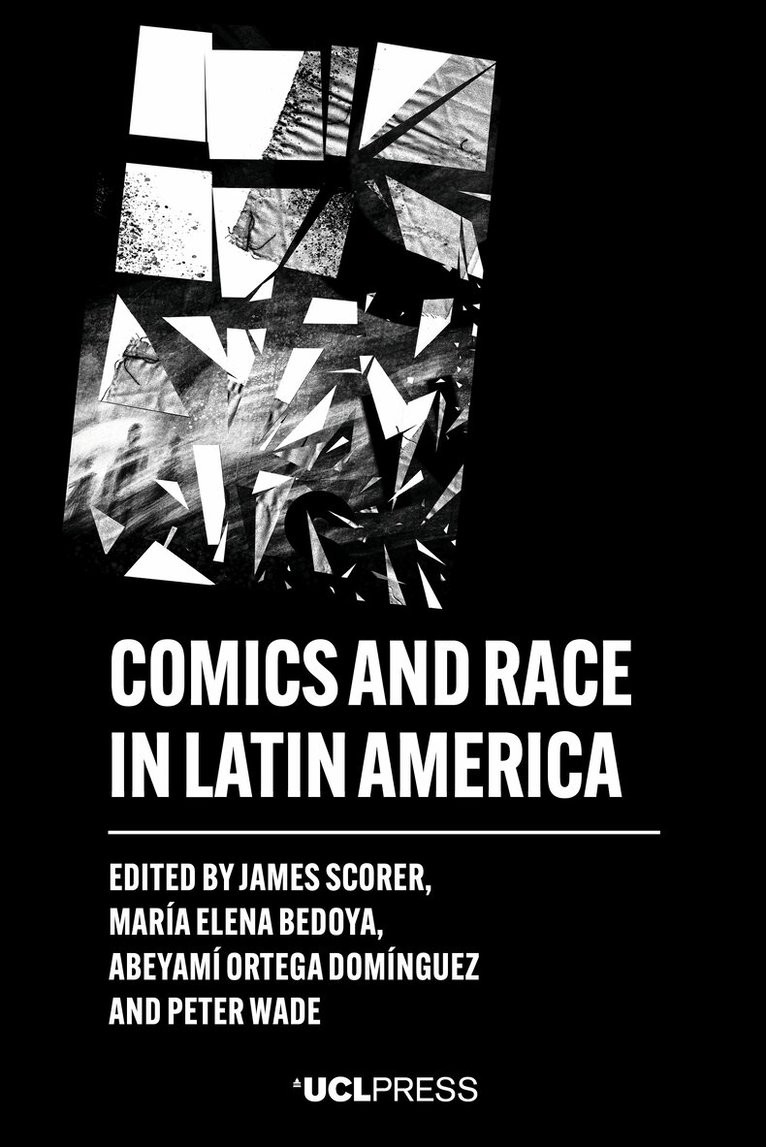
Comics and Race in Latin America draws together artists and academics to create a dynamic and diverse study of the contested field that emerges out of the relationship between comics and racialised identities. Each section of the book includes original artwork by artists from Argentina, Colombia and Peru. The artwork is accompanied by interviews with the artists, the artists' reflections on their work and essays written by leading researchers in Latin American comics and Latin American race studies. Many of the comics included here respond to images of race collated during the three-year research project that underpins the book.
Though the book recognises that comics have long had a troubled relationship with racialised identities, it demonstrates that comics can also be a powerful tool for antiracist discourses and practices. The volume delves into the complex nature of racialised inequalities and comics production and contributes to growing calls for multiracial perspectives, in this case featuring Black, Indigenous, mestizo and Asian-descent artists who use comics to express a shared opposition to racism. The book’s multidisciplinary approach creates a set of networked pathways that cut across disciplines, nations and lines of thought, and, in a gesture towards the hybrid nature of both comics and Latin American philosophies, across visual and written forms.
618 kr
Kommande
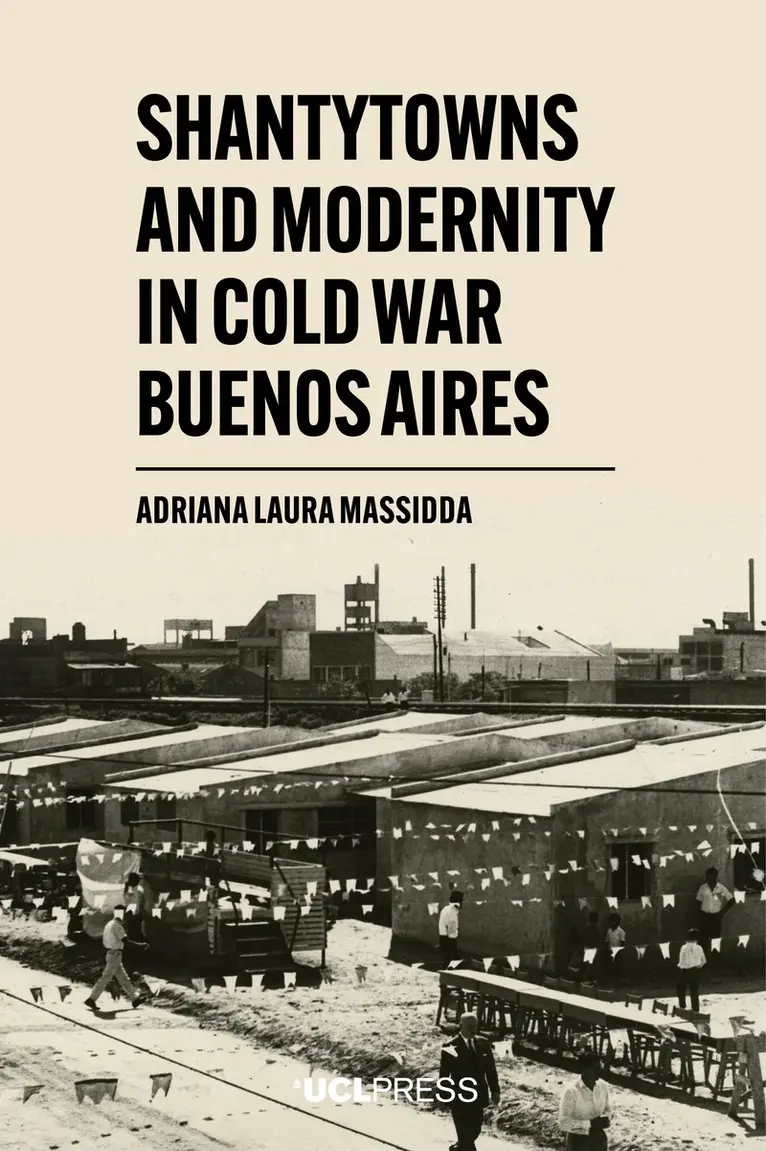
Shantytowns and Modernity in Cold War Buenos Aires is a ground-breaking work of urban history that analyses a wealth of previously unexamined historical sources to reconstruct the emergence and consolidation of Buenos Aires shantytowns through the 1950s and 1960s. It argues that, during these years, residents and government bodies piloted different modes of interaction establishing the paradigms followed in subsequent decades. Moreover, by tracing the conceptual and material history of the villas miseria (the local term for shantytowns) it is proposed that they radically altered the wider urban landscape and became sites where national and transnational politics, including ideological Cold War struggles, were manifested at the local level, becoming an essential part of the modern city.
Highlighting the ways in which micro-scale improvements, organised movements, local, national and transnational policies interacted, the book traces the complex history of these spaces. Shantytowns and Modernity in Cold War Buenos Aires deploys an innovative methodology integrating archival research, oral history, mapping, and visual analysis to tell the story of how the villas came into existence both as a conceptual entity and a specific urban typology where people lived and had to defend.
371 kr
Kommande
Shantytowns and Modernity in Cold War Buenos Aires is a ground-breaking work of urban history that analyses a wealth of previously unexamined historical sources to reconstruct the emergence and consolidation of Buenos Aires shantytowns through the 1950s and 1960s. It argues that, during these years, residents and government bodies piloted different modes of interaction establishing the paradigms followed in subsequent decades. Moreover, by tracing the conceptual and material history of the villas miseria (the local term for shantytowns) it is proposed that they radically altered the wider urban landscape and became sites where national and transnational politics, including ideological Cold War struggles, were manifested at the local level, becoming an essential part of the modern city.
Highlighting the ways in which micro-scale improvements, organised movements, local, national and transnational policies interacted, the book traces the complex history of these spaces. Shantytowns and Modernity in Cold War Buenos Aires deploys an innovative methodology integrating archival research, oral history, mapping, and visual analysis to tell the story of how the villas came into existence both as a conceptual entity and a specific urban typology where people lived and had to defend.