1 994 kr
Skickas inom 3-6 vardagar
1 994 kr
Skickas inom 3-6 vardagar
526 kr
Skickas inom 3-6 vardagar
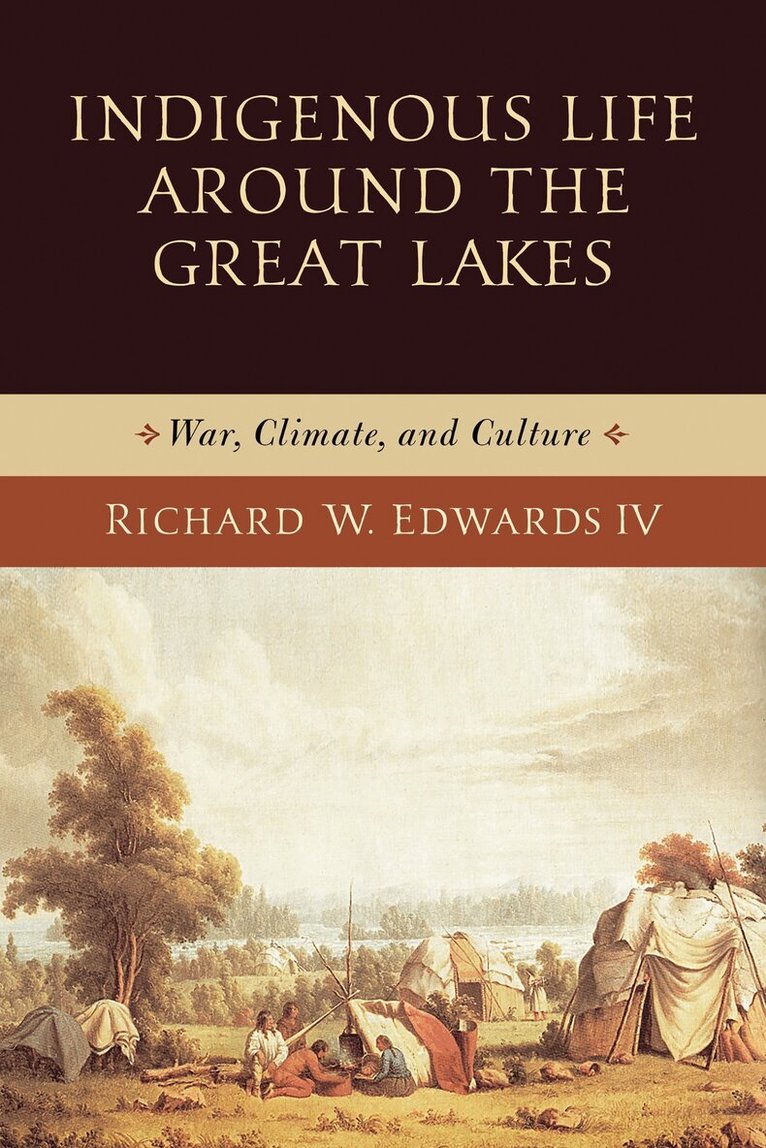
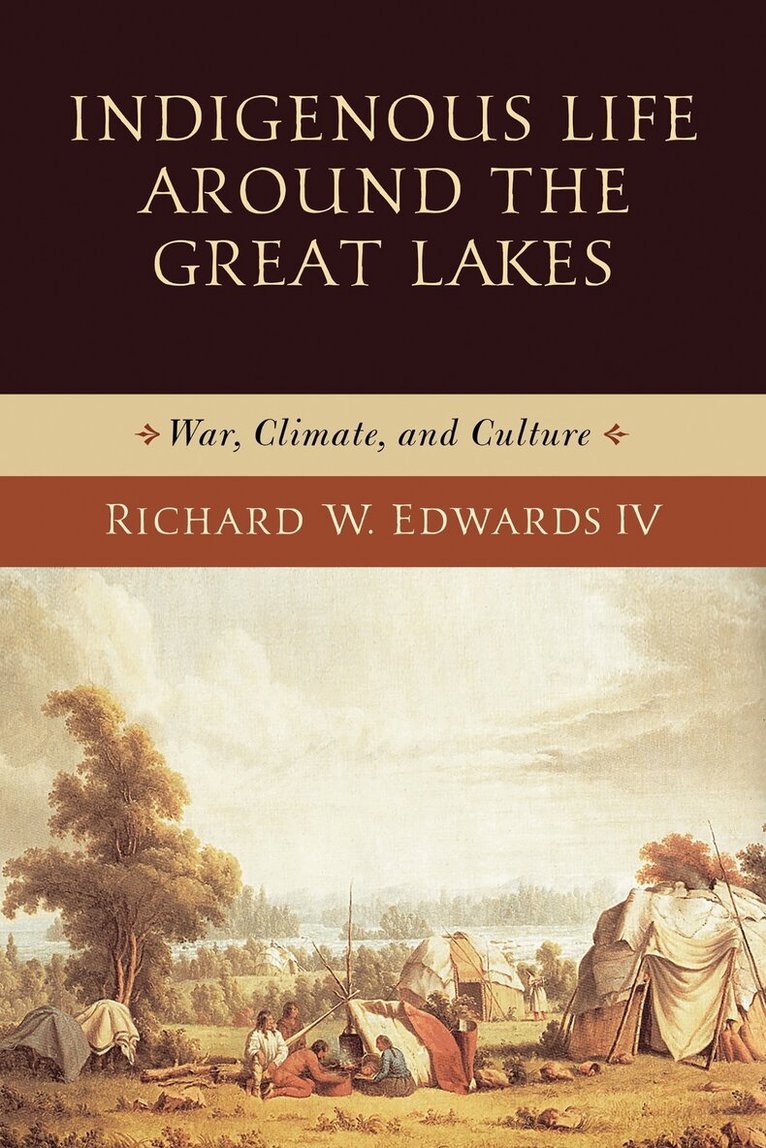
Enormous changes affected the inhabitants of the Eastern Woodlands area during the eleventh through fifteenth centuries AD. At this time many groups across this area (known collectively to archaeologists as Oneota) were aggregating and adopting new forms of material culture and food technology. This same period also witnessed an increase in intergroup violence, as well as a rise in climatic volatility with the onset of the Little Ice Age. In Indigenous Life around the Great Lakes, Richard W. Edwards explores how the inhabitants of the western Great Lakes region responded to the challenges of climate change, social change, and the increasingly violent physical landscape. As a case study, Edwards focuses on a group living in the Koshkonong Locality in what is now southeastern Wisconsin. Edwards contextualizes Koshkonong within the larger Oneota framework and in relation to the other groups living in the western Great Lakes and surrounding regions. Making use of a canine surrogacy approach, which avoids the destruction of human remains, Edwards analyzes the nature of groups' subsistence systems, the role of agriculture, and the risk-management strategies that were developed to face the challenges of their day. Based on this analysis, Edwards proposes how the inhabitants of this region organized themselves and how they interacted with neighboring groups. Edwards ultimately shows how the Oneota groups were far more agricultural than previously thought and also demonstrates how the maize agriculture of these groups was related to the structure of their societies.
In bringing together multiple lines of archaeological evidence into a unique synthesis, Indigenous Life around the Great Lakes is an innovative book that will appeal to archaeologists who study the Midwest and surrounding regions, and it will also appeal to those who research risk management, agriculture, and the development of hierarchical societies more generally.
1 583 kr
Skickas inom 3-6 vardagar
744 kr
Skickas inom 3-6 vardagar
1 174 kr
Skickas
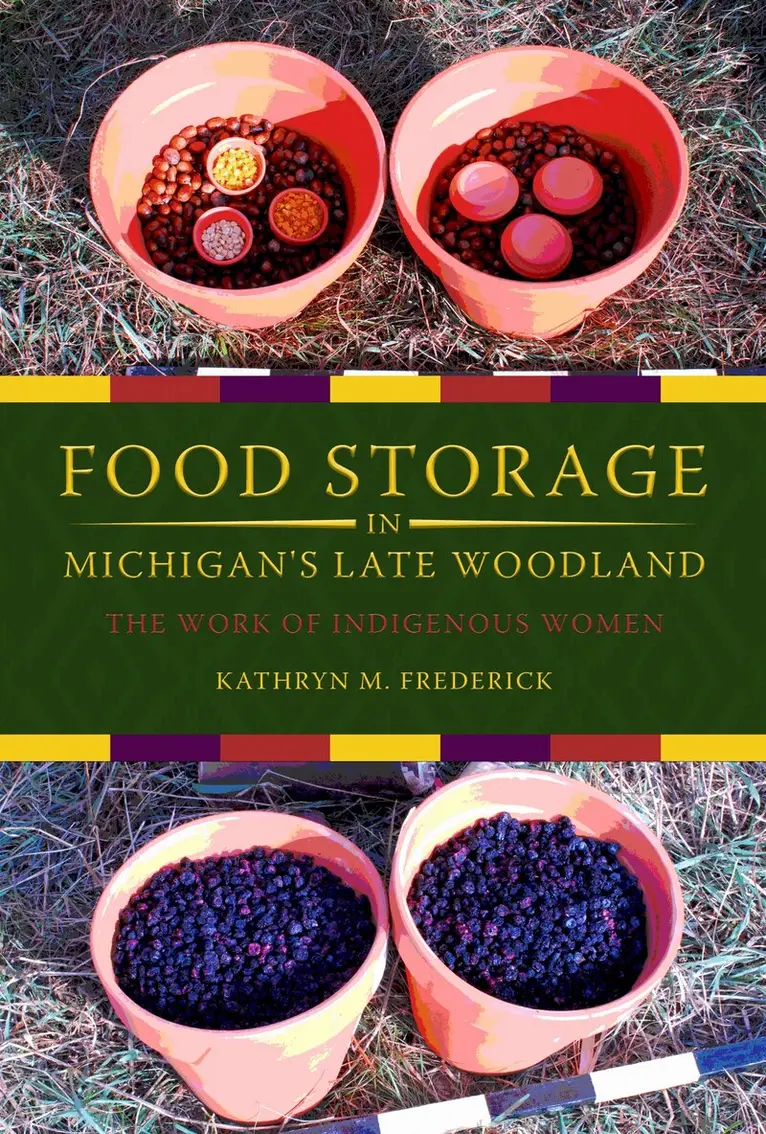
Incorporates experimental archaeology to understand the food-caching strategies led by Indigenous women in Late Woodland Michigan.
This experimental archaeology book centers on the decision of Indigenous women in Michigan's Late Woodland to store food in cache pits for later use, to ensure a stable food supply. These food storage techniques were efforts to increase communal chances of survival in direct responses to sociopolitical changes. Kathryn M. Frederick highlights the importance of food storage in these communities and the decision-making and behaviors behind it.
To discover why food storage became a popular practice at that period, Frederick considered the efficacy of subterranean food storage and constructed experiments to understand the timing and use of cache pits and to test their reliability and efficiency. She also compiled ethnographic data on location, environmental conditions, movement strategies, and types of foodstuffs stored for dozens of hunter-gatherer groups. Two distinct patterns of food storage emerged: "reliant" and "redundant." Frederick argues that the Indigenous women utilized a system of reliant storage during times of abundance but could switch to a redundant system as the socioeconomic climate shifted. This book will interest a wide swath of archaeologists and others interested in Indigenous foodways and women's key roles.
344 kr
Skickas inom 7-10 vardagar
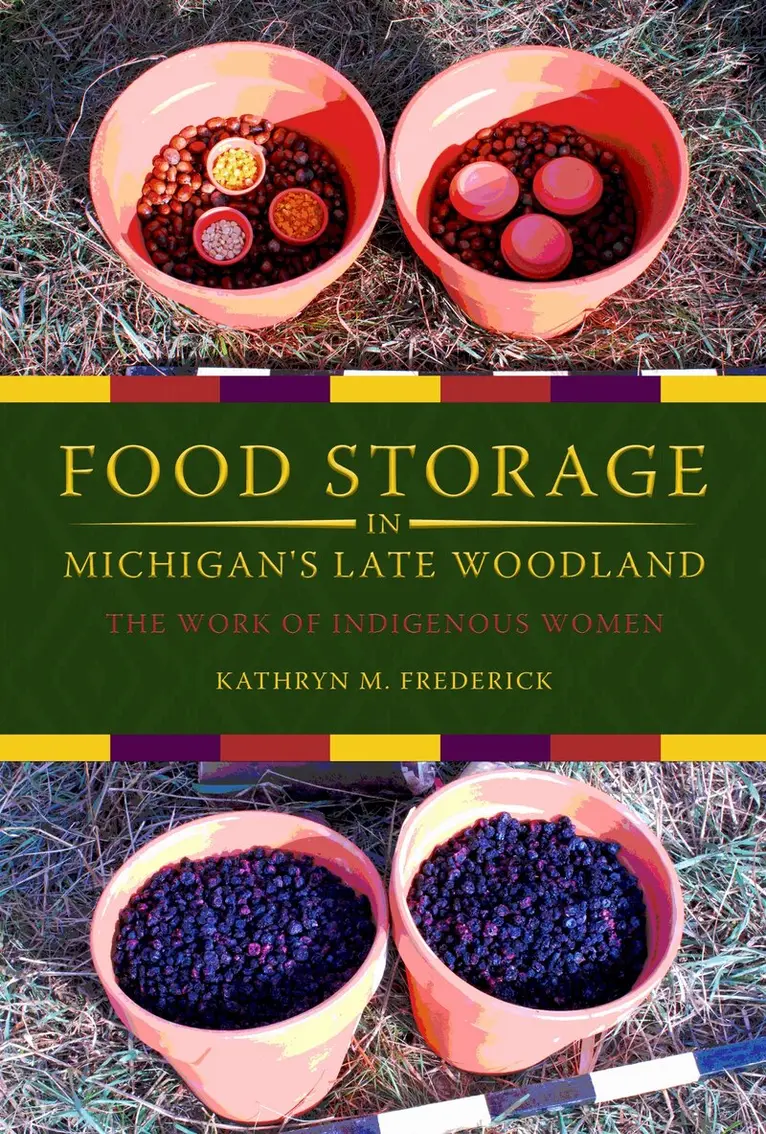
Incorporates experimental archaeology to understand the food-caching strategies led by Indigenous women in Late Woodland Michigan.
This experimental archaeology book centers on the decision of Indigenous women in Michigan's Late Woodland to store food in cache pits for later use, to ensure a stable food supply. These food storage techniques were efforts to increase communal chances of survival in direct responses to sociopolitical changes. Kathryn M. Frederick highlights the importance of food storage in these communities and the decision-making and behaviors behind it.
To discover why food storage became a popular practice at that period, Frederick considered the efficacy of subterranean food storage and constructed experiments to understand the timing and use of cache pits and to test their reliability and efficiency. She also compiled ethnographic data on location, environmental conditions, movement strategies, and types of foodstuffs stored for dozens of hunter-gatherer groups. Two distinct patterns of food storage emerged: "reliant" and "redundant." Frederick argues that the Indigenous women utilized a system of reliant storage during times of abundance but could switch to a redundant system as the socioeconomic climate shifted. This book will interest a wide swath of archaeologists and others interested in Indigenous foodways and women's key roles.