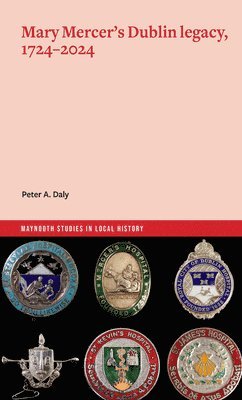
This book details the various charitable endeavours of Mary Mercer, from her shelter for orphaned girls (built in 1724), to the later voluntary hospital and her school in Rathcoole, which subsequently merged with the King s Hospital School. Such charitable deeds were supported by imaginative fundraising and donations from wealthy patrons, and are commemorated to this very day by the several buildings and places in Dublin that still bear her name.
Beginning on the eve of the Leitrim Plantation and concluding in the wake of the Great Famine, this is the story of the St George family and their Carrick-on-Shannon estate. It explores how military prowess and political acuity helped build their wealth, power and status and the extent to which they ultimately became victims of the institutions they helped to create.
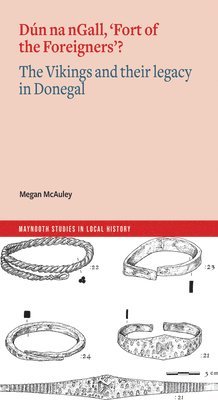
Dú n na nGall, the Irish name for Donegal , translates as Fort of the Foreigners , but who were the foreigners in question? This book considers that they were Vikings and reviews the archaeological and documentary evidence for Vikings in Donegal and addresses the nature of Viking activity and possible settlement in the county. From Viking silver hoards found throughout Inishowen to a potential Viking-type dwelling at Portnablagh, the evidence for Vikings is strongest in the north and east of the county.
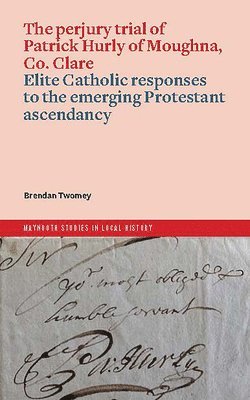
On 31 May 1701, the former Jacobite functionary, and notorious cheat, Patrick Hurly of Moughna, Co. Clare, was convicted of perjury for swearing a false affidavit in respect of a sham robbery of gold and jewellery worth £ 1,300. This study, based on the printed trial transcript, an extensive archive created by Sir Donat O Brien as he worked to ward off Hurly s attempted prosecution, and the state papers, rehearses the complex evidence produced in the trial, the legal manoeuvres undertaken by both sides, and the local rivalry that underpinned the case.
This study examines Carbury s long-established reputation as an unusually stable and prosperous farming community in Co. Kildare. Through the significant challenges of civil strife, famine and the transition from tenancy to ownership, succeeding generations of farmers have sustained not only the land but also a way of life rooted in the soil of Carbury.