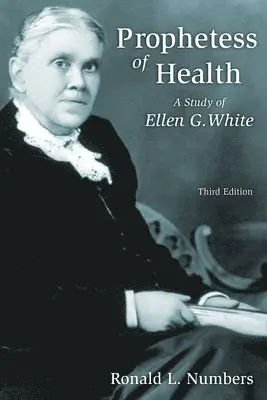
Respected historian of science Ronald Numbers here examines one of the most influential, yet least examined, religious leaders in American history -- Ellen G. White, the enigmatic visionary who founded the Seventh-day Adventist Church. Numbers scrutinizes White's life (1827–1915), from her teenage visions and testimonies to her extensive advice on health reform, which influenced the direction of the church she founded. This third edition features a new preface and two key documents that shed further light on White -- transcripts of the trial of Elder Israel Dammon in 1845 and the proceedings of the secret Bible Conferences in 1919.
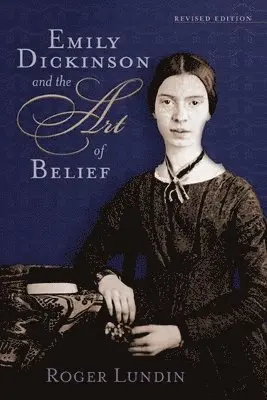
Garnering awards from Choice, Christianity Today, Books & Culture, and the Conference on Christianity and Literature when first published in 1998, Roger Lundin's Emily Dickinson and the Art of Belief has been widely recognized as one of the finest biographies of the great American poet Emily Dickinson. Paying special attention to her experience of faith, Lundin skillfully relates Dickinson's life -- as it can be charted through her poems and letters -- to nineteenth-century American political, social, religious, and intellectual history. This second edition of Lundin's superb work includes a standard bibliography, expanded notes, and a more extensive discussion of Dickinson's poetry than the first edition contained. Besides examining Dickinson's singular life and work in greater depth, Lundin has also keyed all poem citations to the recently updated standard edition of Dickinson's poetry. Already outstanding, Lundin's biography of Emily Dickinson is now even better than before.
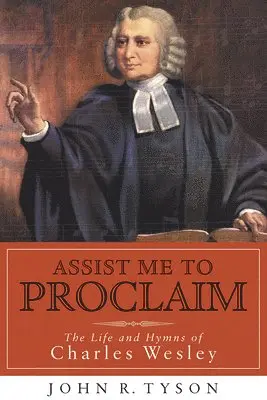
Charles Wesley (1707–1788) was the cofounder of Methodism and the author of more than 9,000 hymns and sacred poems, including such favorites as "Hark! the Herald Angels Sing," "O for a Thousand Tongues to Sing," and "Christ the Lord Is Risen Today." John Tyson here traces the remarkable life of this influential man from cradle to grave, using rare — including previously unpublished — hymns, letters, and journal materials. As the younger brother of John Wesley, Charles was a vital partner in the Methodist revival. While often standing in the shadow of his more famous brother, Charles Wesley was arguably the founder of the Oxford Holy Club, and he actually experienced evangelical conversion three days prior to John. In Assist Me to Proclaim Tyson explores, among other things, behind-the-scenes questions about the brothers' sometimes-stormy relationship. Notwithstanding all his accomplishments as an evangelist and itinerant preacher, Charles is chiefly remembered for his startling facility at writing hymns that show God at work in almost every instance of life. His remarkable legacy endures around the world, as hundreds of Charles Wesley hymns are still sung in churches everywhere today.Assist Me to Proclaim draws a picture of a man whose fidelity to both the Church of England and the original vision of Methodism energized his remarkable abilities as a revivalist and hymn writer. Readers also get a glimpse into Wesley's heart and mind through the window of his hymn texts. This is a biography that any student of church history or hymnody will welcome.