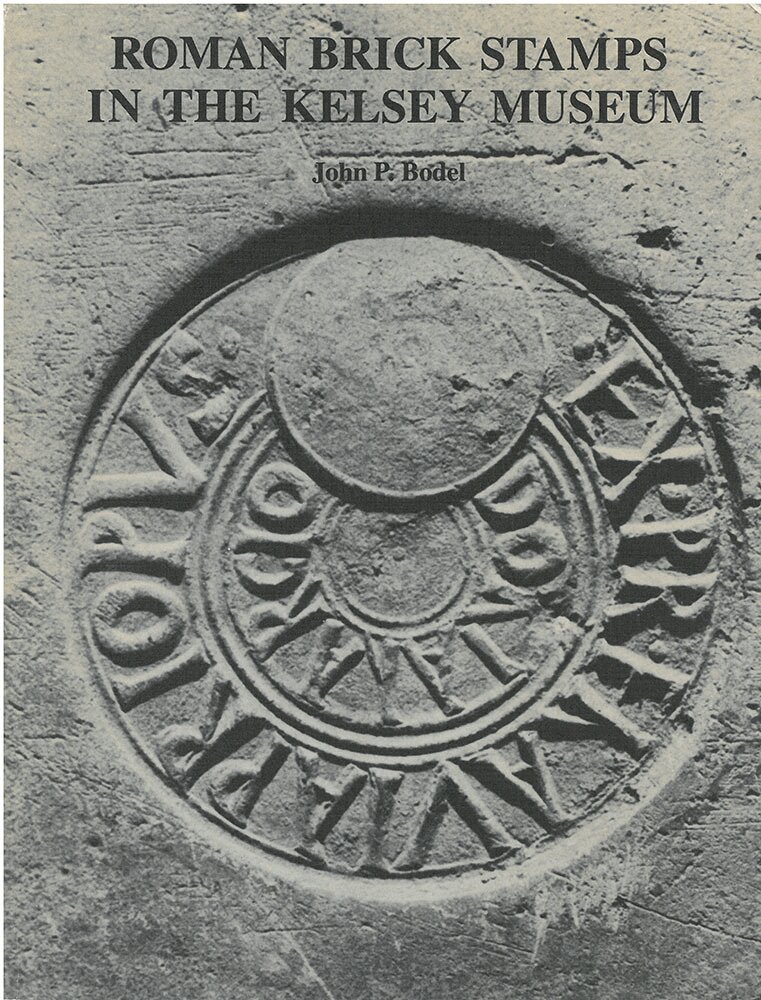
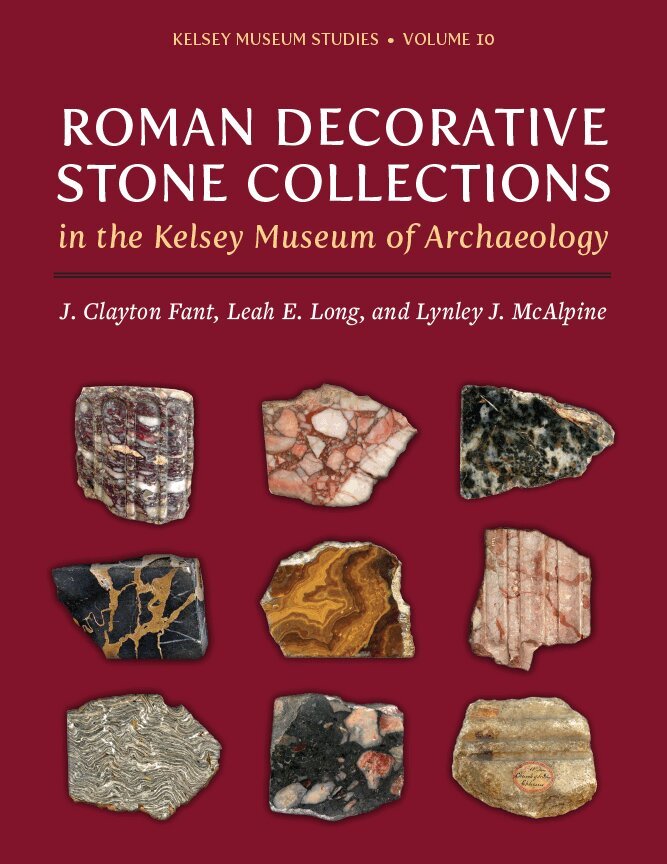
At the turn of the twentieth century, Francis W. Kelsey began to amass a large collection of artifacts from ancient sites across the Mediterranean, with an emphasis on Imperial Rome, to broaden the teaching of antiquity at the University of Michigan. Among the objects now housed in the museum that bears his name is a collection of seven hundred colorful stones dating to the Roman period, one of the largest and most varied collections of Roman decorative stones outside Europe. These pieces were obtained as archaeological artifacts, mostly architectural, with many deriving from well-known ancient buildings, such as the Baths of Diocletian in Rome and the Palace of Herod in Jericho, allowing for new interpretations of their architectural decoration and design. Chapters trace the formation of the collection, study the archaeology of the artifacts, and detail the history of each stone and its study with a comprehensive bibliography. In keeping with the nature of the collection, Roman Decorative Stone Collections focuses on archaeological contexts and object biographies, from the stones’ first use to their eventual display in the Kelsey Museum. Entries are accompanied by rich photographs detailing the stones’ appearances, environmental factors, and their collectors. The fully illustrated catalog includes essays deriving from Kelsey’s original notes on sources, buildings, sites, and dealers. As the first formal catalog of these items, Roman Decorative Stone Collections is an accessible resource of Roman archaeology, antiquities, and the decorative arts.
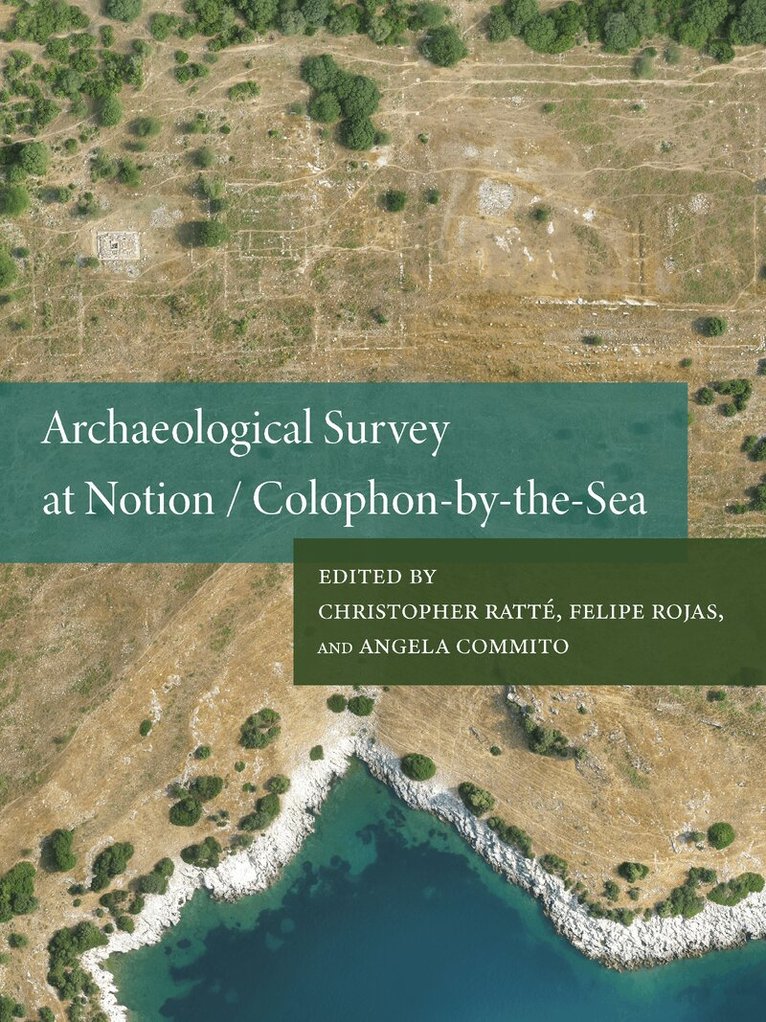
Notion, also known as Colophon-by-the-Sea, was an ancient Greek city on the western coast of Anatolia. A comprehensive archaeological survey carried out by the University of Michigan and Brown University (2014–21) yielded rich ceramic evidence for the chronology and commercial connections of the settlement, clarified essential aspects of the city plan, provided opportunities for detailed study of major buildings and public works, and shed new light on both the local geology and the modification of the landscape through terracing and stone extraction. These investigations documented a major program of urban development featuring new fortifications and a new city plan in the early to mid-third century BC, three centuries of prosperous habitation, and the substantial abandonment of the city in the early first century AD. The archaeology of Notion provides vivid evidence for the turbulent history of Ionia in Hellenistic times, and for the different responses of local communities to Roman rule.
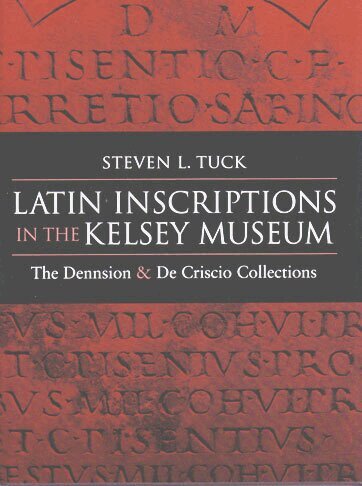
The Latin inscriptions in the Kelsey Museum are among the best primary sources we have for documenting the lives of the lower classes in the Roman world. They provide unique evidence of the details of Roman daily life, including beliefs, occupations, families, and attitudes toward death.The 400 entries in this volume include all of the Latin inscriptions on stone or metal in the Kelsey Museum of Archaeology at the University of Michigan; they represent the largest, and arguably the most important, collection of Latin inscriptions in the Western Hemisphere. The collection is notable not just for its size but for the fact that almost all the inscriptions were acquired by purchase for their scholarly and educational value to the members of the university community. Because of this, the collection is also an important testimony to a seminal phase in the development of the study of Classics at the University of Michigan. For the first time ever, this project makes the Latin inscriptions of the Kelsey available in one volume and has provided an opportunity to reexamine some texts that have not been edited in over a century. The commentaries for this edition have benefited from a wealth of recent scholarship resulting in some amended readings and reidentification of texts.Steven L. Tuck is Assistant Professor of Classics at Miami University of Ohio.The Kelsey Museum Studies series, edited by University of Michigan professors Elaine Gazda, Margaret Cool Root, and John Pedley, is designed to publish unusual material in the Museum's collections, together with reports of current and past archaeological expeditions sponsored by the University of Michigan.