The memory of the living and the dead was part of the functioning of monastic and secular communities, dynasties and aristocratic families. The relationship of debitores and fundatores is key to understanding the “mentality” of the era of the formation of Imperium Christianum. The donations made “pro remedio animae nostre et genitoris nostris” indicate the memorial function of transferring the prayer duties of the power elites (or whole groups and communities) to the clergy and illustrate the belief of medieval people in the importance of intercessory prayer. This volume is a memoir of the Piasts and Boleslaw the Brave on the 1000th anniversary of his coronation. It symbolically closes the study of the millennium of the baptism of Poland (966–1966) and opens the study of the early Middle Ages in Poland and Central Europe.
In the ten articles featured in this volume, the contributors initiate a discussion on how and to what extent political changes, armed conflicts, economic, social and technological transformations that have taken place in Central and Eastern Europe over the decades have influenced the process of creating historical sources, their preservation and accessibility. Each author has attempted to document significant transformations, both past and present, in order to reveal their impact on records, management and archives. The partitions of Poland, political events, World War II and the war in Ukraine, digitalisation, the legal environment of the European Union, the development of information technologies, and the activities of community archives are just a few examples of the factors that influence how historical sources are created, archived, preserved or destroyed.
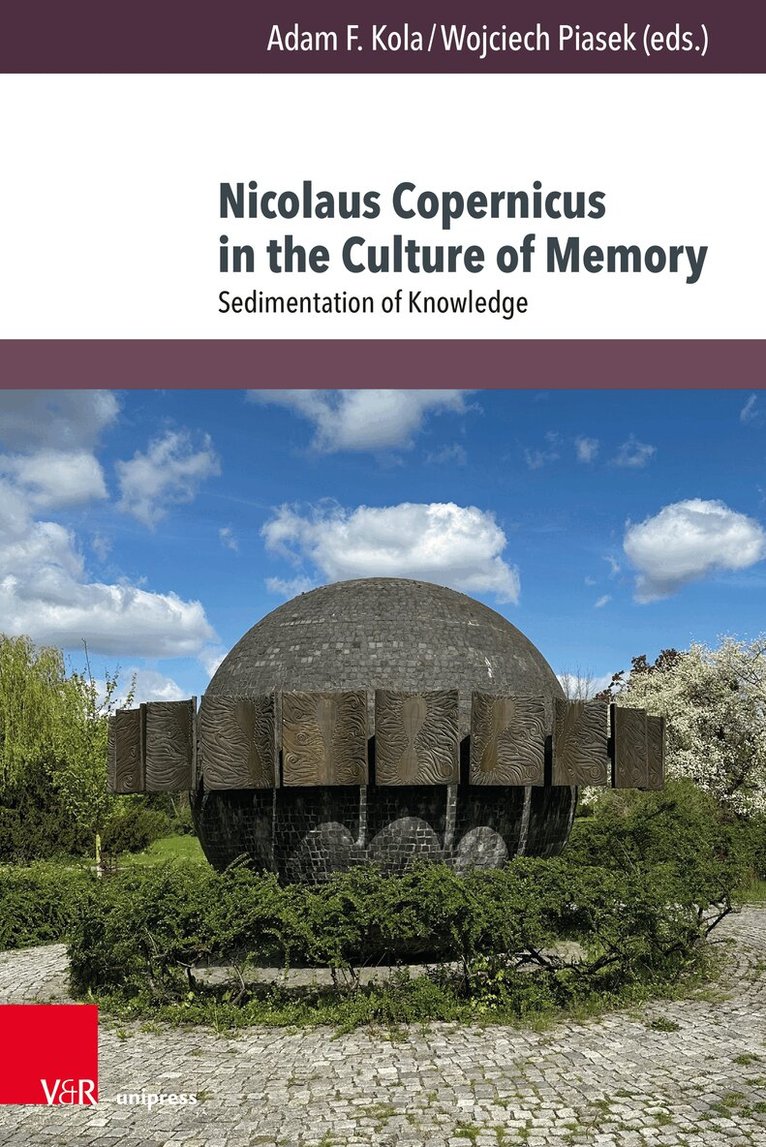
The volume explores the cultural legacy of Nicolaus Copernicus, spanning from the 16th century to the commemorative events of 2023. It innovatively examines the reception of Copernicus’ research and ideas, tracing his cultural impact across various historical epochs. Contributions within delve into the scientific reception of his theories as well as diverse forms of cultural remembrance, including monuments and commemorations, political memory, visual arts, iconography, street names, postage stamps, and tourism promotion. Emphasizing the importance of Copernicus within both Polish and German cultural spheres (including local cultural wars), the volume also considers his broader global influence.
This book offers a compelling exploration of how women’s stories shape – and are often erased from – the life of a university. Using the Nicolaus Copernicus University as a vivid case study, it uncovers the hidden labour, gendered barriers, and structural inequalities that define academic institutions worldwide. By restoring women to the centre of the narrative, the volume invites readers to rethink how universities remember, value, and organise themselves. It is both a revelation of the past and a call to imagine more inclusive futures across higher education.