1 958 kr
Skickas inom 3-6 vardagar
1 958 kr
Skickas inom 3-6 vardagar
1 439 kr
Skickas inom 7-10 vardagar
1 390 kr
Skickas inom 3-6 vardagar
697 kr
Skickas inom 3-6 vardagar
1 411 kr
Skickas inom 3-6 vardagar
688 kr
Skickas inom 3-6 vardagar
1 390 kr
Skickas inom 3-6 vardagar
421 kr
Skickas inom 7-10 vardagar
1 266 kr
Skickas
322 kr
Skickas
420 kr
Läs direkt efter köp
420 kr
Läs direkt efter köp
2 236 kr
Skickas inom 3-6 vardagar
359 kr
Skickas
413 kr
Läs direkt efter köp
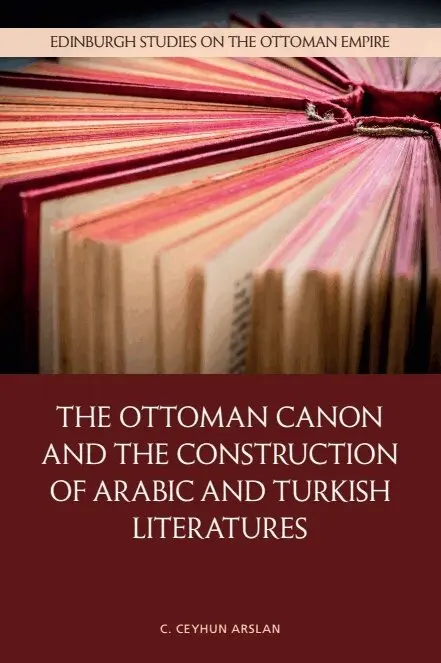
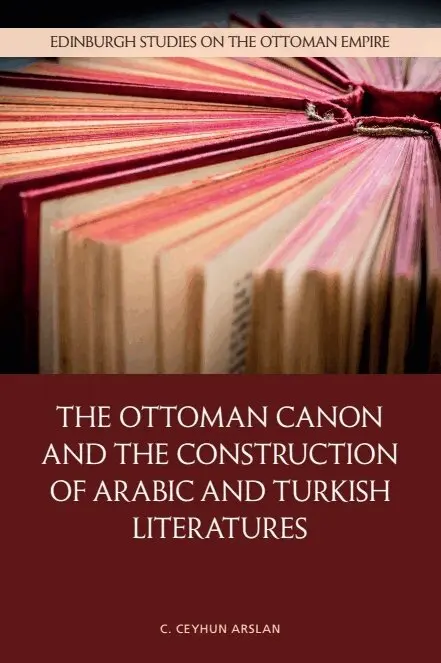
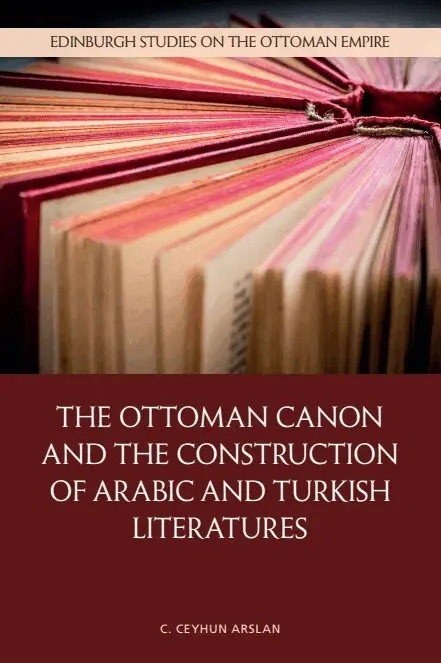
The Ottoman Canon and the Construction of Arabic and Turkish Literatures fleshes out the Ottoman canon’s multilingual character to call for a literary history that can reassess and even move beyond categories that many critics take for granted, such as ‘classical Arabic literature’ and ‘Ottoman literature’. It gives a historically contextualised close reading of works from authors who have been studied as pionneers of Arabic and Turkish literatures, such as Ziya Pasha, Jurjī Zaydān, Maʿrūf al-Ruṣāfī and Ahmet Hamdi Tanpınar.The book analyses how these authors prepared the arguments and concepts that shape how we study Arabic and Turkish literatures today as they reassessed the relationship among the Ottoman canon’s linguistic traditions. Furthermore, it examines the Ottoman reception of pre-Ottoman poets, such as Kaʿb ibn Zuhayr, hence opening up new research avenues for Arabic literature, Ottoman studies and comparative literature.
1 682 kr
Skickas inom 3-6 vardagar
252 kr
Skickas
1 195 kr
Skickas
320 kr
Skickas
420 kr
Läs direkt efter köp
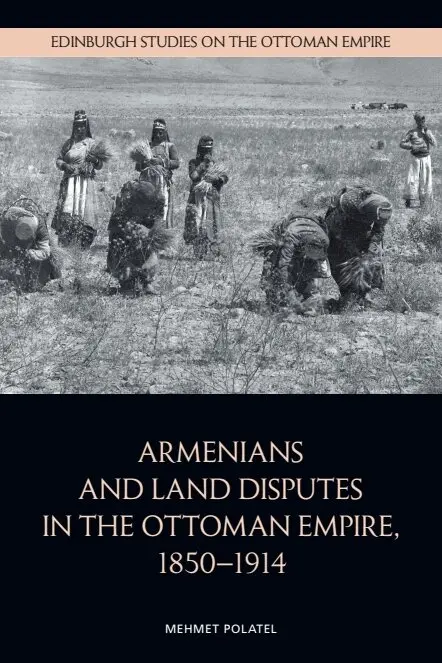
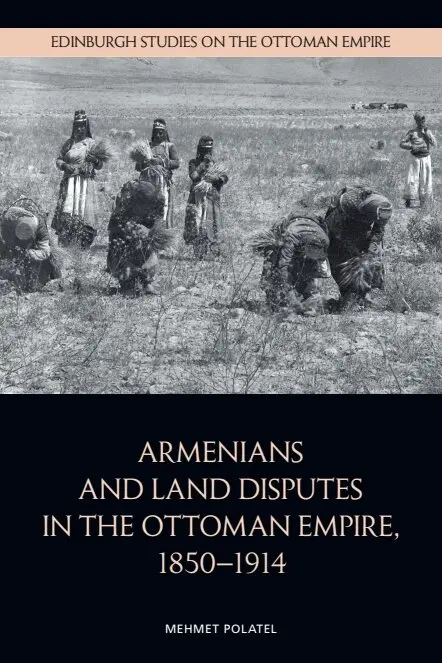
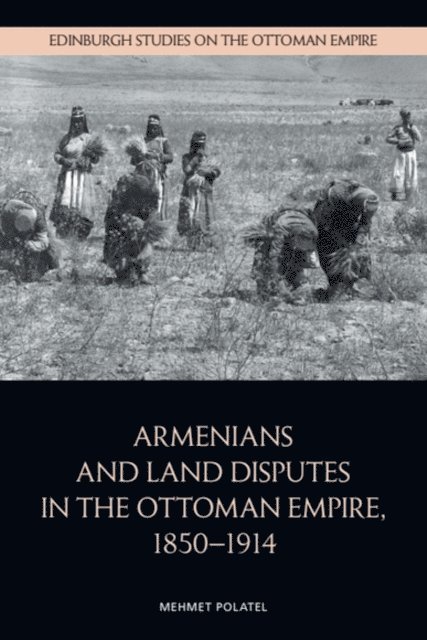
Armenians and Land Disputes in the Ottoman Empire traces the transformation of land disputes involving Armenians into the Armenian land question from the mid-nineteenth century to the outbreak of the First World War. Situating this event into its historical context marked by the rise of the central administrative state, encroachment of capitalism and the new territorial turn that changed the political significance of land ownership, this book argues that the Armenian land question was shaped by two conflicting trends: liberalisation and nationalisation of land. The book also shows how mass violence transformed competitive struggles and socioeconomic life and structures on the one hand, and how these struggles strained intercommunal relations and blocked possibilities of normalisation on the other. Examining the actions and discourses of Armenian and Kurdish intellectuals, Muslim powerholders in the provinces, and Ottoman officials and the Istanbul elite – along with the institutions, local and national, that sustained these groups, it populates a large blank space in our existing picture of the late Ottoman Empire.
1 595 kr
Läs direkt efter köp
1 595 kr
Läs direkt efter köp
2 003 kr
Skickas inom 3-6 vardagar
322 kr
Skickas
1 828 kr
Skickas inom 3-6 vardagar
438 kr
Skickas inom 3-6 vardagar
326 kr
Läs direkt efter köp
326 kr
Läs direkt efter köp