1 445 kr
Skickas inom 7-10 vardagar
1 445 kr
Skickas inom 7-10 vardagar
1 781 kr
Läs direkt efter köp
1 768 kr
Läs direkt efter köp
1 203 kr
Skickas
451 kr
Skickas
1 266 kr
Kommande
1 343 kr
Kommande
1 248 kr
Kommande
1 248 kr
Kommande
2 171 kr
Skickas inom 3-6 vardagar
629 kr
Skickas inom 3-6 vardagar
1 685 kr
Skickas inom 3-6 vardagar
511 kr
Skickas
2 183 kr
Skickas inom 3-6 vardagar
502 kr
Skickas inom 3-6 vardagar
2 383 kr
Skickas inom 3-6 vardagar
697 kr
Skickas inom 3-6 vardagar
2 099 kr
Skickas inom 3-6 vardagar
517 kr
Skickas inom 3-6 vardagar
420 kr
Läs direkt efter köp
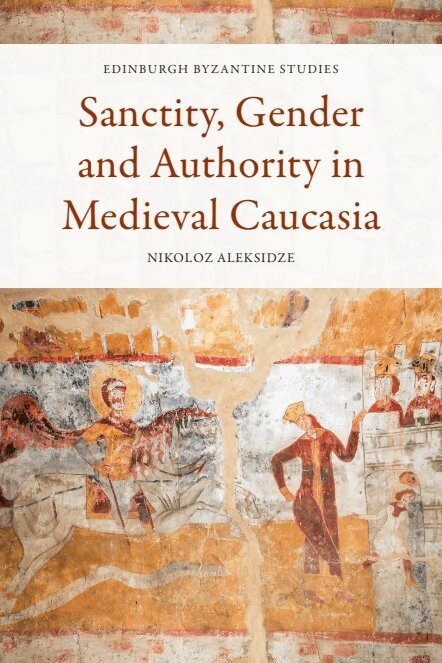
From the early fourth century, the veneration of saints and relics spread rapidly across Christendom from the British Isles to Iran. In late antique Caucasia, the cult of the saints was immediately integrated into Armenian and Georgian identity and political discourses. It was used to legitimise royal rule, sanctify domains and dynasties, define political realms and justify political decisions. This book is the first systematic study of this history. Discussing a wide variety of sources from Armenia, Georgia, Byzantium and Russia which have not been examined together before, it investigates the interaction of sanctity, holy relics, gender and politics in the medieval Caucasus, with a particular focus on Georgia. Nikoloz Aleksidze analyses three chronological eras: the first section focuses on late antiquity and the early Middle Ages, when the cult of the relics was formed in Caucasian writing; the second explores the medieval era, when the Bagratids ruled in Georgia and the cults of figures such as St George, the Mother of God and Queen Tamar were shaped and politicised; and the third navigates a similar entanglement of sanctity, gender and political rhetoric in Russian Imperial and Georgian national discourse.