571 kr
Läs direkt efter köp
571 kr
Läs direkt efter köp
489 kr
Läs direkt efter köp
517 kr
Läs direkt efter köp
517 kr
Läs direkt efter köp
1 007 kr
Läs direkt efter köp
817 kr
Läs direkt efter köp
517 kr
Läs direkt efter köp
755 kr
Läs direkt efter köp
978 kr
Läs direkt efter köp
504 kr
Läs direkt efter köp
688 kr
Läs direkt efter köp
688 kr
Läs direkt efter köp
493 kr
Läs direkt efter köp
437 kr
Läs direkt efter köp
688 kr
Läs direkt efter köp
386 kr
Läs direkt efter köp
519 kr
Läs direkt efter köp
386 kr
Läs direkt efter köp
923 kr
Läs direkt efter köp
437 kr
Läs direkt efter köp
1 024 kr
Läs direkt efter köp
621 kr
Läs direkt efter köp
688 kr
Läs direkt efter köp
806 kr
Läs direkt efter köp
700 kr
Läs direkt efter köp
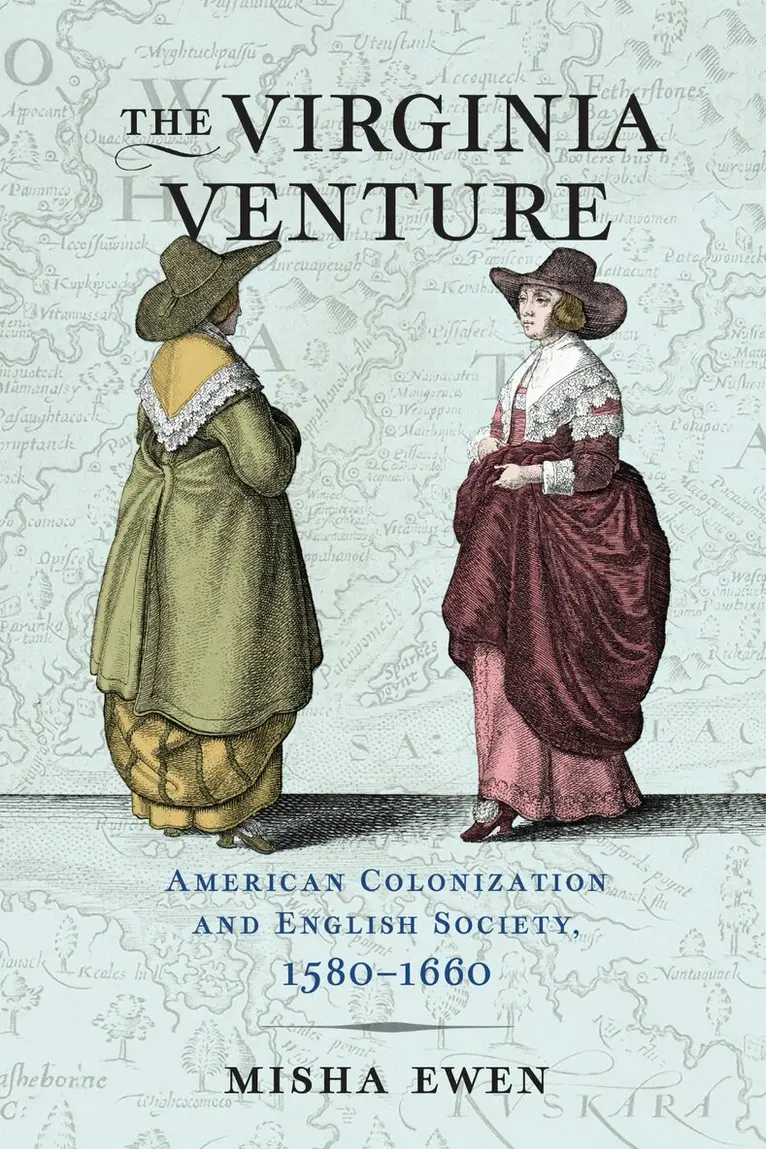
The Virginia Venture is an innovative exploration of how a wider public of women, children, and men across English society contributed to the foundation of the first permanent English colony in America: Jamestown, Virginia. Drawing on sources from dozens of archives in the United States and England, it provides a fresh perspective on how capital and labor were mobilized to help build the colony—not from the perspective of elite investors alone, but from the point of view of ordinary people across the country. Women and the laboring poor have been overlooked in these efforts: The Virginia Venture brings them center stage.As well as exploring how society at home supported colonization, the book examines the impact that colonization had on English society, including changes in attitudes and behaviors—from the provision of poor relief to domestic tobacco cultivation. The book shows that as English society became more tightly invested in colonization in America, this sparked contestations over the prioritization of “English” and “American” interests. English social history in the seventeenth century cannot be understood without this imperial perspective.The Virginia Venture is essential reading for scholars of English social and imperial history and early American history. It draws on the methods of transatlantic history, showing the intimate connections between England and America, but it is deeply rooted in the social history archive of England. It demonstrates how English archives can be used, to their fullest extent, to illuminate this crucial period of American history.
755 kr
Läs direkt efter köp
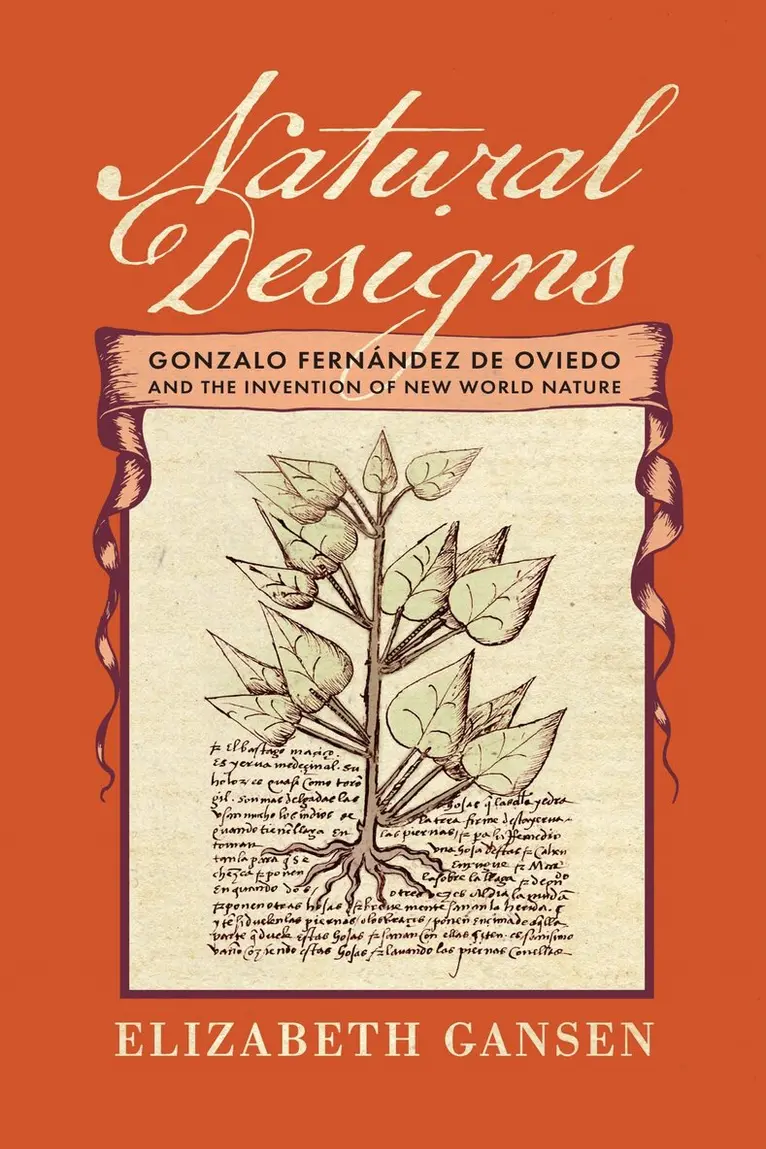
Natural Designs chronicles the life and work of the earliest and most influential Spanish historian of the New World, Gonzalo Fernández de Oviedo (1478–1557). Through a combination of biography and visual and textual analysis, Elizabeth Gansen explores how Oviedo, in his writings, brought the European Renaissance to bear on his understanding of New World nature.Oviedo learned much from the humanists with whom he came into contact in the courtly circles of Spain and Italy, including Giovanni Battista Ramusio and Pietro Bembo, and witnessed Christopher Columbus regaling Queen Isabel and King Ferdinand with news from his inaugural voyage to the Indies. Fascinated by the Caribbean flora and fauna Oviedo encountered on his arrival to the Caribbean in 1514, he made them the protagonists of his writings on the Indies. From his consumption of the prickly pear cactus, which led him to believe his death was imminent, to the behavior of the iguana, which defied his efforts to determine if the lizard was fish or flesh, his works reveal the challenges at the heart of Spain’s encounter with the biological wonders of the Americas.Natural Designs foregrounds Oviedo’s role as a writer, illustrator, and editor of New World nature. As much as Oviedo is credited as a pioneer in the literary genre of American natural history, his contributions to early modern conceptions of the flora and fauna of the Indies are still not widely understood and appreciated. Gansen situates us in the early sixteenth century to reappraise the works of the Spanish historian who first shaped these realities.
739 kr
Läs direkt efter köp
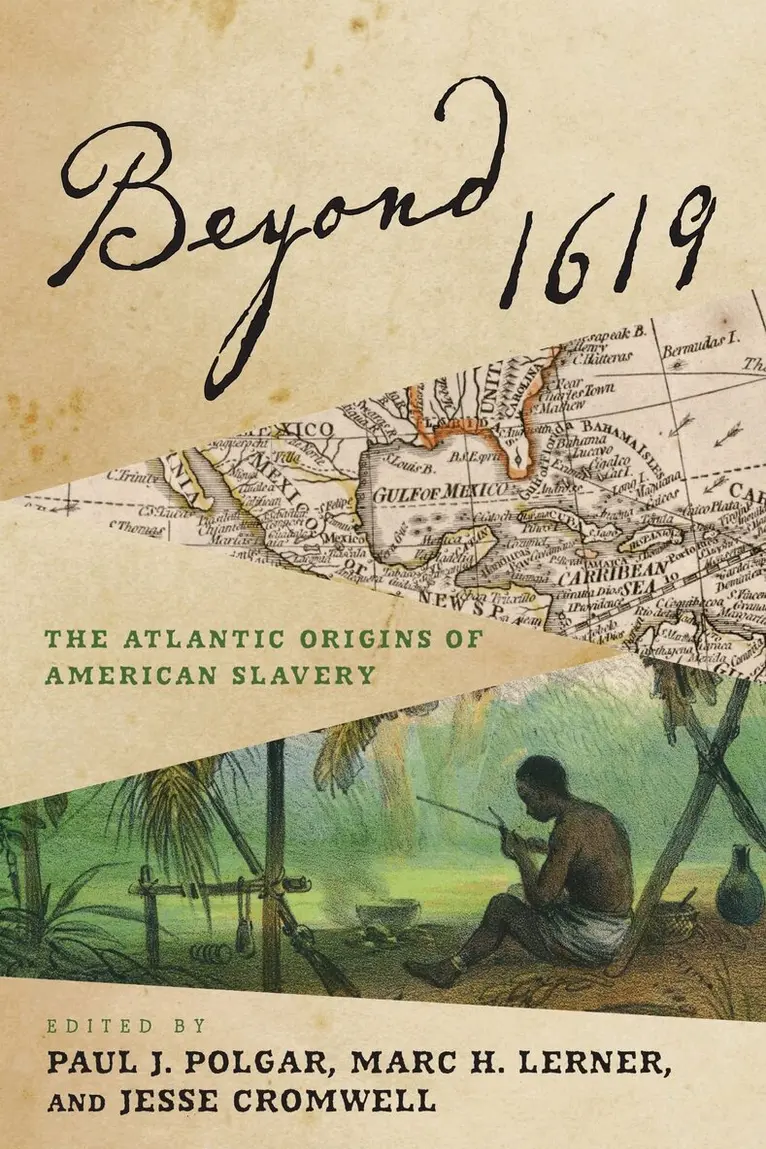
Beyond 1619 brings an Atlantic and hemispheric perspective to the year 1619 as a marker of American slavery’s origins and the beginnings of the Black experience in what would become the United States by situating the roots of racial slavery in a broader, comparative context.In recent years, an extensive public dialogue regarding the long shadow of racism in the United States has pushed Americans to confront the insidious history of race-based slavery and its aftermath, with 1619—the year that the first recorded enslaved persons of African descent arrived in British North America—taking center stage as its starting point. Yet this dialogue has inadvertently narrowed our understanding of slavery, race, and their repercussions to the U.S. context. Beyond 1619 showcases the fruitful results when scholars examine and put into conversation multiple empires, regions, peoples, and cultures to get a more complete view of the rise of racial slavery in the Americas.Painting racial slavery’s emergence on a hemispheric canvas, and in one compact volume, provides historical context beyond the 1619 moment for discussions of slavery, racism, antiracism, freedom, and lasting inequalities. In the process, this volume shines new light on these critical topics andillustrates the centrality of racial slavery, and contests over its rise, in nearly every corner of the early modern Atlantic World.Contributors: John N. Blanton, Jesse Cromwell, Erika Denise Edwards, Rebecca Anne Goetz, Rana Hogarth, Chloe L. Ireton, Marc H. Lerner, Paul J. Polgar, Brett Rushforth, Casey Schmitt, Jenny Shaw, James Sidbury.
839 kr
Läs direkt efter köp
Illuminates the competing understandings of poison and power in the Atlantic worldBy the time of the opening of the Atlantic world in the fifteenth century, Europeans and Atlantic Africans had developed significantly different cultural idioms for and understandings of poison. Europeans considered poison a gendered “weapon of the weak” while Africans viewed it as an abuse by the powerful. Though distinct, both idioms centered on fraught power relationships. When translated to the slave societies of the Americas, these understandings sometimes clashed in conflicting interpretations of alleged poisoning events.In Poisoned Relations, Chelsea Berry illuminates the competing understandings of poison and power in the Atlantic World. Poison was connected to central concerns of life: to the well-being in this world for oneself and one’s relatives; to the morality and use of power; and to the fraught relationships that bound people together. The social and relational nature of ideas about poison meant that the power struggles that emerged in poison cases, while unfolding in the extreme context of slavery, were not solely between enslavers and the enslaved—they also involved social conflict within enslaved communities.Poisoned Relations examines more than five hundred investigations and trials in four colonial contexts—British Virginia, French Martinique, Portuguese Bahia, and the Dutch Guianas—bringing a groundbreaking application of historical linguistics to bear on the study of the African diaspora in the Americas. Illuminating competing understandings of poison and power in this way, Berry opens new avenues of evidence through which to navigate the violence of colonial archival silences.
692 kr
Läs direkt efter köp
746 kr
Läs direkt efter köp
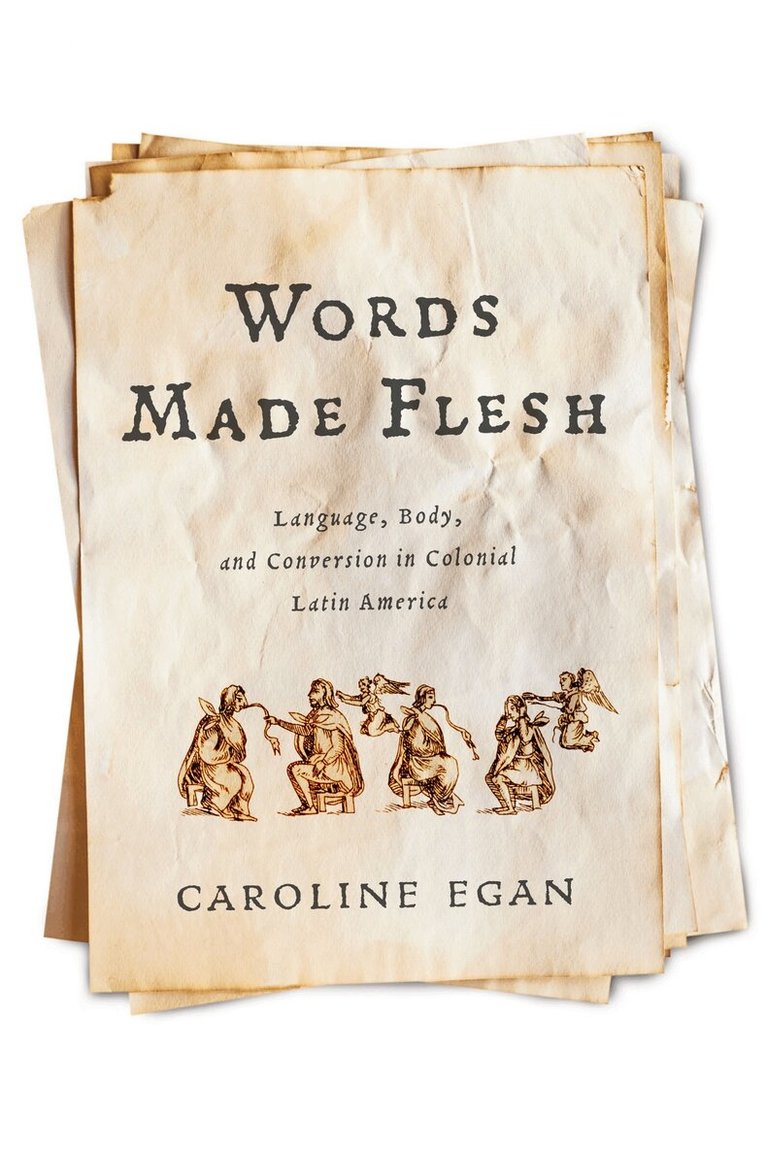
Examines the role of the body in Indigenous-language religious texts from colonial Latin AmericaWords Made Flesh examines the role played by corporeality in a series of missionary linguistic and poetic projects from Brazil, Peru, and Mexico in early colonial Latin America. Caroline Egan analyzes how works produced in Indigenous languages for the purpose of evangelization were shaped by and, in turn, transformed native understandings of embodiment.Egan follows the trajectories of specific understudied words in the colonial corpus, tracing their usage through grammars, dictionaries, doctrinal translations, and hymns in Tupi, Quechua, and Nahuatl. These words, however, might not be the first to come to mind when thinking about missionary projects in the colonial world—such as God and trinity, heaven and hell, angel and demon. Instead, the book examines words like the Tupi îuká (to kill) and manõ (to die); the Quechua sunqu (now often translated as “heart”); and the Nahuatl chōca (to weep), cuīca (to sing), and ihuinti (to get drunk). With complementary emphases on regional specificity and comparative ramifications, Words Made Flesh argues that the changing fortunes of these words speak to significant areas of dialogue and debate between Indigenous communities and missionary writers in the late sixteenth century.