Inbunden, Engelska, 2016
830 kr
Skickas inom 7-10 vardagar
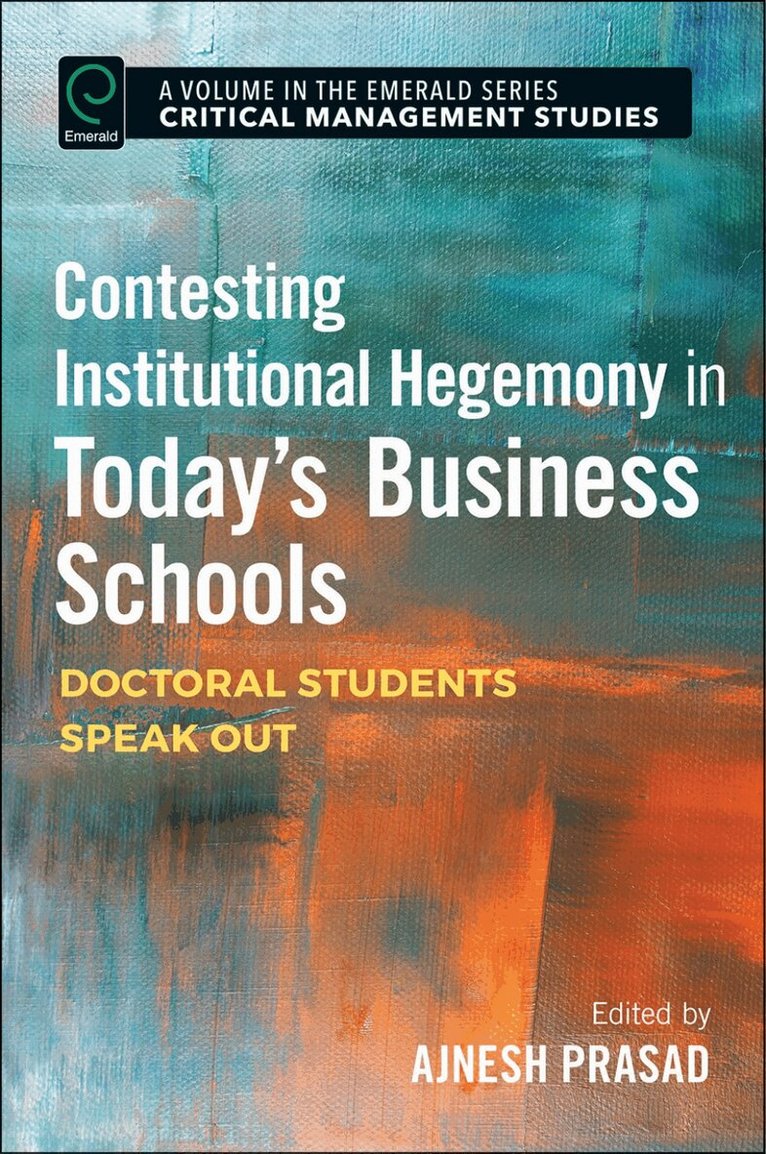
Considering the tangible implications the present focus on research output poses for early career researchers, it is strange that perspectives from this group are rarely, if ever, included in the ongoing debates in the field. This book aims to put these views on record. By bringing together a group of critically-orientated early career researchers from global business schools it investigates a series of timely questions pertaining to the impact that institutional pressures have on junior academics – particularly those who conduct ‘critical’ or non-mainstream research. What is the nature of the institutional pressure that is placed upon doctoral students to publish in certain journals or to conduct positivist research? How do students with a critical orientation resist these pressures – or why do they succumb to them? What are the implications on critical scholars for resisting or acquiescing to these pressures and what does this mean for scholarship more broadly? Taking a narrative approach, this book will be required reading for all doctoral students as well as all those in academia dissatisfied with the current intellectual hegemony in business schools.