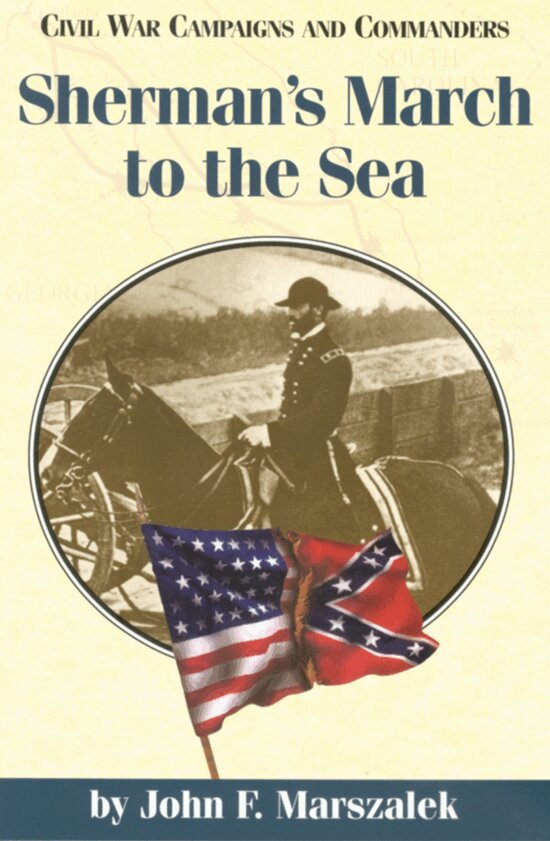
After his triumphant capture of Atlanta in the fall of 1864, Union General William T. Sherman mobilized 62,000 of his veteran troops and waged destructive war across Georgia, from Atlanta to Savannah. Unhappy with the killing and maiming of Union and Confederate soldiers in combat blood baths, he decided on purposeful destruction, hoping to insure fewer casualties while helping bring the war to an end as quickly as possible. He repeatedly promised southerners that he would wage a hard war but would tender a soft peace once they stopped fighting. He was true to his word on both counts. In studying a main element of the Lost Cause view of the Civil War, award-winning author John F. Marszalek recounts the March's destructive details, analyzes William T. Sherman's strategy, and describes white and black southern reaction. The result is a gripping tale which demonstrates both how the March affected the Confederacy's last days and how it continues to influence Americans at the beginning of the twenty-first century.
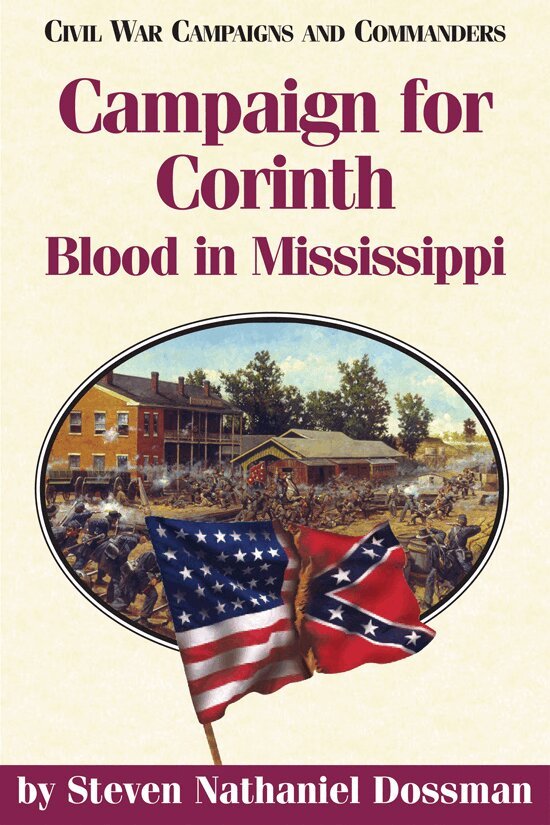
In 1862, the sleepy town of Corinth, Mississippi, was transformed into one of the South's most strategic strongholds. At Corinth, the Mobile and Ohio Railroad crossed the Memphis and Charleston Railroad, creating a crucial nexus for the transport of supplies, material, and men throughout the western Confederacy. Following the battle of Shiloh, a vast Federal army under Gen. Henry Halleck captured the town after an extended siege. But by summer, Confederate forces began a broad offensive. In the East, Gen. Robert E. Lee invaded Maryland, while in the West, Gen. Braxton Bragg led an incursion into Kentucky. In support of Bragg, Generals Earl Van Dorn and Sterling Price were ordered to drive back the Union forces under Generals Ulysses S. Grant and William S. Rosecrans and seize control of northern Mississippi. The action began in earnest in September, as Price fought Rosecrans to a bloody standoff at Iuka, Mississippi. Price then combined his forces with Van Dorn, who, in early October turned his attention to the effort of regaining Corinth. The campaign for Corinth reached a crescendo in one the Civil War's most violent and bloody assaults, setting the stage for Grant's Vicksburg campaign and ultimately deciding the fate of the Confederacy in the Mississippi Valley.