
- -15% på allt
Häftad, Engelska, 2021
376 kr
Skickas
376 kr
Skickas

Ramillies and the Campaign of 1706
388 kr
Skickas inom 11-20 vardagar
The 1706 campaign changed the War of the Spanish Succession. Within a few months French hopes of regaining the strategic initiative had gone, most of the Spanish Netherlands had been lost, and the Grand Alliance stood at the peak of its military fortunes. At the centre of the year was the Battle of Ramillies.
On 23 May, near a small village in Brabant, the Duke of Marlborough met an army of roughly his own strength under Marshal Villeroi and the Elector of Bavaria. In the space of a few hours the field army of the Two Crowns came apart. The consequences ran well beyond the battlefield: rather than fight again the French gave up huge tracts of territory, and Louis XIV was forced to draw troops from other theatres simply to rebuild in Flanders.
The Most Disastrous of Defeats is not, therefore, only the story of a battle. Neil Litten reconstructs the 1706 campaign as a whole, opening with the strategic frustrations left over from 1705 and Marlborough's abandoned plan to shift the war into Italy. He follows the competing French and Allied approaches as events in Spain, Italy and on the Rhine bore down on decisions in the Low Countries, and traces the two armies to their convergence at Ramillies and through the battle itself in unusually close tactical detail.
The victory opened a wholly new phase of the war. Marlborough pushed the collapse hard: Brussels, Antwerp, Ghent and Bruges all fell out of French hands, the Allied armies moved across Brabant and Flanders, and the fortresses of Ostend, Menin and Ath became the objects of major siege operations. Litten carries the story through the rest of the campaigning season — logistics, siege warfare, coalition command, troop movements, and the continuing French effort to rebuild an army capable of checking the Allied advance. As the year went on the campaign became entangled with growing disputes inside the Grand Alliance over the Dutch Barrier, the administration of the conquered provinces, competing priorities elsewhere, and proposals for peace. By December, the sheer scale of what had been won had begun to expose the political fractures that would in the end prevent Ramillies from producing a decisive settlement.
The author works from British, French, Dutch and German material, including the major manuscript holdings in London, Windsor, Vincennes, Paris and The Hague, and steps deliberately away from the older Anglocentric and Marlborough-centred accounts. He reassesses Villeroi, Louis XIV, the Dutch generals and their field deputies, and challenges a number of long-standing battlefield narratives that have persisted without support in the contemporary evidence. This extensively revised and expanded edition of the author’s earlier work on this battle draws on substantial new archival research, particularly in the French military records.
The narrative is backed by a large body of documentary and analytical material. Sixteen appendices give full orders of battle for both armies at Ramillies; troop strengths and national composition; regimental and campaign casualty returns; the captured colours; losses at the sieges of Ostend, Menin and Ath; the Menin garrison; a contemporary hospital return from Ghent; and the composition of the Allied force put together for the projected descent on France. With the maps and battlefield analysis, the volume works as both a narrative history and a reference on the armies and operations of 1706.
Ramillies was Marlborough's masterpiece, but the day itself cannot really be read apart from the campaign that flowed from it. The Most Disastrous of Defeats puts that whole campaign back at the centre of the story, and shows how one afternoon's fighting reshaped a year of operations, tilted the strategic balance across Europe, and — at the same moment — carried the Grand Alliance to its high point and planted the divisions that would come after.
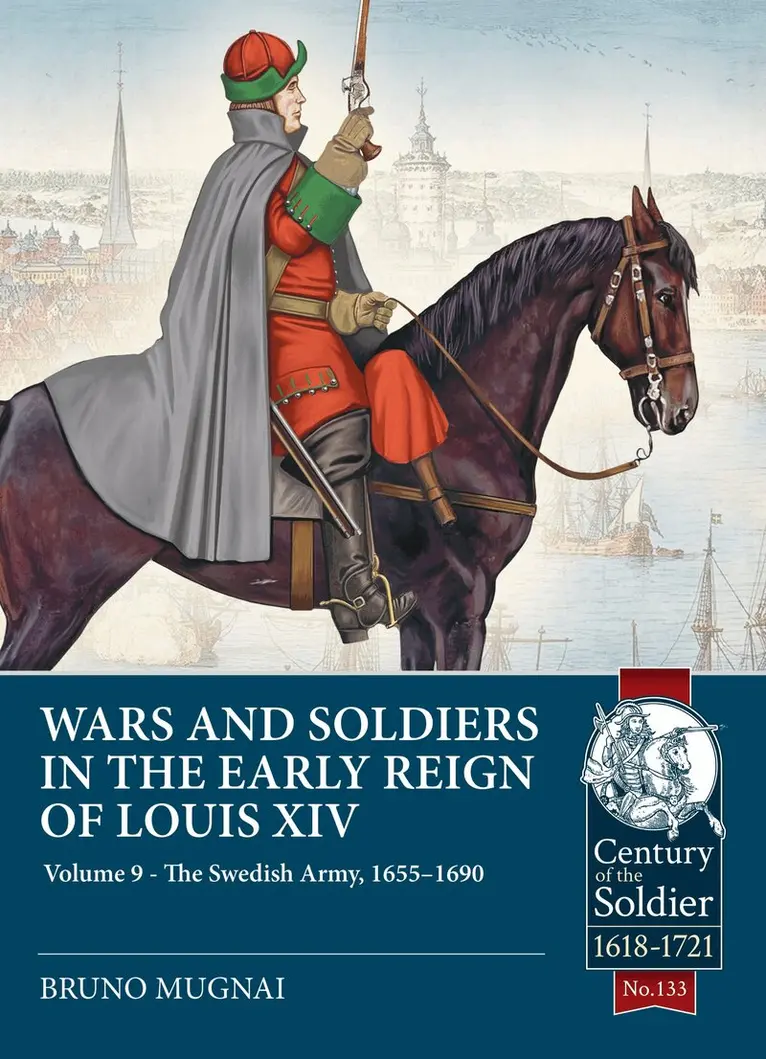
The Swedish Army, 1655-1690
636 kr
Skickas inom 3-6 vardagar
In the mid-seventeenth century, Sweden emerged as one of Europe’s foremost military powers, achieving a level of influence and battlefield effectiveness that belied its limited population and economic resources. This volume examines how Sweden not only achieved this remarkable ascent, but sustained it through decades of almost continuous warfare against formidable opponents including Poland-Lithuania, Denmark-Norway, the Habsburg Monarchy, and Muscovy.
Rather than focusing solely on battlefield performance or leadership, the book places the organisation, structure, and material culture of the Swedish army at the centre of the analysis. It explores recruitment systems, regimental organisation, command structures, and the practical realities of maintaining armies in the field, demonstrating that Sweden’s success rested on a coherent and innovative military system fully comparable to those of France or the Dutch Republic.
Covering the period from the wars of the 1650s through to the reforms of the later seventeenth century, the study is richly illustrated with detailed colour plates depicting infantry, cavalry, dragoons, artillery, and household troops, alongside uniforms, equipment, standards, guidons, and regimental colours. Many of these illustrations are supported by surviving originals held in Scandinavian and European museum collections, including captured colours and standards from Denmark and other theatres of war.
By integrating operational history with organisational analysis and visual evidence, this volume provides a comprehensive account of the Swedish army at the height of its power. It will be of interest not only to specialists in Scandinavian and early modern warfare, but also to readers concerned with the broader development of European armies, military administration, and the conduct of war in the seventeenth century.

376 kr
Skickas
Volume 7 - Armies of the German States 1655-1690 Part 1
386 kr
Skickas
German Armies, 1660-1687
388 kr
Skickas

333 kr
Skickas
533 kr
Kommande
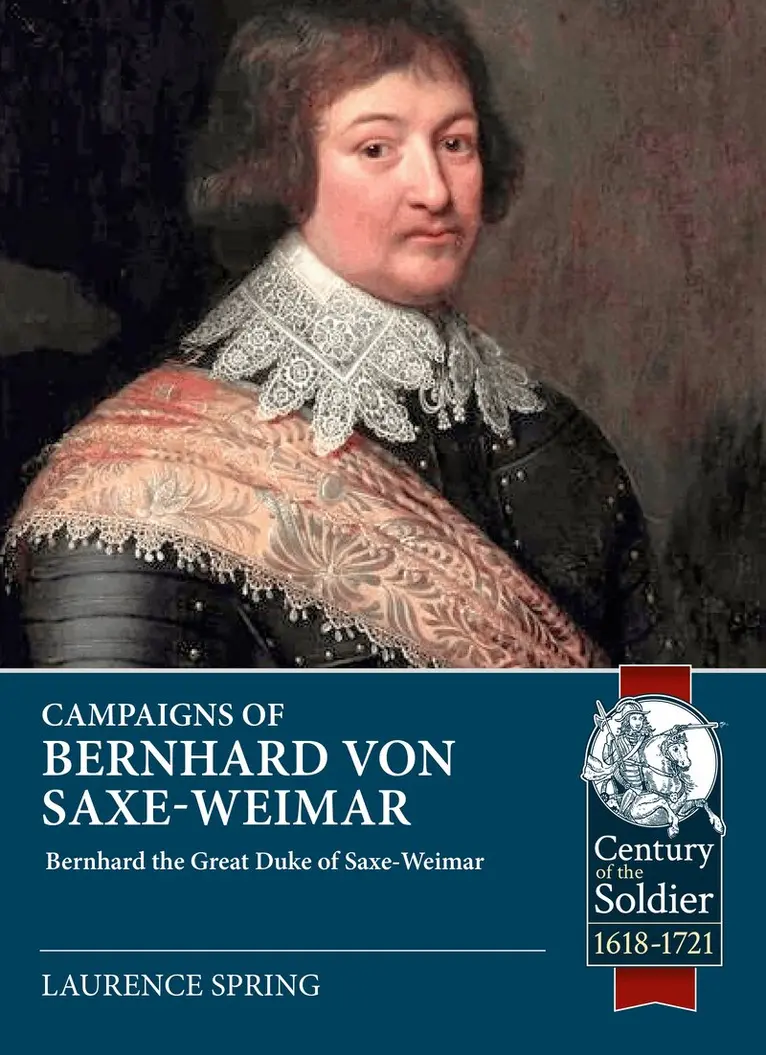
Bernhard von Saxe-Weimar (1604–1639) was one of the most remarkable German commanders of the Thirty Years’ War. A younger son with little prospect of inheriting a principality of his own, he made war his career and rose to command armies in the service of German Protestant princes, Gustav II Adolph of Sweden and, ultimately, France. Soldier, prince and military entrepreneur, he fought across the Holy Roman Empire and became one of the conflict’s most capable - and controversial - commanders.
His career took him through some of the defining battles and sieges of the war, including Wimpfen, Stadtlohn, Lützen, Nördlingen, Wittenweier and Rheinfelden, as well as the sieges of ‘s-Hertogenbosch, Regensburg and Breisach. After the death of Gustav II Adolph, Bernhard emerged as an increasingly independent commander, eventually campaigning along the Rhine with French support while pursuing ambitions of his own. His victories helped pave the way for French control of Alsace, yet his motives have remained contested: German patriot, Protestant champion, mercenary prince - or a military entrepreneur fighting to create a state for himself?
Drawing on a wealth of contemporary accounts, many of them previously unpublished in English, Laurence Spring reconstructs Bernhard’s campaigns and the armies with which he served. The book examines not only battlefield operations and sieges, but also the Danish and Hessian armies, the logistics and realities of campaigning, and the devastating impact of warfare and famine upon civilian populations. Particular attention is given to the campaigns along the Rhine between 1635 and 1639.
Bernhard’s sudden death in 1639 brought an extraordinary career to an abrupt end and immediately prompted rumours of murder. The Campaigns of Bernhard von Saxe-Weimar 1631–1639 offers a fresh assessment of a commander whose ambitions, loyalties and achievements place him among the most fascinating figures of the Thirty Years’ War.

The Last Successful invasion of England
333 kr
Skickas
376 kr
Skickas

A Military History of the Knights of Malta, 1614-1714
388 kr
Skickas
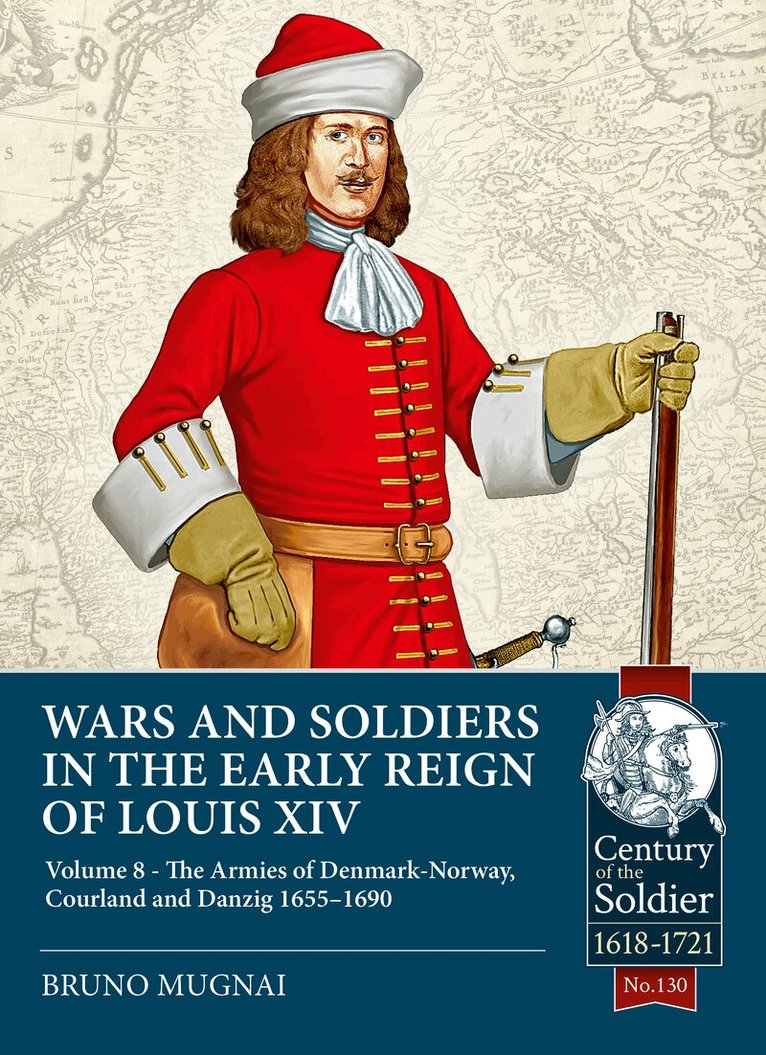
The Armies of Denmark-Norway, Courland and Danzig,1655-1690
388 kr
Skickas
278 kr
Skickas
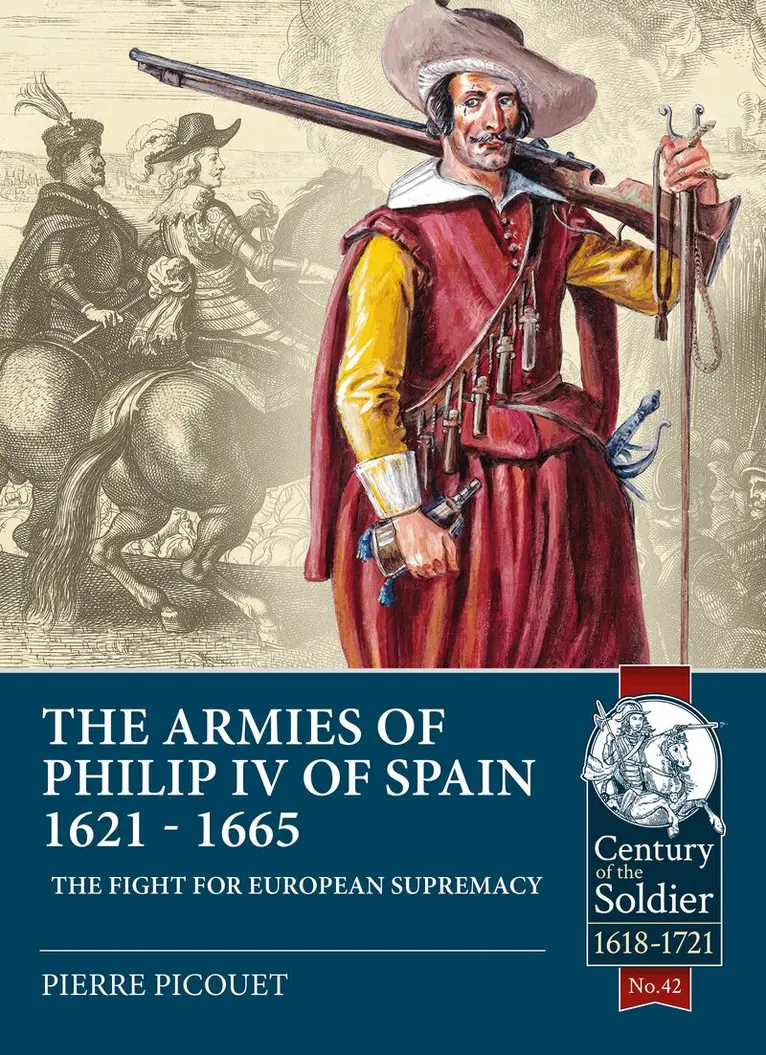
The Fight for European Supremacy
326 kr
Skickas

Wallenstein's Army, 1625-1634
331 kr
Skickas
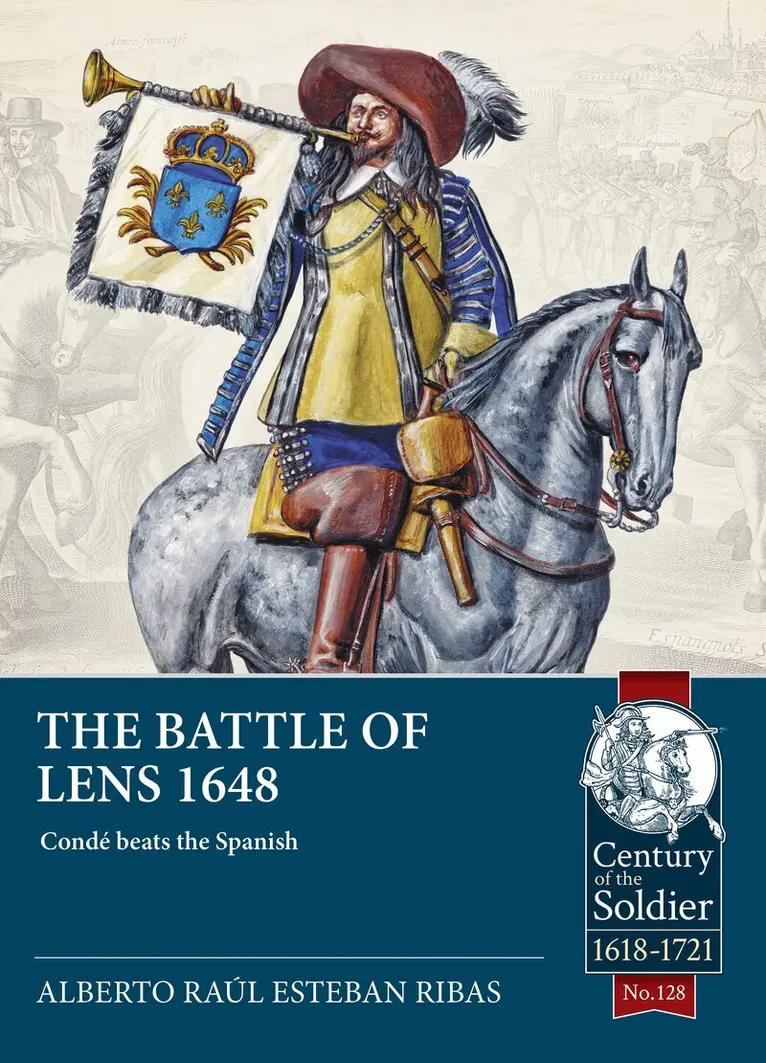
Condé beats the Spanish
280 kr
Skickas
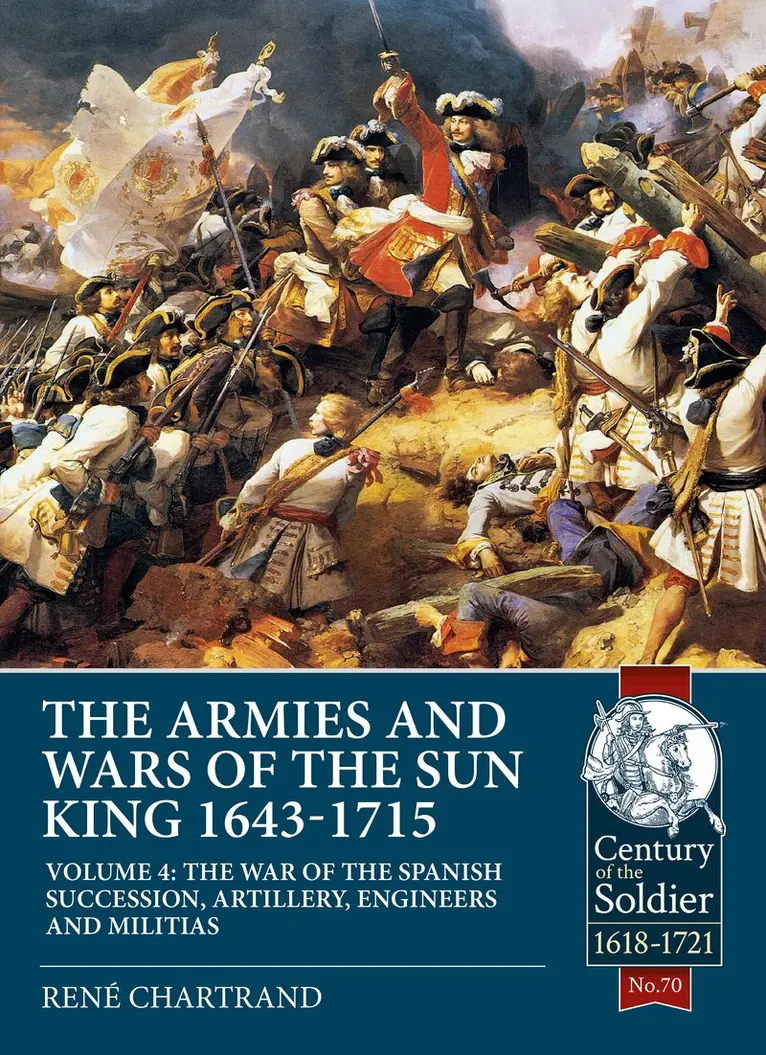
333 kr
Skickas
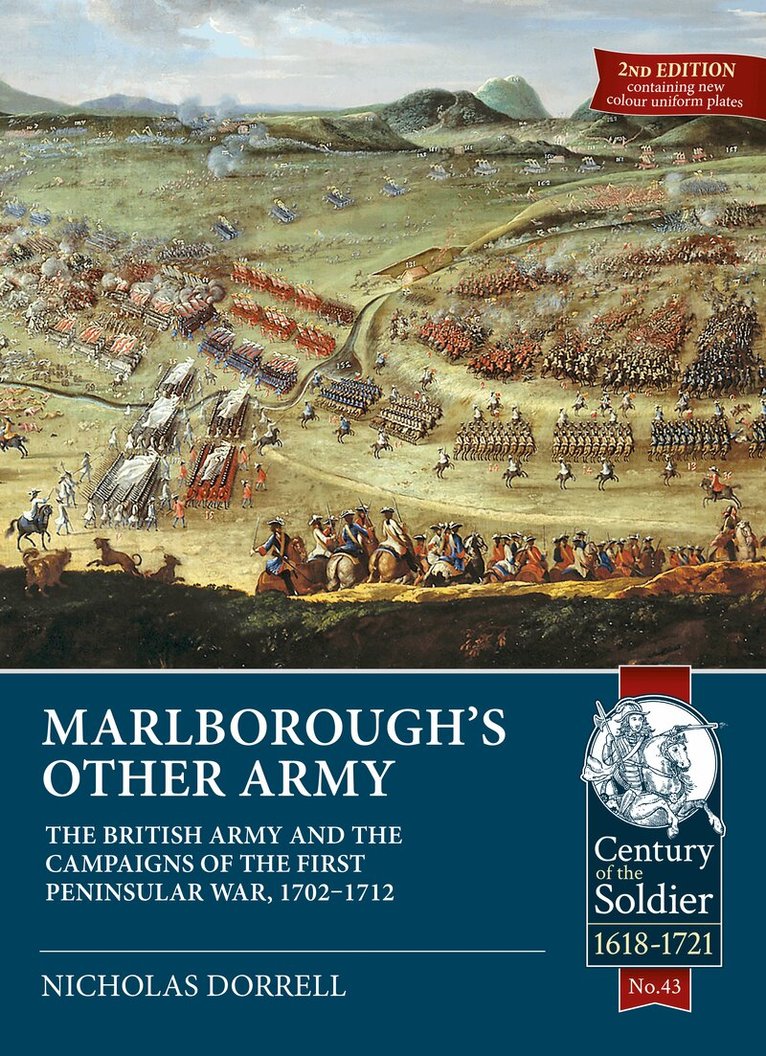
The British Army and the Campaigns of the First Peninsular War, 1702–1712
390 kr
Skickas
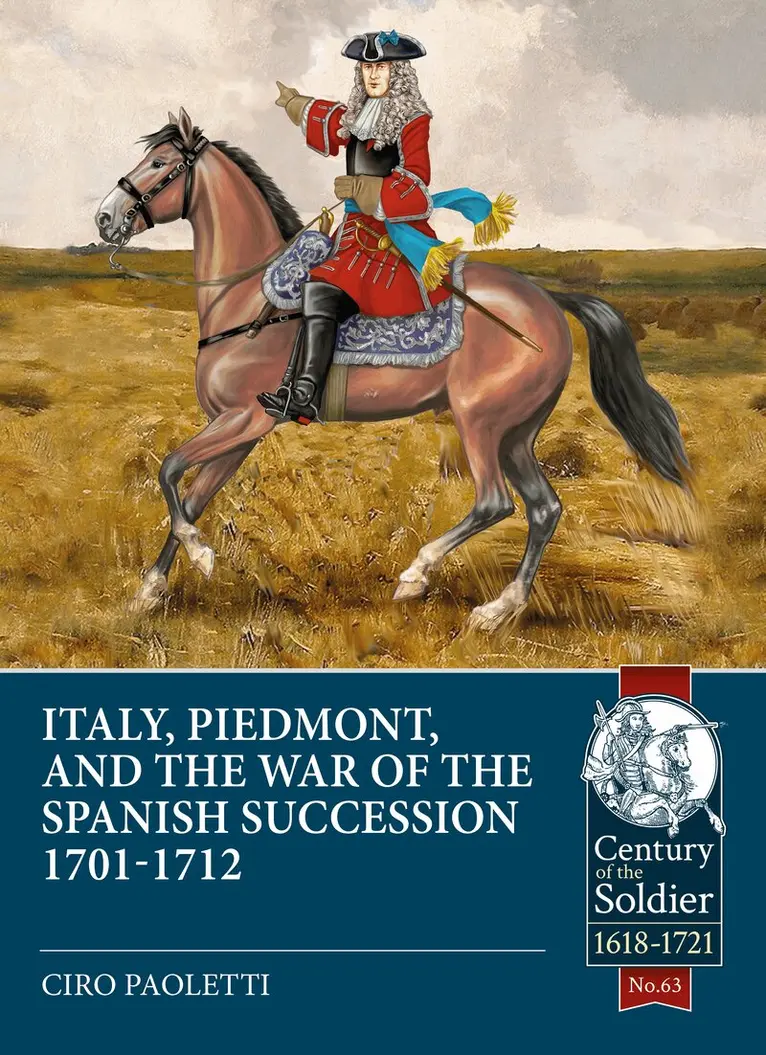
386 kr
Skickas

331 kr
Skickas
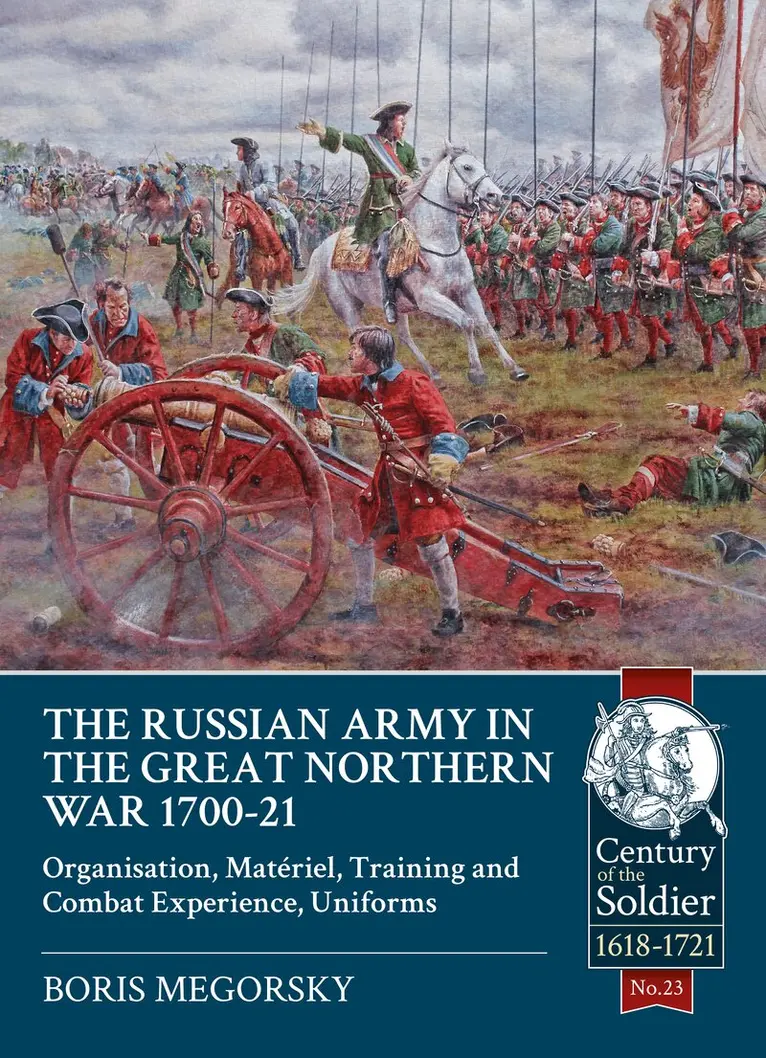
388 kr
Skickas
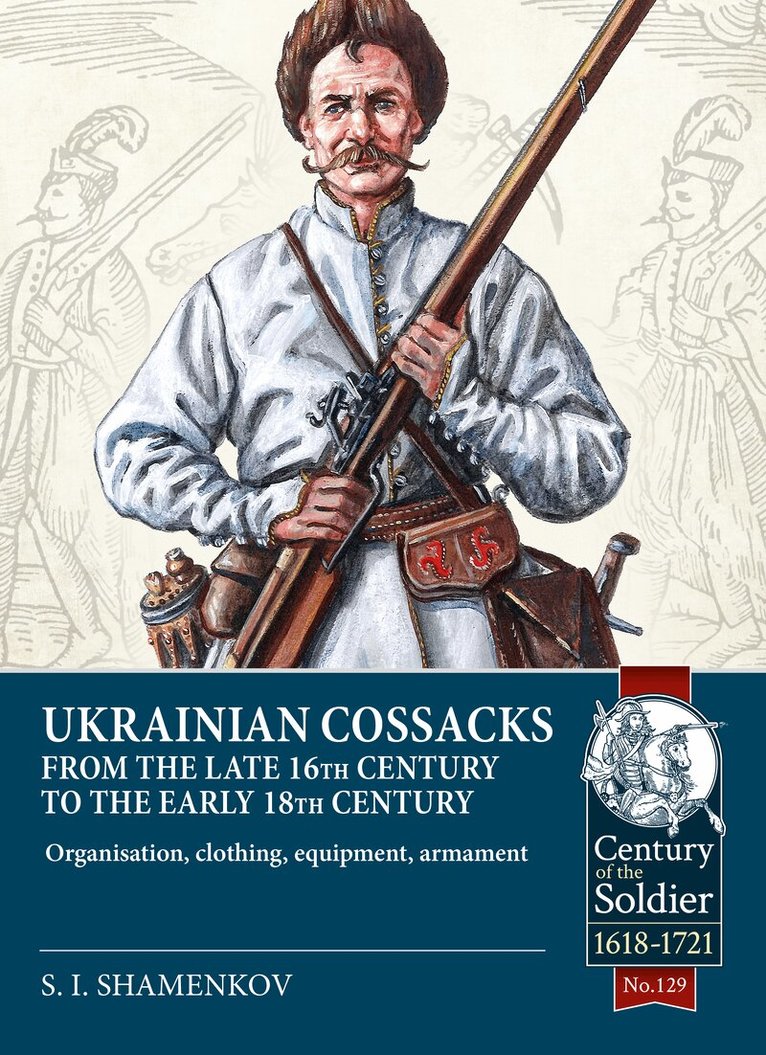
Organisation, clothing, equipment, armament
386 kr
Skickas
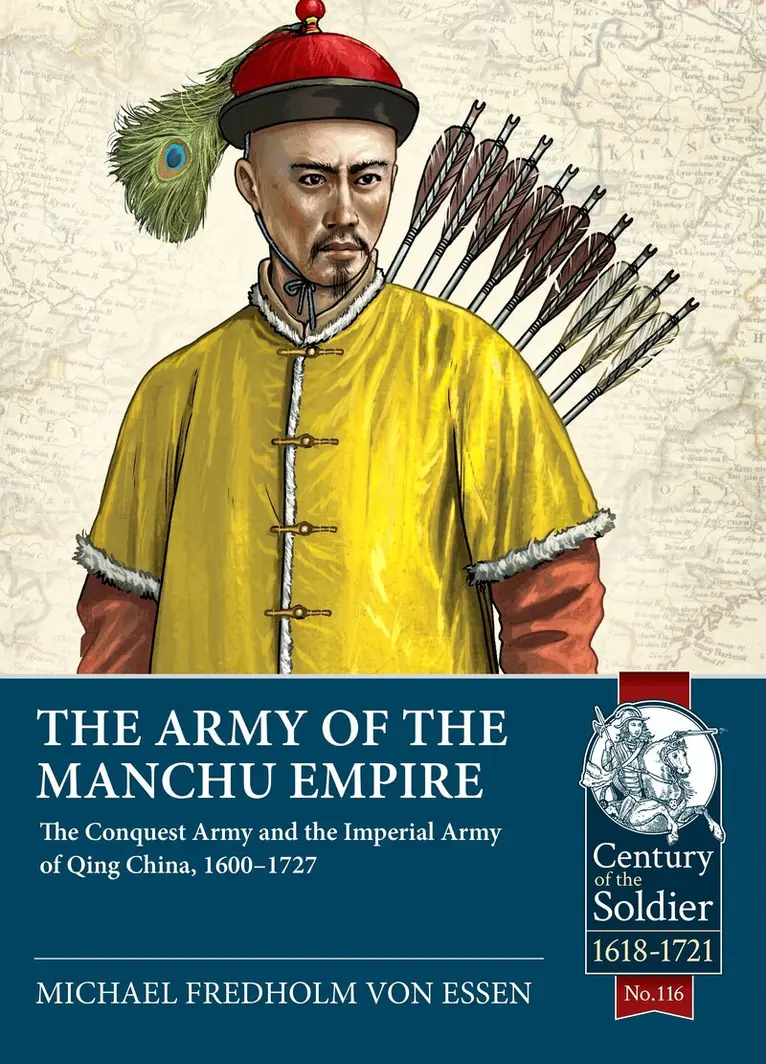
The Conquest Army and the Imperial Army of Qing China, 1600-1727
331 kr
Skickas

Volume 3 - The Danish Wars, 1657-1660
439 kr
Skickas
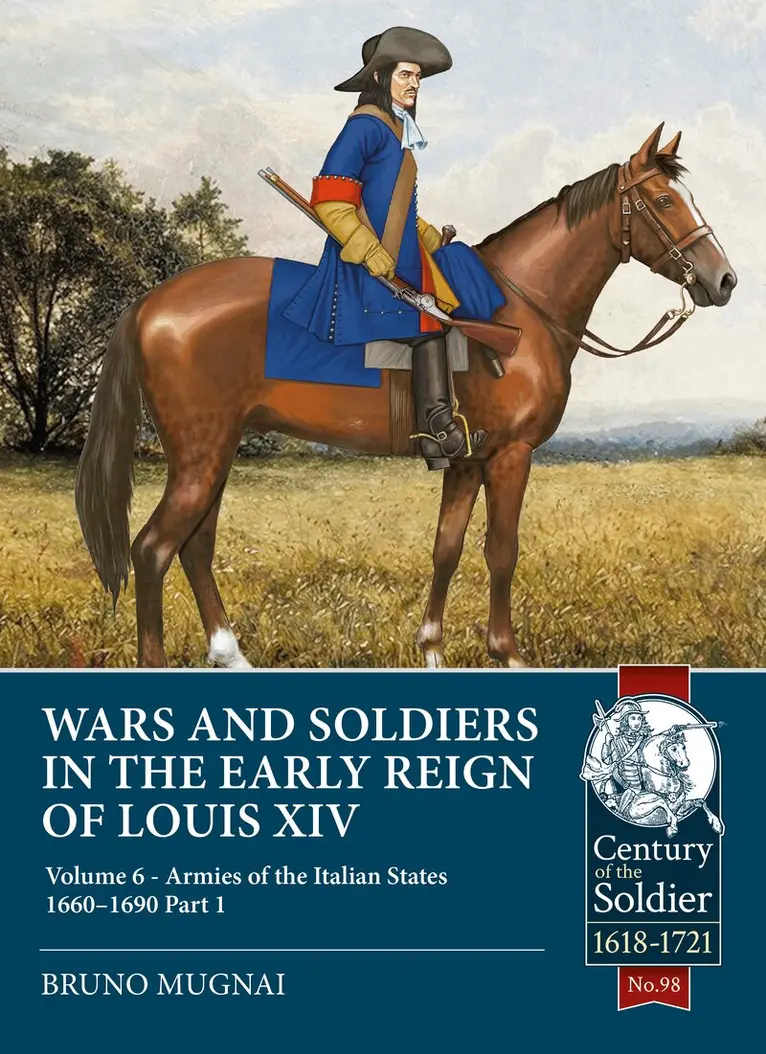
Volume 6 - Armies of the Italian States 1660-1690, Part 1
331 kr
Skickas
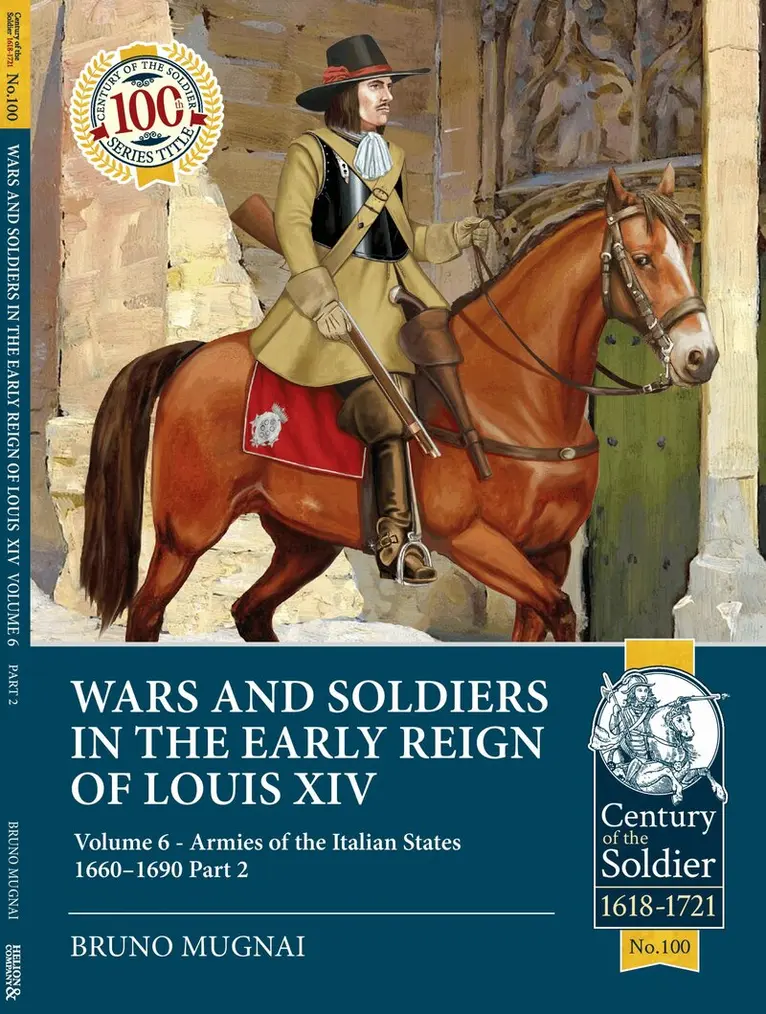
Volume 6 - Armies of the Italian States 1660-1690 Part 2
376 kr
Skickas
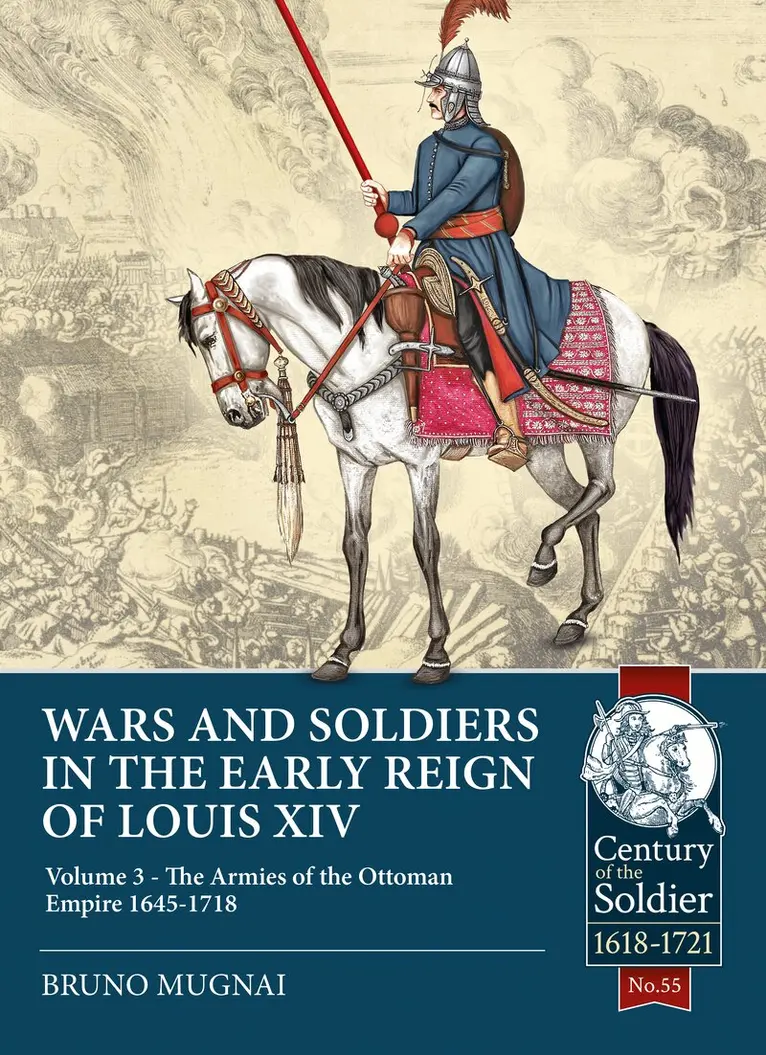
388 kr
Skickas
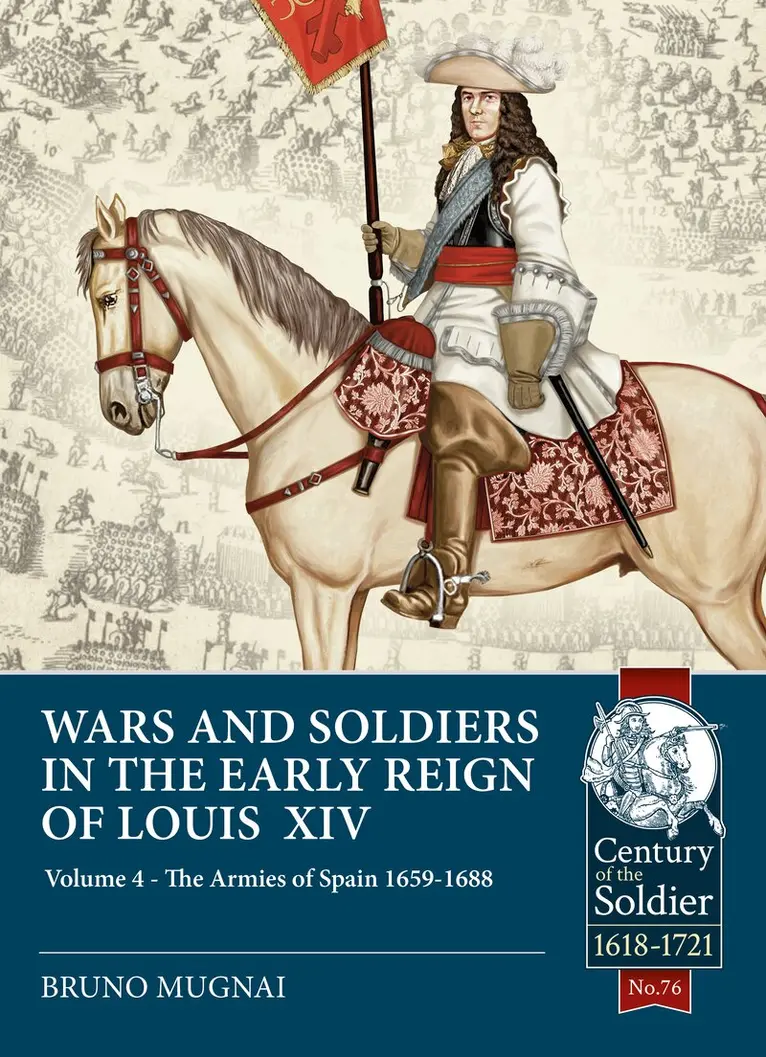
388 kr
Skickas

Volume 5 - The Portuguese Army 1659-1690
331 kr
Skickas

331 kr
Tillfälligt slut