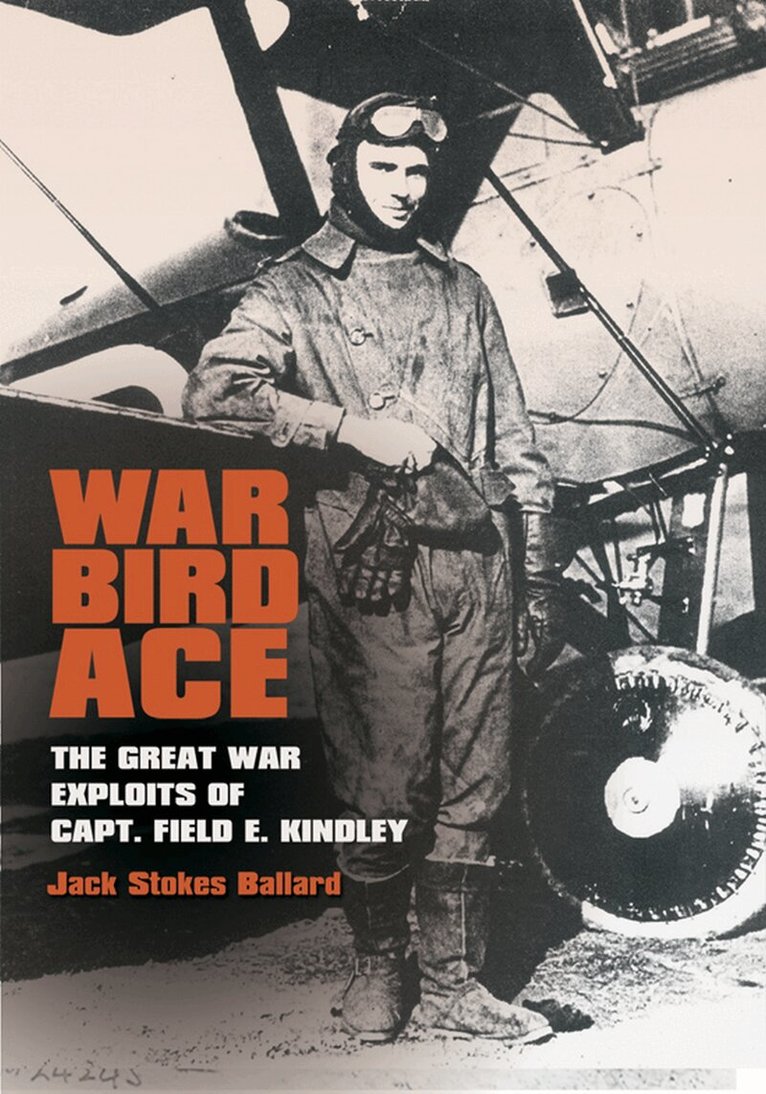
Capt. Field E. Kindley, with the famous Eddie Rickenbacker, was one of America's foremost World War I flying aces. Like Rickenbacker's, Kindley's story is one of fierce dogfights, daring aerial feats, and numerous brushes with death. Yet unlike Rickenbacker's, Kindley's story has not been fully told until now. Field Kindley gained experience with the RAF before providing leadership for the U.S. Air Service. Kindley was the fourth-ranking American air ace; his exploits earned him a Distinguished Service Cross with Oak Leaf Cluster from the United States and a Distinguished Flying Cross from the British government. In February 1920, during a practice drill Kindley led, some enlisted men unwittingly entered the bombing target area. ""Buzzing"" the troops to warn them off the field, Kindley somehow lost control of his plane and died in the ensuing crash. Using arduously gathered primary materials and accounts of Great War aces, Jack Ballard tells the story of this little-known hero from the glory days of aerial warfare. Through this tale, an era and a daring flyer live again.
On July 26, 1918, American aviator George Puryear shot down a German observation plane and then landed to accept the crew's surrender. In fact, he had landed inside the German lines and was captured. This text tells the story of how he led a mass escape from the prison camp at Villingen, Germany.
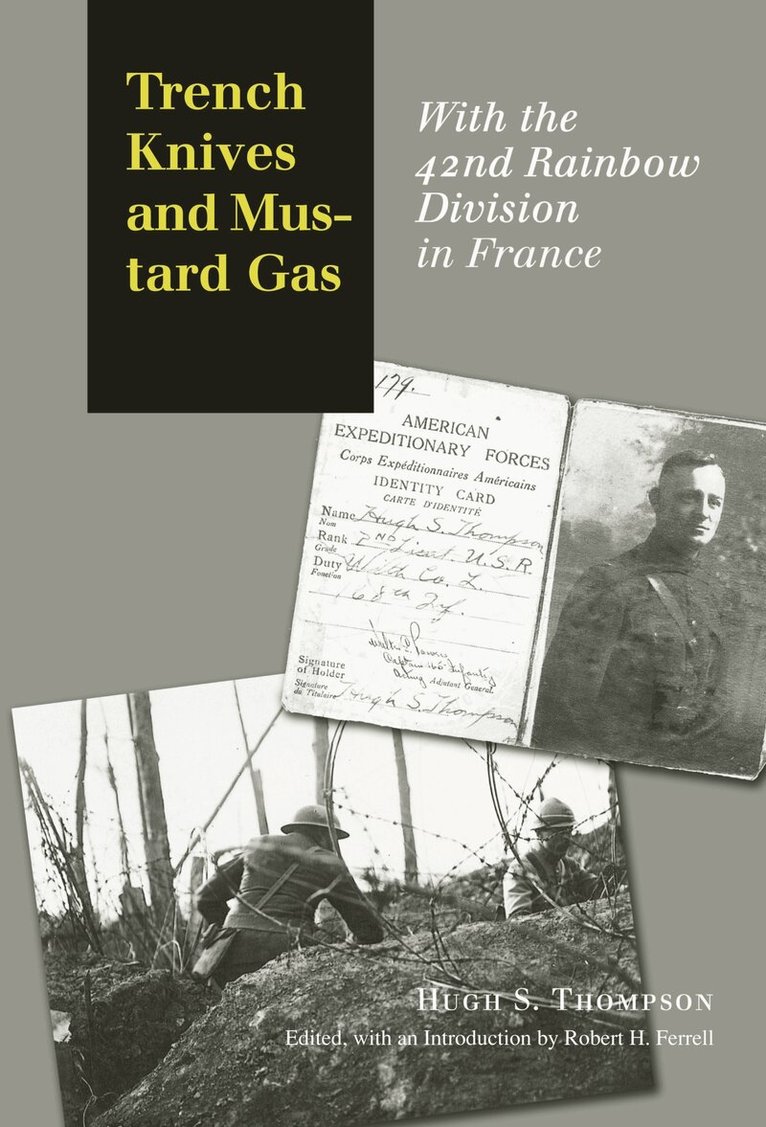
In Trench Knives and Mustard Gas, the memoir of a soldier on the front lines of World War I, Hugh S. Thompson combines the fast-paced prose of the Jazz Age with the passionate observations of an engaged intellectual. Originally serialized in the Chattanooga Times in 1934, this newly edited version allows the author to tell his story to a new generation. Thompson takes the reader on a grueling journey with the 168th regiment of the 42nd Rainbow Division through the villages, towns, battlefields, and hospitals of France. Severely wounded in his arm and back, Thompson reassesses his situation after visiting comrades who lost arms or legs. ""I went back to my tent,"" he recalls, ""almost ashamed of my own lucky wounds."" Homesick for the States during his first months overseas, Thompson discovers that his platoon has become his second family. He becomes accustomed to the war's distortion of time and values. Friendships form and disappear in the hour it takes a stranger to die. When he is wounded, Germans serve as his stretcher bearers. If war does not destroy the physical man, it nonetheless leads to strange experiences. Trench Knives and Mustard Gas brings the front lines of the Great War to the hearts and minds of its readers.
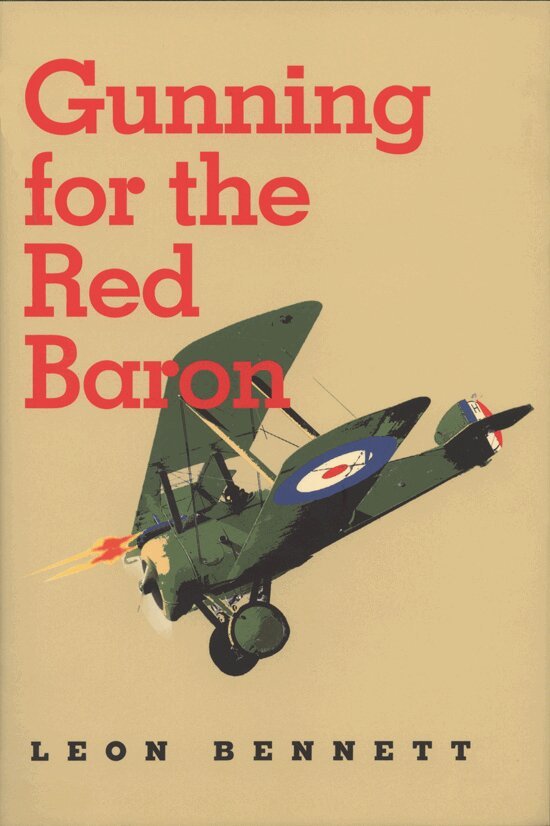
The daring air aces of World War I faced more than the enemy when they took to the sky - they faced the odds. Their chances of being hit were high; the odds of their hitting the enemy were low. One pilot, French Captain Albert Moris, reported 400 hits to his aircraft in his 253 hours of flying, more than a hit per hour. Even the most maneuverable of the British fighters, the Sopwith Camel, lost as many machines as its pilots shot down. Pilots flying Camels rang up 1,294 victories, but 1,500 machines were lost to accidents and enemy fire, and many Camel pilots died within weeks of entering combat. Was it luck or skill that sustained the Red Baron, the German ace who flew, fought, and thrived until he was finally shot down in April 1918? ""Gunning for the Red Baron"" gives the lowdown on why it was so hard to score a hit, what qualities helped the aces succeed, and the weapons and planes that were celebrated in the ""air war to end wars."" Most basically, this richly illustrated book explains why aim was so notoriously bad. Drawing on his army service at the Ballistics Research Lab, data from London's Public Records Office, and careful study of Great War technology, author Leon Bennett analyzes combat sequences, the arts of aerial gunnery, and the weapons themselves. His detailed insight into the mechanics of air warfare allows him to reach some startling conclusions about one of the enduring controversies of World War I: what finally brought the Red Baron down.